
Dinner used to be shaped by affordability and the ability to feed a household without fuss. Our grandparents cooked dishes that stretched ingredients and leaned on habits passed down. These foods didn’t chase attention. They earned loyalty. Many have slipped out of regular rotation, but they deserve a closer look again.
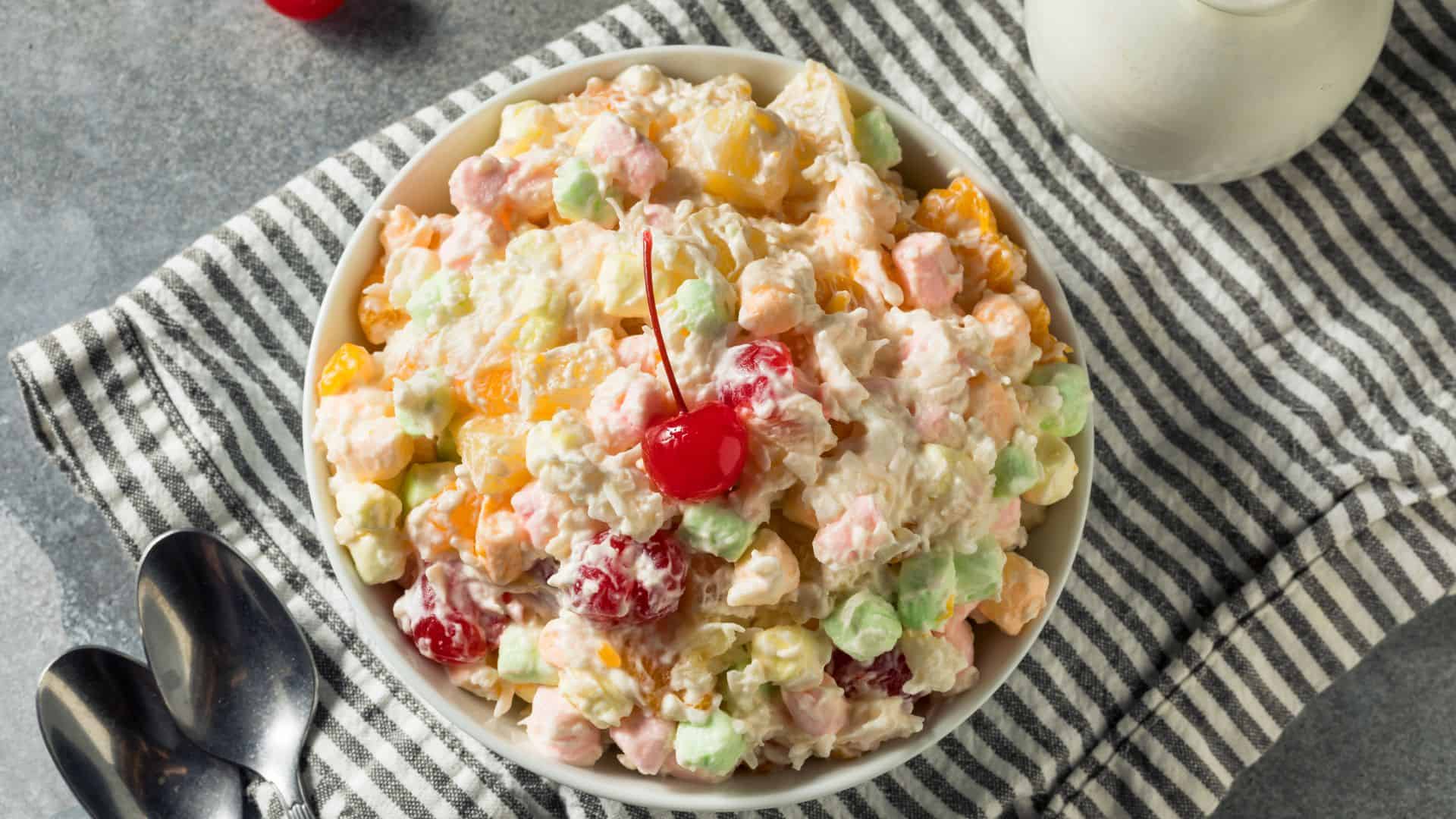
Ambrosia salad
Ambrosia salad showed up when a table needed something sweet but not heavy. Canned fruit and marshmallows were folded together with cream or sour cream, then chilled until firm enough to scoop. It was treated as a side dish as often as a dessert, especially at holidays and potlucks.
The appeal was simple. It can be made ahead and added to the table for fun flavors. For many grandparents, ambrosia meant celebration without stress, a reliable bowl that emptied quickly and never came home full.
Chocolate Depression cake
Chocolate Depression cake came from kitchens where eggs and dairy weren’t guaranteed. Cocoa, flour, sugar, oil, vinegar, and baking soda did the work instead. Mixed right in the pan and baked without fuss, it produced a soft cake that sliced clean and kept well.
Many grandparents learned it as a practical way to cope with shortages, then kept making it because it worked. It showed up at weeknight dinners and celebrations, with no need for frosting if you don't have the time or patience.
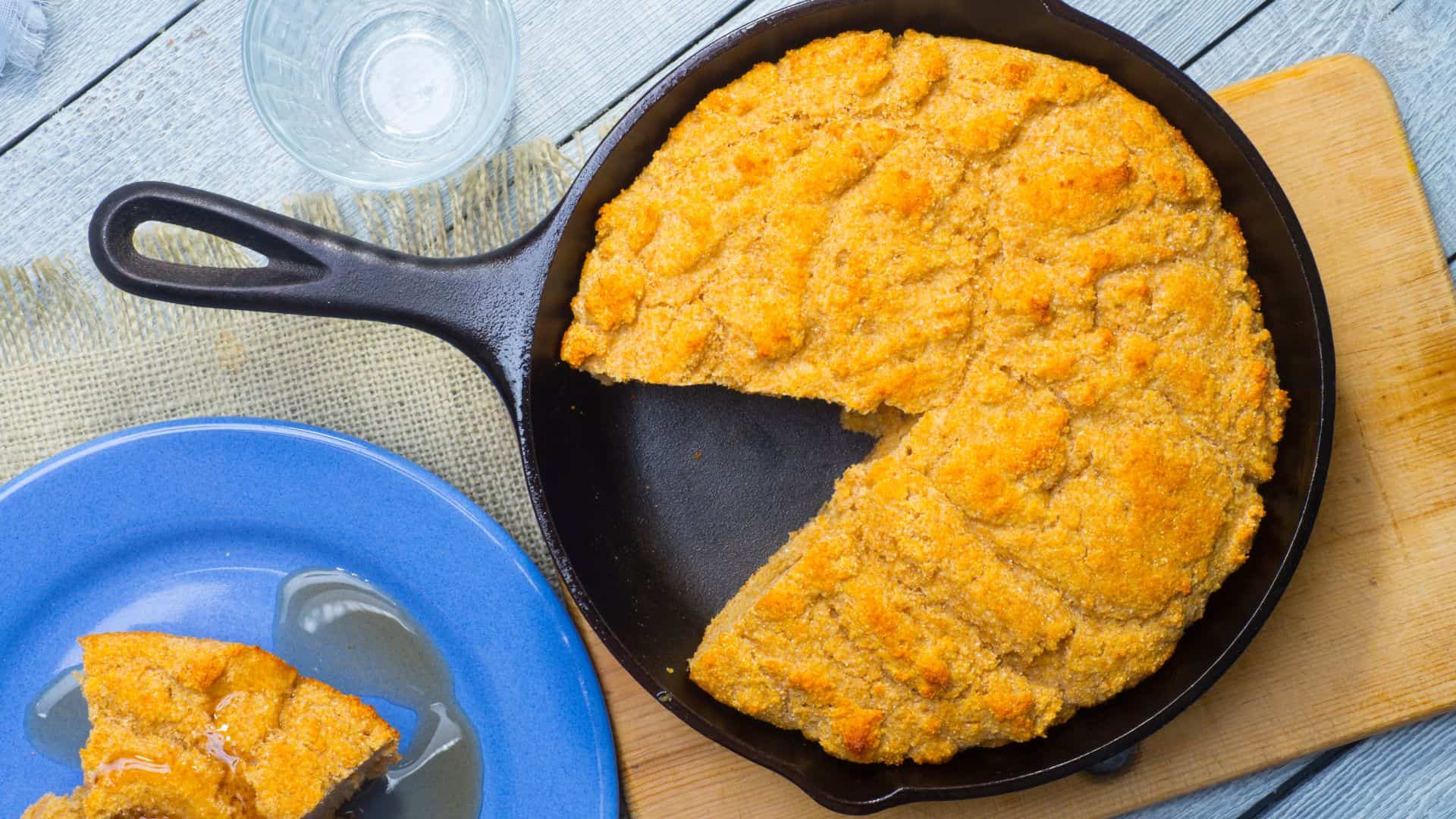
Cornbread
Cornbread was everyday bread in many homes, baked in a hot skillet and served with butter or honey. It leaned savory, not sweet. A wedge alongside beans or greens could stand in for the whole meal. Leftovers were crumbled into milk or used to stretch another dish. Cornbread wasn’t a recipe so much as a habit, something made by feel and trusted to show up right every time.
Caramel popcorn balls
Caramel popcorn balls were hand-made treats. Popped corn was coated in hot caramel, then shaped quickly before it cooled. Wax paper waited on the counter, and buttered hands did most of the work. They showed up around holidays and cold evenings when something sweet felt earned. Popcorn balls were less about the candy and more about the short window when the kitchen felt busy and everyone stayed close until the last one set.
@tastyhubbb shows all the steps to make these sweet treats.
Baked custard
Before elaborate desserts became common, baked custard filled that role. Just a handful of ingredients and a little bit of patience were all it needed. It baked low and slow, emerging smooth and barely sweet. Served warm or chilled, it felt special without being showy, and it was often made for both guests and quiet nights alike.
Vinegar pie
Vinegar pie came from times when fruit wasn’t always on hand. A small amount of vinegar stood in for lemon, creating a sharp filling set in a simple crust. It was a lesson in making something satisfying from almost nothing. Many grandparents learned this recipe from parents who lived through shortages and didn’t forget.
Cast iron fried chicken
Cast iron fried chicken was planned in advance, even if no one said so out loud. The pan mattered, and the chicken cooked slowly enough to stay juicy without burning the crust. This wasn’t quick food. It took attention and a steady hand, usually made on days when time allowed. Leftovers, if there were any, were reheated in the same skillet. This was celebration food, brought out for Sundays and moments when a good meal was worth the effort.

Fried bologna
Fried bologna was lunch food that crossed easily into dinner. Thick slices are browned in a pan and sometimes tucked into bread with mustard. It was salty and affordable. For many people, it served as an after-school snack or a quick meal before evening chores.
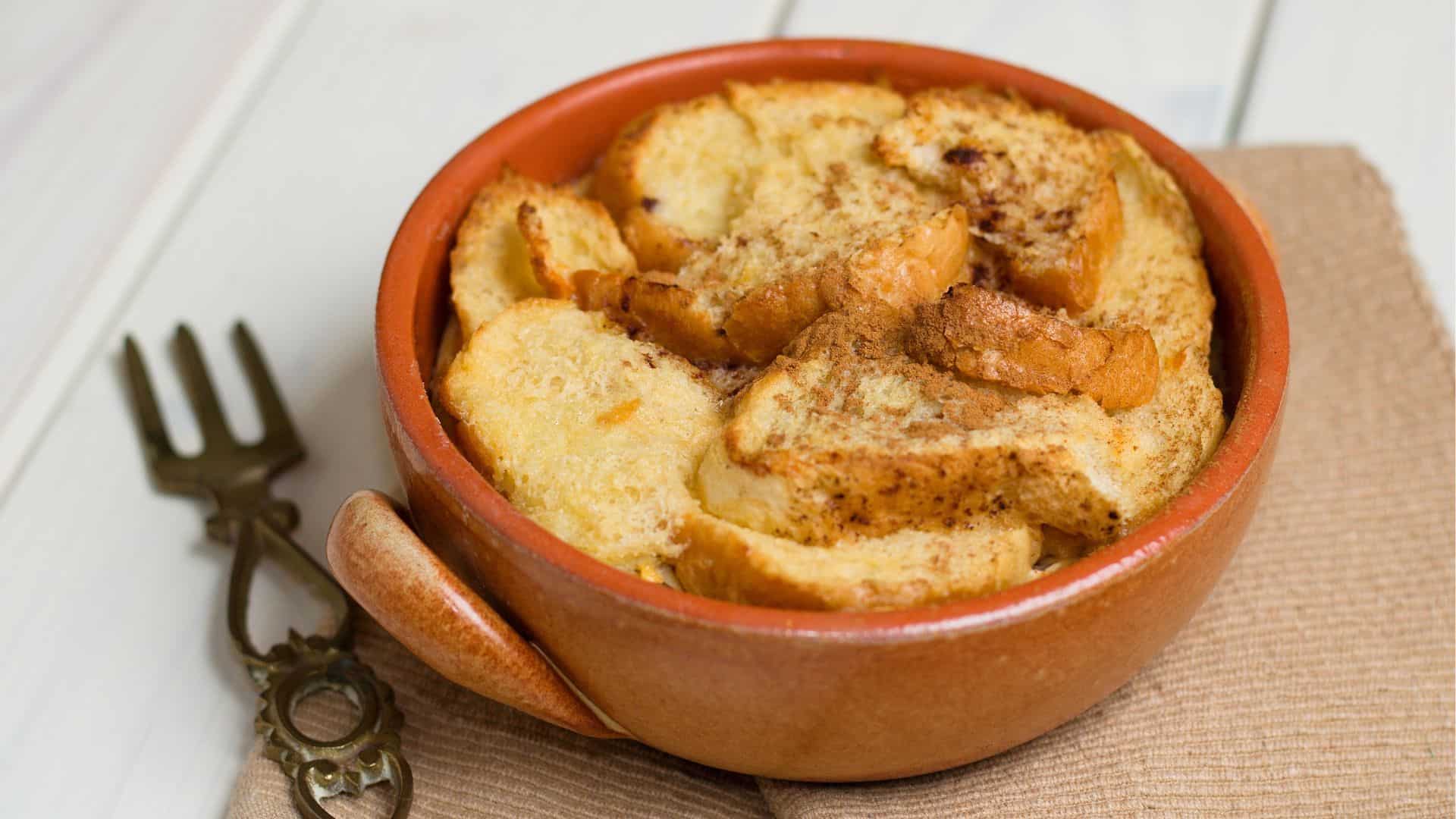
Bread pudding
Bread pudding used what was already there. Stale bread soaked in milk and eggs, sweetened lightly, and baked until set. Some versions added raisins or spice, but even the plain ones were comforting. It was dessert with purpose, never meant to impress, only to satisfy.
Chicken fried steak
Chicken-fried steak came from making tough cuts behave. Beef was pounded thin and fried until crisp, then finished with pan gravy made from the pan drippings. It was filling and meant to stick with you. This was the kind of meal served when work had been long and tomorrow would be no easier.

Fried zucchini
Fried zucchini showed up when gardens were producing faster than anyone could keep up. Sliced thick and fried until golden, it turned a simple vegetable into something everyone reached for. It was often served as a side, though it rarely stayed on its own plate for long. This was a practical solution that felt like a treat, a way to use what was on hand and make it satisfying without dressing it up.
@thespicynonna shares her tips for making this classic.
Strawberry shortcake
Strawberry shortcake used to lean more toward bread than cake. The base was a plain biscuit that wasn't sweet. You'd split it in half, while still warm and fresh strawberries were sliced and lightly crushed, just enough to release their juice without turning them into syrup, then placed on top.
A spoonful of cream went on top, not frosting. The balance mattered. Sweetness came from ripe fruit, not added sugar.
These foods didn’t need reinvention to work. They were built around routine and feeding people well enough to get through the day. A comeback doesn’t require turning them into something else. It only asks for remembering why they lasted so long in the first place.
Leave a Reply