
Grocery shopping seems simple, but it’s surprisingly easy to spend more than you planned, especially with prices going up. Stores are experts at getting us to buy more than we need, with tempting displays and clever deals around every corner. Even when you go in with a list, it’s easy to walk out with a cart full of extras. This article is here to help you spot the most common grocery shopping mistakes so you can avoid them next time. A few small changes can make a big difference for your wallet.
Shopping Without a Plan

If you're a serious shopper, you probably already know never to go shopping without a list. Wandering into the store without a list or a meal plan is the best way to overspend, and it will happen every single time. In the book "Why We Buy: The Science of Shopping," researchers found that unplanned grocery purchases account for around 20%. Without a list, shoppers are more vulnerable to impulse buys and marketing tactics designed to grab attention, rather than considering the true value or need of an item.
Anyone who has walked into a grocery store to “buy food” and come out with a cart full of impulse purchases and a massive grocery bill knows this to be true. According to Inc., Americans spend about $282 in impulse purchases every month. You can see that planning ahead can save you tons of money.
Ignoring Unit Prices

The big, bold price on the shelf isn’t always the full story. Many shoppers overlook the smaller “unit price” label, which breaks down the cost per ounce, pound, or liter. Unit pricing helps consumers spot better deals by breaking down the cost and being able to better compare similar items.
However, this only works if you really look at the unit price and use it! For example, a smaller item on sale might still cost more per ounce than the regular-sized version. Take your time and look at the unit price rather than the red sticker.
Falling for Eye-Level Placement
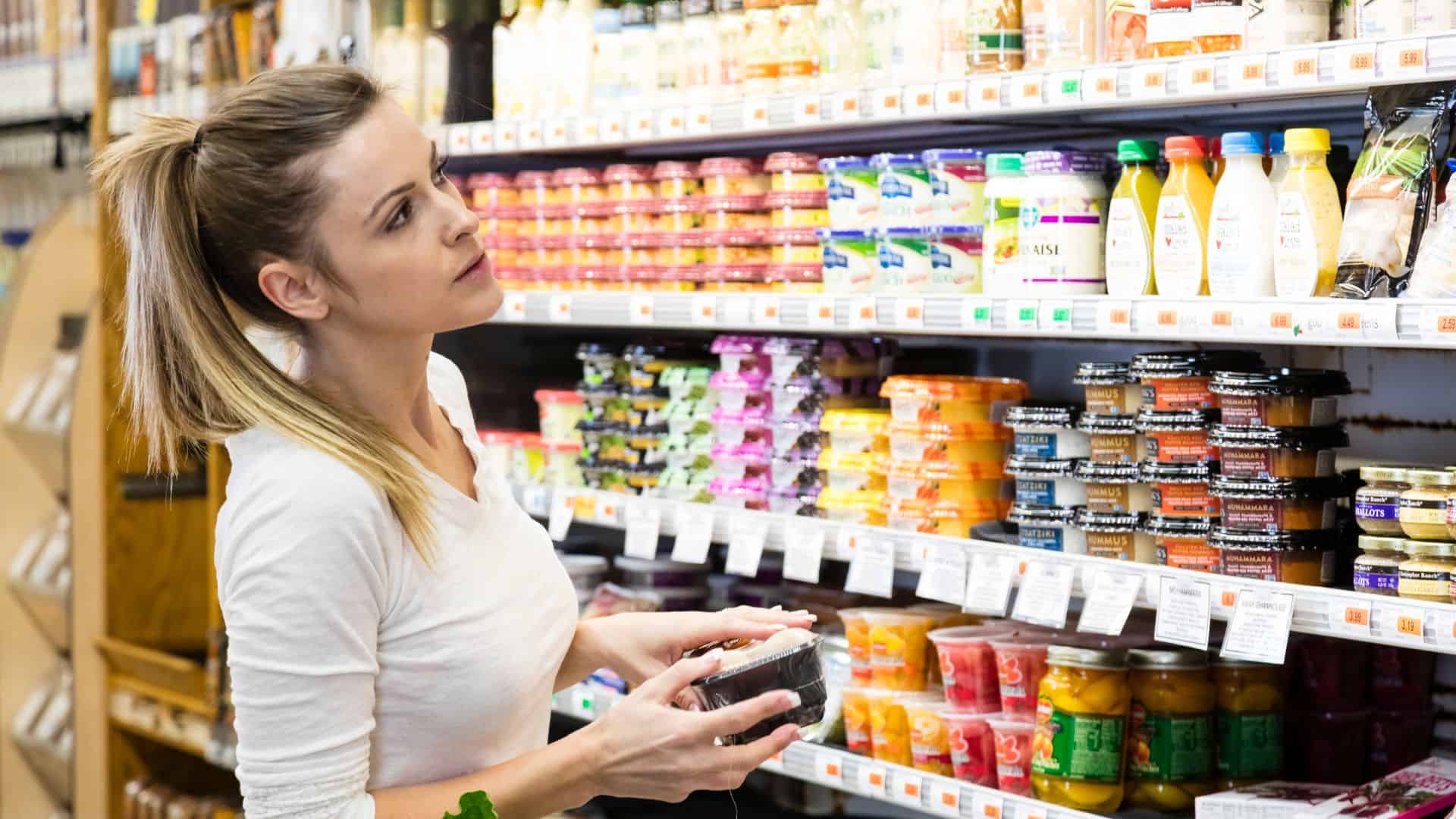
Product placement is a silent price manipulator that many of us fall for. Brands actually pay stores for prime shelf space, which is typically the shelves at eye level, where shoppers are more likely to grab them without comparing prices. You are more likely to buy the items right in front of your face rather than reach up or down!
Did you know that this tactic is also implemented on kids? Grocery stores will place kid-friendly items on lower shelves where kids are more likely to see them. That is why your child will give you the first box of sugary cereal they see on the bottom shelf. Make sure to look up, down, and all around before making a purchase.
Not Knowing the Store Layout

Stores are strategically designed to encourage extra spending. Essentials that everyone needs, like milk, bread, and eggs, are usually placed at the back of the store on purpose. This forces shoppers to pass by tempting displays just to reach the items they really need.
Store layouts are engineered to maximize exposure to high-margin goods, increasing the likelihood of impulse purchases. When you run into a store just to grab milk, you will have to go through the whole store and pass by the chocolate on sale or the buy-one-get-one-free chips. It is next to impossible not to grab “just one more thing!”
Shopping While Hungry

It might sound trivial, but shopping on an empty stomach leads to significantly more spending. A study published in JAMA Internal Medicine found that hungry shoppers purchased more high-calorie, non-essential foods, increasing their total spend, even if they didn’t intend to. Hunger impairs judgment, making everything seem like a good idea.
Assuming Bigger is Always Cheaper
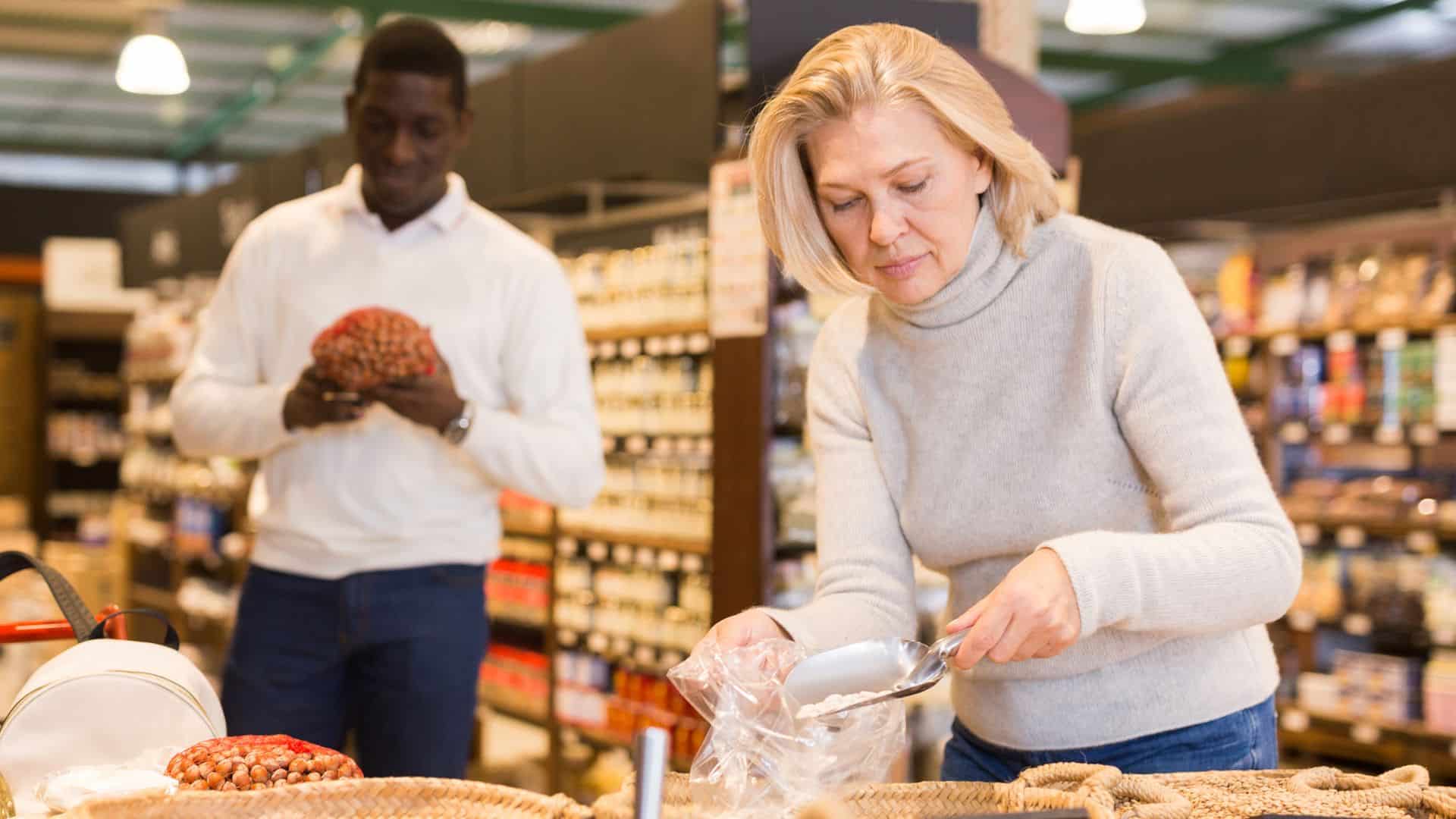
Bulk buying isn’t always a bargain, despite what so many of us may think. In fact, larger packages can sometimes be more expensive per unit, especially when they’re not on sale. You can easily compare the prices of bulk items to those of smaller packages by checking the unit pricing, as we mentioned earlier.
Never assume that a massive pack of toilet paper is a good deal! It may actually be cheaper to buy a few single rolls. Additionally, the temptation to buy larger packs, assuming they are more affordable, often leads to purchasing more products that you actually need.
Overlooking Generic and Store Brands
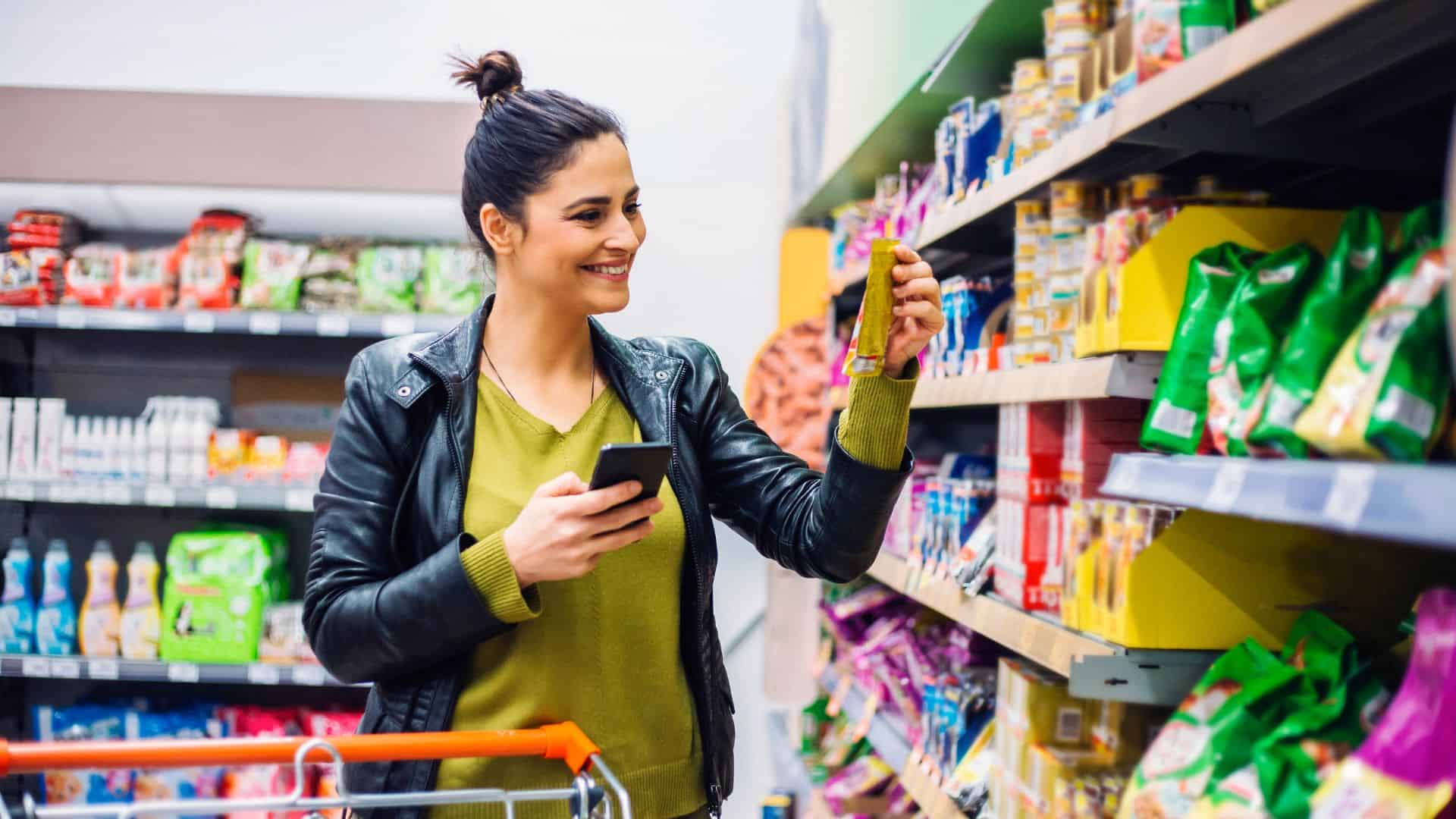
Brand loyalty can be costly, and as a professional shopper, you should be aware of it. This is where discount stores come into play. They usually offer their own branded products, which are made by the same producer as big-name brands, but at a significantly lower price. By purchasing store-branded products for everyday items like flour, milk, or toilet paper, you can save significantly compared to big-name brands. The quality and taste are almost always the same.
Many people are realizing that the lower-priced store brands are the way to go. According to NielsenIQ, 59% of U.S. consumers say they trust store-brand products, particularly when those items come from a retailer they already know and rely on. Many of us know the Costco Kirkland brand or the Good & Gather Target brand! They are solid options that typically cost less.
Relying on Endcap Displays for Deals

Those flashy end-of-aisle displays often appear to be on sale, but they’re not always discounted. Endcaps are more about product promotion than value. These items are placed in high-traffic areas to drive visibility, regardless of price.
Shoppers assume “special display” means “special deal,” but it is frequently just marketing. You will likely find a better price on a similar item when you walk down the aisle. Remember, don´t forget to check the unit price to get the best deal.
Buy One Get One 50% Off

Buy One, Get One 50% Off deals, or BOGO (Buy One Get One), are common on snacks, drinks, and frozen foods to encourage you to buy and spend more. While they seem like a smart way to save, if you weren’t planning to get two, you’re spending extra to “save.”
These offers work best when used on items you already buy regularly and have a longer shelf life, allowing you to stock up at home. To avoid overspending, stick to your list, check the unit prices, and skip the deal if it doesn’t truly benefit you.
Failing to Check the Receipt
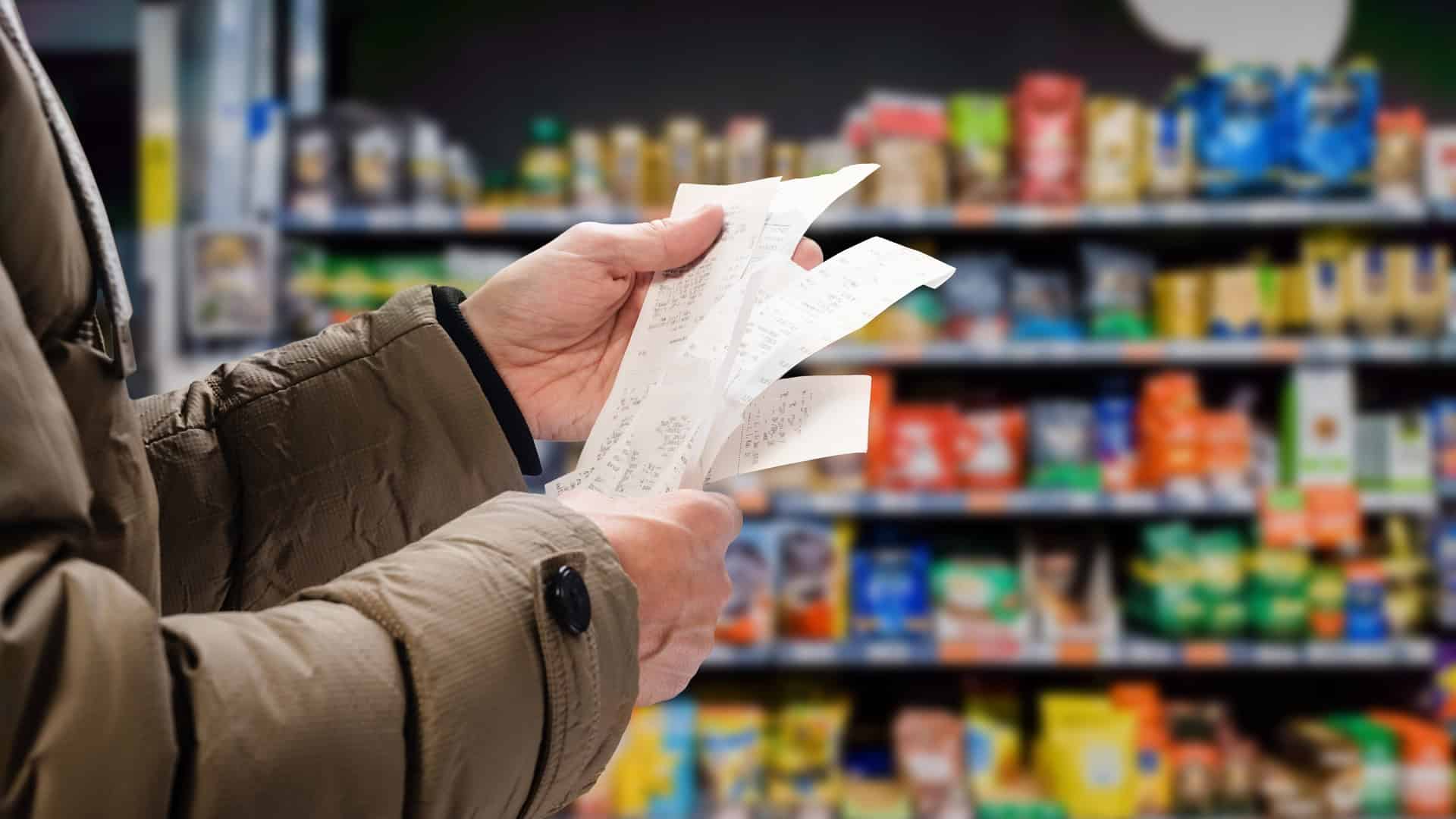
When was the last time you checked the recipe after leaving the cashier? Most of us never do it, we trust the system, or are too busy with our life to read through a long list of codes and numbers. But, in reality, it is surprisingly common for shoppers to be overcharged. If possible, review your receipt before leaving the store and address any errors on the spot. Perhaps a sale didn’t register correctly, or a cashier scanned an item twice.
Due to the overwhelming variety of goods, it is easy to pick the wrong, overpriced product from the shelf, even if you have checked the price first. Receipts often contain errors, and identifying them can save you a significant amount in the long run. I usually quickly scan the recipe for big values, and if something looks strange, I ask about it on the spot. Don´t be shy; the cashier or customer service will happily help you find the item in question.
Ignoring Digital Coupons and Loyalty Programs

Even tech-savvy shoppers sometimes overlook digital discounts. Apps like Ibotta, Fetch Rewards, and store-specific programs can provide instant savings, but they are very often underutilized. According to Statista, 60% of U.S. shoppers have used digital coupons, but not everyone uses them on a regular basis. I know it can be overwhelming to check for all the bargains at the store and on your mobile, but if you take this seriously, you can get some amazing deals. It is an easy and convenient way to save with coupons.
Not Timing Your Trip Right
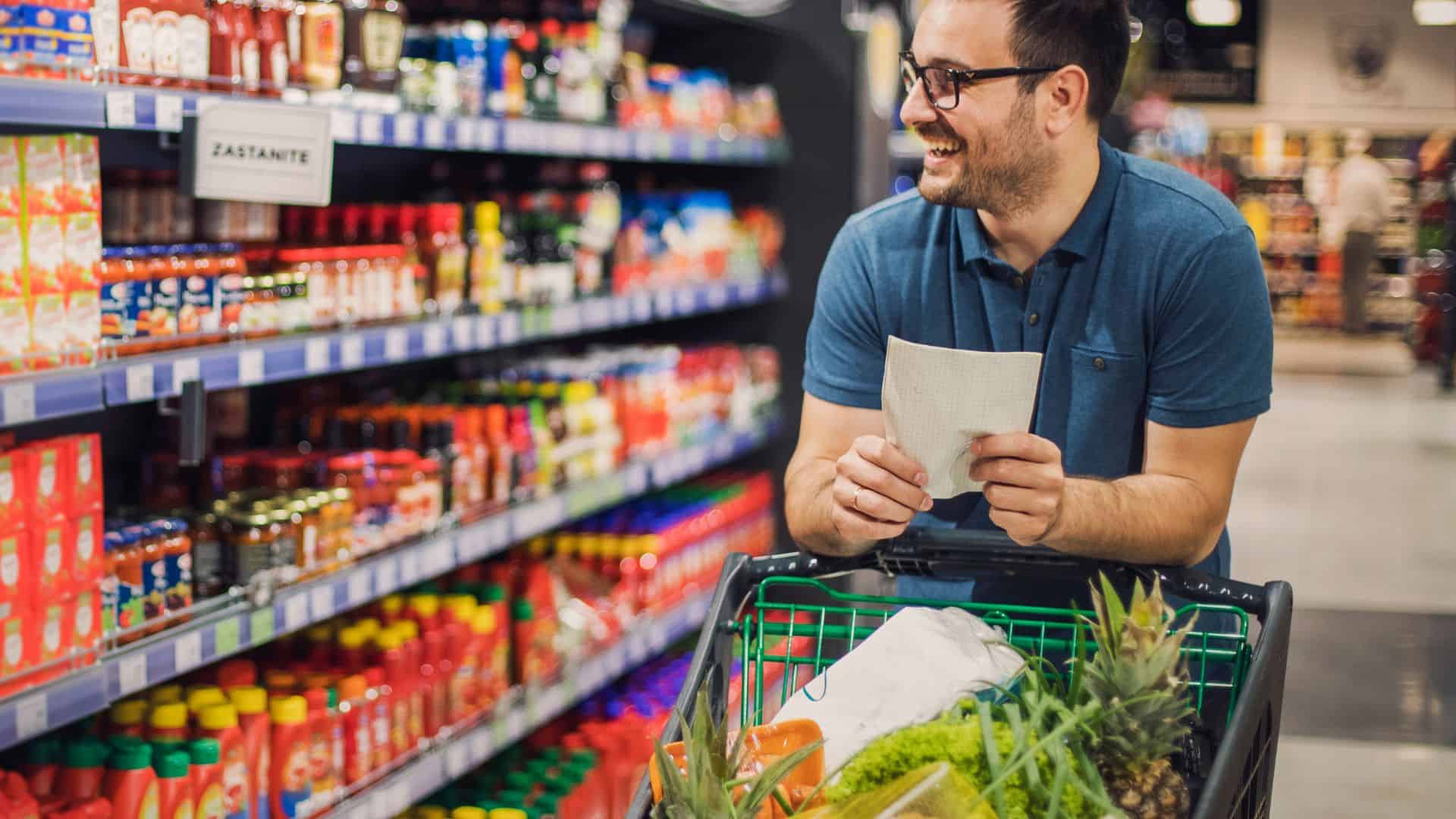
Believe it or not, the day and time you shop can affect what you spend. Midweek mornings offer the best deals and lowest crowds. On the other hand, weekends and evenings are prime times for restocking high-priced items and luring tired, rushed shoppers into quick (and expensive) decisions. Try to shop at quieter times, when possible, to avoid the hectic rush of the grocery store and potentially reduce your spending.
Leave a Reply