
A recent survey shows that Americans have surprisingly strong opinions about everyday foods. From whether pineapple belongs on pizza to what defines a sandwich, people across the country are divided on a dozen different food debates. The results show how age, region, and personal taste all shape the way Americans eat and argue about food.
1. Chili - soup or stew?
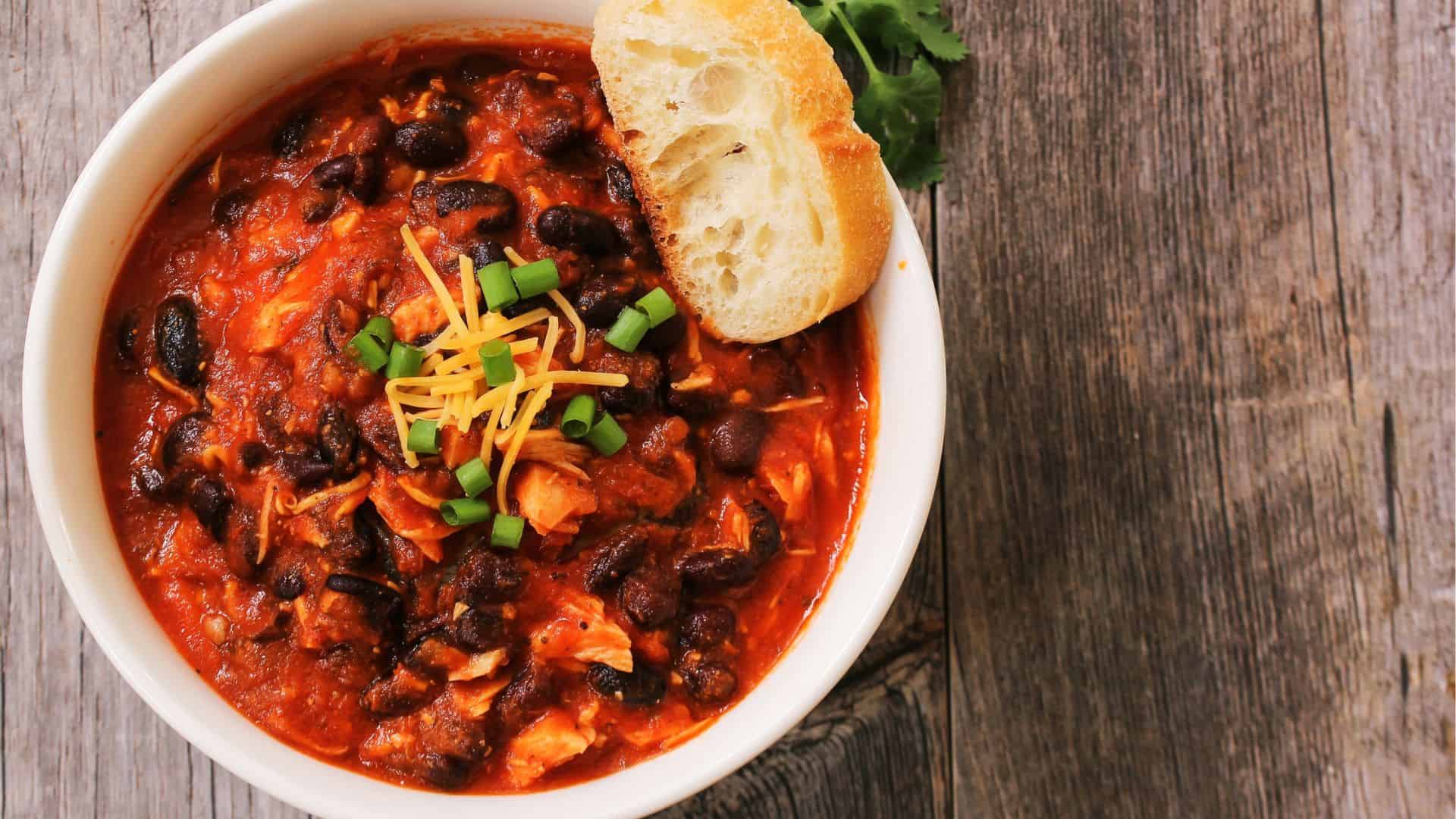
Chili is one of those dishes that defies easy labels. It’s thick, hearty, and usually made with meat, beans, and spices, rich enough to eat with a fork, but often served in a bowl like soup. The survey found that only 18% of Americans describe chili as a soup, while 60% say it’s a stew and 23% believe it’s neither.
Chili is preferred a certain way across the regions, too. About 13% Midwesterners consider chili a soup, but nearly half disagree. The rest of the country tends to see chili as a stew, not soup or something else.
2. Is a hot dog a sandwich?
One of America’s longest-running food arguments is whether a hot dog qualifies as a sandwich. The results show that more than half of Americans (53%) say it does not, while about 40% say it does. Younger adults lean toward saying no, but opinions shift with age. Among those 65 and older, 54% say it counts as a sandwich.
In the Northeast, 59% of respondents say a hot dog isn’t a sandwich, compared with 33% who say it is.

3. Hamburgers: sandwich or not?
When the question turns to hamburgers, however, there’s little disagreement. Nearly three-quarters (73%) of Americans agree that a hamburger qualifies as a sandwich, with the strongest agreement coming from the Midwest and South.
However, nearly one quarter of U.S. citizens think a hamburger is not a sandwich because it is served on a bun rather than bread.
4. How do you cut a sandwich?
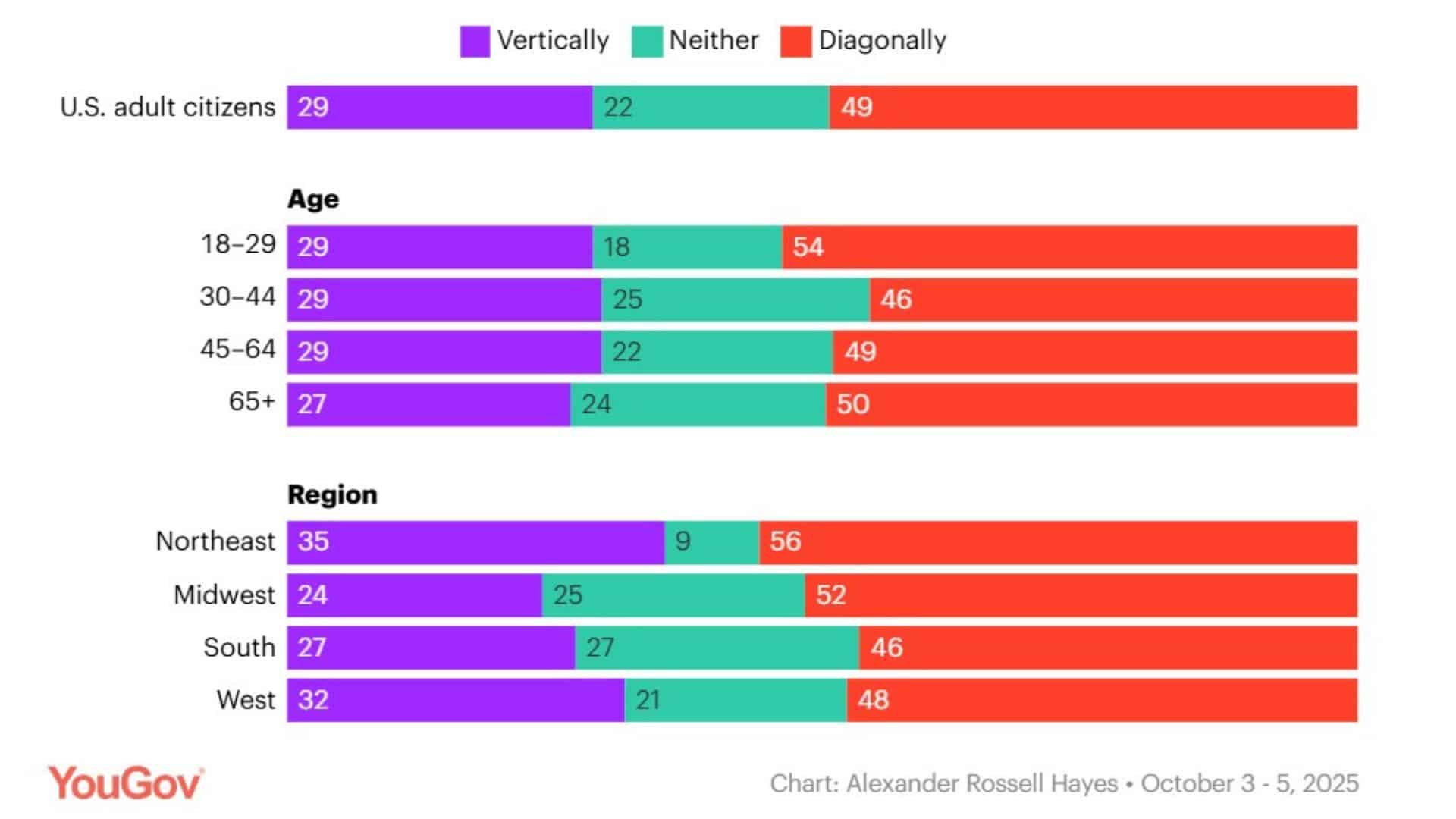
There is a specific way Americans like their sandwich to be cut. Nearly half of Americans (49%) prefer a diagonal cut, while 29% go for a vertical slice, and the remaining 22% say they have no preference.
Younger adults under 30 are more likely to choose diagonal cuts, with 54% favoring diagonal cuts compared to 29% who choose vertical-shaped sandwiches. People across regions also have preferences, with almost half of the population in South and Northeast preferring diagonal-cut sandwiches.
5. Is coleslaw a salad?
Coleslaw isn’t a Caesar or a Cobb, but most people still see it as a salad. The survey found that 67% of Americans say it qualifies as salad, while 25% disagree. Older adults are even more likely to say yes, about 77% of those aged 65 and above agree, and 65% of younger adults share the same opinion.
On the other hand, people in the West are most likely to call coleslaw a salad (74%), followed by those in the Northeast (69%) and Midwest (65%). American or not, the majority of the population considers coleslaw as a creamy salad.
6. Should you put ketchup on eggs?
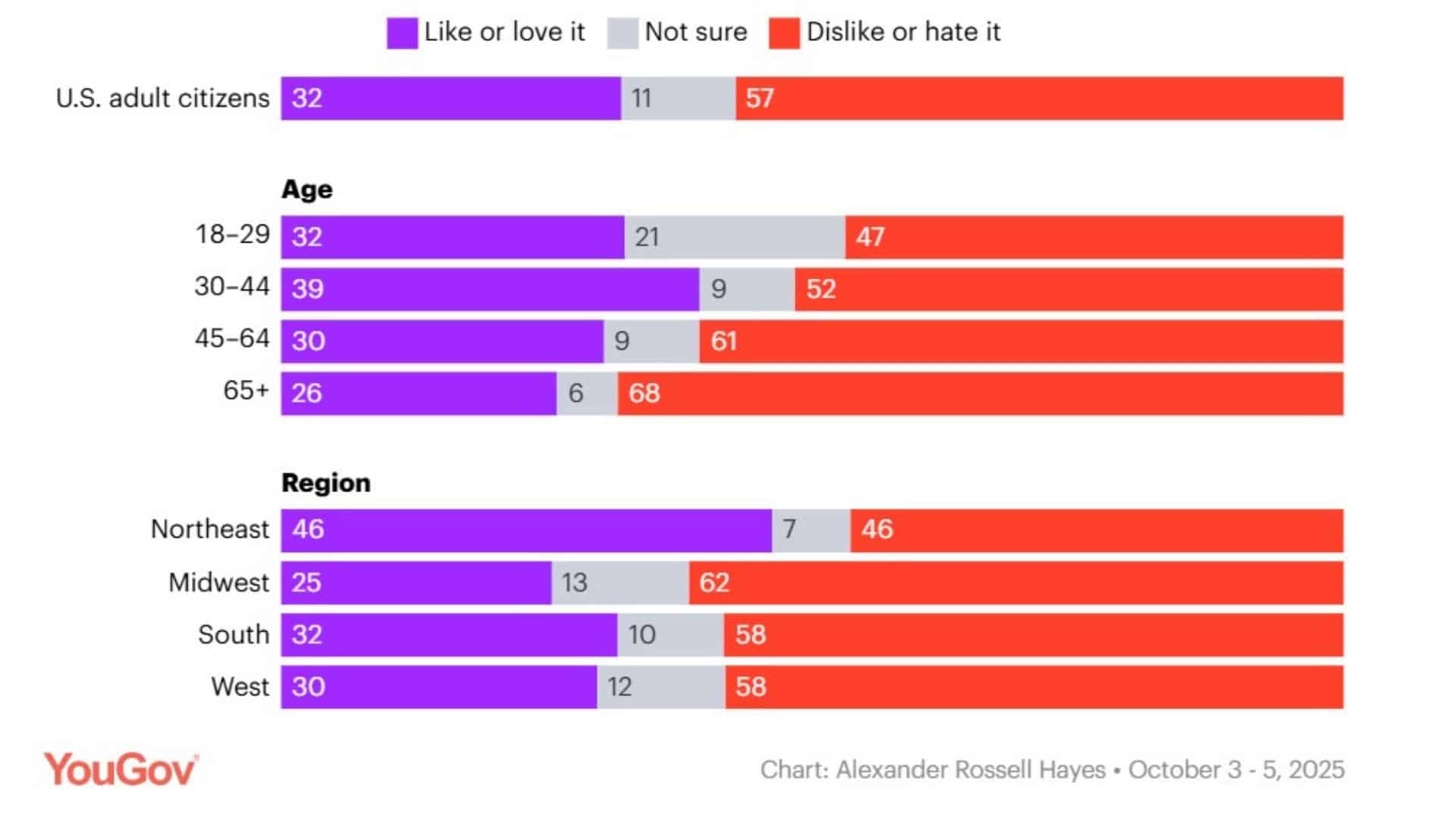
Ketchup on eggs is one of those breakfast habits that divides households. The majority of Americans (57%) say they dislike or even hate it, while about 32% say they love it. Older adults are less likely to approve, with nearly 68% rejecting the idea, compared with 47% of adults under 30.
Younger respondents are more open to experimenting with flavors, and only a few say they’re unsure of the combination. People in the Northeast are evenly split, while those in the Midwest, South, and West are more likely to say they’d rather skip the ketchup.
7. Pineapple on pizza

Few food debates are as divisive as pineapple on pizza. Some love the combination, while others prefer savory-only pizza and believe that this should be banned altogether. The survey shows Americans are nearly split, 48% say they like the combination, while 44% say they don’t. The opinions remain consistent across most age groups, though 43% of adults under 30 say they enjoy it.
Regional trends show the Northeast as the least receptive, where 59% of respondents dislike pineapple on pizza, compared to around 42% in other parts of the country.
8. Hot or cold pizza leftovers?
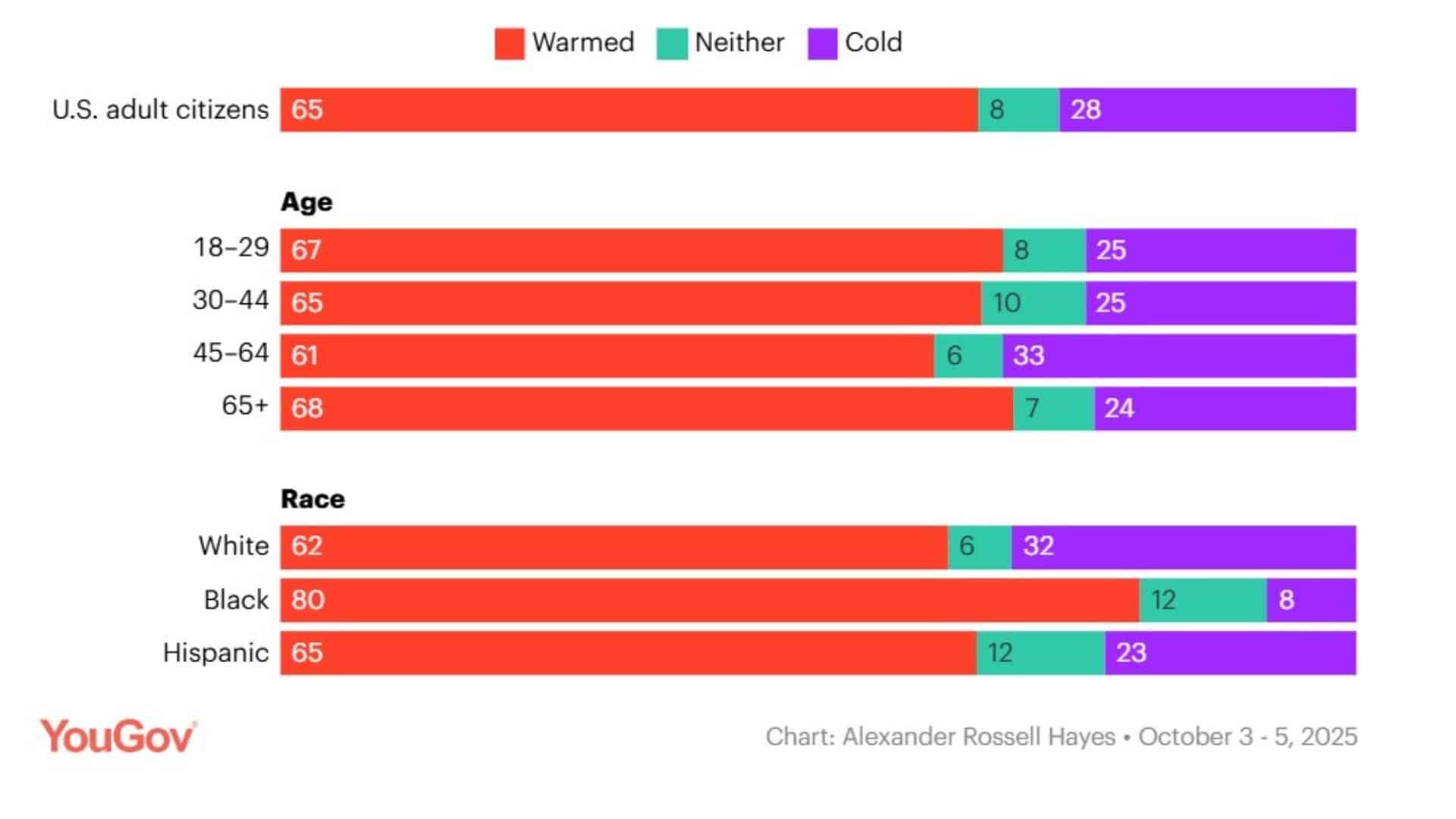
When it comes to leftovers, Americans prefer their pizza warm. About 65% say they reheat their slices, while 28% eat them cold. Only a small number of Black Americans (8%) say they enjoy cold pizza, making them the least likely group to do so. Overall, pizza is best eaten when it is heated, and the cheese is melted.
9. Brownies: edge or center?
Americans have explicit opinions even about dessert. When it comes to brownies, 45% prefer the chewy edges, while 39% prefer the softer centers. The preference for brownies changes with age, too. Younger adults under 30 favor center brownies, while adults aged 65 and above prefer the opposite. Only 42% of Americans are divided between both types of brownies; they may prefer either as long as it’s gooey and soft.

10. Cereal or milk - what is poured first?
There is no universal rule for how people eat cereal with milk, but Americans seem to think otherwise. Nearly 93% of adults say they pour cereal first, then milk, while only 4% do the opposite. The small group who pour milk first are mostly younger adults, possibly doing so to avoid soggy flakes.
11. To rinse or not to rinse rice
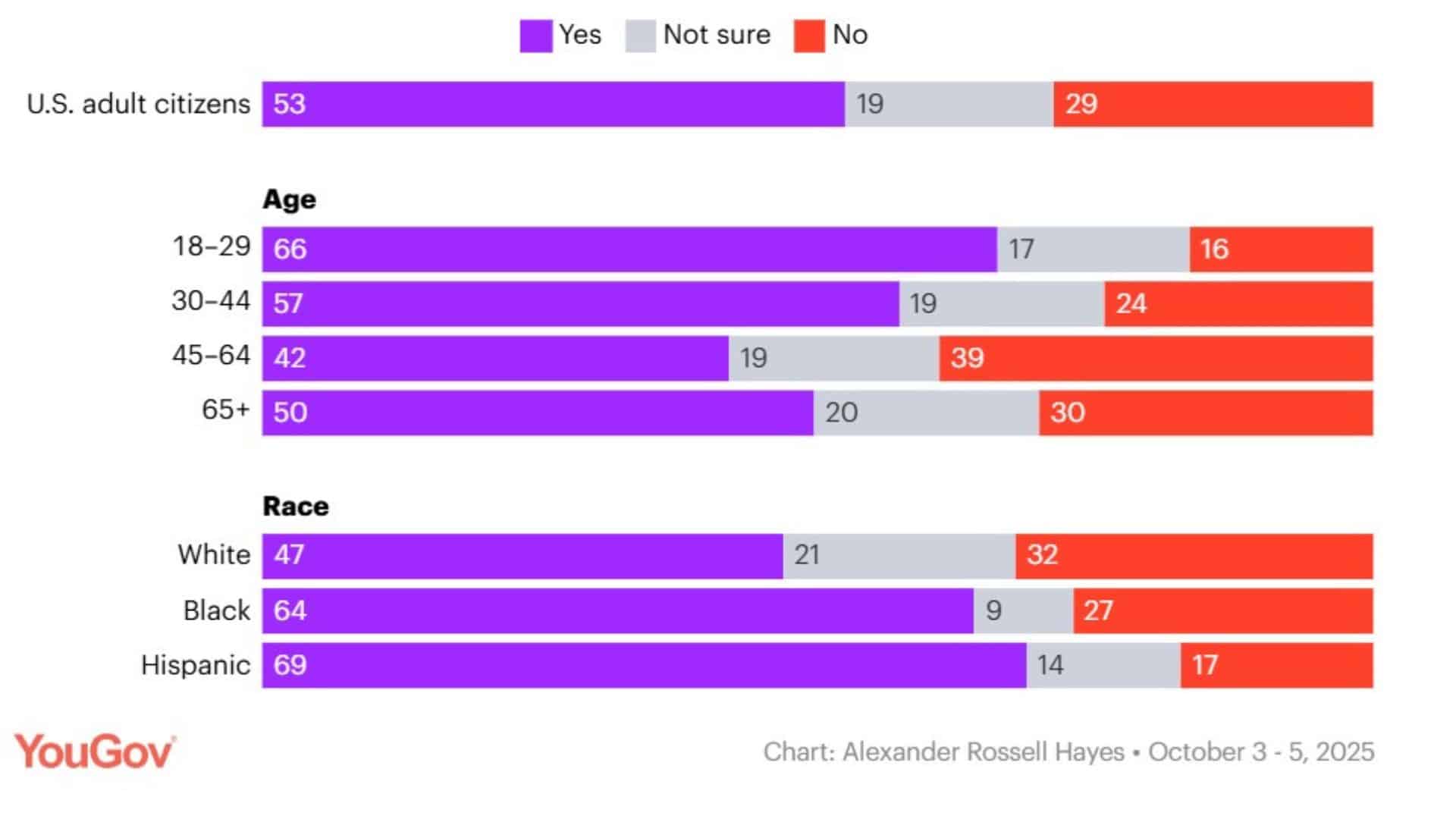
Whether to rinse rice before cooking is another question that divides the country. Many chefs, including Martha Stewart, recommend rinsing rice before cooking it. Rinsing gives rice a nice texture and helps it cook evenly. However, some people prefer to cook rice without rinsing.
About 53% of Americans say they rinse rice, while 29% say they don’t. The habit is most common among younger adults: about 66% of those under 30 say they rinse, while nearly half of older adults say they skip the rinse.
The difference can also be influenced by cultural factors. Around 64% of Black Americans and 69% of Hispanic Americans say rice should always be rinsed before cooking.
12. Does cilantro taste like soap?
Cilantro is one of the most polarizing herbs in the kitchen. Some people describe it as fresh and citrusy, while others say it tastes like soap. However, about 14% of Americans think cilantro tastes like soap, likely due to a genetic variant.
A gene known as OR6A2 makes some people especially sensitive to one of cilantro’s natural compounds, which gives it that soapy flavor.
Methodology
The YouGov survey was conducted online from October 3 to 5, 2025, among 1,126 adults across the United States. The responses were adjusted to reflect the country’s population by factors such as age, gender, region, and political background. Results carry a margin of error of approximately 4%.
Leave a Reply