
Some American candies feel completely normal until you hand one to a visitor and watch confusion set in after the first bite.
American candies often feel normal to people who grew up with them. Many visitors feel it's excessive or just plain strange. These are not niche items hidden in specialty shops. They are mainstream treats that can be found at gas stations and checkout lines. Time and again, travelers say the same thing in different ways. They don’t get a lot of these flavors.
Candy corn
Candy corn is a seasonal staple shaped into small tri-colored kernels. Its flavor is intensely sweet with a waxy texture that sets it apart from most modern candies. While closely tied to fall and Halloween, it is one of the most polarizing sweets on store shelves, largely due to its texture and ingredient list.

Tootsie rolls
Tootsie Rolls are chewy chocolate-flavored candies with a taffy-like texture. Despite being labeled as chocolate, the flavor leans more toward cocoa essence than true chocolate richness. Their durability and long shelf life have helped keep them steady in candy bowls and during Halloween.

Circus peanuts
Circus peanuts are marshmallow candies shaped like oversized peanuts and colored bright orange. Their flavor is banana-based, which contrasts with their appearance. The texture is spongy and dry rather than fluffy, giving them a unique mouthfeel that has remained unchanged for decades.

Saltwater taffy
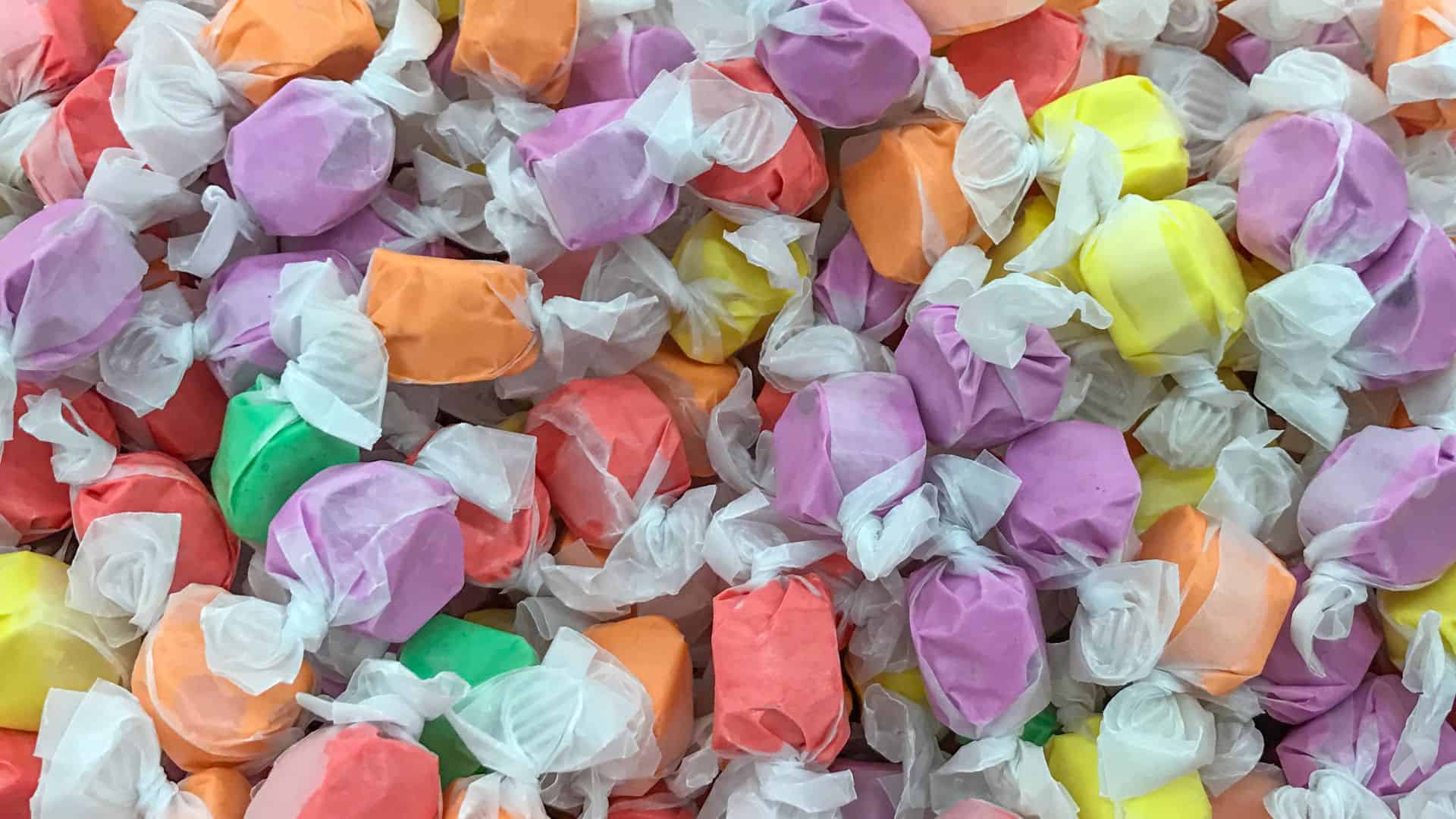
Saltwater taffy is a chewy candy known for its wide range of flavors, from fruit to vanilla and chocolate. Despite the name, it is not salty. The candy is closely associated with beach towns and souvenir shops, where it is typically sold in bulk or by the pound.
Butterfinger candy bar
Butterfinger is a chocolate bar filled with crunchy peanut butter flakes. The interior shatters rather than melts, creating a brittle bite. Its texture is messy and sticky, making it one of the more aggressive candy bars in terms of crunch and chew.

Milk duds
Milk Duds are chocolate-covered caramel candies with a firm outer shell and a dense center. They require significant chewing, which helps them last longer than other options. Originally marketed as imperfect caramel pieces, they have since become known for their size and toughness.

Pop rocks
Pop Rocks are small sugar crystals infused with carbon dioxide that produce a popping sensation when they dissolve. The candy creates audible crackling and fizzy bursts inside the mouth. Flavor plays a secondary role to the physical sensation, which is the main appeal and the reason the packets fly off the shelf.
@foodnetwork shows how Pop Rocks became part of the American candy craze.
Candy buttons
Candy Buttons consist of small dots of hardened sugar attached to thin paper strips. They are eaten by peeling or biting the candy off the paper backing. The flavors are simple, with the experience focusing more on interaction than taste. People love to peel them off and pop them in their mouths.
@itselizabethschmidtt gives a peek at candy buttons.
Necco wafers
Necco Wafers are disk-shaped candies with a chalky texture and light flavors such as lemon and wintergreen. Their recipe has remained largely unchanged for over a century. The candy has a dry snap rather than a chew, making it feel more like a tablet than a traditional sweet.

Root Beer barrels
Root beer barrels are hard candies flavored to mimic the taste of root beer soda. They dissolve slowly and release a strong sweetness, with a sassafras-like flavor. The candy emphasizes aroma as much as taste, lingering well after it is finished.
@cortneydawnecox shows off her root beer barrels haul.
Peeps
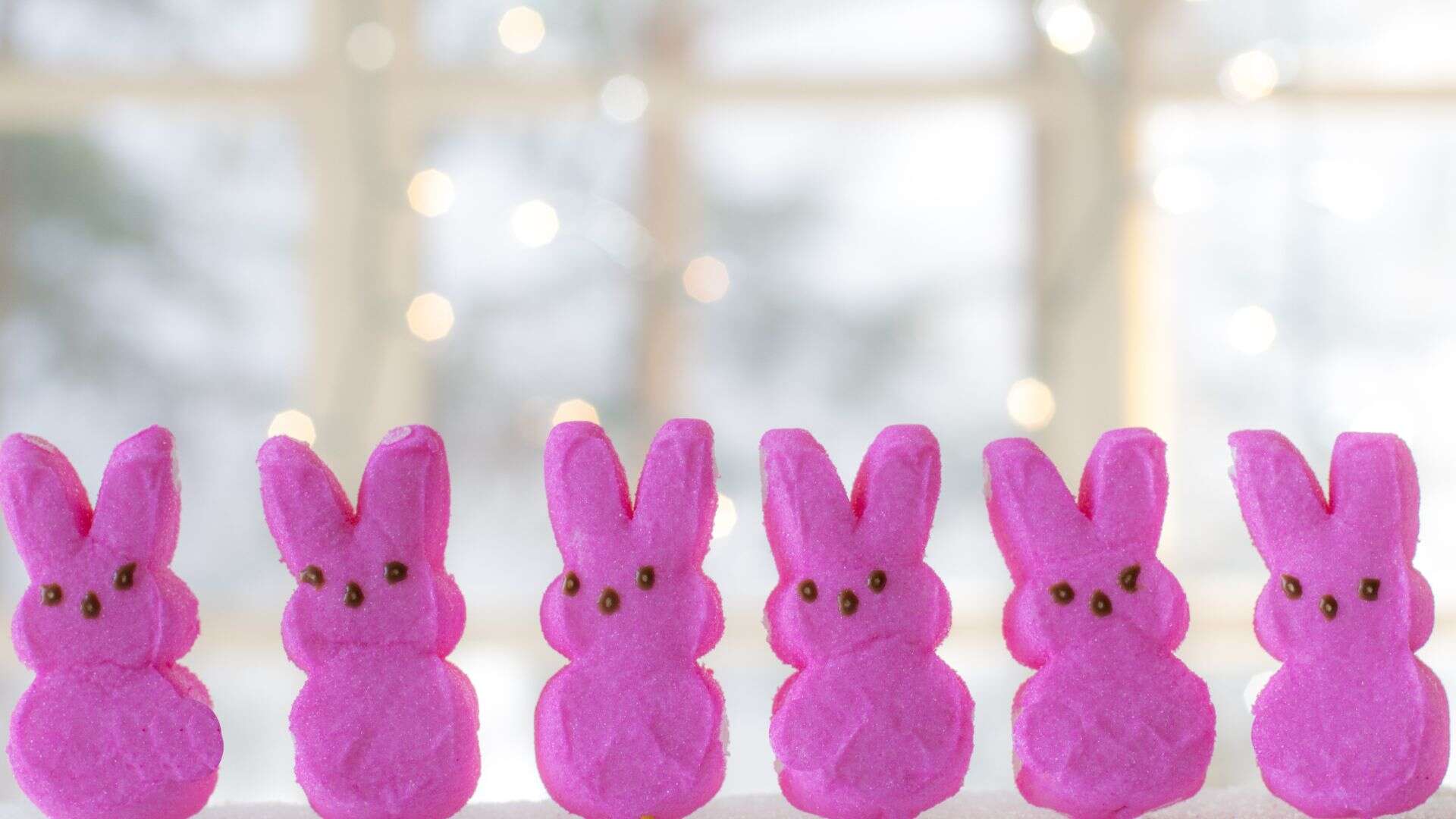
Peeps are marshmallow candies coated in colored sugar, most commonly shaped like chicks or bunnies during spring. The interior is soft and airy, while the exterior adds a crunchy sweetness. They are produced in large quantities for holidays and have quite a fan base.
Cotton candy
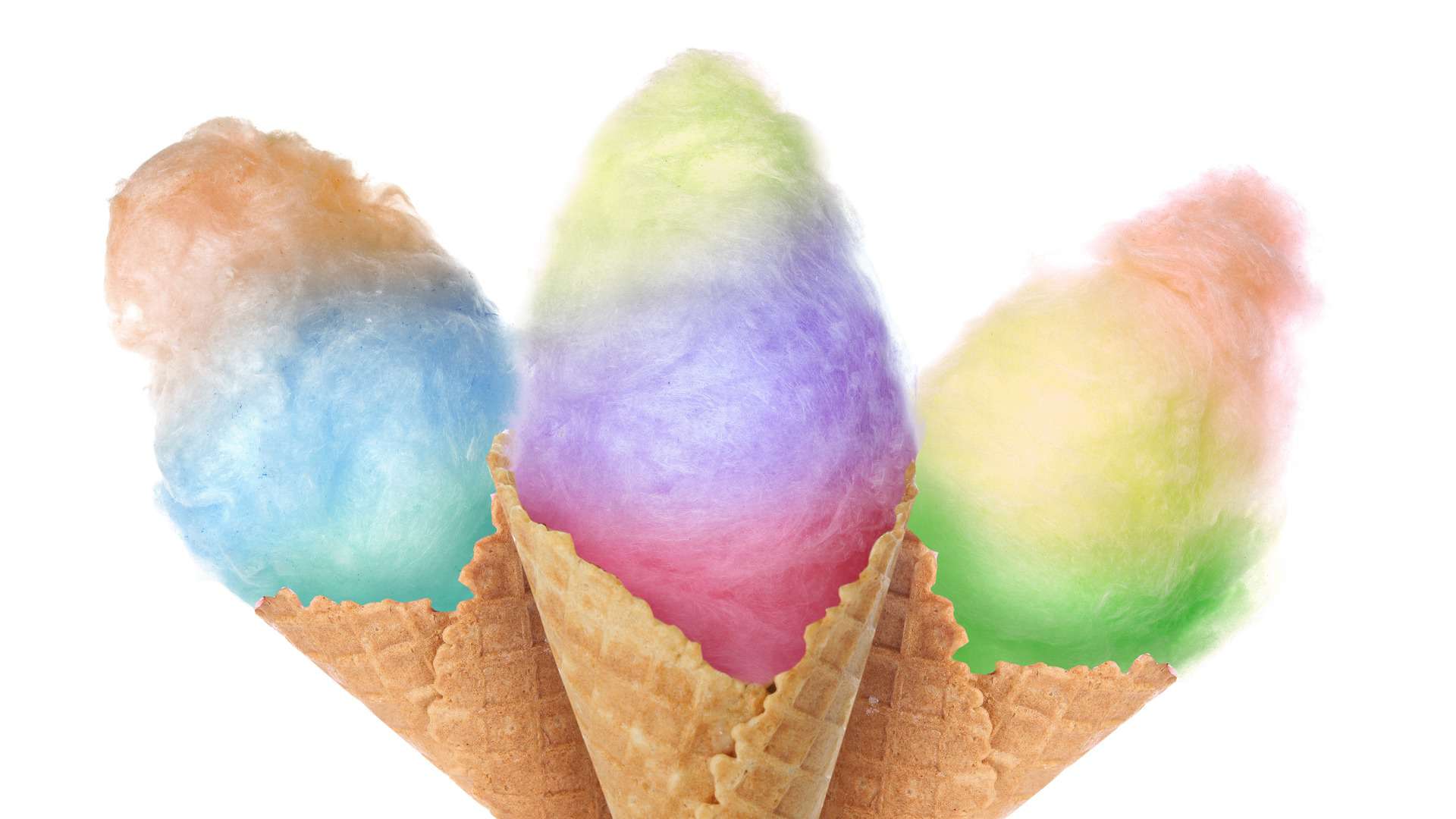
Cotton candy is spun sugar formed into thin strands and gathered into a light mass. It dissolves almost immediately in the mouth, leaving behind pure sweetness with minimal flavor complexity. Often sold at fairs and sporting events, it is less about eating and more about the experience of handling sugar in bright colors and fun flavors.
Why these candies stand out
What makes these candies so confusing is not just flavor. It is context. Americans grow up with these sweets tied to holidays and childhood rewards. Visitors encounter them without that emotional background. When they taste candy corn or Pop Rocks, they are not tasting nostalgia. They are tasting something strange and sometimes overwhelming.
Many people often say the same thing after trying several of these candies. They understand that Americans love them. They just do not understand why. Not only do the textures seem off for many of them, but the flavors aren't the same as what they're used to or what they think they'd be like, either.
These candies were never designed to make sense to everyone. They were created to stand out, and in that way, they succeed. They may not always be enjoyed, but they are rarely forgotten.
Leave a Reply