
Every year, hurricane season reminds us just how fragile daily life can be when storms disrupt power, water, and access to grocery stores. Preparing ahead with a thoughtful stockpile of food is one of the simplest ways to ensure comfort and safety. With a well-stocked emergency pantry, you can have nutritious and versatile foods on hand. Foods with a long shelf life and easy storage make all the difference when you need security and peace of mind.
Canned Foods

Commercially canned foods are one of the most reliable staples in any emergency pantry. Beans, soups, vegetables, and meats can last two to five years, sometimes even longer if the seal remains intact and the can is undamaged. Because they do not require refrigeration, they are perfect during extended power outages.
Canned goods are also versatile and ready-to-use, they offer both convenience and nutrition. Keep a wide variety of meals, so you won't feel it repetitive. To maximize their shelf life, store cans in a cool, dry place and rotate your supply on a regular basis.
Freeze-Dried Fruits
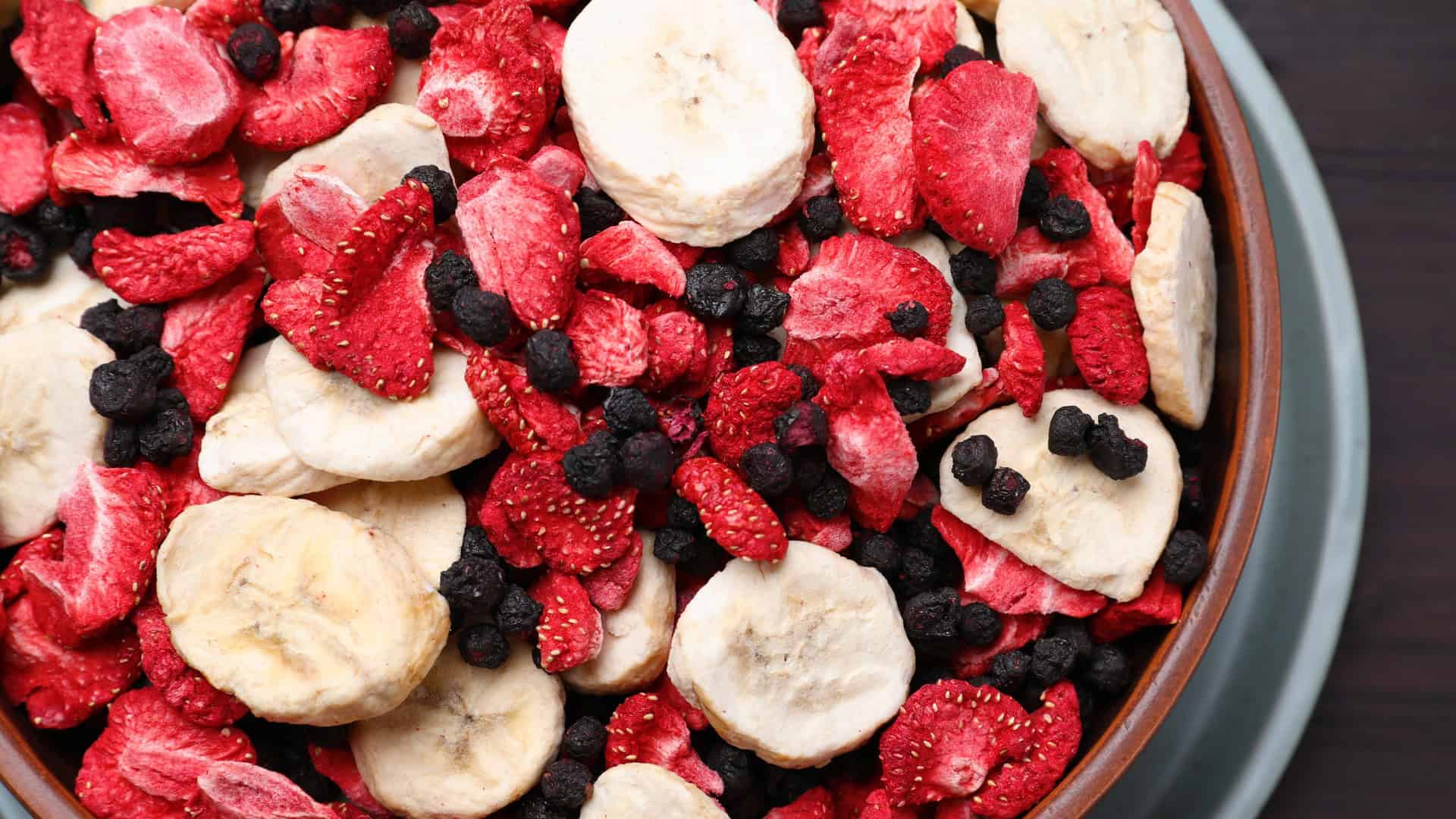
Freeze-dried fruits are among the longest-lasting foods you can store, with a shelf life of up to 25 years when sealed properly. Strawberries, mangos, and apples retain their bright flavors and nutrients even after decades. They can be eaten straight out of the bag, rehydrated for smoothies, or sprinkled into oatmeal for a sweet boost.
Beyond their practicality, they also provide a sense of comfort and normality in stressful situations. Store them in airtight containers with oxygen absorbers in a cool, dark place to maintain their freshness.
Dehydrated Fruits and Vegetables
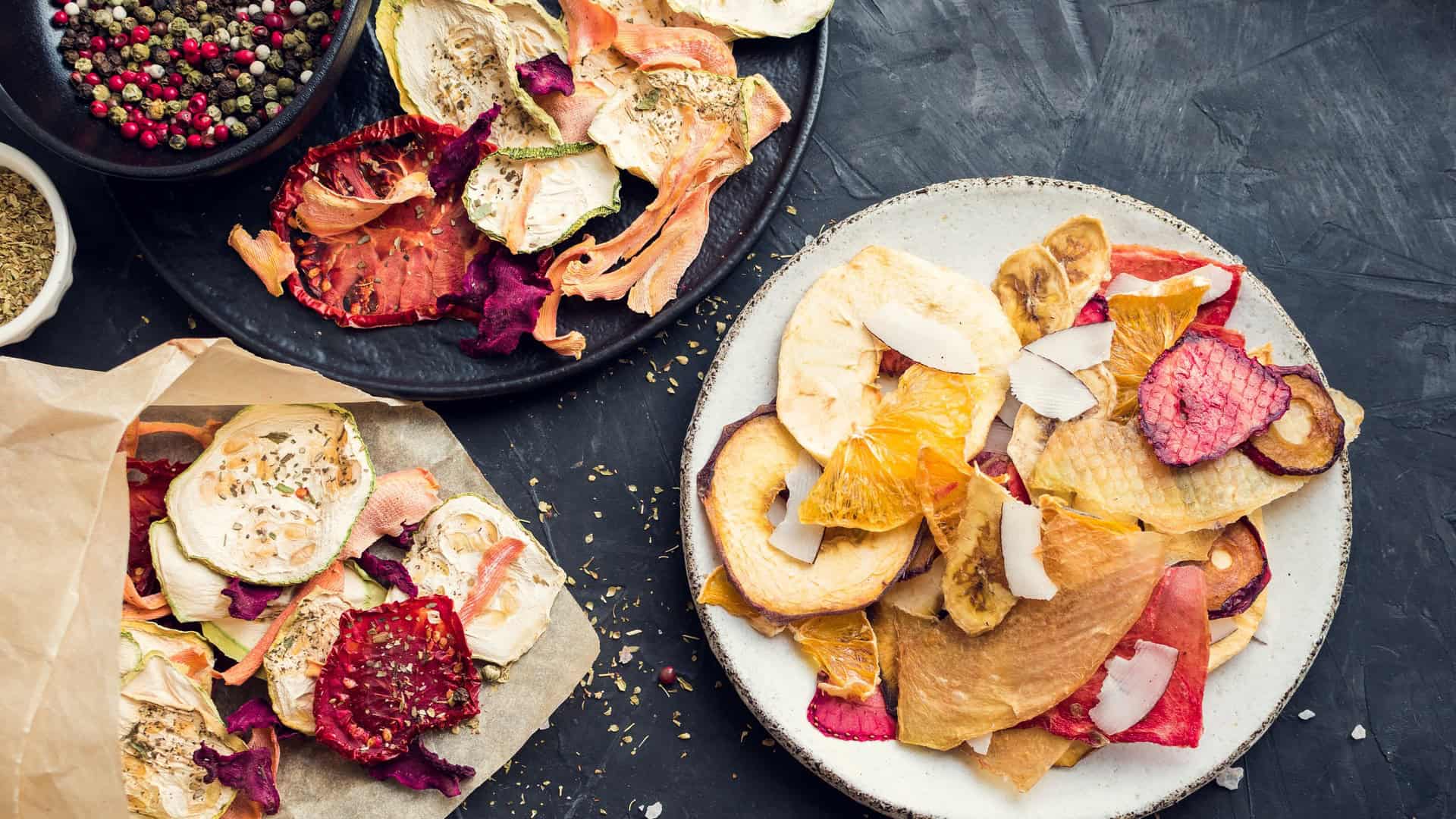
Dehydrated produce can last up to 15 years when packaged in vacuum-sealed bags. Lightweight and nutrient-dense, they are easy to store in bulk without taking up much space. These foods are excellent for soups, stews, or even trail mixes, adding both flavor and sustenance.
They require minimal preparation and are convenient in the event of power loss or limited cooking options. As with most long-term staples, keep them sealed tightly and away from moisture to protect their quality.
Jerky

Jerky is a protein-packed snack that delivers essential nutrition when fresh meat isn't available. Beef, turkey, and even plant-based versions are all durable, lasting one to two years if vacuum-sealed.
We love it because it requires no cooking, so it is a valuable option even during prolonged power outages when stoves and refrigerators are unavailable. Once a package is opened, it needs refrigeration and should be consumed within a week.
Dried Beans
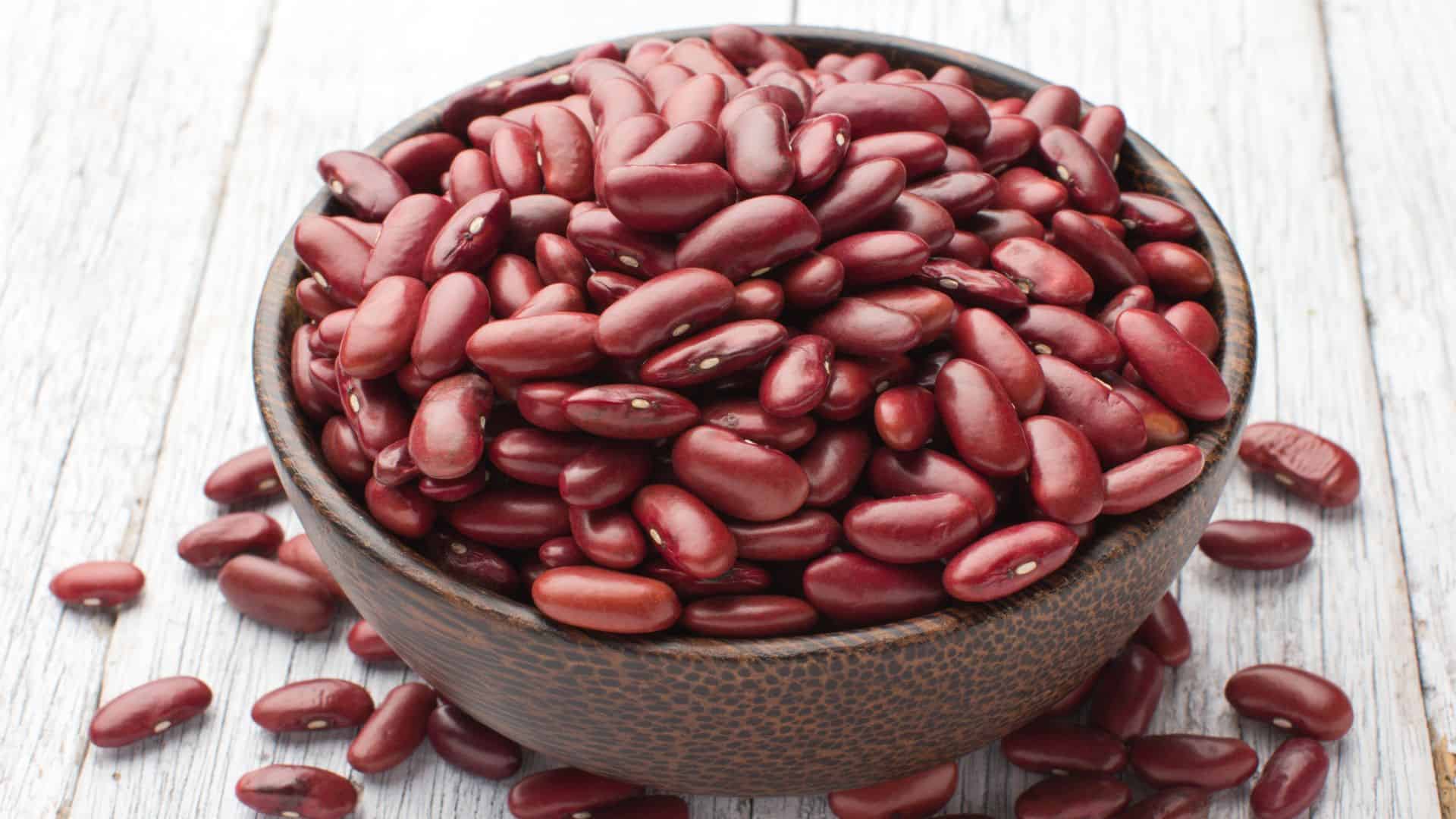
Dried beans are another great, inexpensive option. They are rich in protein and fiber, and a great energy source during turbulent times. With proper storage in airtight containers, they remain usable for about a year, though they can last longer with some decline in texture.
Older beans may require extra time to soften during cooking, but they still provide essential calories and nutrition. They are highly versatile and can be used in soups, stews, and casseroles. While they do require soaking and boiling, even a small supply of fuel is enough to prepare them. In emergencies, they are a reliable way to stretch meals.
Dried Pasta

Dried pasta is another versatile staple with surprising staying power. Most store-bought pasta lasts one to two years, but when sealed with oxygen absorber bags, it can remain edible for up to 20 years.
Pasta pairs well with canned sauces, vegetables, or beans, making it a foundation for countless quick meals. It also cooks relatively quickly. Affordable and widely available, it deserves a place in any hurricane pantry. Its long shelf life and adaptability make it indispensable in times of crisis.
Seeds
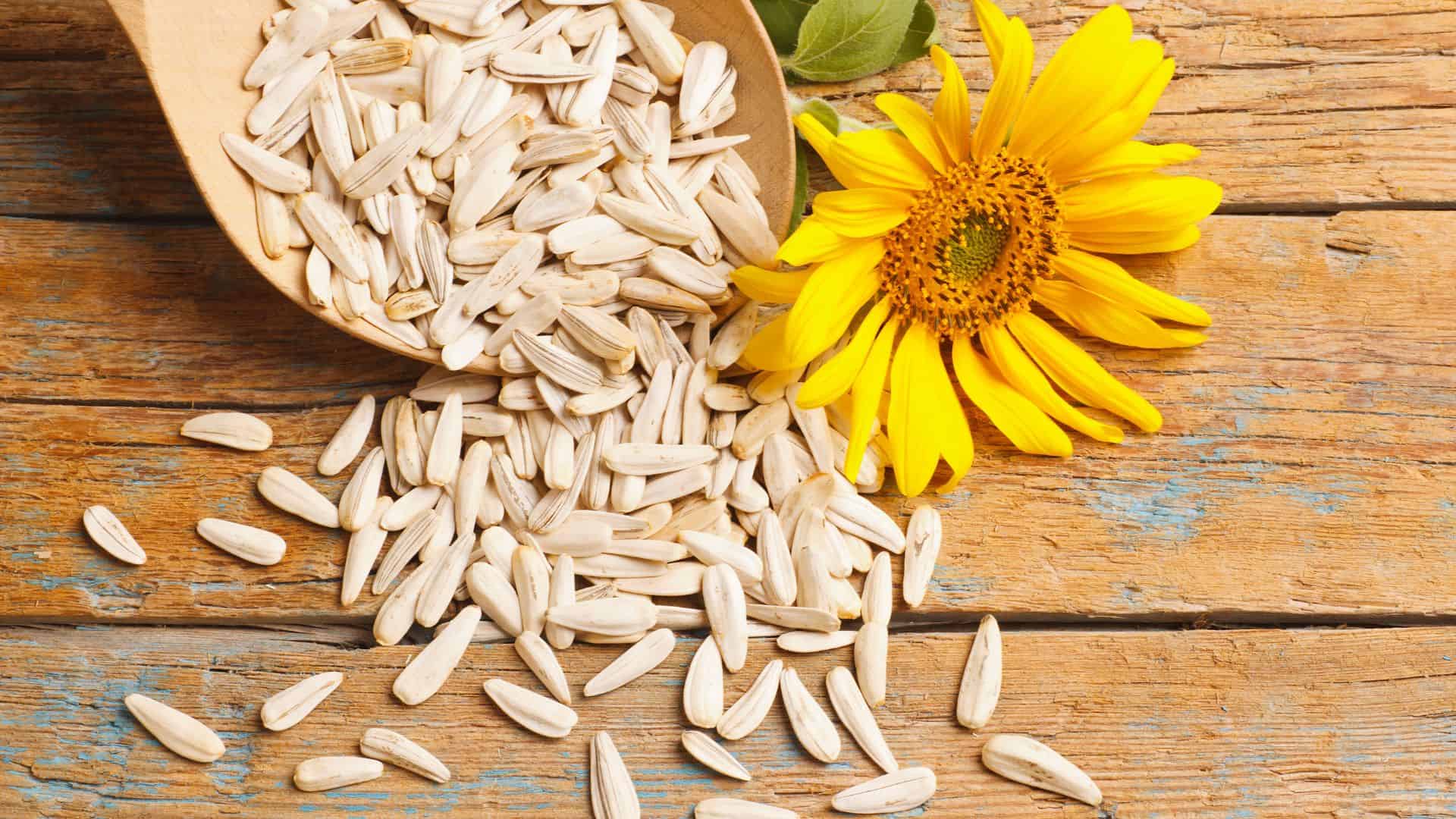
Seeds like chia, flax, and sunflower pack a dense amount of nutrition into a small package. When vacuum-sealed and kept in cool conditions, they can last between two and five years.
They are easy to sprinkle into oatmeal, blend into smoothies, or use in baked goods for extra protein and healthy fats. They are lightweight and easy to store in almost any environment. In stressful times, they provide both energy and balance to your diet.
Nuts

Nuts are calorie-dense and provide essential fats and protein, and are a great energy source. Their shelf life is shorter than that of some other staples, typically lasting about a year at room temperature, although freezing can significantly extend it. Keep them in sealed containers or in their shells, which helps slow down spoilage.
During emergencies, nuts can be eaten on their own, ground into spreads, or added to granola for variety. Their portability also makes them easy to keep in go-bags or emergency kits. While not eternal, their nutrition and convenience make them a valuable addition to a hurricane pantry.
Powdered Milk
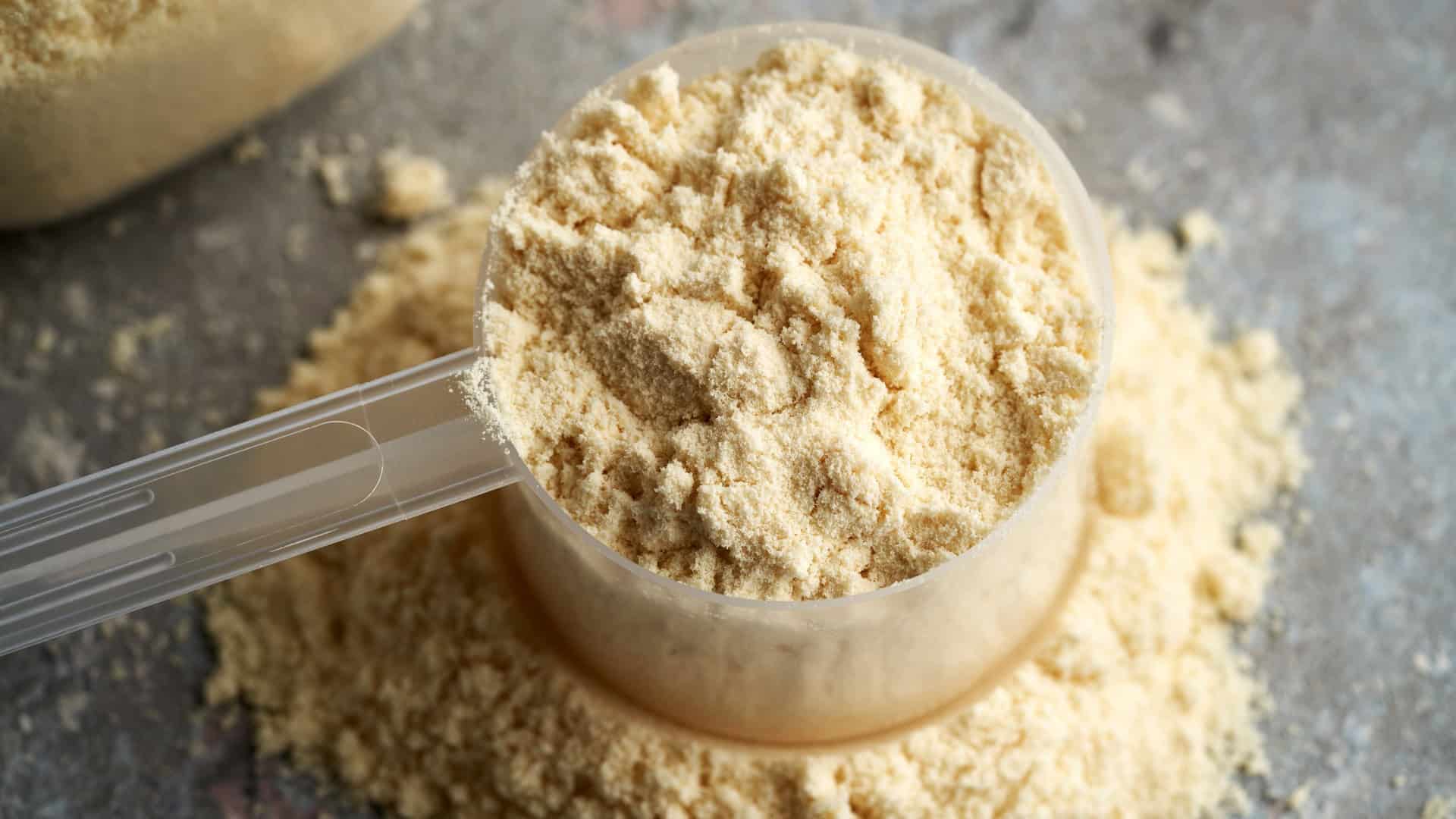
Powdered milk is a reliable alternative when fresh milk isn’t available. With proper storage, it can last up to 10 years, especially when sealed in Mylar bags or large cans. It is versatile enough to use in coffee, cereal, or baked goods, adding comfort and nutrition to basic meals.
Because it reconstitutes easily with water, it’s a practical choice in situations with limited resources. Keeping it in a cool, dry place extends its life and preserves its flavor. For many households, powdered milk is an underrated but essential staple.
White Rice

White rice is one of the most reliable long-term staples available. With the bran and germ removed, it can last indefinitely when stored in a cool, dry place. It is inexpensive, widely available, and forms the base of countless meals, from stir-fries to soups.
Rice is also filling, which is especially important during uncertain times. It pairs well with nearly every pantry item, it is indispensable for hurricane readiness. A supply of white rice ensures you can always prepare a substantial meal.
Leave a Reply