
The poster, a 29-year-old man, made dinner plans with five friends for 7:00 pm on a Friday, with everyone confirming that morning. He arrived a little early to secure a table and grabbed a drink while he waited. By 7:20, no one had shown up, so he texted the group. The only response, half an hour later, was a vague message saying someone was running a little behind, with no explanation or ETA. After waiting another 20 minutes, he ordered an appetizer to eat alone, waited a bit longer, then paid his bill and went home, having sat there for roughly 90 minutes with almost no communication from the group.
About 20 minutes after he got home, his phone started buzzing. His friends had all arrived around 8:30 and were annoyed to find him gone, saying he should have waited since they were all together and assumed he knew they were on their way. He replied that he would have stayed if someone had simply kept him updated. Now some of his friends are telling him he overreacted and ruined the night, and he's asking Reddit whether leaving was the wrong call.
"They think so little of you that they're willing to have you sit around for 90 minutes without any consideration for you. And then they're upset because you left? Nothing you've described here says these people are friends who like and respect you. You deserve better." That reaction reframes the whole situation. It's not really about a missed reservation or a late arrival, according to this commenter, but about what 90 minutes of silence says about how much the group values his time in the first place. Being annoyed that he left is almost more telling than being late.
Another user offered a theory about why the group might have gone quiet in the first place: "I almost want to guess that they probably weren't planning on going unless they knew certain other members of the group were, and were waiting until they found that out." It's speculation, but it points at a familiar group dynamic, where commitment to plans depends less on the plan itself and more on who else confirms first. If that's what happened, the poster wasn't necessarily forgotten so much as deprioritized while the group sorted out its own logistics without looping him in.
A different reply laid out a personal policy for exactly this kind of situation: "15 mins rule. The other person/people don't show up within of the time of the meet up, and failure to communicate, you get I get out of there. Cause the most valuable thing in life is time." This comment shifts the conversation from what happened at this specific dinner to a broader principle worth having going in. A firm personal limit, paired with a low tolerance for silence, removes the guesswork the original poster clearly struggled with while he sat there wondering if he'd misunderstood the plan.
What actually counts as too late
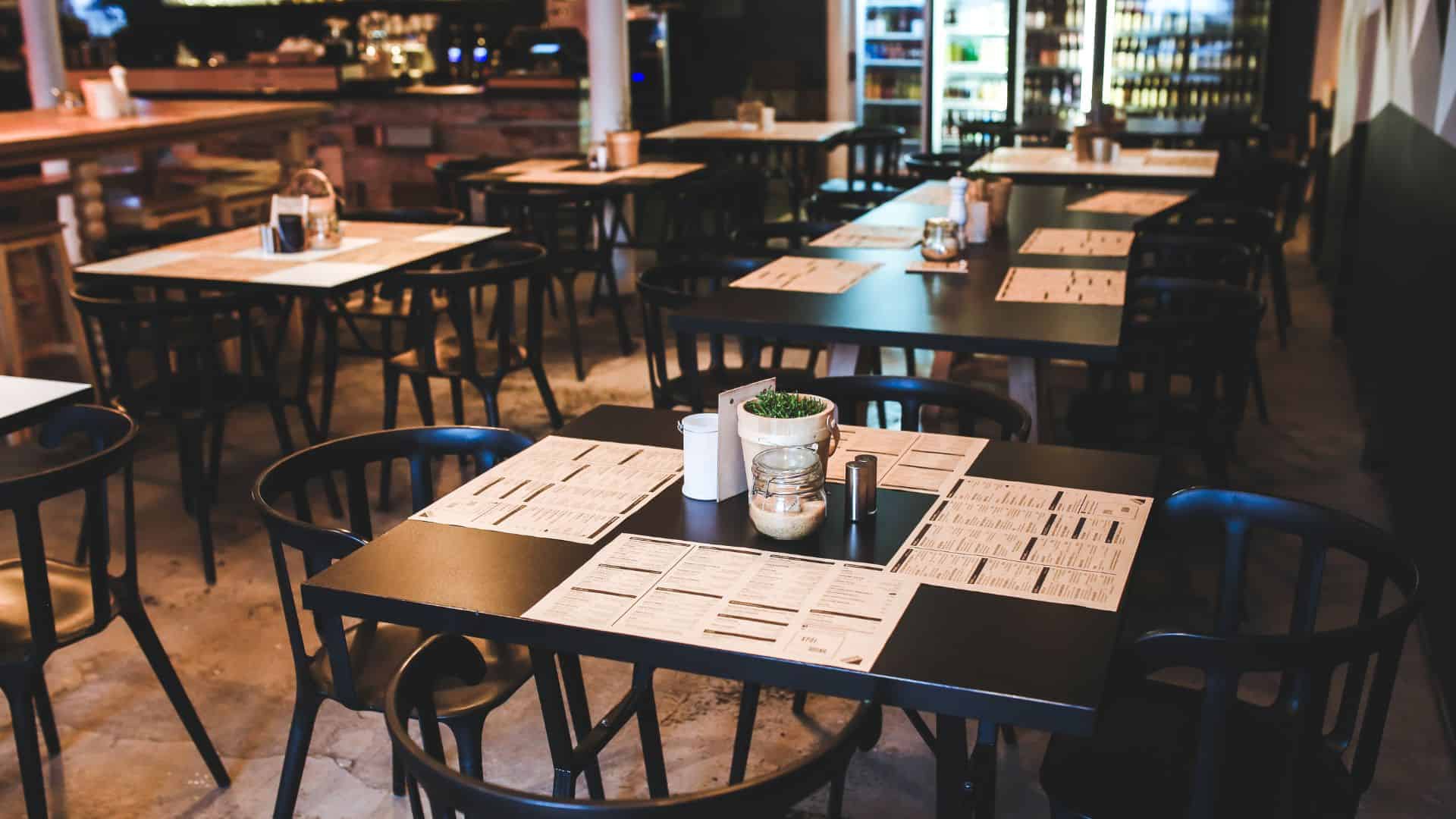
Every friend group ends up with an unspoken understanding of how late is too late, and most people never actually talk about it until a night like this forces the issue.
What counts as late isn't fixed. A casual hangout at someone's place can absorb a thirty-minute delay without anyone blinking, while a dinner reservation or a time-sensitive plan has a much tighter window. Culture and background shape this too, since some social circles treat a loose relationship with time as normal, while others consider it a basic sign of respect to be close to on time.
None of that variation matters much, though, if there are communication issues. Running behind means almost nothing on its own. What actually helps is a specific update the moment you know you'll be late. That gives the other person a concrete timeframe to plan around, rather than an open-ended guess. A vague message with no ETA does the opposite. It leaves someone sitting there wondering whether to keep waiting or cut their losses, which is exactly the position this poster found himself in.
Setting a personal limit, whether it's 15 minutes or 30, is a way to protect your evening from turning into an open-ended waiting game.
Leave a Reply