
Most of us have been thinking about hydration the wrong way for years. It's not just a water bottle habit; it's a full picture that includes what you eat, what you sip, and what works against you throughout the day. Once you see it that way, the whole thing gets a lot more manageable.
The eight glasses a day rule has been around so long that nobody questions it anymore. It's not wrong exactly, but it's incomplete. A significant portion of daily hydration comes from food, not from drinking anything at all, and what you choose to drink matters as much as how much of it you consume.
What actually counts toward hydration
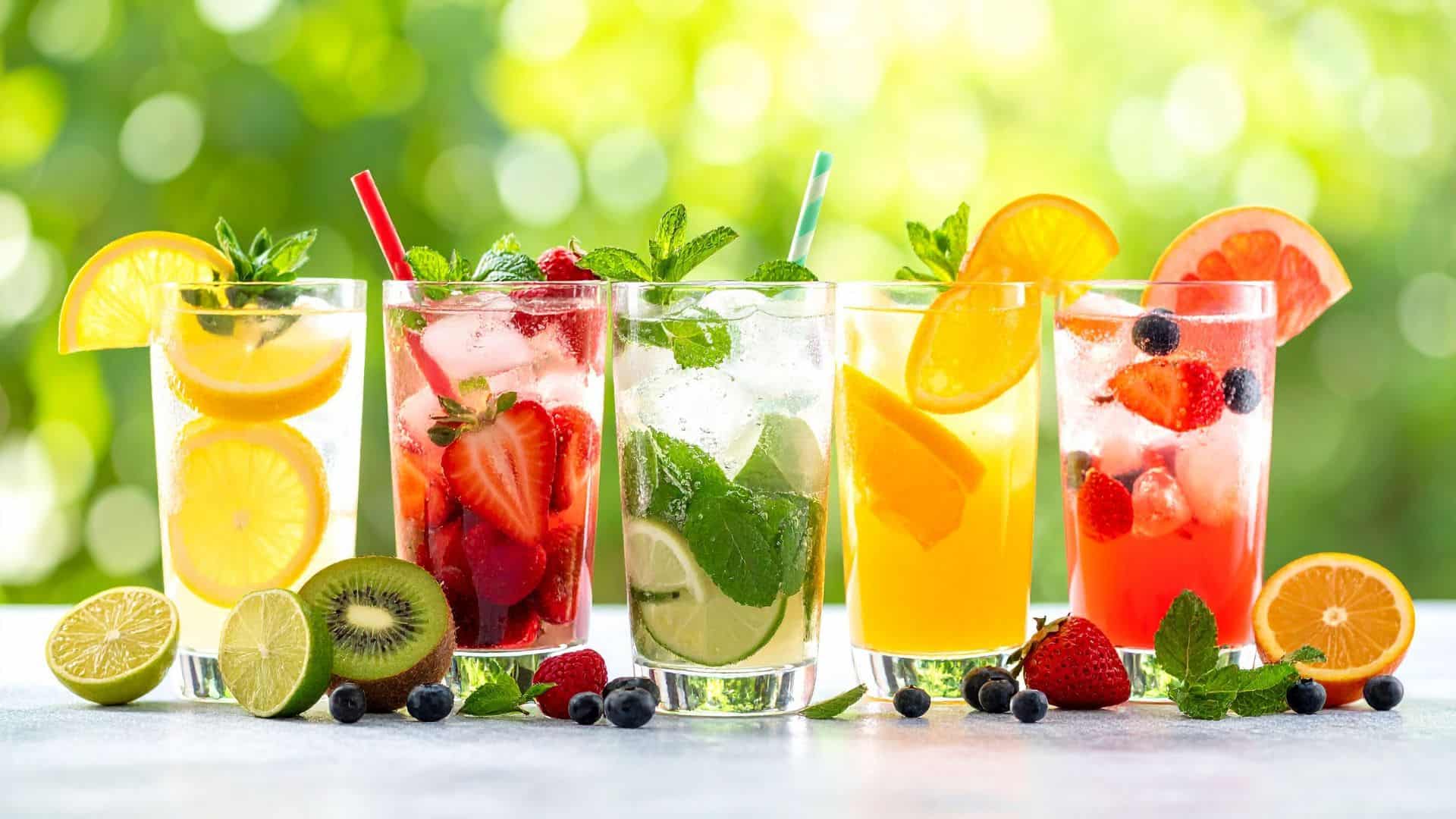
Fresh fruits and vegetables are doing quiet, consistent work that most people never credit. Watermelon, cucumbers, oranges, strawberries, celery, and tomatoes all carry high water content. A bowl of sliced fruit in the afternoon, a salad at lunch, a broth-based soup at dinner: all of it contributes meaningfully to how hydrated you feel by the end of the day.
Coconut water has earned its reputation as a solid hydration option because it carries natural electrolytes, the minerals that help the body actually hold onto and use the fluid it takes in. Herbal teas, cold or hot, count too. Milk, whether dairy or a fortified plant-based version, hydrates well and provides additional nutrients. The idea that only plain water hydrates is one worth setting aside.
What works against you
Alcohol is one of the more reliable saboteurs of hydration. It signals the kidneys to release fluid rather than retain it, which is why waking up after a night out feeling parched is not in your imagination, and why one glass of water before bed rarely fixes it.
Coffee is worth moderating, too. It has a mild diuretic effect, and leaning on it heavily throughout the day without balancing it with other fluids can leave you dehydrated.
Heavily sweetened sodas and energy drinks present a different issue. The sugar load they carry can work against the hydration you were reaching for. Sports drinks occupy a more nuanced position: genuinely useful during sustained physical activity, but largely unnecessary and fairly sugary for everyday use.
The signals worth paying attention to
Thirst is a late signal. By the time it registers clearly, the body is already behind. Afternoon fatigue without an obvious cause, a mild headache, difficulty focusing, and skin that feels tight are all earlier indicators that fluid intake has slipped.
Urine color is one of the more practical self-checks available: pale yellow is the target, dark amber is a prompt to drink something, and completely clear can signal that you have overdone it.
My favorite ways to hydrate that aren't water
Watermelon juice is at the top of the list. It hydrates fast, it's naturally sweet without any added ingredients, and blending it takes about 2 minutes. Cold-pressed or freshly squeezed lemonade made with real citrus and no added sugar is another one I reach for constantly. The tartness makes it feel more satisfying than plain water, and it needs nothing else.
Strawberries, blueberries, and raspberries are mostly water by weight, and eating a generous bowl of them in the afternoon is a more pleasurable way to top up fluid levels than reaching for another glass of water. Tomatoes work the same way. I love eating thin slices of a good tomato with a little salt and basil, or a bowl of cherry tomatoes.
Sparkling water with a splash of fresh citrus juice is the everyday option I keep coming back to. It feels like a real drink without the sugar. Cold hibiscus tea, tart and deeply colored, is another staple I keep, particularly in the summer.
And then there are alcohol-free cocktails, which have become a genuine pleasure rather than a compromise. Watermelon juice with fresh mint and a splash of lemon juice over ice is the one I make most often. A sparkling water with muddled cucumber, lime, and a few basil leaves works just as well. The point is that hydrating well doesn't have to mean drinking something boring, and once you start mixing things up, plain water starts to feel like just one option among many.
Leave a Reply