
Across the country, Americans are reaching for something a little fancier, a little more indulgent, and a little more intentional at mealtimes. It is not about splurging wildly or abandoning all sense, but finding a few moments of pleasure in an otherwise ordinary Tuesday.
Many of you must know this grocery store moment well. You are standing in front of the baked goods case or the fancy chocolate display and decide to pick up something just a little more special than what you normally buy. Not because you are celebrating anything. Not because anyone is coming over. Just because it feels like the right call today. That impulse has a name now, and the food industry is paying very close attention to it: "everyday escapism".
Everyday escapism is reshaping the way Americans shop for food, order at restaurants, and think about what they deserve on a regular weekday afternoon. The core idea is that people are no longer reserving the good stuff for special occasions. They are weaving small, sensory pleasures into the fabric of regular life, treating a beautiful pastry or a really good bar of chocolate not as a reward for something earned, but simply as part of how they want to live.
Why people stopped saving the good stuff for later
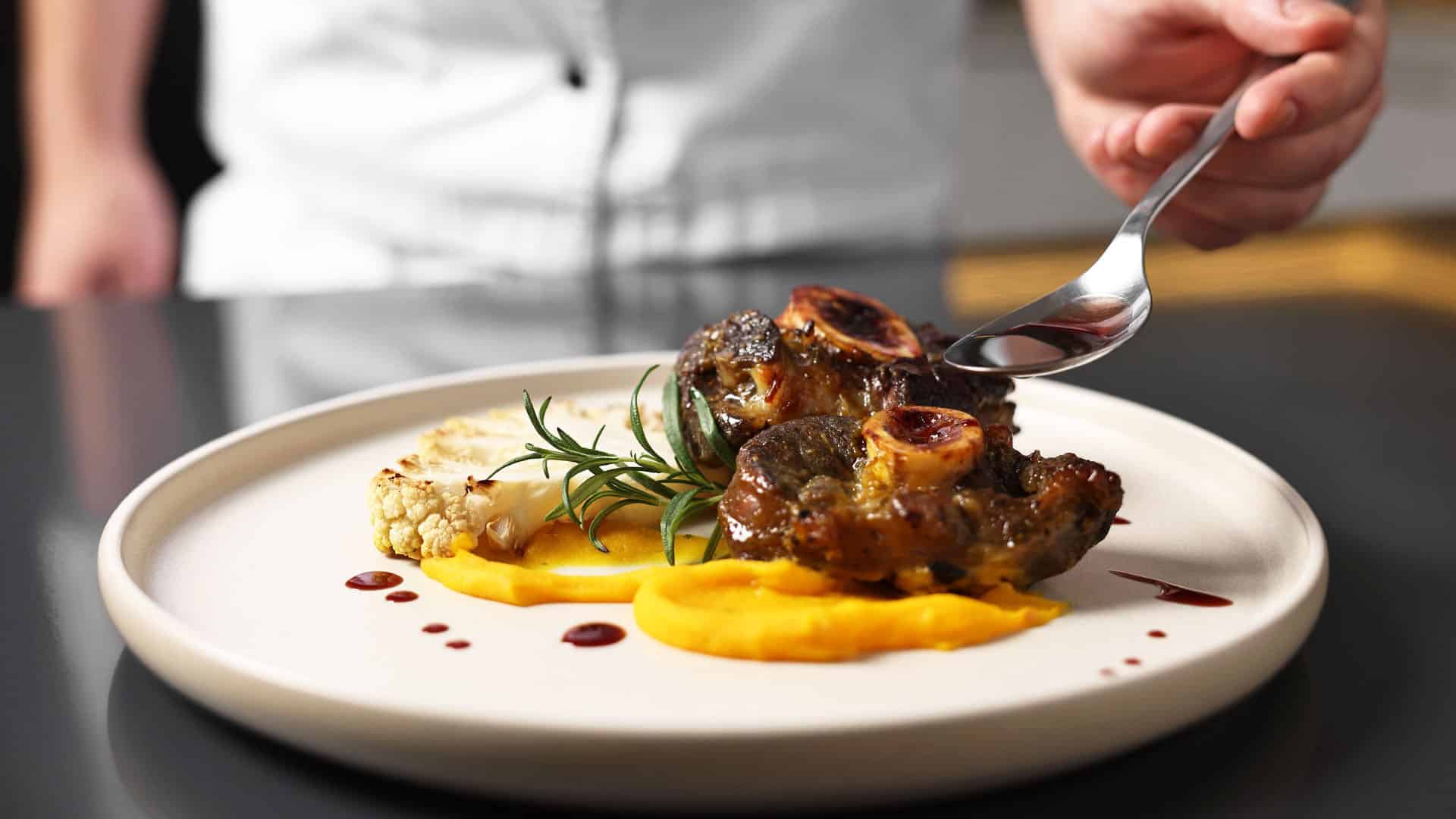
For a long time, American food culture ran on a model of delayed gratification. Buy the fancy wine for a dinner party. Order the elaborate dessert for an anniversary. Indulgence had a gate around it, and the gate required an occasion.
What we are seeing now is that the gate is swinging open much more regularly, and food brands are scrambling to meet people on the other side.
Part of what is driving this is a broader cultural shift in how Americans relate to the present moment. Uncertainty, busy schedules, and the general noise of contemporary life have nudged people toward finding comfort and pleasure where they can, right now, rather than holding out for some future version of events.
Food, with its immediacy and its sensory power, turns out to be the perfect vehicle for that. A really good croissant from a local bakery, a single-origin chocolate square savored with an afternoon coffee, a tub of better-than-usual ice cream eaten on a Wednesday evening: these are tiny but deliberate acts of choosing quality over habit.
What everyday escapism looks like at the grocery store and beyond

The food industry spotted this shift early, and the evidence is evident in how grocery stores now stock their shelves. The premium and "affordable luxury" segments have grown considerably, with products that are better than the everyday baseline but still accessible enough to justify without a special occasion.
Think small-batch jams, imported cookies sold in smaller portions, high-end sparkling waters positioned right next to the standard options. The message embedded in the packaging is always the same: you can have this today, on a regular day, and it will make that day feel different.
Bakeries and dessert shops have also leaned into this. The croissant craze that swept through American cities over the past few years was not purely about pastry technique, though the technique was genuinely impressive. It was also about giving people a beautiful, perishable, slightly extravagant thing to build a morning ritual around.
Why sweets are central to this trend
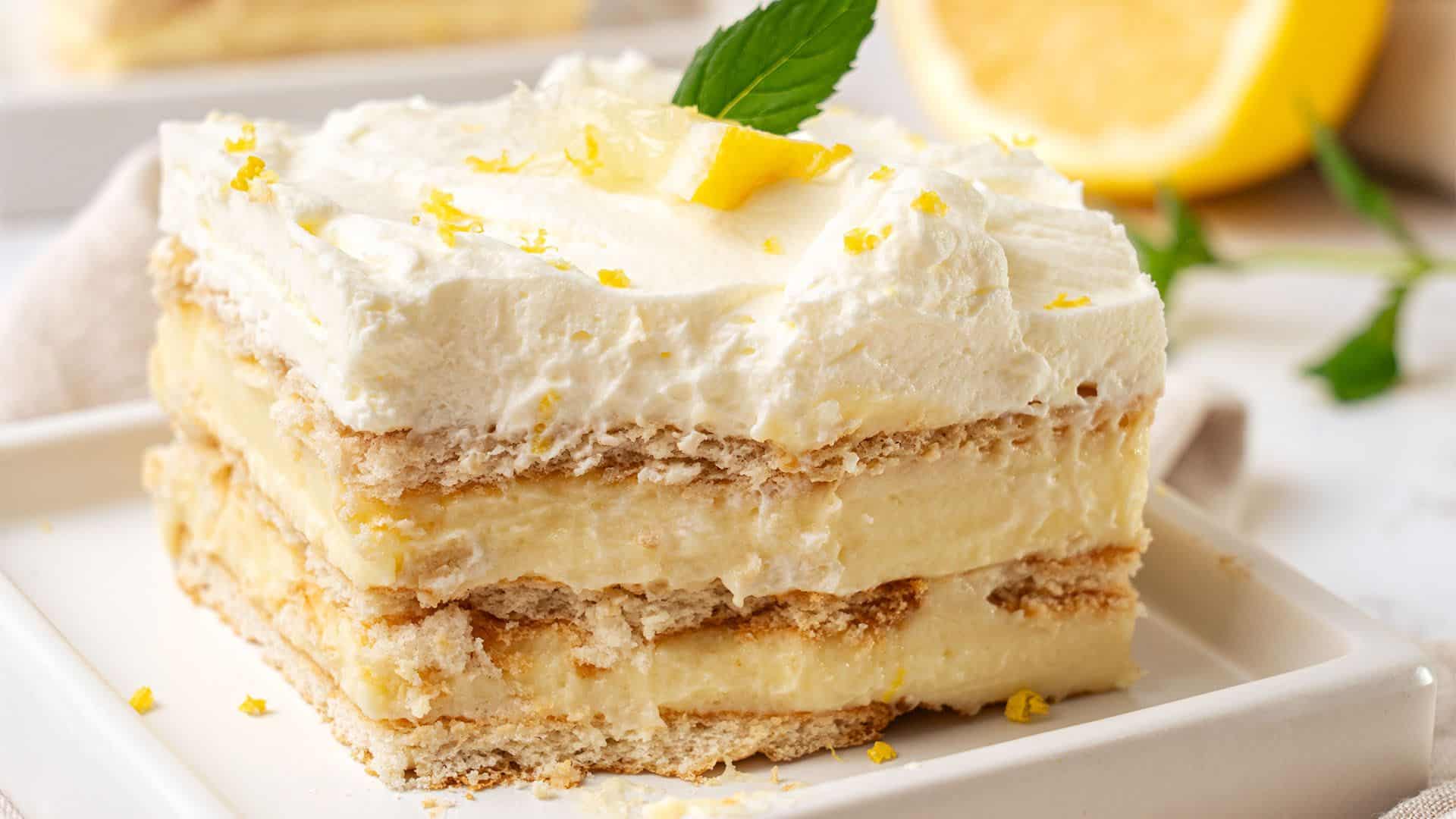
Dessert sits at the heart of everyday escapism in a way that no other food category quite does. Part of this comes down to pure psychology. Sweet flavors trigger associations with celebration, comfort, and care from very early in life, and those associations do not disappear when we grow up. When someone buys a really beautiful slice of cake for no reason on a Thursday, they are tapping into something layered and deeply satisfying.
But there is also a practical dimension to why dessert works so well as an escapist vehicle. It is almost always a standalone experience. You do not need to build a meal around it. No need for other people to participate. A single exquisite chocolate truffle, a carefully chosen macaron, a slice of banana bread from a bakery you have been meaning to try: each of these is self-contained. The pleasure is immediate, the commitment is small, and the payoff tends to be disproportionately large relative to the cost and effort involved.
This is also why the dessert market has responded so energetically to the trend. Bean-to-bar chocolate makers, small-batch caramel producers, and artisan ice cream brands have all found a hungry audience of people who are not looking for an occasion to justify the purchase. They just want the thing to be genuinely worth it.
The best food experiences have always had a little magic in them, and what everyday escapism tells us is that people have decided they do not need a reason to look for that magic on any given day of the week.
Leave a Reply