
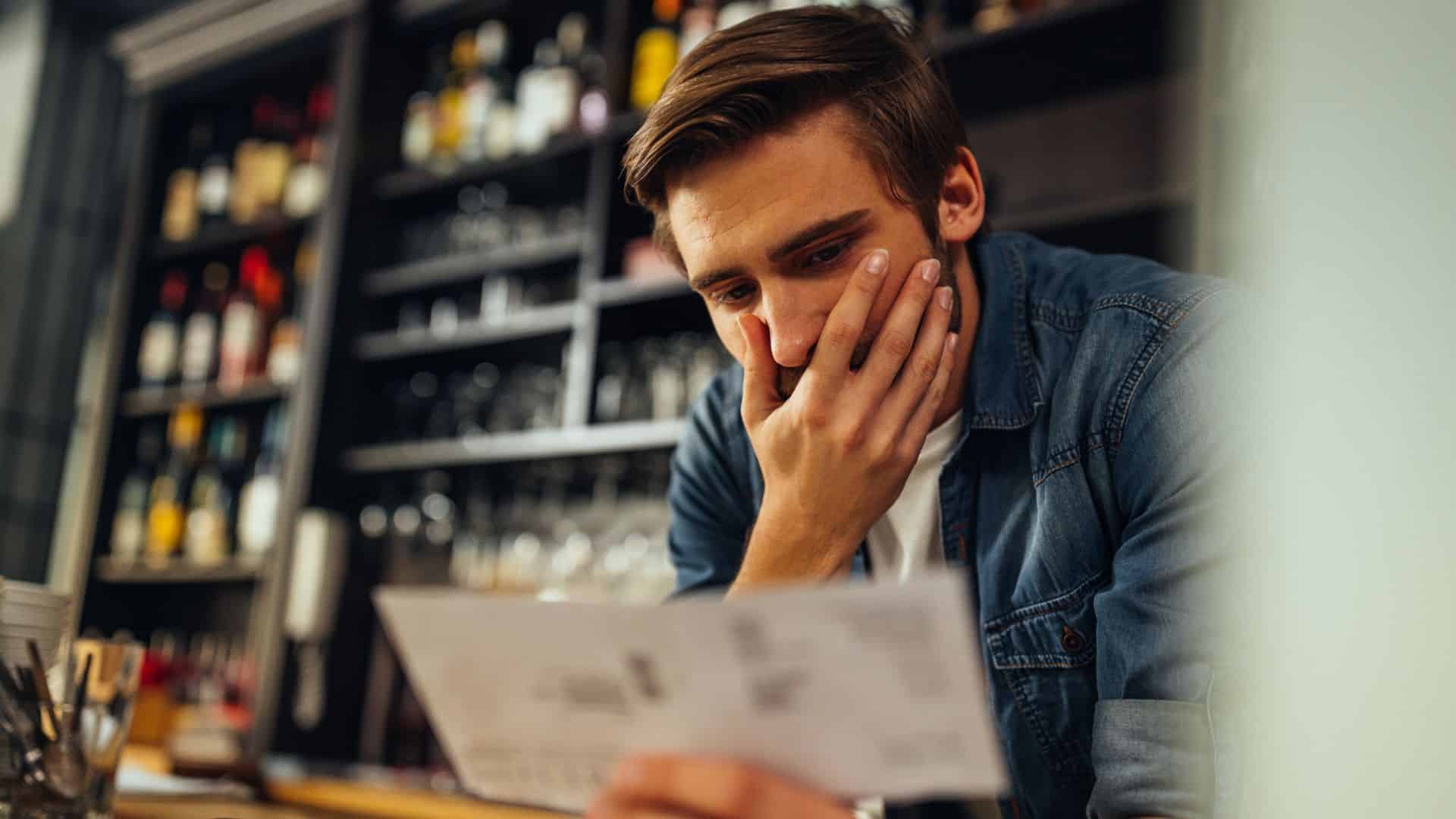
The check arriving at a group dinner is one of the most reliably awkward moments in American dining. Nobody planned for it to be, and yet here we are. These are the rules that should be common knowledge by now but somehow still aren't.
There is something almost comical about a meal going beautifully for two hours, only to hit a wall the moment the server sets down that little black folder. Conversations stall. Phones appear. Someone starts doing math out loud that nobody asked for. Most of this friction is entirely avoidable, and the path around it is simpler than the drama suggests.
Say something before you order, not after
The single most effective move anyone can make is to name the plan at the start of the meal. If you want to split evenly, say so when everyone sits down. If you're covering the birthday person, announce it early so they can actually enjoy themselves instead of spending the evening calculating their share.
Most restaurants can accommodate split checks with no trouble at all, but that conversation belongs at the beginning, when the server first comes over, not at the end when the kitchen is turning tables, and everyone is already reaching for their coat.
The one who ordered the lobster problem
Even splits work beautifully when everyone orders in roughly the same range. They become a source of genuine resentment when one person has a $14 pasta dish, while the person next to them orders a $52 wagyu special and two cocktails.
The socially aware thing to do, if you are the person who ran up the tab, is to offer to cover a larger portion without making a production of it. A simple "let me throw in a bit more" lands better than forcing a strict even split and leaving someone to absorb a bill that doesn't reflect what they consumed.
Venmo did not make this easier
The arrival of payment apps was supposed to simplify everything. In some ways, it did. In others, it introduced a new set of frictions nobody anticipated. Sending someone $23.47 at the table while the server is still hovering is efficient, but requesting money from a friend three days after dinner, with a line-item memo, reads as aggressive in a way that cash never did.
The better approach is to settle up at the table, in the moment, and to round generously rather than to the cent. Nobody's friendship was ever strengthened by a Venmo request for $6.13.
When someone offers to treat the whole table

Accepting graciously is its own skill. If a colleague, a family member, or a friend picks up the check, the correct response is a genuine thank-you, not a prolonged protest that holds everyone at the table hostage while you insist on contributing. One polite offer to help is appropriate.
After that, let it go and make a mental note to return the gesture another time. The person treating made a decision; honoring it is the respectful thing to do.
The food, the company, the conversation: those are what anyone will remember. Getting the check right is just the last act of being a good guest.
Leave a Reply