
Most baking failures don't happen in the oven. They happen in the first two minutes: cold ingredients pulled straight from the fridge.
When a recipe tells you to bring your butter, eggs, and cream cheese to room temperature before you begin, it is not a suggestion buried in the fine print. It is one of the most consequential instructions on the page, and skipping it is one of the most reliable ways to undermine an otherwise well-executed recipe.
The science behind it is not complicated, but once you understand what is actually happening in your mixing bowl, you will never reach for cold butter again.
What room temperature really means for your batter
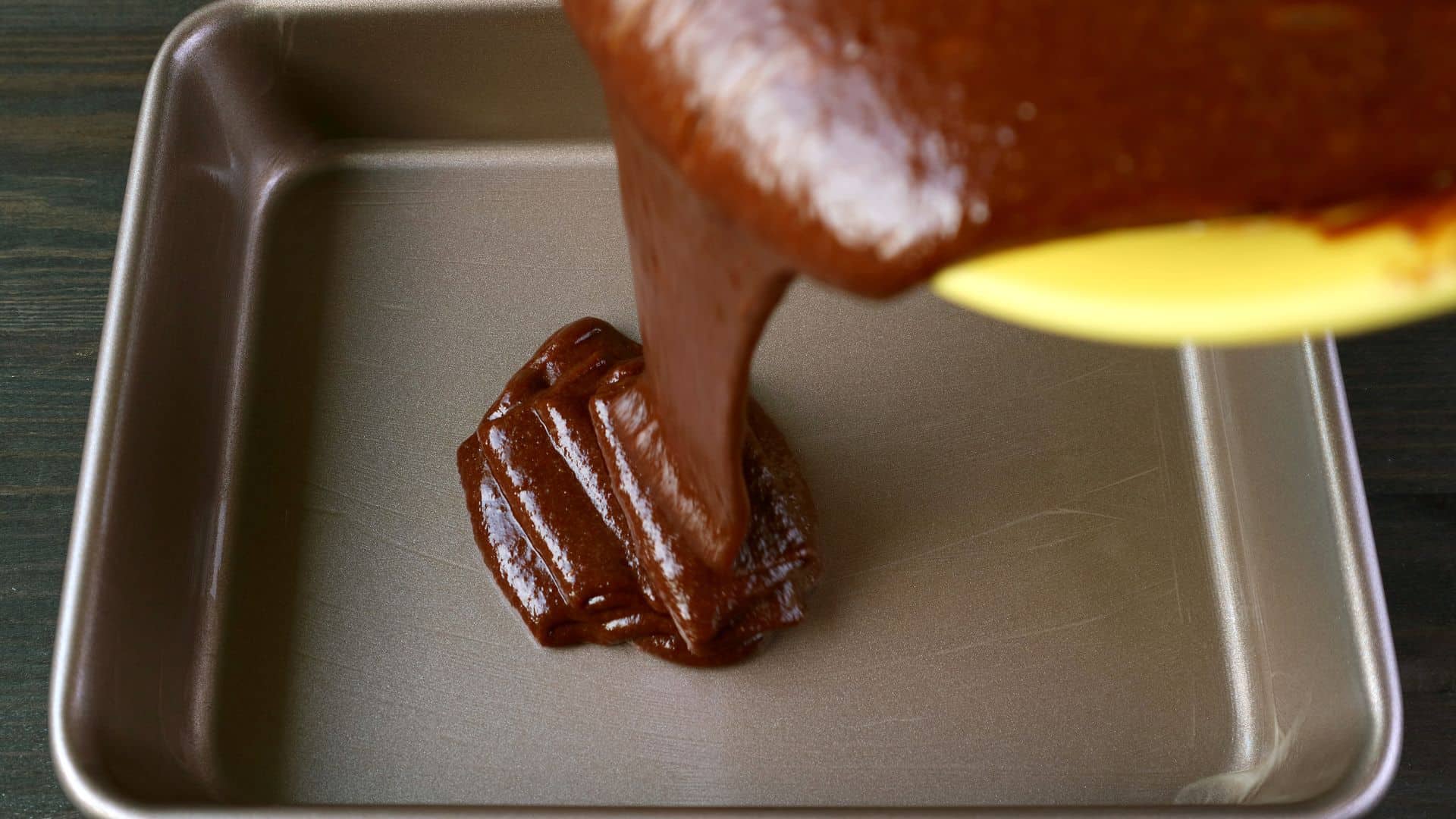
Baking is, at its core, an exercise in emulsification. When creaming butter and sugar together, you are not just combining two ingredients but building a network of tiny air pockets that will give your cake its lift and its crumb. Cold butter is too firm to do this properly. It resists the sugar instead of incorporating it, and the result is a dense, uneven batter that no amount of extra mixing time will fully correct.
The same principle applies to eggs. Adding cold eggs to creamed butter can cause the mixture to seize and curdle because the butter fat solidifies on contact with the cold. A curdled batter is not entirely ruined, but it has lost some structural integrity, and the finished cake will often show it in its texture.
Room temperature for baking purposes is between 65 and 70 degrees Fahrenheit. At that range, butter is pliable but not greasy, eggs blend seamlessly into fat without shocking it, and dairy ingredients like sour cream or cream cheese loosen just enough to fold into a batter without creating lumps or streaks.
For eggs, a bowl of warm tap water for 10 minutes does the job without cooking them.
Butter is an ingredient that goes too far in the other direction, causing its own set of problems. Butter that has gone too soft, or begun to melt at the edges, will not hold air when creamed. The resulting batter will be greasy and flat, and cookies made with overly soft butter will spread too much in the oven.
Wondering how to soften butter quickly? Whether you cube, grate, pound the butter, or cover it with a warm bowl, the key is to reach the right consistency: when you press it with your finger, it should make a slight indentation, but your finger should not sink into the butter.
Why cream cheese and dairy deserve the same attention
Cheesecakes and frosted layer cakes are two of the most common casualties of cold dairy ingredients. Cream cheese pulled straight from the refrigerator will not blend smoothly, no matter how long you run the mixer. The finished cheesecake may look fine on the outside, but it still has a grainy, uneven texture on the inside.
Sour cream, buttermilk, and whole milk all behave better at room temperature. Cold dairy can tighten a batter and cause it to look curdled or split, particularly in recipes that rely on the chemical reaction between an acid and baking soda. When the dairy is too cold, that reaction is sluggish, and the rise you were counting on becomes inconsistent.
The fix requires almost no effort. Pull your dairy ingredients from the refrigerator an hour before you plan to bake. If you forgot, place your sealed cream cheese block in a bowl of warm water for 15 minutes.
The important exception: pie crust and pastry
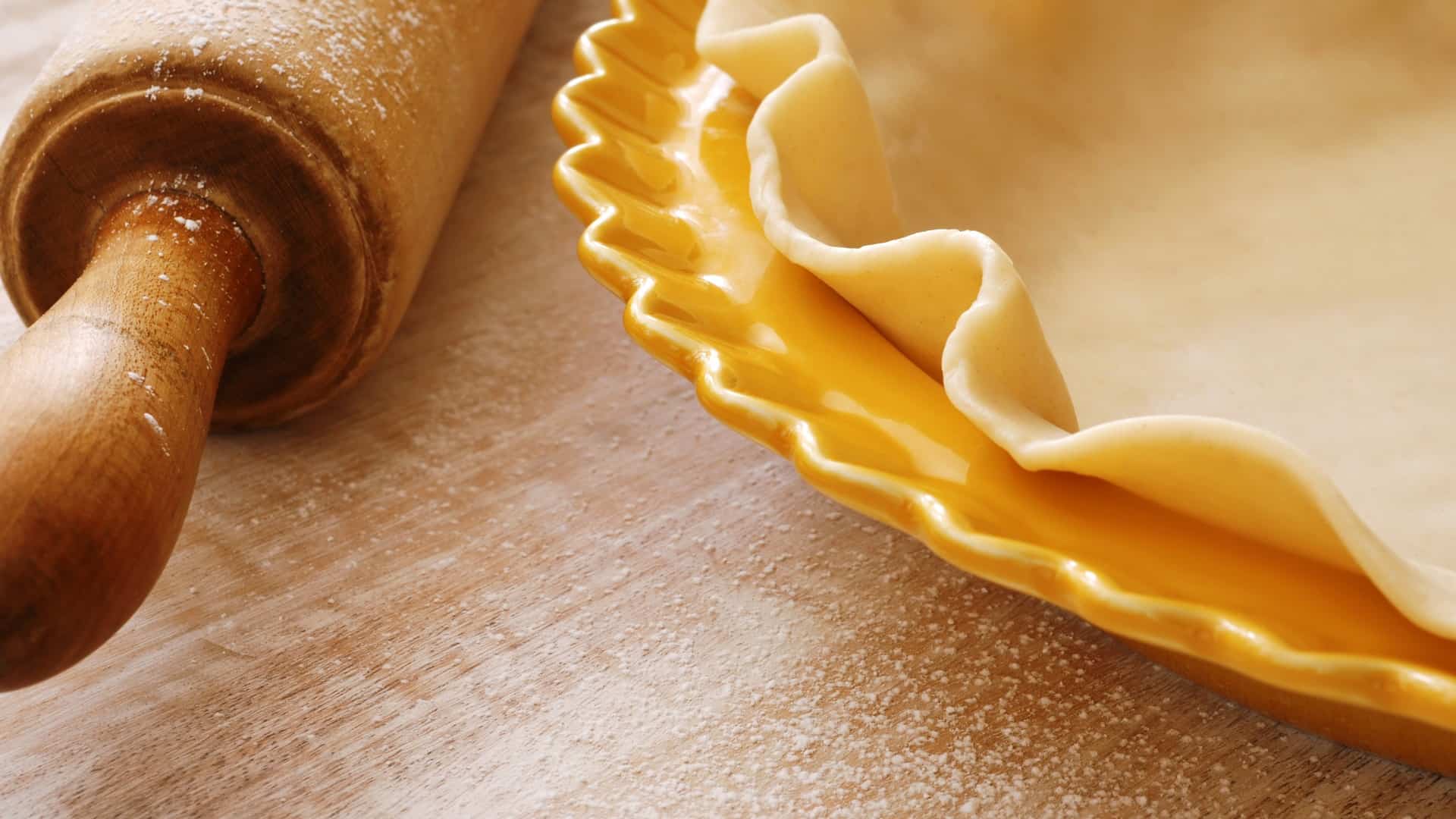
Everything above applies to cakes, cheesecakes, quick breads, and cookies. Pie crust and other pastry doughs operate under entirely different rules, and confusing the two is where many home bakers go wrong.
In a pie crust, the goal is to keep the butter as cold as possible for as long as possible. Cold butter stays in small, distinct pieces, and when those pieces hit the heat of the oven, they release steam, creating the flaky, layered texture that makes a good pie crust worth eating. Softened butter, by contrast, blends thoroughly into the flour, producing a crust that is more crumbly and dense than flaky.
This is why many pie crust recipes call for ice water and ask you to work quickly. Every second of handling warms the dough, and warmth is the enemy.
Paying attention to ingredient temperature is one of those habits that does not feel dramatic until the day it saves a birthday cake or a holiday cheesecake from a texture no one at the table wanted to talk about.
Leave a Reply