
What is killing your herbs is a combination of moisture, temperature, and airflow problems that are almost entirely preventable once you understand what fresh herbs actually need to survive.
The single most common mistake home cooks make with fresh herbs is storing them the same way they store everything else from the produce section, tossed into the crisper drawer in whatever bag they came home in. That works reasonably well for sturdy vegetables. For herbs, it is a near-death sentence.
Fresh herbs fall into two broad categories that require completely different treatment. Tender herbs like basil, cilantro, parsley, mint, and tarragon are essentially cut flowers. They are still alive when you bring them home, drawing moisture up through their stems, breathing. Treat them like flowers, and they will last.
Hardy herbs like thyme, rosemary, sage, and oregano are more forgiving and can handle refrigerator storage, but they still suffer when sealed in plastic with no airflow. The condensation that builds inside those bags creates exactly the damp, stagnant environment that accelerates decay.
What cold and moisture are actually doing
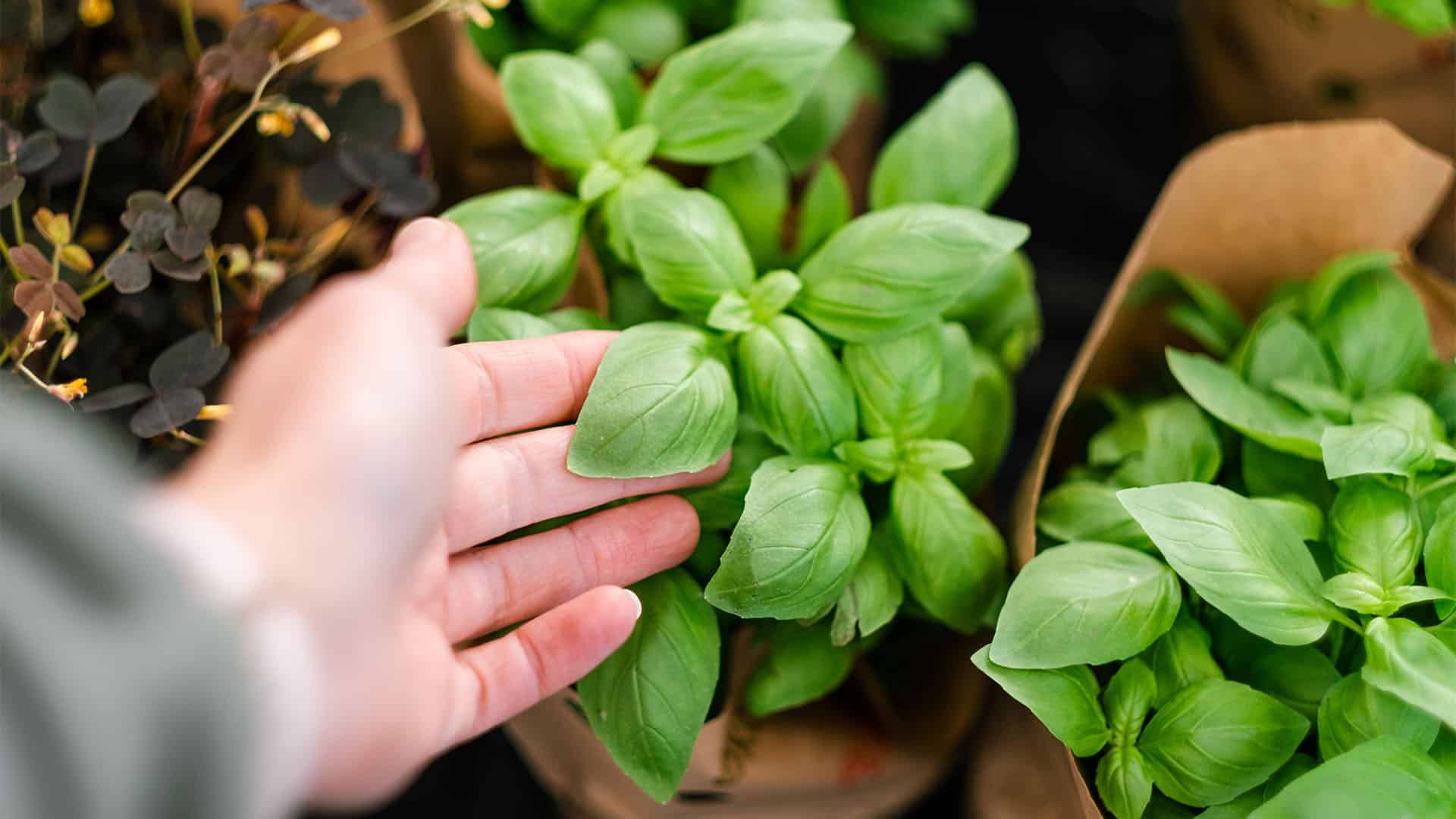
Refrigerators are designed to be cold and relatively dry, which should keep things fresh. For herbs, the reality is more complicated. Basil, which most people reflexively put in the fridge, is actually a tropical plant. Cold temperatures damage its cell walls, which is why refrigerated basil turns black so fast. It is not rotting in the traditional sense. It is experiencing cold injury, and no amount of careful storage in the fridge will prevent it.
For herbs that can handle cold, the problem is usually excess moisture trapped with no escape. When you seal cilantro or parsley in a plastic bag straight from the store, any surface moisture on the leaves has nowhere to go. That standing moisture is where deterioration starts. Add the pressure of leaves packed tightly together, and the process accelerates quickly.
Temperature fluctuations make it worse. Every time the refrigerator door opens, herbs near the front of the crisper drawer experience a small cycle of warming and cooling. Over two days, that adds up.
The fixes that actually work
For tender herbs like parsley, cilantro, and mint, the most effective storage method is also the most intuitive once you think of them as cut flowers. Trim the stems, place them in a glass or jar with an inch of cold water, cover the leaves loosely with a plastic bag, and keep them on the counter or in the refrigerator, depending on the herb. Parsley and cilantro stored this way in the fridge will stay fresh and bright for up to two weeks. Mint does well on the counter. Basil should always stay on the counter, away from direct sunlight and away from cold.
For hardy herbs, the best approach is to wrap them loosely in a slightly damp paper towel, then place them in a container or bag that is not sealed completely. The paper towel provides just enough moisture to keep the herbs from drying out without creating a waterlogged environment that can cause rot. Stored this way in the back of the refrigerator, where temperatures are most stable, thyme and rosemary will hold for a week to 10 days without significant deterioration.
One detail that makes a real difference across all herb storage is drying the herbs gently before putting them away. Not bone dry, but surface dry. A quick spin in a salad spinner or a gentle pat with a paper towel removes the excess moisture that does the most damage in those first critical hours.
The herb that deserves its own mention
Chives are often treated as an afterthought, bought for one recipe and forgotten until they have turned to mush. They store best upright in a glass of water in the refrigerator, similar to parsley, and will hold their color and snap for well over a week that way.
They are also one of the few herbs that freeze reasonably well, snipped straight into an ice cube tray with a little water, which makes them useful long after the fresh bunch would have given up entirely.
Once you understand what each herb needs, the math changes completely. The problem was never the herbs.
Leave a Reply