
Going out to eat is supposed to feel like a break from the day's stress, but sometimes it only takes one small distraction for the entire atmosphere to change. A recent question sparked a broader conversation about public behavior, parenting expectations, and the point at which frustration at a restaurant starts to boil over.

In a recent Reddit thread, it was asked, "Am I in the wrong for telling kids to stop opening a door in a restaurant?" They went on to say that they were at a restaurant at a table near the door. There was a mom and kids nearby, and the kids decided that they wanted to go play outside.
The kid kept going in and out, each time opening the door and letting cold air in. Someone in the poster's party went over to the mom of the kids and asked her to have her kids go through the other front door, not the one that keeps letting cold air in where they were sitting. The request didn't work, and the kids keep running in and out.
The poster had had enough and yelled at the next kid that came through the door. Then, when another kid came to open the door, the poster held it closed and told all the kids to go around and use the front door. They then told the mom that the restaurant was not a playground. The mom looked embarrassed and left with the kids.
Now they want to know if they were in the wrong for how they handled the situation.

Almost 300 people chimed in with their thoughts
One person said, "They shouldn't have been running around in a restaurant anyway. They should have been in their seats."
This is a valid point. Even though there are some restaurants that are more relaxed, that doesn't mean that kids can just run all over the place and be in and out, causing a scene.
Another person said, "You were a hero. If I'd been at that restaurant, I'd have sent a drink over for you."
There were more than likely quite a few people who felt the same way, especially if the cold air was being let in each time the kids came and went out the door.
Someone else said, "Good for you. You weren't volunteering to be a parent, but the one who SHOULD have been responsible wasn't. Just so long as you were appropriately assertive and didn't threaten them, you're good."
It's always hard in these situations because people have strong opinions about how others should raise or handle children.
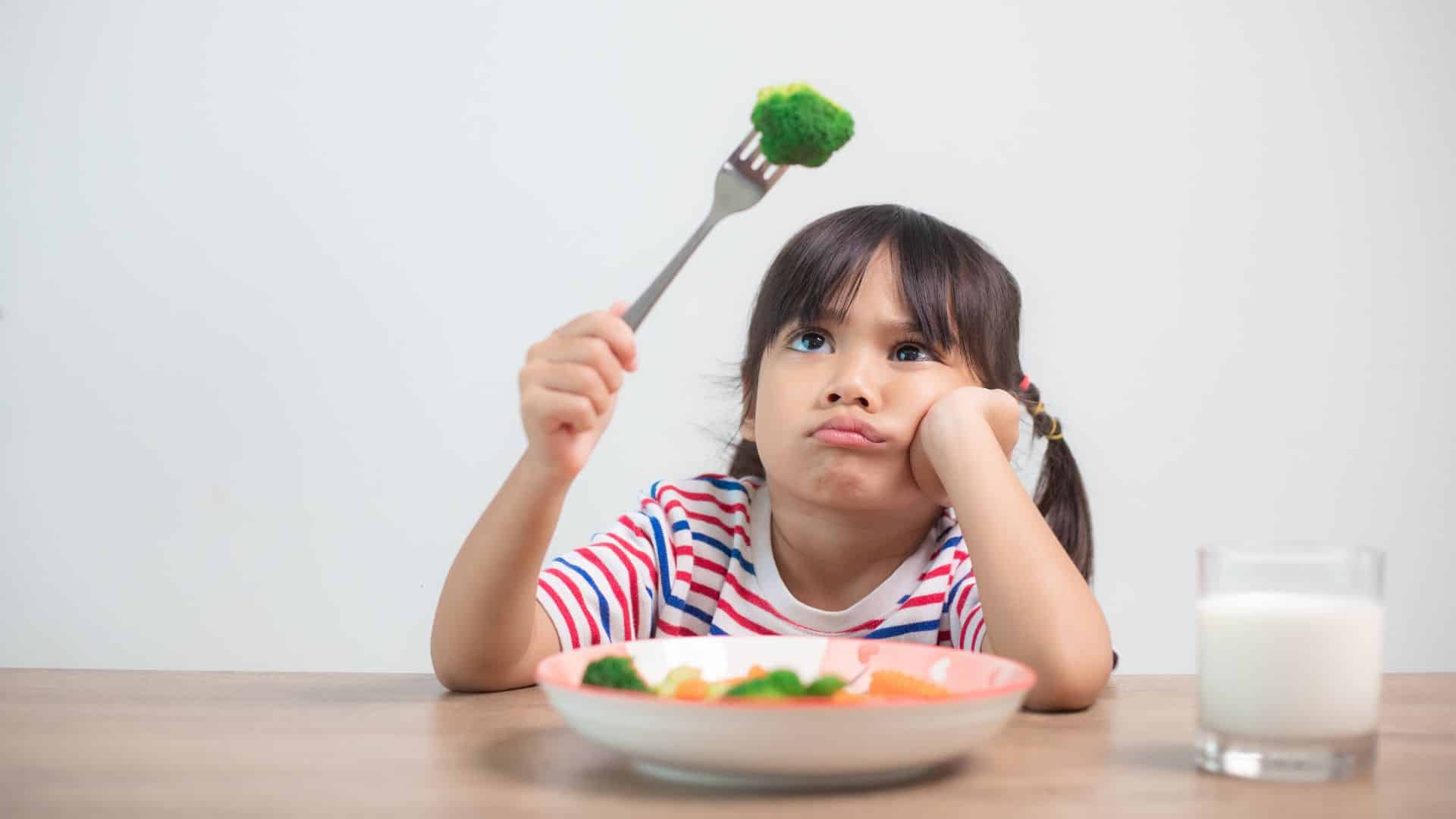
Restaurant etiquette with kids
Restaurant etiquette is one of those topics that people tend to feel strongly about because everyone’s definition of “normal” behavior is a little different. Most people understand that children sometimes make noise or need a break from sitting still. Restaurants are public places, and nobody realistically expects kids to behave like tiny adults through an entire meal. At the same time, there’s usually an expectation that parents are still actively managing the situation, so it doesn’t start to affect everyone around them.
One of the biggest issues people tend to react to in restaurants is when children begin treating the space like a playground. Running between tables or repeatedly going in and out of doors can quickly become disruptive. It’s not always just about annoyance, either. In busy restaurants, especially those with patio areas, hot food, heavy trays, and crowded walkways, it can also pose a safety issue for both kids and staff.
There’s also a difference between occasional kid behavior and ongoing disruption. A child opening a patio door once or twice probably wouldn’t bother most people. But when it happens repeatedly, especially in cold weather, it starts to affect the comfort of nearby tables. Restaurants are shared spaces, which means everyone is expected to balance their own experience with basic consideration for others.
Many parents already know this balancing act well. Some families come prepared with coloring books, tablets, snacks, or small activities to keep kids occupied while they wait for food. Others choose more casual, family-friendly restaurants where a little extra noise and movement are expected. That doesn’t mean parents have to eliminate every tiny disruption, but it usually means stepping in before things escalate to the point where others feel forced to say something.
In the end, this situation seemed more about whether parents should step in when behavior starts to disrupt other people. For many people, restaurant etiquette comes down to one simple idea: everyone should be able to enjoy their meal without feeling like they’re eating amid chaos.
Leave a Reply