
Most people assume a better chocolate cake comes from adding more chocolate. In reality, I can tell you the secret lies in the details and in some ingredients people rarely think of.
They’re not trendy, and they’re probably already in your kitchen. But when used correctly, they completely change the flavor of your cake, making it feel deeper, richer, and more balanced.
These are salt and coffee.
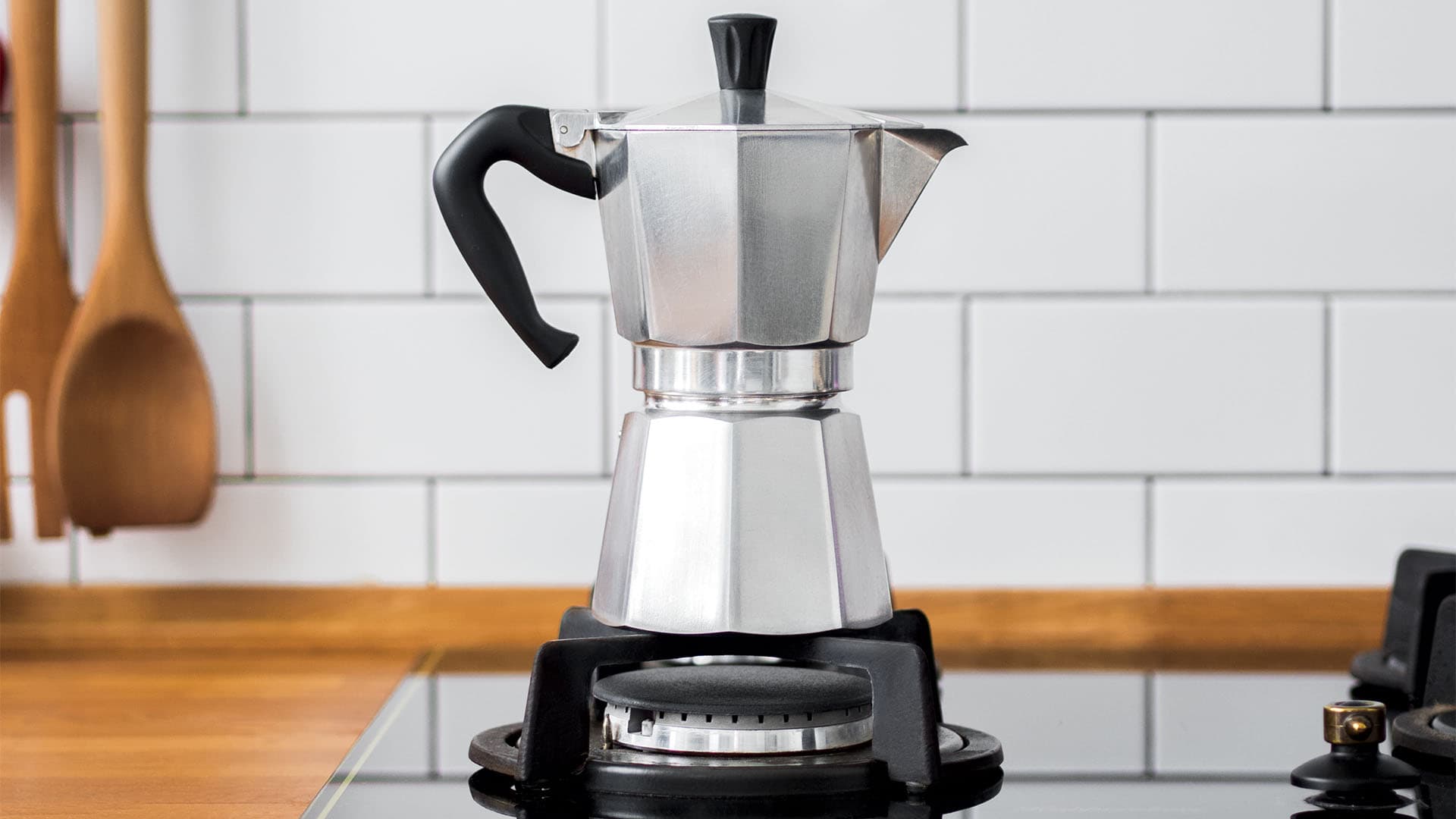
Why coffee makes chocolate taste better
Coffee doesn’t make your cake taste like coffee. That’s the first thing people worry about, and it’s almost never an issue when used correctly.
What coffee actually does is amplify the flavor of cocoa. Chocolate already has naturally complex, slightly bitter notes. Coffee shares the same characteristics, so when you add it to a batter, it enhances and deepens the chocolate rather than competing with it.
This is why so many bakery-style chocolate cakes have that rich, almost intense flavor that feels different from homemade versions. It’s not extra cocoa or expensive chocolate. It’s usually just coffee working behind the scenes.
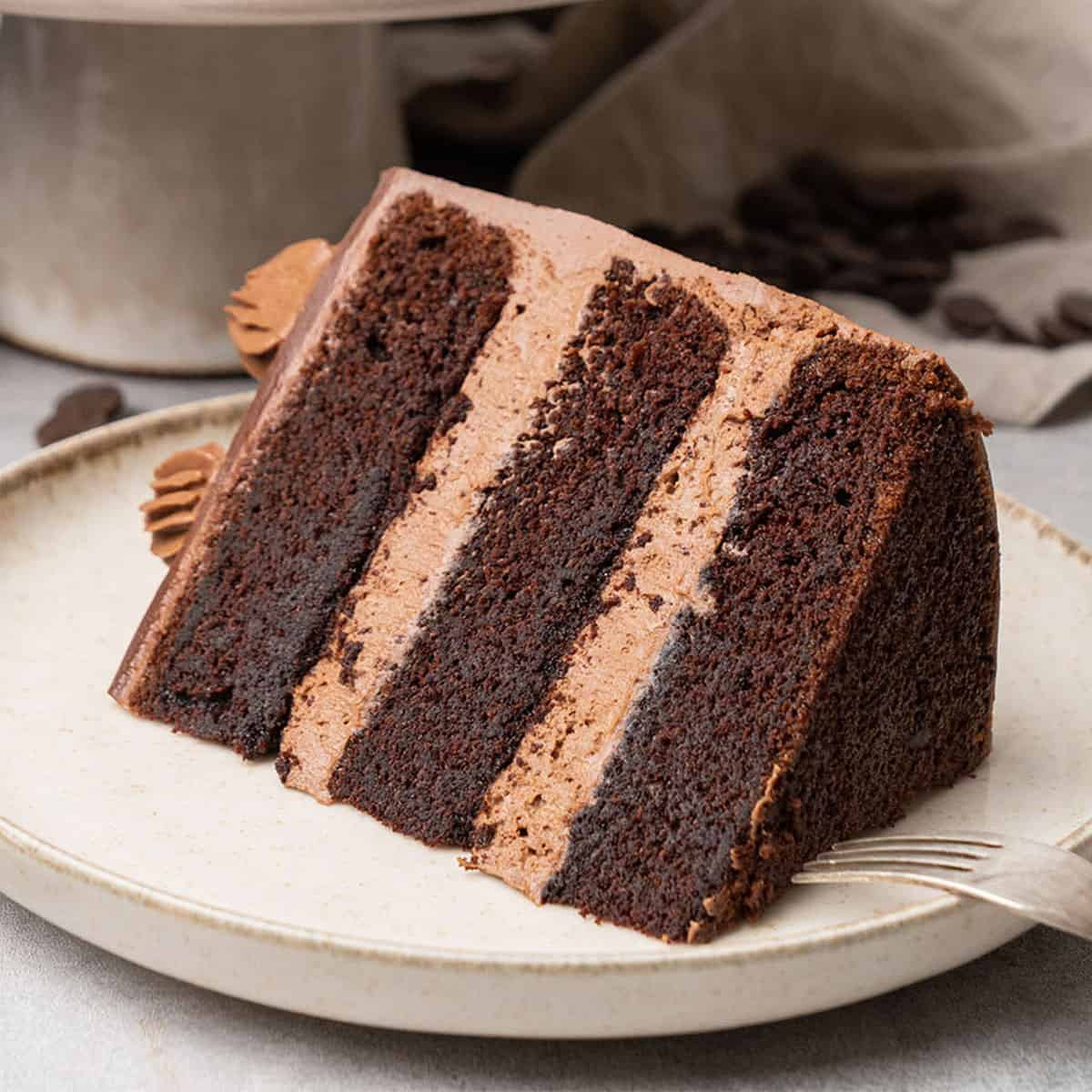
In a chocolate sponge cake like the one I make, freshly brewed coffee blends right into the batter with another key wet ingredient: whole milk. You don’t taste it directly, but you notice that the chocolate flavor feels more complete and less flat.
If you’re hesitant, you can use a mild coffee or even decaf. The goal isn’t to add a new flavor or to amp up the caffeine. It’s to make the chocolate taste more like itself, just stronger and more developed.
Why salt is not optional
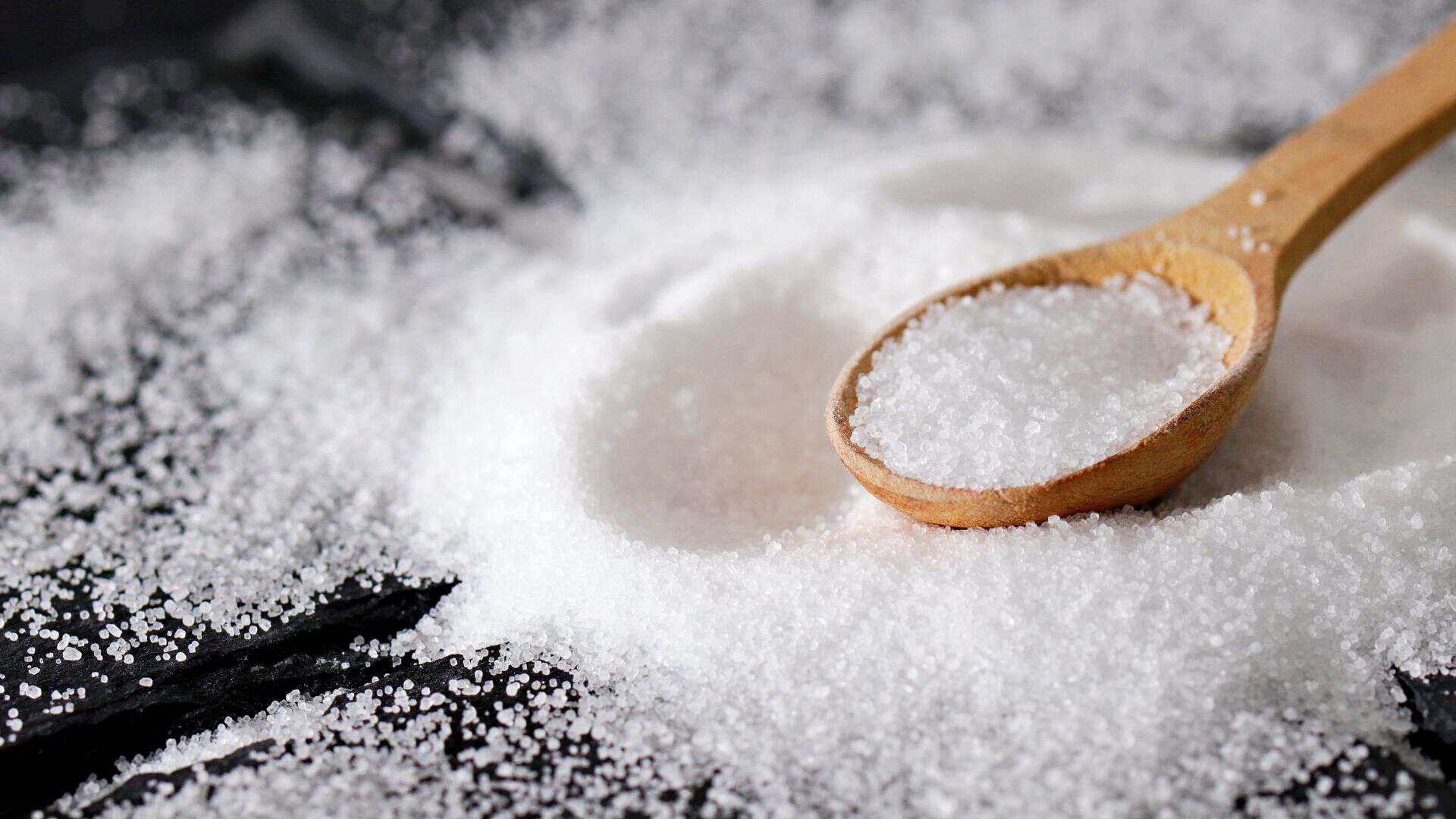
Salt is the ingredient people underestimate the most. It’s also one of the main reasons homemade cakes can taste a little off, even when everything else is done correctly.
Without salt, chocolate cake can taste overly sweet or one-dimensional. It’s missing contrast, and that makes the flavor feel dull.
Salt fixes that immediately. It sharpens the chocolate flavor, balances the sweetness, and reduces any harsh bitterness from the cocoa. Instead of tasting salty, the cake just tastes more like chocolate.
Professional bakers don’t treat salt as a minor addition. It’s a key part of the recipe. Even a small amount makes a noticeable difference in the final cake's taste.
Why these two ingredients work better together
It's simple, really. Coffee builds depth, and salt brings balance.
When you use both, the chocolate flavor becomes richer without becoming overwhelming. The sweetness feels controlled rather than sugary, and the overall cake is more complex without adding extra ingredients.
This combination is what makes bakery cakes feel different from typical homemade ones.
A practical chocolate sponge cake you can actually make
The structure of a good chocolate sponge cake is simple, but the details matter.
You start with your dry ingredients: flour, cocoa powder, baking powder, baking soda, and salt. Mixing these well ensures that everything is evenly distributed, which helps the cake rise properly and bake consistently.
In a separate bowl, combine your wet ingredients. This includes eggs, sugar, milk, oil, and coffee. At this stage, you’ll already notice the batter getting darker and more aromatic, which is exactly what you want.
When you combine the wet and dry ingredients, the goal is to mix just until everything comes together. Overmixing is one of the most common mistakes. It develops too much structure in the batter, leading to a denser, less tender cake.
Once the batter is ready, it goes into a prepared pan and into a fully preheated oven. Baking at the correct temperature from the start helps the cake rise evenly and set properly. If the oven isn’t ready, the texture can suffer.
The cake is done when a toothpick comes out clean and the top springs back lightly when touched. Pulling it out at the right time makes a big difference. Even a few extra minutes will dry it out.
If you want to see how it all comes together in a tested, step-by-step version, you can check out the full recipe for my chocolate sponge cake.
Other small habits that change your baking results
Most people focus on ingredients but overlook technique. The truth is, both matter equally.
One of the easiest improvements you can make is to use room-temperature ingredients. Cold eggs or milk don’t mix as smoothly, which affects the batter's texture and the final cake. When everything is at the same temperature, the mixture comes together more evenly.
Another important habit is measuring accurately. Baking is less forgiving than cooking, and small differences in flour or liquid can change the outcome. Using a digital kitchen scale is the only way.
Overmixing the batter is a common cause of texture problems. It produces a heavy crumb rather than a soft, tender one.

Overbaking is another common issue with chocolate cakes. Because of their dark color, it’s harder to judge doneness visually, so timing and testing matter more. Many people fear underbaking a cake, but overbaking is equally problematic and results in a dry texture.
Fixing these small things is often enough to completely change how your cake turns out.
Leave a Reply