
A recent viral video showing a hyper-realistic “3D menu” so convincing that many assumed it was the future of dining, until the real story behind it came into focus.
What looks like a futuristic restaurant menu isn’t actually a menu at all. The display was created by a Japanese artist who specializes in miniature food, turning everyday dishes into incredibly detailed, lifelike models. The video that’s been circulating is from an art project, not a functioning restaurant.
Still, the reason it’s getting so much attention is easy to understand.
The display shows rows of tiny, carefully crafted dishes, each one designed to look exactly like a full-sized plated meal. Even without labels or descriptions, you can immediately get a sense of what each item is, how it’s presented, and what to expect.
And that’s where the idea hits something real.
It highlights how powerful visuals can be for ordering food. A well-written description can help, but it often leaves room for interpretation. An image, or in this case, a physical model, removes that guesswork entirely.
It also raises an important point: knowing what’s in a dish matters just as much as knowing what it looks like. While visuals can guide decisions quickly, they don’t always tell the full story.
It’s a clever and surprisingly effective reminder of how much clearer and more engaging the ordering experience could be when people can actually see what they’re choosing.
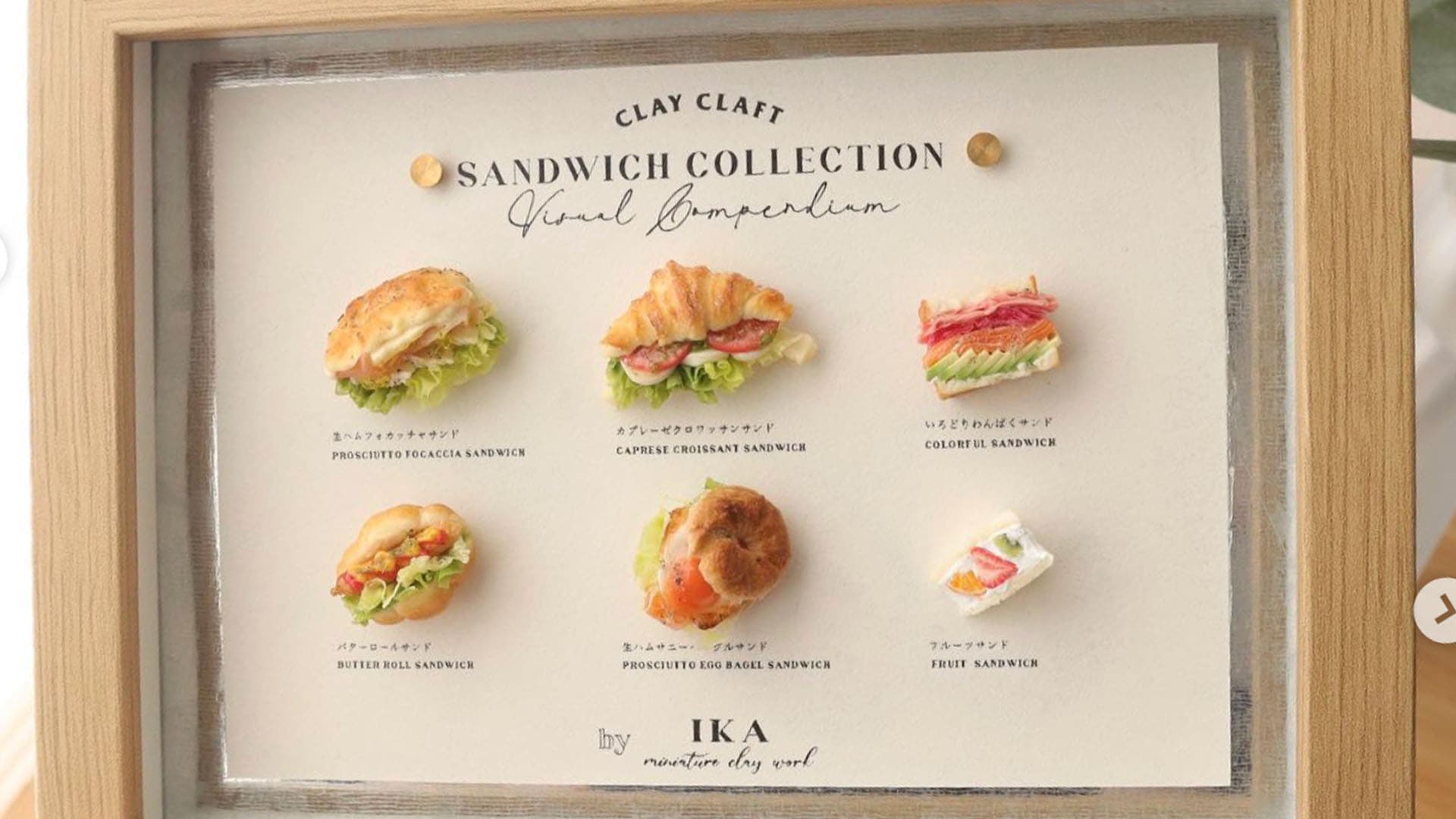
People loving the idea online
As the video spread online on Reddit, reactions came in quickly, and they weren’t all the same.
One person said, "This is such a good idea. I’m always in the internet looking at the photos of the food from reviews to decide what I want to order. Words are never enough."
It is helpful to see a visual of what it looks like, even if it's tiny.
Another person wrote, "I‘m currently in Japan and almost every restaurant has it‘s meals as plastic models in the windows, so people can see what they can eat."
Such an interesting and visually appealing concept. It's no surprise that people like to see their food this way. It's fun and playful.
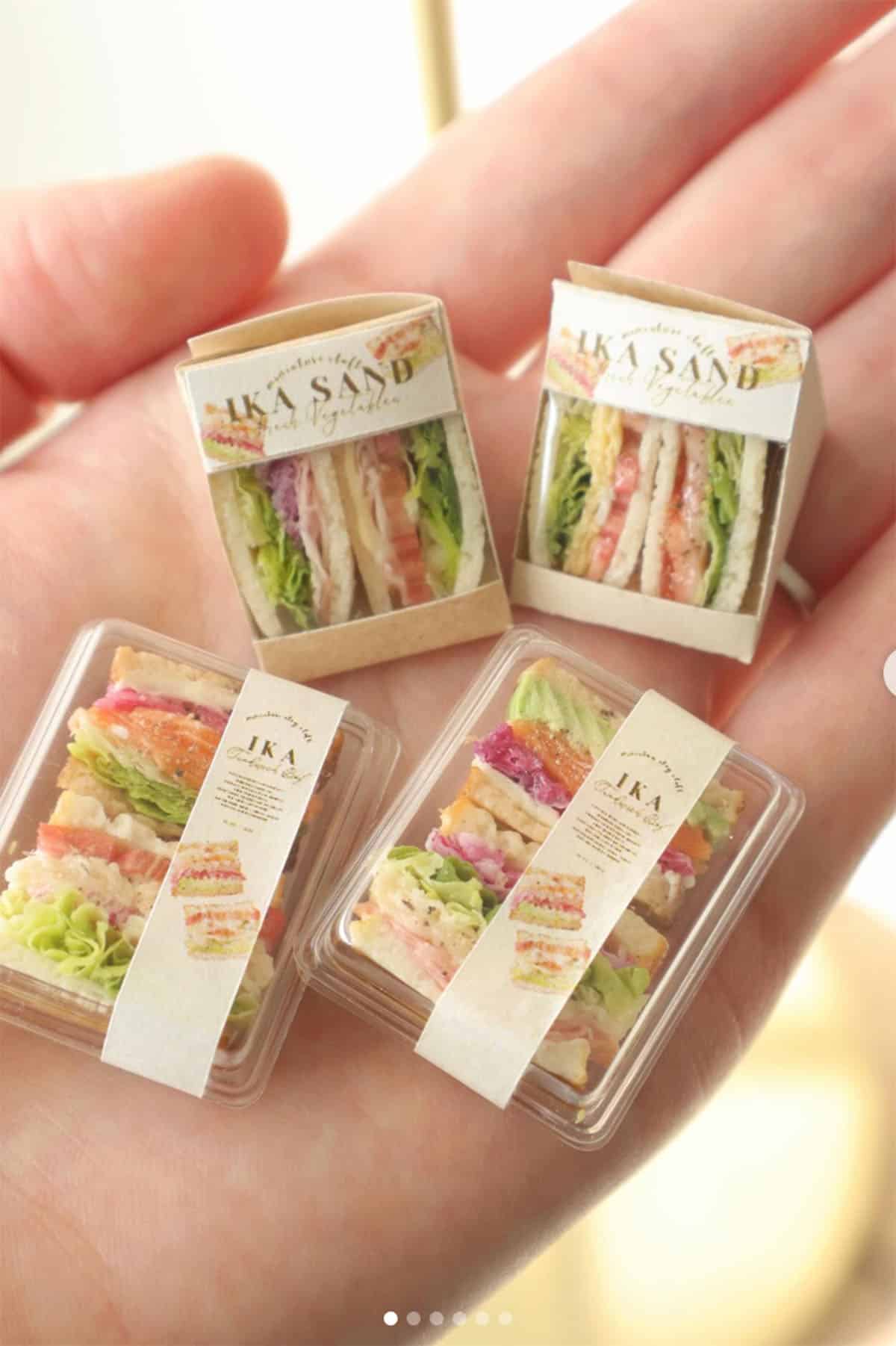
Even though this wasn’t a real restaurant, the reaction to it says a lot about what people actually want
Ordering from a written menu without images involves some guesswork. Descriptions can be vague, photos aren’t always accurate, and sometimes what shows up at the table isn’t quite what you pictured. That gap between expectation and reality is where frustration usually starts.
This concept, even as an art project, cuts straight through that. It shows how powerful it is when people can clearly see what they’re getting before they order. Visuals communicate faster than text, and in many cases, more accurately.
At the same time, it highlights something just as important: visuals alone aren’t enough. People also need to understand ingredients, preparation, and aspects that aren’t immediately obvious from appearance alone. For many, especially those with allergies or specific preferences, that information isn’t optional.
If a simple art project can get this much attention, it’s a strong sign that even small changes in how a menu is presented can make a big difference.
Leave a Reply