
Probably all of us have bought a pot of fresh basil from the grocery store, dreaming of having an endless supply of fragrant, flavorful leaves at our fingertips. But how many of us have actually managed to keep that basil alive for more than a week? For most of us, the vibrant green plant starts to wilt long before we even get a chance to use it in a dish.
This pattern is so common that many people assume basil is just difficult to keep alive. In reality, the problem starts long before it reaches your kitchen. The way it is grown and sold plays a much bigger role than most realize.
The problem with store-bought basil
A small pot of basil from the grocery store catches your attention right away. It is designed to look full and ready to use. The leaves are bright, the plant looks healthy, and it seems like a practical addition to your cart.
That presentation comes with a trade-off. These plants are grown for short-term use, not long-term care. The goal is to make them appealing enough to buy and easy to use within a few days.
Once they are brought home and treated like a lasting plant, they often struggle to keep up.
Why does it die so fast
Store-bought basil plants have multiple seedlings in a single container, so they look full and established. Underneath, the roots are packed tightly together. The problem is that there is little space to spread, and the plants compete for water, nutrients, and light.
This crowding creates stress almost immediately. Each plant is limited in what it can access, and none of them can grow properly. Once the basil leaves the store environment and enters a home, the imbalance becomes more obvious. The plant weakens quickly because it was never given the space to develop.
It is also important to understand the intent behind its sale. A dense, leafy pot is more appealing than a sparse one. It looks like a better value. But that fullness is temporary. It is meant to be used and replaced, not maintained.
How to keep it alive
The fix begins with a change to how the plant is set up.
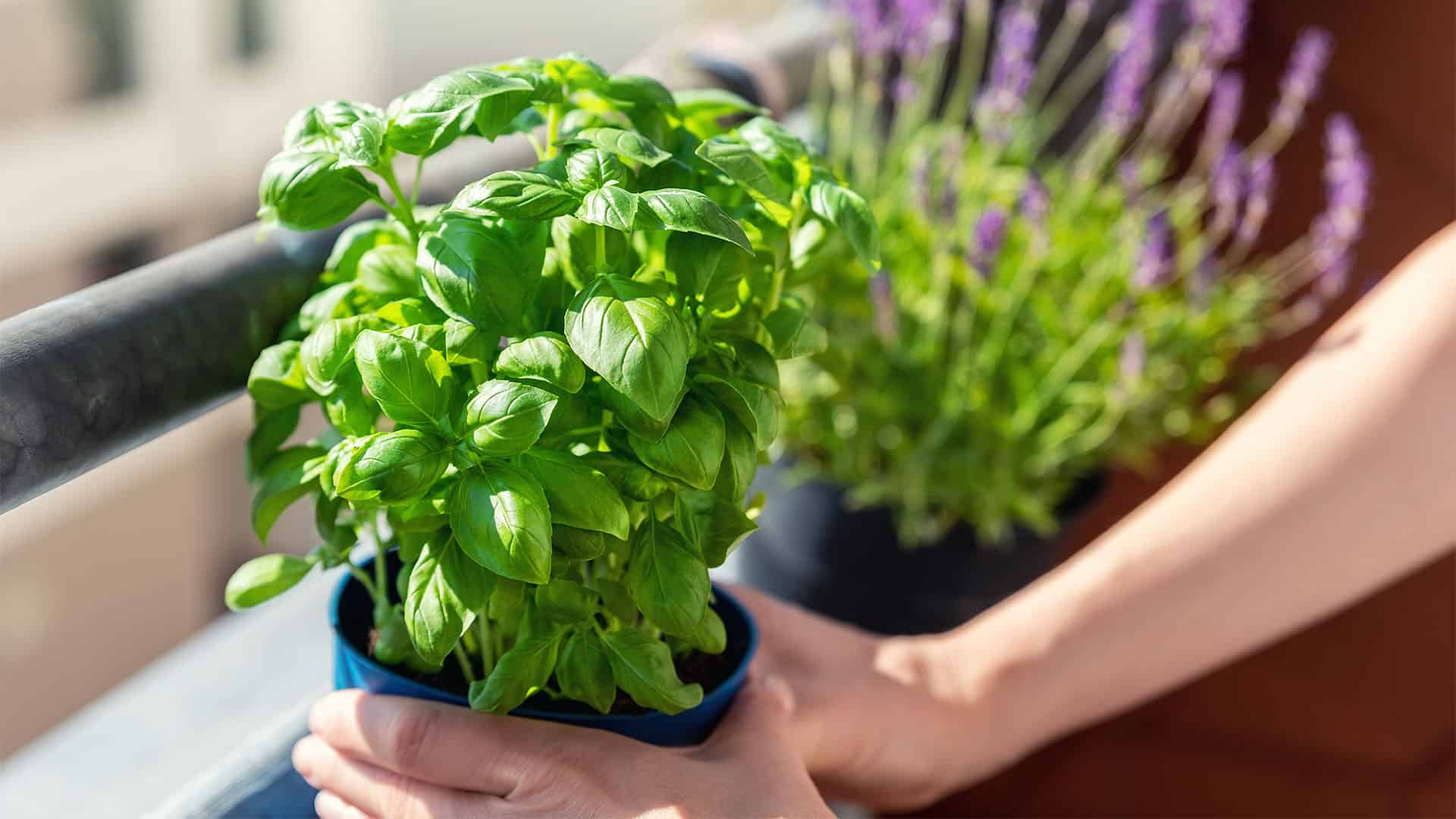
Start by removing the basil from its original container and separating the seedlings. The roots will likely be tangled together, and it may look messy, but the plants can handle it. Even if some roots break, they can recover once they have space.
Each seedling should be placed into its own pot. This step alone gives the plant a much better chance. With no competition, it can access water and nutrients more easily and begin to grow stronger.
Fresh soil helps reset the environment. The original soil is often depleted and compacted. A new potting mix provides better drainage and more nutrients, which support healthier growth.
Light is another key factor. Basil needs strong, consistent sunlight. A bright window that receives several hours of direct sun is ideal. Without enough light, the plant stretches and becomes thin, which weakens it over time.
Watering should be steady but not excessive. The soil should stay slightly moist, but not soaked. Checking the top layer before watering helps prevent overwatering, which can damage the roots.
Temperature also matters. Basil prefers warmth and does not respond well to sudden changes. Keeping it in a stable, warm place helps maintain steady growth.
@thefrenchiegardener shows how to save your supermarket basil.
How you harvest matters
The way basil is used can either support its growth or shorten its life.
Pulling off leaves one at a time might seem like the easiest option, but it leads to uneven growth. The plant becomes tall and thin, with fewer branches.
Cutting the stems instead makes a noticeable difference. When the stem is trimmed just above a pair of leaves, the plant responds by growing two new stems in that spot. This encourages fuller, bushier growth and keeps the plant producing longer.
Over time, this method helps the plant maintain its shape and stay productive.
Extending its life even further
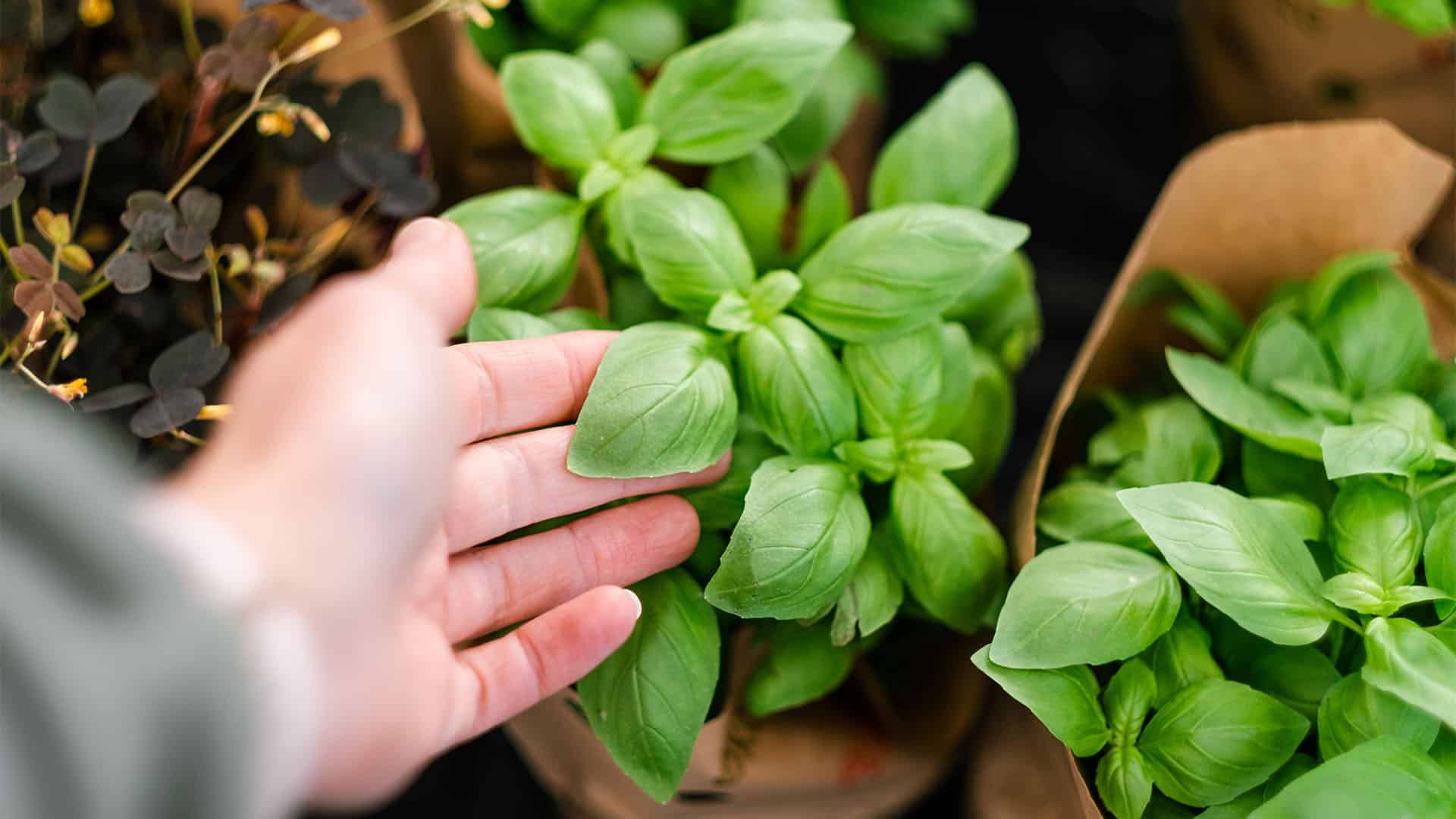
Once the basil is growing well, it can easily be multiplied.
Cuttings taken during pruning can be placed in water. After several days, roots begin to form along the stem. Once the roots are established, the cutting can be planted in soil and grown into a new plant.
This simple step makes it possible to keep basil going without buying new plants.
Take away
This small kitchen habit reflects a broader pattern: many grocery store products are designed for convenience, not longevity. Knowing how basil is grown and sold can change the way we care for it at home, replacing guesswork and frustration with a clear, practical approach.
With the right care, a single basil plant can last far longer, reducing waste and saving money. It also means fresh basil is always on hand, ready to enhance everyday cooking instead of being used once and forgotten.
Leave a Reply