
A backyard experiment involving McDonald's is getting attention not because it sounds complicated, but because it’s surprisingly simple. One tomato slice, two planting methods, and a little patience turned into pounds of homegrown tomatoes.
The experiment that started with a burger
Gardening creator James Prigioni didn’t set out to prove a major theory. He was just curious.
After ordering a Quarter Pounder with Cheese Deluxe, he pulled the tomato slices from between the patties and decided to see if they could grow into real plants.
Keeping it simple, he tried two approaches: removing seeds from one slice and planting them in soil in a red solo cup, and placing an entire tomato slice directly into soil in another cup. There was no complicated setup, just a straightforward plant-and-go approach.
Both setups started sprouting just 8 days after being planted. 7 days after that, the leaves had started to grow, and he decided to prune them back to just one plant per cup.
By day 23, the seedlings were strong enough to move outside. The plant that had grown from the seeds was placed in a bucket, while the other was planted directly in the ground. From there, the experiment turned into something much bigger than expected.
Even with inconsistent watering, both plants continued to grow. The tomato plant placed directly into the ground showed noticeable progress just nine days after planting, and by day 47, flowers had begun to bloom, signaling that fruit was on the way.
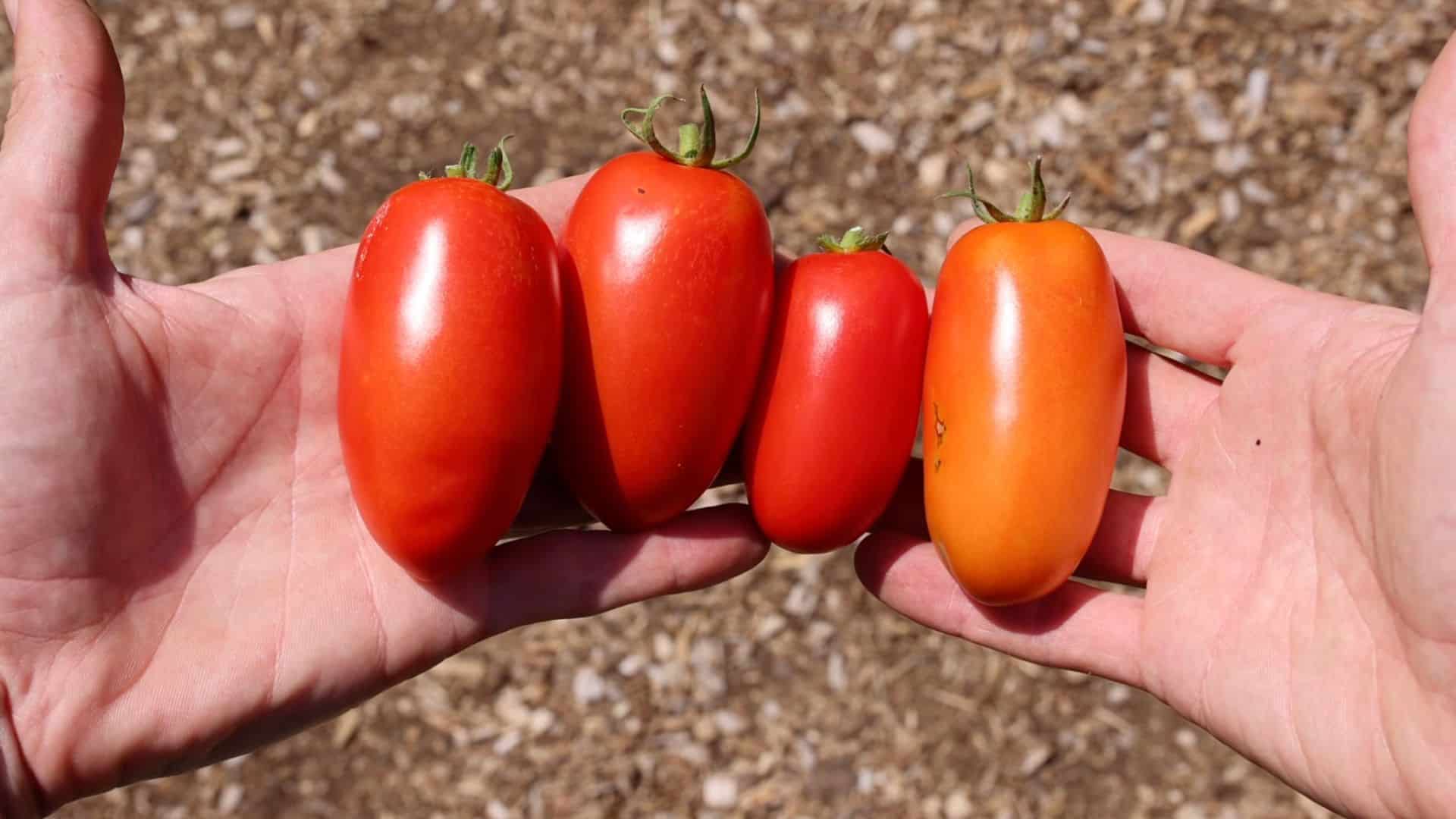
Around day 94, the first tomatoes were ready to be harvested, and by day 108, the ground plant was producing an unusually large number of fruit. By the end of the experiment, he was impressed with just how many tomatoes the plants had produced.
The biggest surprise wasn’t that the seeds grew. It was how much they produced.
Why the results were so surprising
There are a few reasons this worked, and why the results varied between the two plants.
First, tomatoes are naturally easy to propagate. The seeds in a fresh slice remain viable, even after being part of a prepared food item.

Second, the plants likely came from hybrid tomatoes, which means they don’t always grow true to seed. That helps explain why one plant produced smaller, sweeter tomatoes, while the other grew larger fruit that took longer to ripen.
Interestingly, the plant that experienced more stress and less consistent watering produced fruit earlier. That aligns with how some plants respond to survival pressure by accelerating reproduction.
The reactions
Reactions were divided on this experiment. Some found it interesting, while others found it obvious and a bit silly.
One comment was grateful, saying, "This is what YouTube was made for. Thanks for this video man!" YouTube does a great job at breaking down the details so that anyone can accomplish the task at hand.
One person said, "Why'd you plant just the tomato slice? Should've planted the whole burger for a burger plant." Silly, of course, but it still gives readers a chuckle.
Another pointed out, "Bro tricked us into teaching us all about gardening lol. nice video." It's true. His video showed the bigger picture of how easy it is to get started with gardening.
What the tomatoes actually tasted like
When it came time to try them, the results leaned positive.
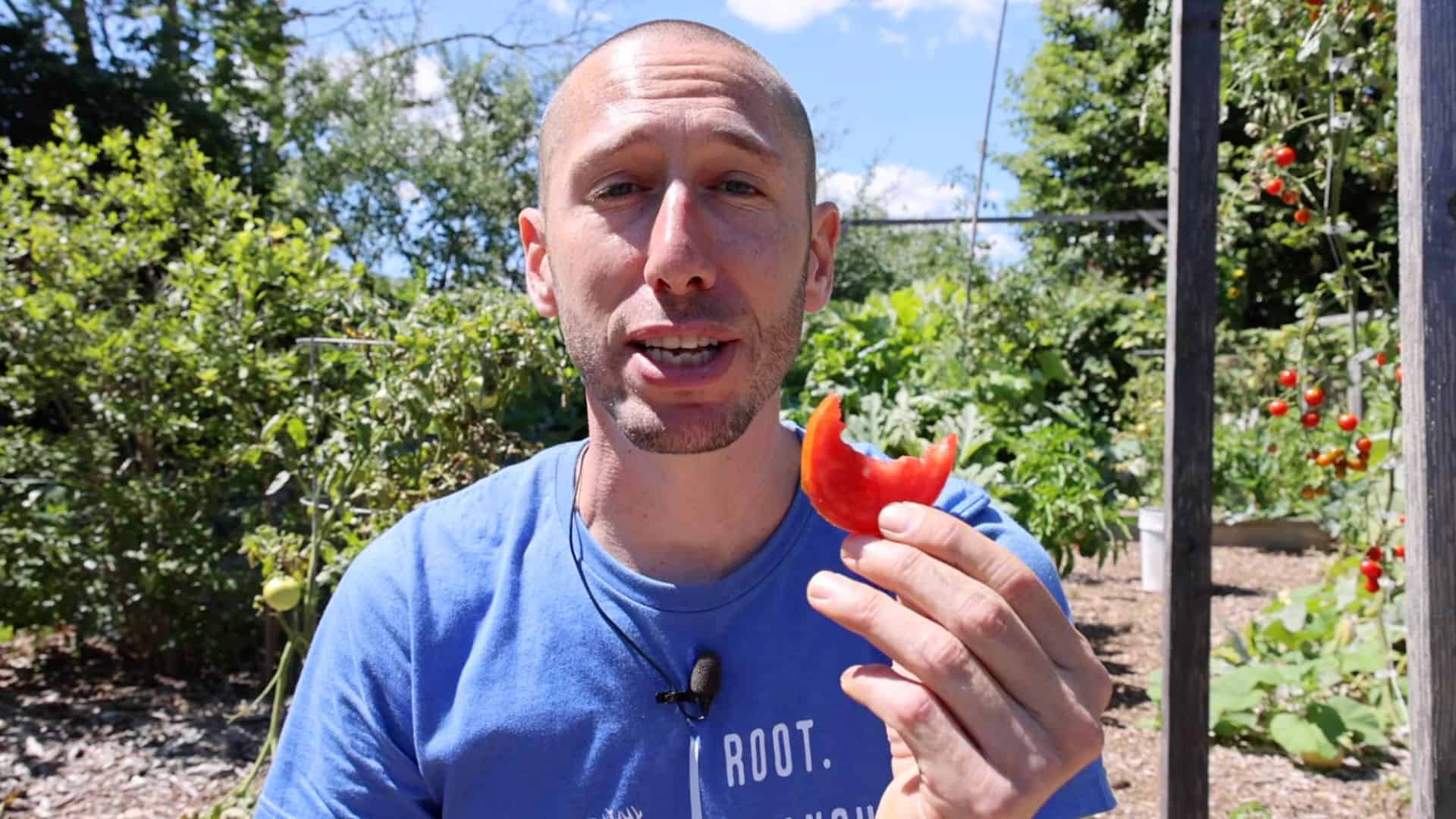
The tomatoes were mild and slightly sweet. Closer to a snackable tomato than something sharp or overly tangy.
The smaller tomatoes, in particular, were noted as sweeter; something that often happens when fruit develops under slightly tougher conditions.
In his words, "The flavor is pretty dang good."
Could you actually try this at home?
Technically, yes, and it doesn’t require much. If you wanted to recreate it, the process is fairly simple: start with a fresh tomato slice, plant either the seeds or the entire slice in soil, keep the soil lightly moist, and move the plant outdoors once seedlings are established.
The biggest factor is patience, since it took more than four months to see full results.
Why this matters
At face value, growing tomatoes from a McDonald's burger sounds like a gimmick. But the appeal is deeper than that.
It taps into a few things people are already thinking about, including where food actually comes from, whether processed meals still connect back to real ingredients, and how easy it is to grow your own food at home.
The experiment wasn’t just entertaining; it also showed that with a little creativity, people can find simple ways to grow their own food with minimal time, effort, and cost.
Leave a Reply