
Air travel has changed in many ways over the years, but one of the quieter shifts is what happens when the tray table comes down. For many frequent flyers, including myself, the in-flight meal has gone from something to look forward to to something you barely tolerate, or skip entirely.

That change became hard to ignore on longer routes. Flights that should have felt routine started ending the same way: sluggish, bloated, slightly dehydrated, and more tired than expected. The kind of feeling that lingers into the next day and makes jet lag harder to shake.
After a few too many flights like that, I stopped treating airline food as part of the experience and started paying attention to what actually made me feel better in the air. That meant testing different routines, adjusting what I ate before boarding, and eventually packing my own meals instead of relying on what was served.
The difference was noticeable enough that I haven’t gone back.

Why I stopped eating airline food
There was a time when getting a tray table meal felt like a small event. Even in the economy, it added something to the experience. That shift has been noticeable over the past several years. Options feel more borderline inedible, as the overall quality has slipped.
For me, the change wasn’t just about taste. It was how I felt after eating. Flights left me bloated and dealing with headaches that lingered into the next day. Jet lag felt worse. Sleep felt lighter. I started to notice a pattern.
So I stopped relying on airline meals altogether and began experimenting with my own routine. The difference was immediate enough to stick.
The meal before the flight matters more than the one on it
One of the biggest changes had nothing to do with what I packed. It was what I ate before boarding.
Instead of grabbing whatever was quick or convenient, I made sure to eat a full, proper meal aligned with the time of day. A real breakfast in the morning, not just coffee and something sweet. A balanced lunch or dinner if the flight fell later in the day.
That usually means eating at home, if possible. Other times it meant finding a solid restaurant near the airport or inside the terminal with good ratings and real food, not just fast options. It takes a little planning, but it sets the tone for the entire flight.
Eating well before takeoff reduces the urge to snack mindlessly once you’re in the air. It also keeps your energy more stable, which matters more than most people expect at 35,000 feet.

What I pack instead of relying on airline trays
After trying different combinations, I landed on a setup that feels simple and reliable. The goal is not to recreate a full hot meal. It is to bring food that travels well, holds up without refrigeration for a reasonable window, and keeps you satisfied.
I usually pack a boiled egg, pre-cut carrots, and mini tomatoes. These are easy to eat and provide something fresh, which is often missing on flights.
I add something more substantial, like a homemade cheese pie or a small piece of cheese-filled puff pastry. Alongside that, I bring a type of mini sausage that does not require refrigeration for several hours. This combination creates a balanced meal with protein and some fiber.
I also bring a small portion of good bread, usually a baguette. But I treat that as a side, not the main event. Relying only on bread or crackers tends to leave me hungry again not long after.
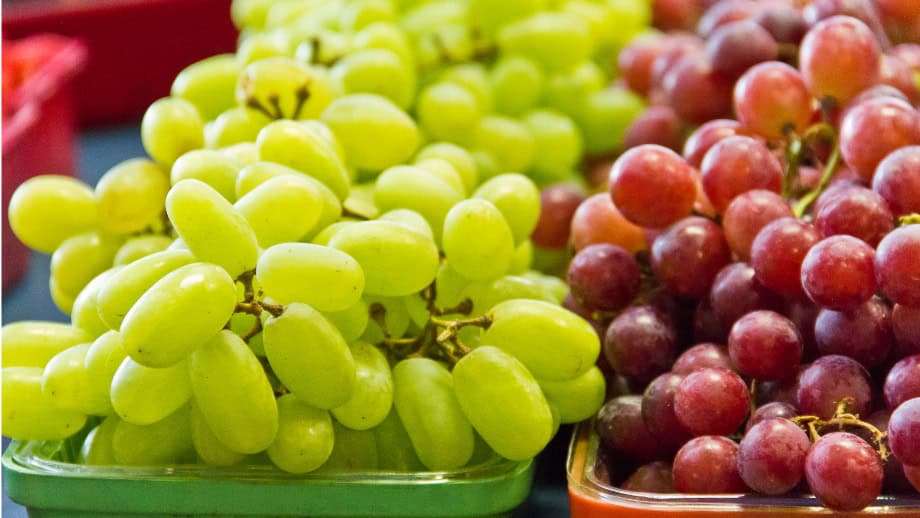
Fruit is always part of the bag. Pre-washed grapes, a banana, or an apple are easy options. This setup gives me a proper second meal on the plane without depending on what is served.
Longer flights require a little more planning
For long-haul travel, I add one more step. After clearing security, I often pick up a fresh salad from the airport. Many terminals now offer at least one option that's simple and decent.
That salad becomes another full meal during the flight, especially on routes where meal service timing does not align well with when you are actually hungry.
I also allow for one snack, either sweet or savory. Keeping it to one helps avoid constant grazing, which can make you feel sluggish by the time you land.
The small routine that makes early arrivals easier
Overnight flights are their own category. Landing in the morning after limited sleep can leave you drained before the day even begins.
This is where I make one exception that feels more like a reset than a treat. Before boarding, or sometimes during a layover, I pick up a good-quality pastry or muffin and pair it with fresh orange juice.
It is simple, but it works. That combination helps wake me up and gives just enough energy to get through the first part of the day without immediately crashing.
It is not about perfection. It is about having something that feels like a real start to the morning after a long flight.
Rethinking drinks at 35,000 feet
Food was only part of the issue. Drinks made a bigger difference than I expected.
There was a time when having a few glasses of wine during a flight felt like part of the experience. It passed the time and helped with nerves. But over time, it became clear that alcohol and sugary drinks were making everything worse.
Dehydration hits harder on planes. Alcohol adds to it. Sugary drinks can lead to energy spikes followed by crashes. Combined with cabin pressure and limited movement, it creates the perfect setup for feeling off.
Switching to mostly water changed how I felt during the flight and after landing. Headaches became less common. Sleep improved. Jet lag felt more manageable.
That does not mean skipping everything. On longer or special trips, having one drink can still be part of the experience. The difference is that it's treated as an addition rather than the main source of hydration.

Why this approach works better than airline meals
Airline food is designed for scale and shelf life. It has to be reheated and served in a way that works across hundreds of passengers at once. That often means more sodium, more preservatives, and fewer fresh elements.
Bringing your own food gives you control. You know exactly what you are eating and how your body usually responds to it.
There is also a timing advantage. You are not tied to the airline’s schedule. You can eat when you are actually hungry, not when a tray is handed to you.
Over time, those small changes add up to a noticeably better travel experience.
The takeaway
Skipping airline meals may sound inconvenient, but it becomes second nature after a few trips. A good meal before boarding and a focus on hydration can make a long flight feel much easier.
It is not about avoiding airplane food entirely for everyone. It is about paying attention to how it affects you and adjusting from there.
For frequent flyers, especially on longer routes, the difference between arriving drained and arriving functional often comes down to a few choices made before the plane even leaves the ground.
Leave a Reply