
At first, it’s easy to brush off. Maybe the recipe just feels a little different, or maybe your taste has changed. But then it happens again, and then with something else entirely. A snack you’ve bought for years suddenly tastes sweeter, less rich, or just not quite the same. That’s the pattern more people have started to notice.
Across social media and online forums, shoppers have been comparing ingredients, pointing out changes in everything from crackers and frozen meals to chocolate and cheese. The details vary, but the core feeling is consistent. The foods we used to eat are changing constantly.
Some chalk it up to nostalgia. Others point to rising prices or smaller portions. But a growing number of people think something else is going on, that recipes themselves may have quietly shifted over the past few years.
That’s what sparked one recent conversation that quickly gained traction.

People noticing the changes
In a recent Reddit thread, it was asked, "Has anyone else noticed that every major food brand quietly changed their recipes between 2019-2022 and nobody is talking about it?" They went on to clarify that they were referring to actual ingredients and formulas changing across dozens of major brands, with no prior announcement.
They noticed it first with Goldfish crackers, then went down to investigate many major products, where people were saying the same thing: "It doesn't taste as it used to."
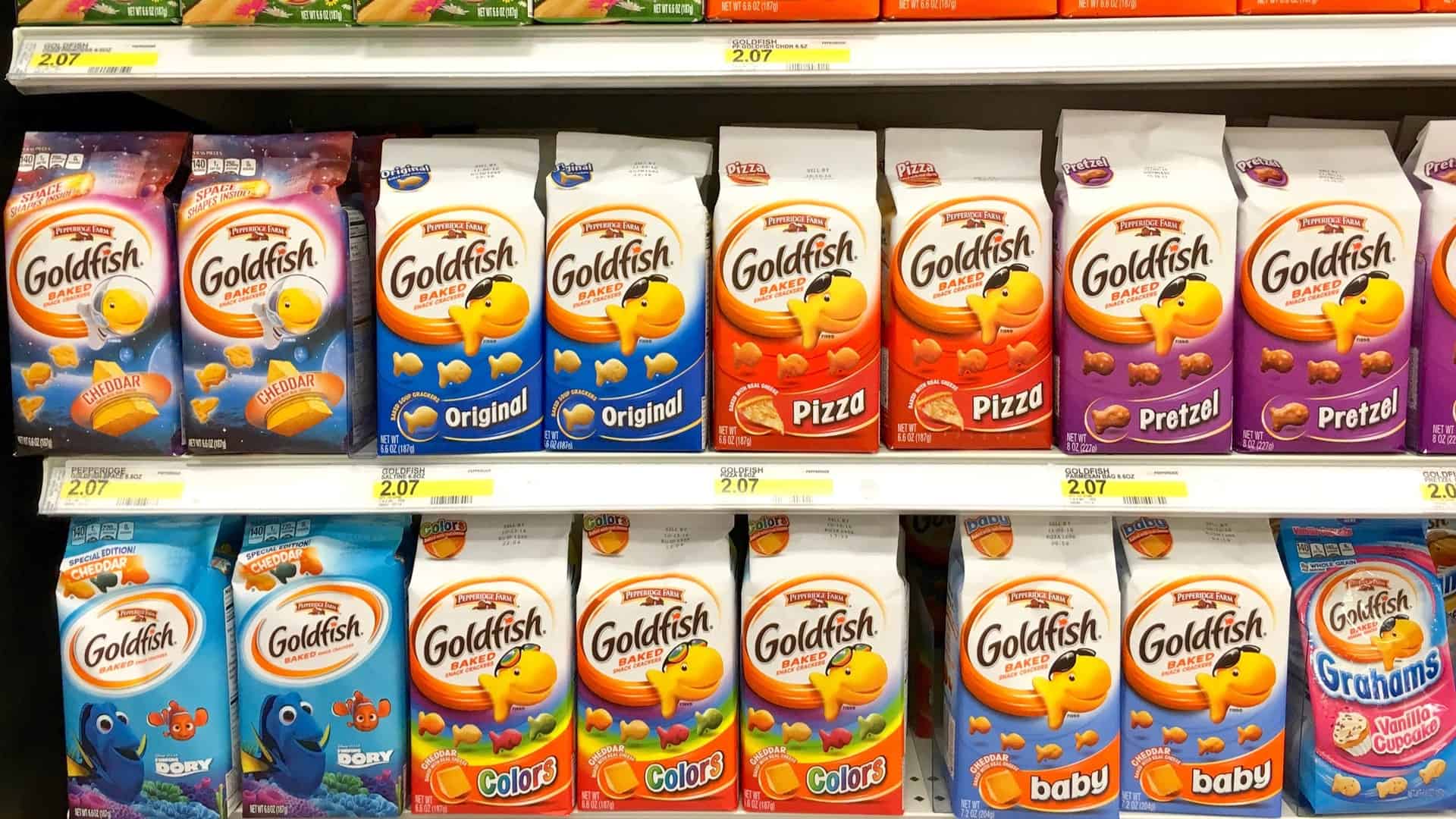
Over 1,000 people were eager to jump into this thread to discuss the subject.
One person said, "You can really tell the difference in products that have chocolate. They’ve decreased the chocolate and increased the sugar, likely because it’s less expensive."
Many people say this. Chocolate lovers will notice an immediate ingredient swap.
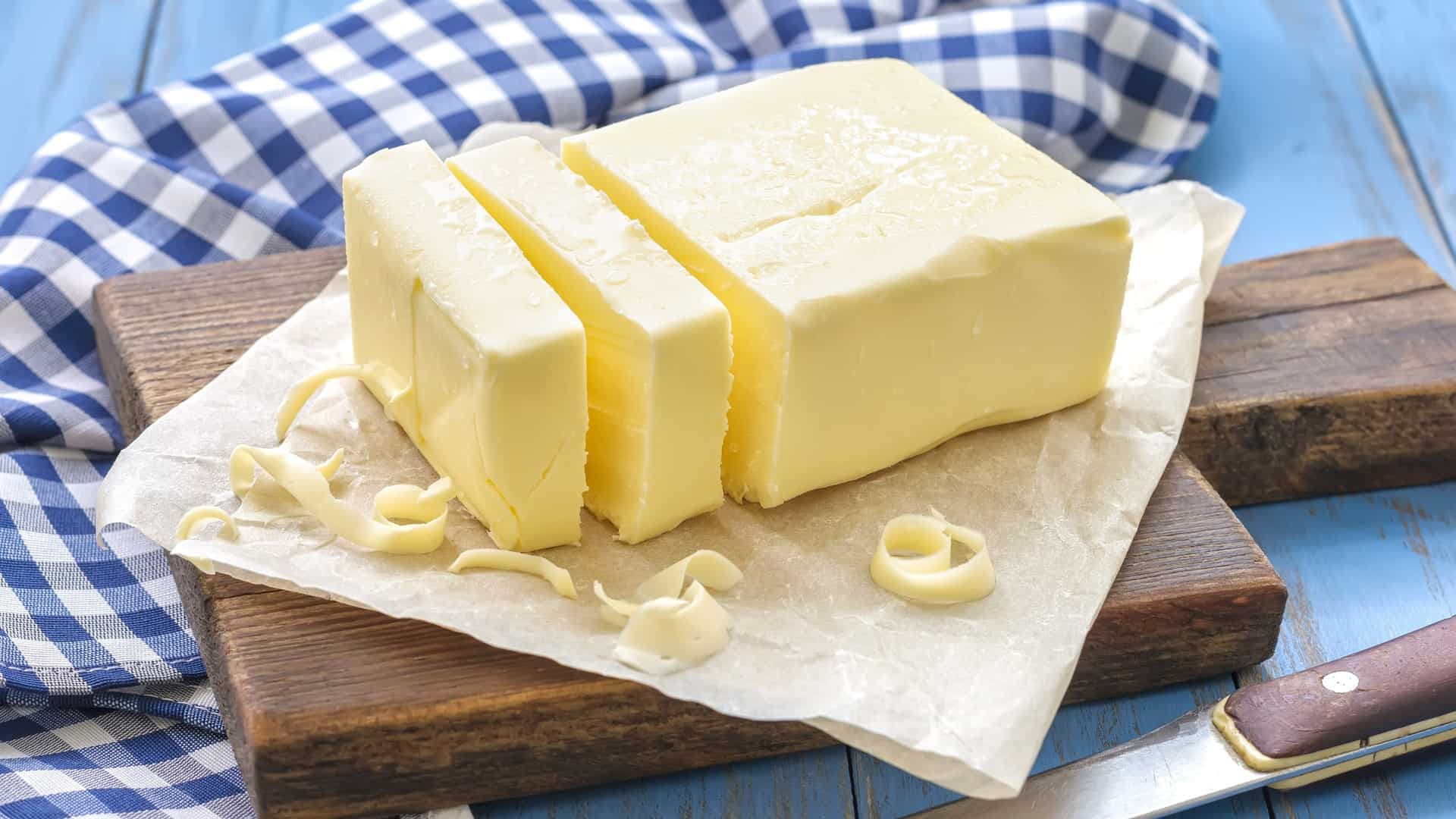
Someone else commented, "Butter. It finally dawned on me why butter was spattering all over the place instead of melting. They upped the water content."
It might be time to learn how to make butter yourself, then.
Another wrote, "We can add Girl Scout Cookies to the list. Just bland."
The flavor has seemed to change in some of the options, and the boxes have gotten smaller, too.
What we found
The short answer is that people aren’t imagining things, but the reality is more layered than a single big secret change behind the scenes.
During the pandemic, the Food and Drug Administration allowed temporary flexibility for food manufacturers facing supply chain issues. Companies could make limited ingredient substitutions without immediately updating labels, but only under strict conditions. These swaps had to be minor, couldn’t involve allergens, and weren’t meant to change the product's core nature. That policy officially ended in November 2023.
So while there was a period when some products may have quietly shifted, it wasn’t a free-for-all in which brands could completely rewrite recipes without oversight.
What’s actually been happening over the past several years is what consumer reporters now call “skimpflation.” It’s similar to shrinkflation, but instead of shrinking the package, companies adjust the formula itself to cut costs.
And there are real, documented examples.
One of the most talked-about cases involved Smart Balance. In 2022, consumers noticed it didn’t melt or spread the same way. Reporting later confirmed that the formula had been changed, significantly reducing the vegetable oil content.
After backlash, the company reversed course and returned to the original recipe. That’s a clear case where shoppers noticed something first, and the reporting backed it up.
Chocolate is another category where changes have been harder to ignore. Cocoa prices have surged in recent years (but declined again earlier in 2025), and manufacturers have had to respond. Some companies have explored alternatives to cocoa butter, while others have raised prices or reduced sizes.
Snack foods have also seen changes. Investigations into products like SmartFood popcorn found ingredient shifts, with less cheese and more fillers. Even small adjustments like that can noticeably affect flavor.
Mac and cheese has come up as well. Some versions of Annie’s Shells & Cheddar were reformulated to remove ingredients like butter, even as they were marketed as improvements.
That said, not every claim holds up the same way.
Take butter, for example. Some people online believe brands added more water, but butter in the U.S. is legally required to contain at least 80% milkfat. That doesn’t mean every stick behaves exactly the same in the pan, but it does make widespread, undisclosed dilution unlikely.
Girl Scout Cookies are another example in which perception and reality don’t fully align. The cookies are made by two licensed bakers, and the recipes can vary slightly depending on which baker produced the box. So if something tastes different, it may not be a new change at all.
There’s also a newer layer to this that has nothing to do with cutting costs. Some brands are actively reformulating products to remove artificial dyes or respond to health trends. Those shifts can also affect taste and texture, even if the goal isn’t to lower costs.
Put all of that together, and it explains why so many people feel like things have changed.
Some products really were reformulated during supply chain disruptions. Others were adjusted to deal with rising ingredient costs. Some were changed for health or marketing reasons. And in a few cases, companies even walked back changes after customers noticed.
Why this matters

This isn’t just about people being nostalgic or imagining things. It reflects a broader shift in how food is made and sold.
Over the past five to ten years, brands have faced rising ingredient costs, supply chain instability, and increased pressure from consumers who are paying closer attention to labels.
Instead of making one big, obvious change, companies often make smaller adjustments over time. A slightly different oil. A reduced percentage of a key ingredient. A formula tweak that still meets labeling rules but tastes just different enough to notice.
Most people won’t scan every ingredient list. But they will notice when something feels off.
That’s why conversations like this keep resurfacing. Even when the details aren’t always correct, the overall feeling reflects real changes happening across the industry.
Leave a Reply