
Fruit has a reputation for going bad fast, but that’s not always the full story. Some varieties spoil quickly, but with proper storage, they can stay fresh for weeks rather than days. The difference often comes down to a few overlooked factors, such as airflow, humidity, and the amount of ethylene a fruit produces.
Storage matters more than most people realize. Better storage habits not only keep produce fresher longer but can also help preserve nutrients.
It's important to note that food waste at home is more closely tied to how you store it than to what you buy.
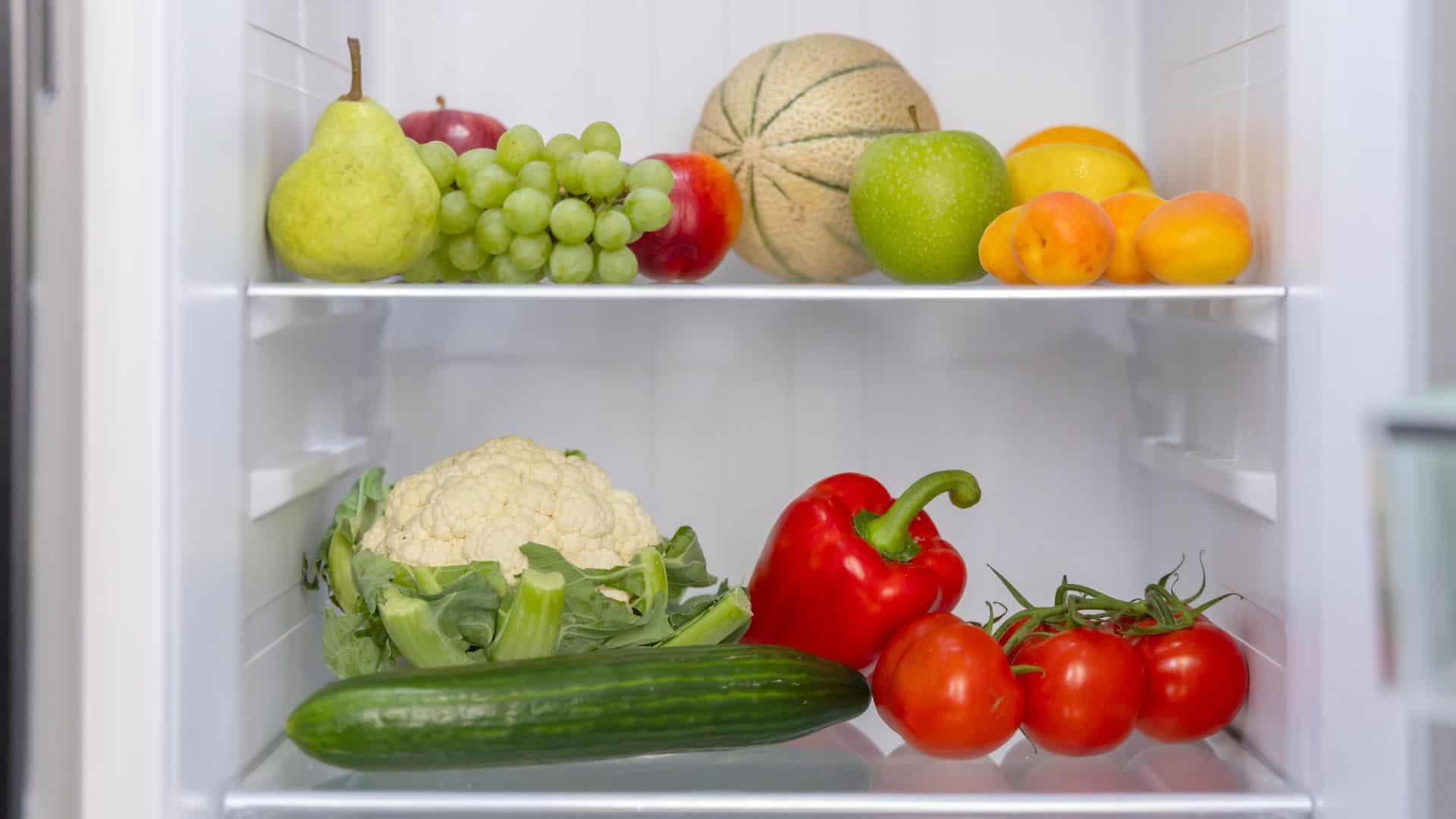
Apple
Apples are one of the clearest examples of a long-lasting fruit, but only when refrigerated. Left on the counter, they soften quickly and lose that crisp bite. In the fridge, especially in the crisper drawer, apples can hold their texture for up to six weeks.
What makes them tricky is the amount of ethylene gas they release. That gas speeds up ripening in nearby produce, so storing apples next to more delicate fruits can shorten everything else’s lifespan. Keeping them slightly separated can make a noticeable difference.
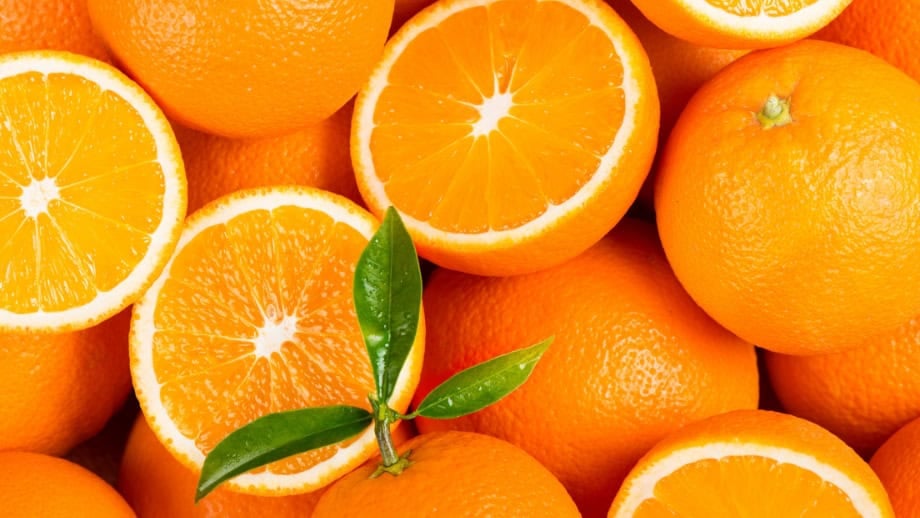
Orange
Citrus fruits like oranges are naturally built to last. Their thick skins act as a barrier to moisture loss, helping them stay firm and juicy longer than most fruits.
While they can sit out briefly, refrigeration is what really extends their shelf life. In the fridge, oranges can last several weeks with minimal change in flavor or texture. According to the National Library of Medicine, citrus also retains vitamin C well during cold storage, making it a practical option for long-term use.
Lemon
Lemons tend to dry out quickly on the counter, but refrigeration changes that. When stored in a sealed bag or container, they can last close to a month.
The key is limiting air exposure. Too much circulating air pulls moisture from the fruit, causing it to harden even before it spoils. A simple airtight setup helps preserve both texture and juice content.
Lime
Limes behave almost identically to lemons but can be slightly more delicate. They benefit from the same storage method: a sealed bag in the refrigerator.
Keeping them contained helps retain moisture and prevents that tough, dried-out texture. With proper storage, limes can remain usable for several weeks rather than just a few days.
Grapefruit
Grapefruit stands out even among citrus fruits because of its thicker skin. That extra layer helps protect against both moisture loss and external damage.
Stored in the refrigerator, grapefruit can last for weeks with little change in quality. It’s one of the easiest fruits to keep on hand because it requires very little maintenance beyond staying cool and dry.
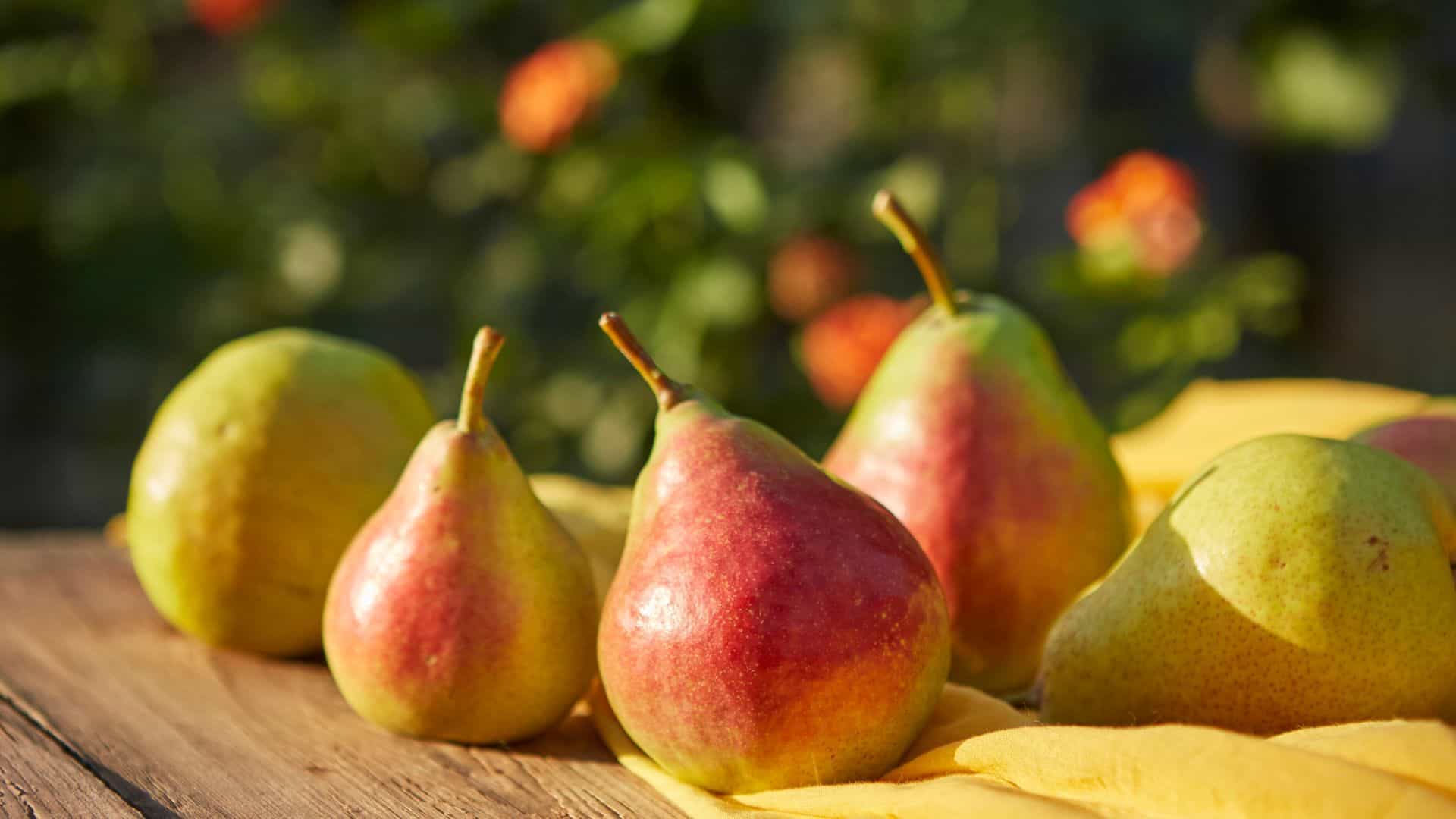
Pear
Pears are unique because they ripen after being picked, which gives you more control over their shelf life. Keeping unripe pears in the fridge significantly slows their ripening.
When you’re ready to eat them, move them to the counter so they can soften over a few days. This approach prevents the common issue of pears going from hard to overripe too quickly, helping extend their shelf life.
Pomegranate
Pomegranates are naturally long-lasting thanks to their thick outer skin. When stored whole in the refrigerator, they can last for weeks and sometimes even longer.
It’s only once they’re opened that their shelf life shortens. The seeds should be kept in an airtight container and used within a few days, but the whole fruit itself is one of the longest-lasting options available.
Cranberries
Fresh cranberries are known for their staying power, largely because of their natural acidity. That acidity helps slow down spoilage and mold growth.
Stored in the refrigerator, cranberries can last for weeks, especially if kept dry and in their original ventilated packaging. Removing any soft berries early can help preserve the rest.
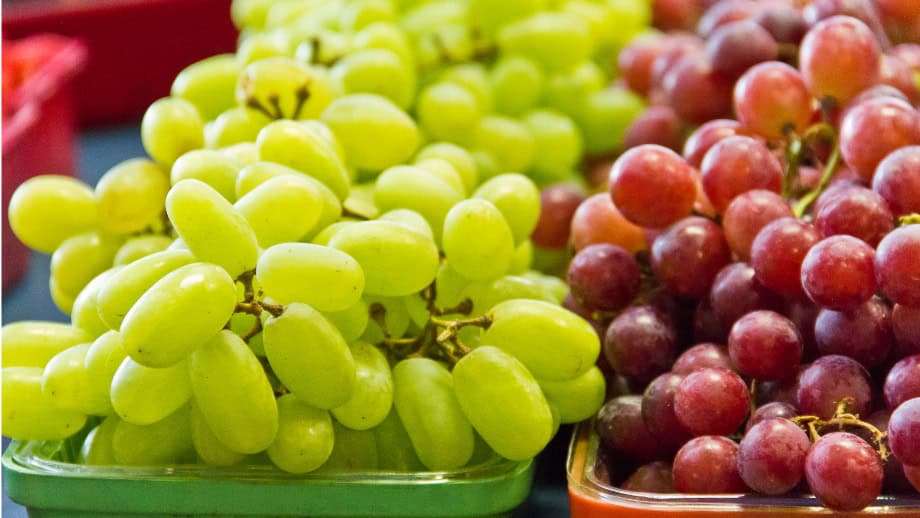
Grape
Grapes can last surprisingly long, but moisture is their biggest enemy. Washing them before storing may seem convenient, but it actually speeds up spoilage.
Keeping grapes dry and refrigerated in a ventilated bag helps them stay fresh for several weeks. Washing them right before eating preserves both their texture and shelf life.
Kiwi
Kiwis are often overlooked for long-term storage, but they can last for weeks if handled correctly. Like pears, they continue to ripen after being picked.
Storing unripe kiwis in the refrigerator slows that process, giving you more control over when they’re ready to eat. If you want to speed things up, placing them on the counter will encourage ripening.
Fruit doesn’t have to be something you rush to eat before it goes bad. With a few simple storage adjustments, many common fruits can stay fresh for weeks, sometimes even a full month.
Keeping them cold, dry, and properly separated can make a noticeable difference, helping you waste less and get more out of every grocery trip.
Leave a Reply