
Easter meals often feel simple on the surface, but the grocery bill can tell a different story. Between holiday staples and seasonal displays, it is easy to spend far more than planned without realizing where the extra cost came from.
Here are some of the most common grocery shopping mistakes that quietly drive up spending during Easter, along with smarter ways to shop.
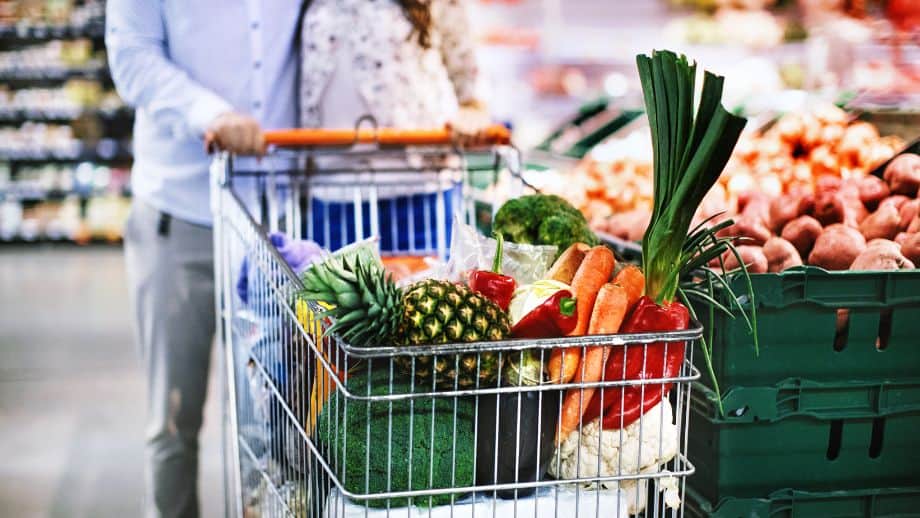
Buying holiday-specific items too early
Seasonal items show up weeks before Easter, and it is tempting to grab them early to stay ahead. Chocolate bunnies and themed baking kits are often priced at a premium when they first hit shelves.
Buying too early locks you into higher prices, especially for items that are not in limited supply. And you'll likely eat half the chocolate, so you'll have to repurchase it.
For pantry staples tied to Easter meals, timing matters as well. Ingredients like brown sugar and baking chocolate often go on sale in the final stretch leading up to the holiday.
Overpaying for the centerpiece
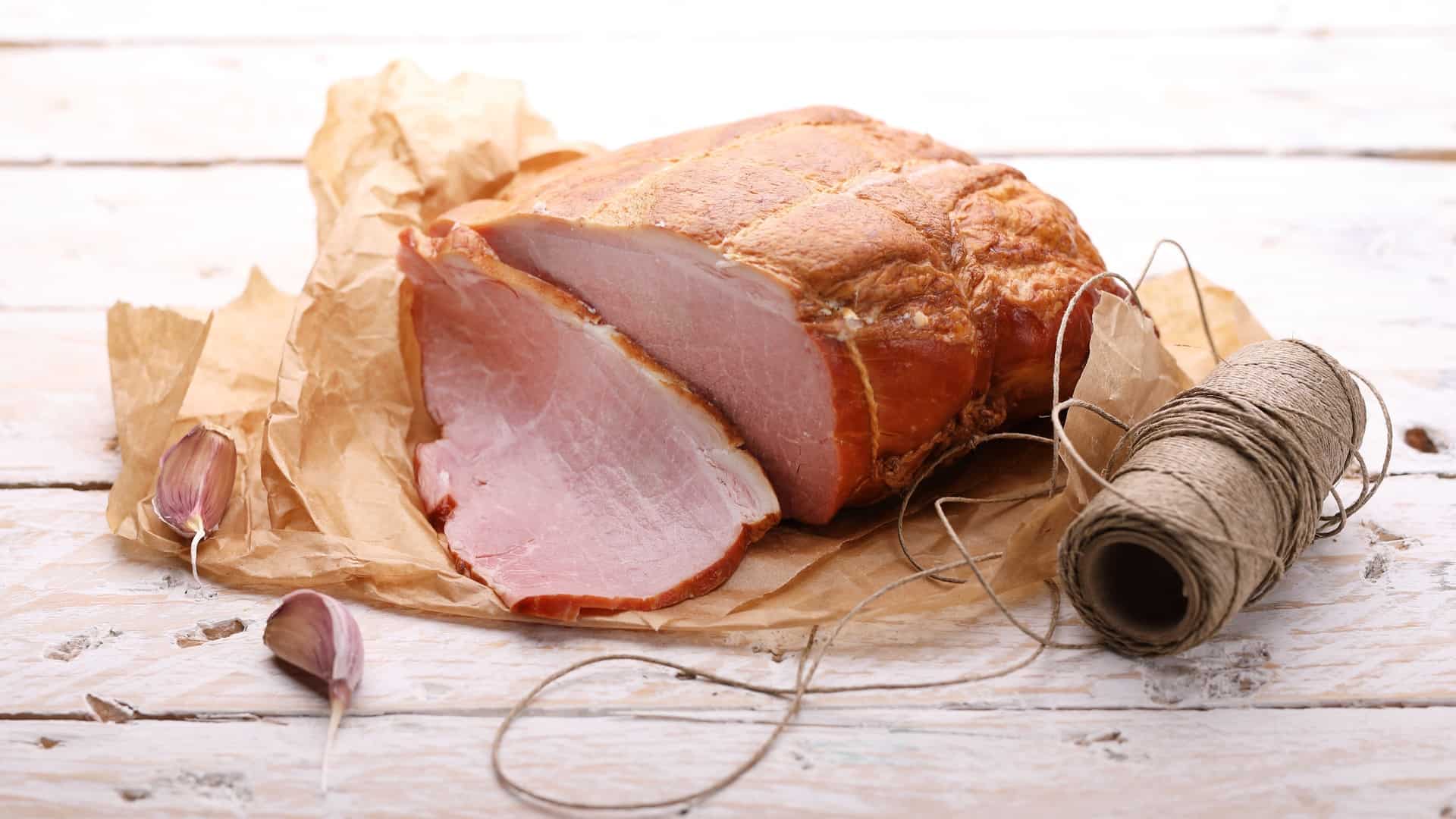
Ham and lamb are central to many Easter meals and are often heavily marketed. That visibility can make it seem like prices are competitive across the board, but that is not always the case.
Pre-glazed hams and specialty labels often come with a noticeable markup. In many cases, a basic ham paired with a simple homemade glaze costs significantly less and delivers the same result.
It is also easy to buy more than needed. Large cuts are often promoted as a better value per pound, but they can lead to waste if leftovers go unused. A smaller cut or even a different protein can keep costs in check without sacrificing the meal.
Falling for “Easter only” packaging
Holiday packaging has a way of making everyday items feel special. Pastel-colored baking chips and limited-edition candies often cost more than their standard versions.
The product inside is often the same. Shoppers end up paying extra for packaging that gets thrown away.
Choosing regular versions of these items can shave dollars off the total without changing the final dish. This applies to everything from cake mixes to snack items used for Easter baskets.
Ignoring unit prices
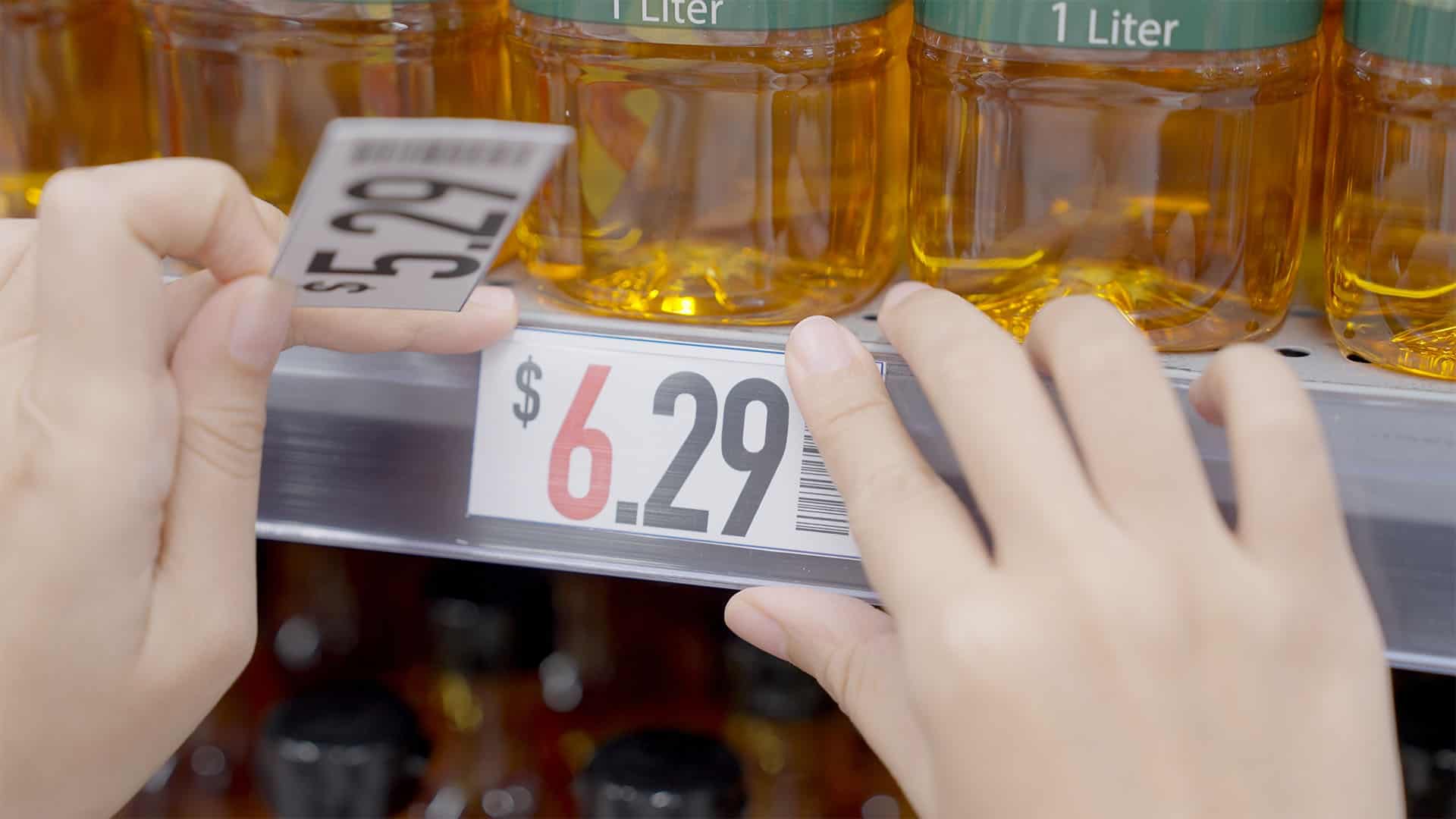
Holiday shopping often turns into a fast-paced experience, especially when stores are crowded. That makes it easy to overlook unit pricing, which is one of the most reliable ways to spot better value.
Family-sized packages are not always the better deal. Some are priced higher per ounce than smaller versions, especially when demand is high.
Taking a moment to compare unit prices can make a noticeable difference, particularly on items like candy and pre-made sides.
Buying too many pre-made sides
Prepared foods can save time, but they often come at a steep markup during holidays. Pre-made mashed potatoes and ready-to-heat casseroles are priced for convenience.
For Easter, these items are often placed near the front of the store, making them easy to grab during a busy trip.
Simple sides made at home usually cost a fraction of the price. Dishes like roasted vegetables or potato salad rely on inexpensive ingredients and do not require much extra time.
Shopping without a plan for leftovers
Easter meals tend to be generous, and leftovers are part of the experience. Still, many people shop without a clear plan for how they will use those leftovers.
That leads to overbuying and, eventually, food waste. Extra ham and desserts can pile up quickly.
Planning a few follow-up meals can help guide how much to buy in the first place. Ham can be used for sandwiches or breakfast dishes. Extra eggs can go into salads or quick lunches. Having a plan reduces both waste and repeat grocery trips.
Grabbing everything in one store
It is convenient to do all Easter shopping in one stop, but that convenience can come at a cost. Different stores often run aggressive promotions on holiday staples to bring in shoppers.
One store may have a strong price on ham, while another offers better deals on baking supplies or candy.
Splitting the trip across two stores, even briefly, can lead to meaningful savings. This is especially true for high-demand items like eggs and seasonal sweets.
Skipping store brands
Brand loyalty tends to increase during holidays, especially when preparing meals for guests. Many people reach for familiar labels without checking alternatives.
Store brands have improved in quality and often closely match national brands, especially for basic ingredients like flour and dairy.
During Easter, switching to store brands across several items can reduce the overall bill without changing the final outcome of the meal.
Shopping hungry and rushed
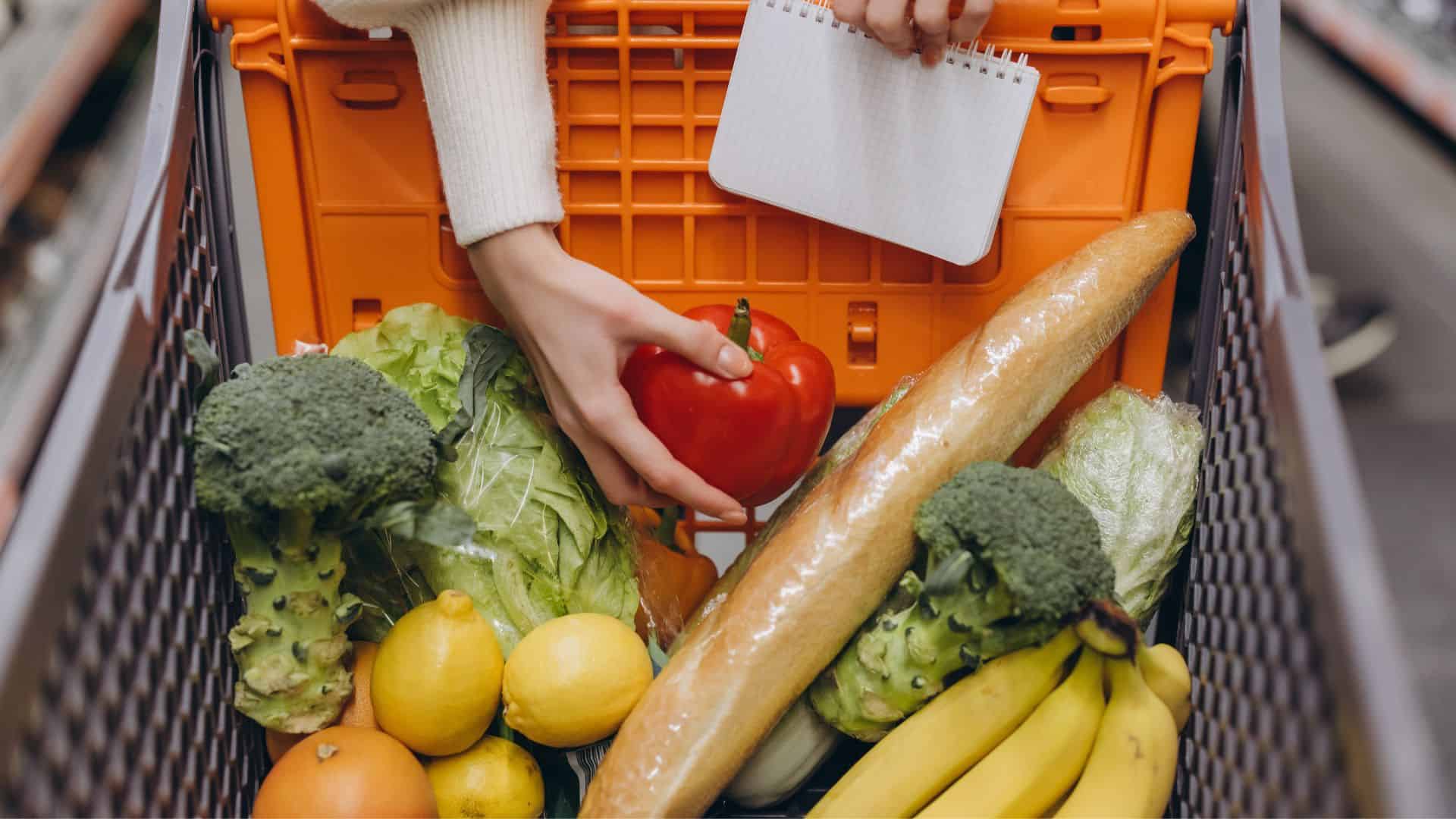
Busy schedules and crowded stores can turn Easter grocery trips into quick, reactive decisions. Shopping while hungry or pressed for time increases the chance of impulse purchases.
Seasonal displays are designed to catch attention, and it is easy to add items that were not part of the original plan. Going in with a list and sticking to it helps keep spending focused. Even a short pause before checking out to review the cart can help catch unnecessary extras.
Overbuilding Easter baskets
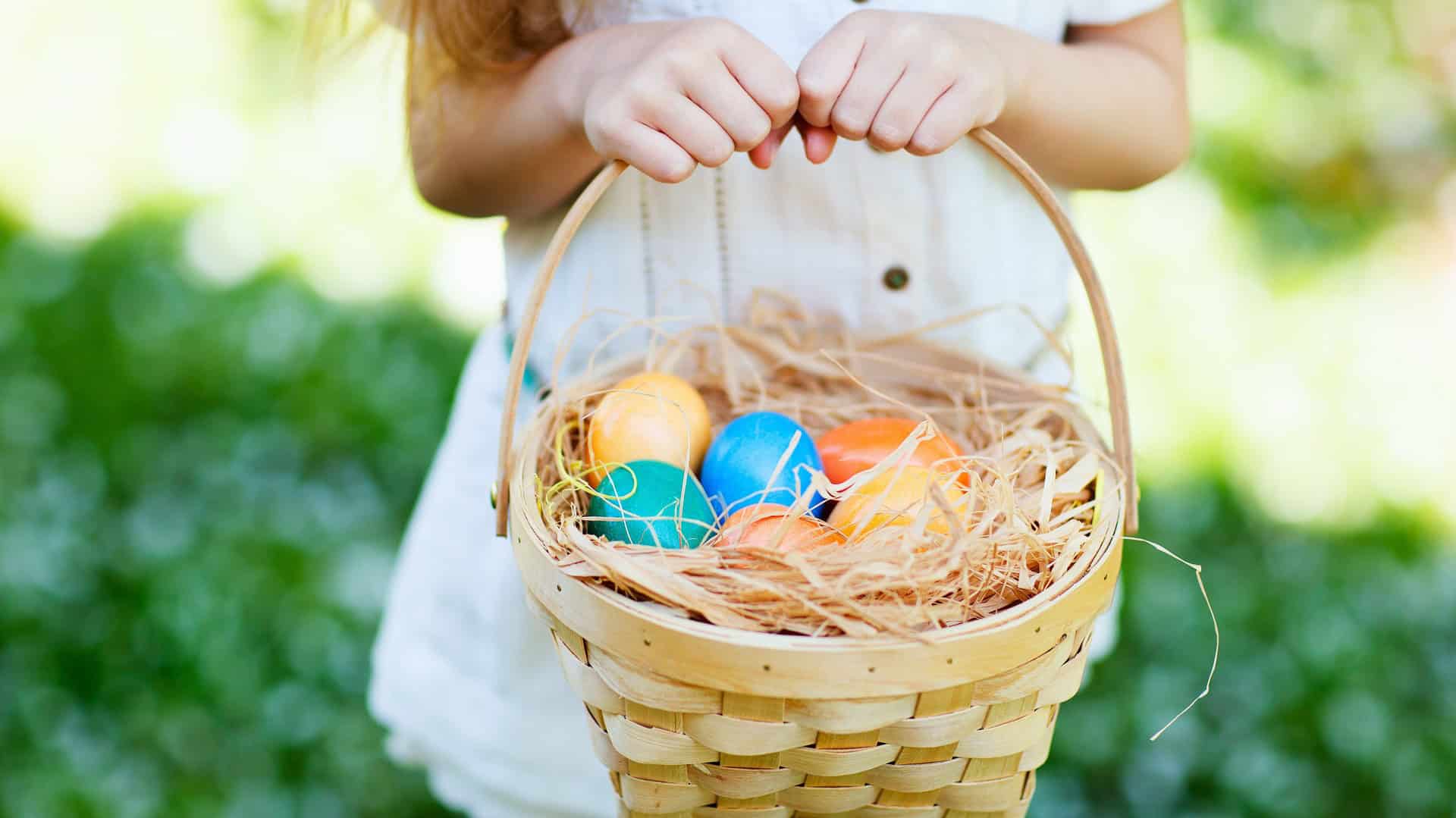
Easter baskets can be among the most expensive parts of the holiday. It often starts with a few treats and quickly grows into a mix of candy and novelty items.
Seasonal packaging and themed bundles make it easy to overspend without noticing.
Keeping baskets simple can help manage costs. A mix of a few favorite candies and a practical item, like a book or an outdoor activity, often feels just as complete without the extra expense.
Waiting until the last minute
Last-minute shopping limits options and often means paying higher prices. Popular items may be sold out, leaving only premium versions or larger sizes.
That pressure can lead to quick decisions and higher spending. Planning the shopping trip a few days ahead allows for more flexibility. It gives time to compare prices and avoid paying more for convenience.
The takeaway
Easter grocery costs add up quickly, often through small decisions that feel harmless in the moment. Seasonal packaging and rushed shopping trips can quietly push the total higher.
A bit of planning and a willingness to swap in simpler options can make a noticeable difference. The holiday meal still feels special, but the final bill is far more manageable.
Leave a Reply