
Spring cleaning the kitchen often starts with good intentions. Cabinets get emptied, and old items finally get tossed. But in the rush to get everything done, it is easy to miss details that affect food safety and even the lifespan of appliances. Some mistakes are small but add up over time. Others can undo the work entirely.

Cleaning out the pantry without a plan
Pulling everything out of the pantry can quickly turn into a bigger mess than expected. Without a system, items get shuffled around and end up just as disorganized as before.
Sort items into clear categories before putting them back. Keep everyday staples within easy reach and place less-used items higher up. Check expiration dates and discard anything past its prime. A simple structure makes it easier to maintain.
Skipping the fridge
It is tempting to wipe down shelves and call it done, but cleaning around old food does not solve the problem. Expired condiments and mystery containers all take up space and can affect freshness.
Start by removing everything. Check dates and be honest about what will actually get used. Once the fridge is empty, clean every surface before putting anything back. Group similar items together so nothing gets lost again.

Using the wrong cleaners on surfaces
Not all surfaces in a kitchen can handle the same products. Harsh cleaners can damage countertops or leave residues unsuitable for food prep areas.
Stone counters, stainless steel, and wood all require different care. A strong chemical may seem like the fastest option, but it can dull surfaces or cause long-term wear. A mild cleaner paired with warm water is often enough, especially when used regularly.
Forgetting high-touch areas
Most cleaning efforts focus on what is easy to see, but the dirtiest spots are often the ones touched the most. Cabinet handles and faucet handles collect buildup quickly.
These areas can harbor more bacteria than countertops if left uncleaned. Wiping them down with a safe disinfectant should be part of the routine, not an afterthought. It only takes a few extra minutes and makes a noticeable difference.
Ignoring small appliances
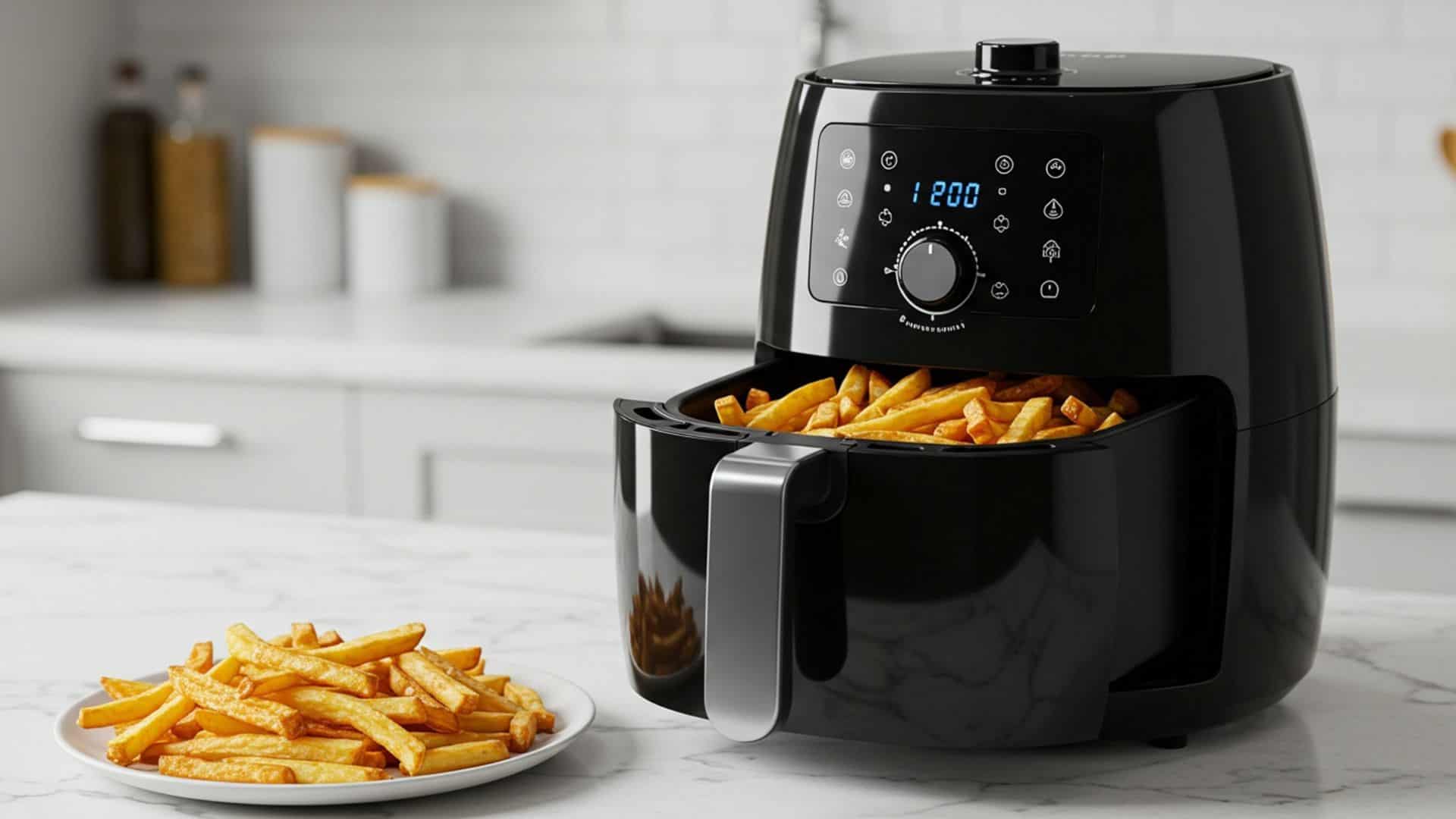
Toasters and air fryers are often used but cleaned less frequently. Crumbs and moisture build up inside and can affect both performance and taste.
Spring cleaning is a good time to unplug these appliances and give them attention. Empty crumb trays and wash removable parts. It extends the appliance's lifespan and keeps food tasting the way it should.
Overloading the dishwasher
Running the dishwasher feels like a time-saver, but packing it too tightly can leave dishes less clean than before. When water and detergent cannot reach every surface, residue stays behind.
Spacing matters. Plates and utensils need room for proper circulation. It may take an extra load, but the result is cleaner dishes and fewer re-washes.
Using too much water on wood
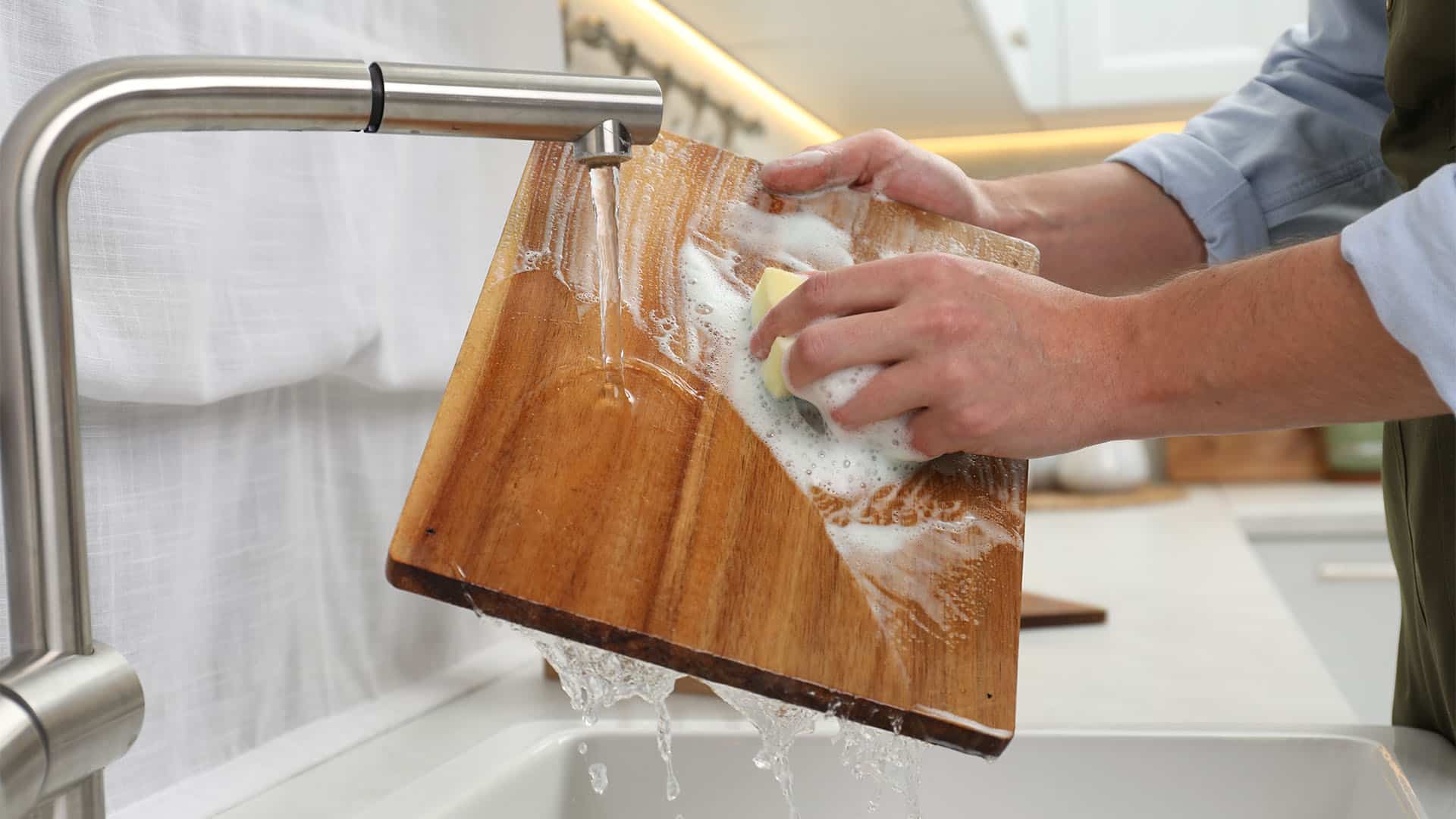
Wood cutting boards and wooden utensils need careful cleaning. Too much water can cause warping or lingering odors.
Instead of soaking, wash them quickly with warm, soapy water and dry them right away. Applying a food-safe oil occasionally helps keep the wood in good condition. It is a small step that prevents long-term damage.
Neglecting the garbage disposal
The garbage disposal is often out of sight, which makes it easy to ignore. Over time, food particles can accumulate and cause odors.
Running water alone does not fully clean it. Grinding ice can help dislodge debris, while citrus peels can freshen the smell. Regular maintenance keeps it working efficiently and prevents unpleasant surprises.
Mixing cleaning products
Combining cleaning products may seem like a way to get better results, but it can create harmful fumes. Some mixtures are unsafe and should always be avoided.
Stick to one product at a time and follow the instructions on the label. Good ventilation also matters, especially in a smaller kitchen space. Safety should always come first.

Rushing the process
Spring cleaning often turns into a race to finish, which leads to missed spots and shortcuts. Wiping surfaces quickly without letting cleaners sit long enough can reduce their effectiveness.
Taking a more methodical approach pays off. Clean in sections and double-check areas before moving on. The goal is not just a cleaner kitchen in the moment, but one that stays that way longer.
The takeaway
Spring cleaning the kitchen works best when it is done with intention rather than speed. Small adjustments in how each task is handled can lead to better results that last beyond a single weekend.
A thorough clean is not just about appearance. It supports food safety and makes everyday cooking easier. Avoiding these common mistakes can turn a routine chore into a reset that actually sticks.
Leave a Reply