
Choosing a restaurant often feels unpredictable. One visit can lead to a memorable meal, while another leaves you wishing you had stayed home. In many cases, the difference isn’t dramatic, and it comes down to small, easily overlooked details.
Long before the food arrives, there are subtle signals that shape the experience. These early impressions often reflect what’s happening behind the scenes, offering a reliable sense of what to expect from the meal overall.
A recent Reddit thread asked, "What's a restaurant red flag that tells you the food isn't going to be good?" The internet came through like it always does, with tons of great stories and thoughts.
The responses
Over 3,000 people gave examples and situations that let them know to stay away from places that didn't serve good food.
One person said, "A BBQ restaurant where you don’t smell smoke outside." That is definitely a big red flag. You can't make good BBQ without smoking the meat, so if that's missing, the flavor is most definitely going to be missing from the food.
Another wrote, "A menu with more different types of food offerings than the restaurant has seats. I’m not talking about a pizza place with 100 different types of pizzas. More of a family-style restaurant menu that somehow sells everything from tacos to grandma's cooking to sushi and classic Italian."
Yes, this is a big red flag. Restaurants can't be good at everything, and when they try to be, they often fail. Menus should highlight a few of the things they make well, not just list a bunch of random items.
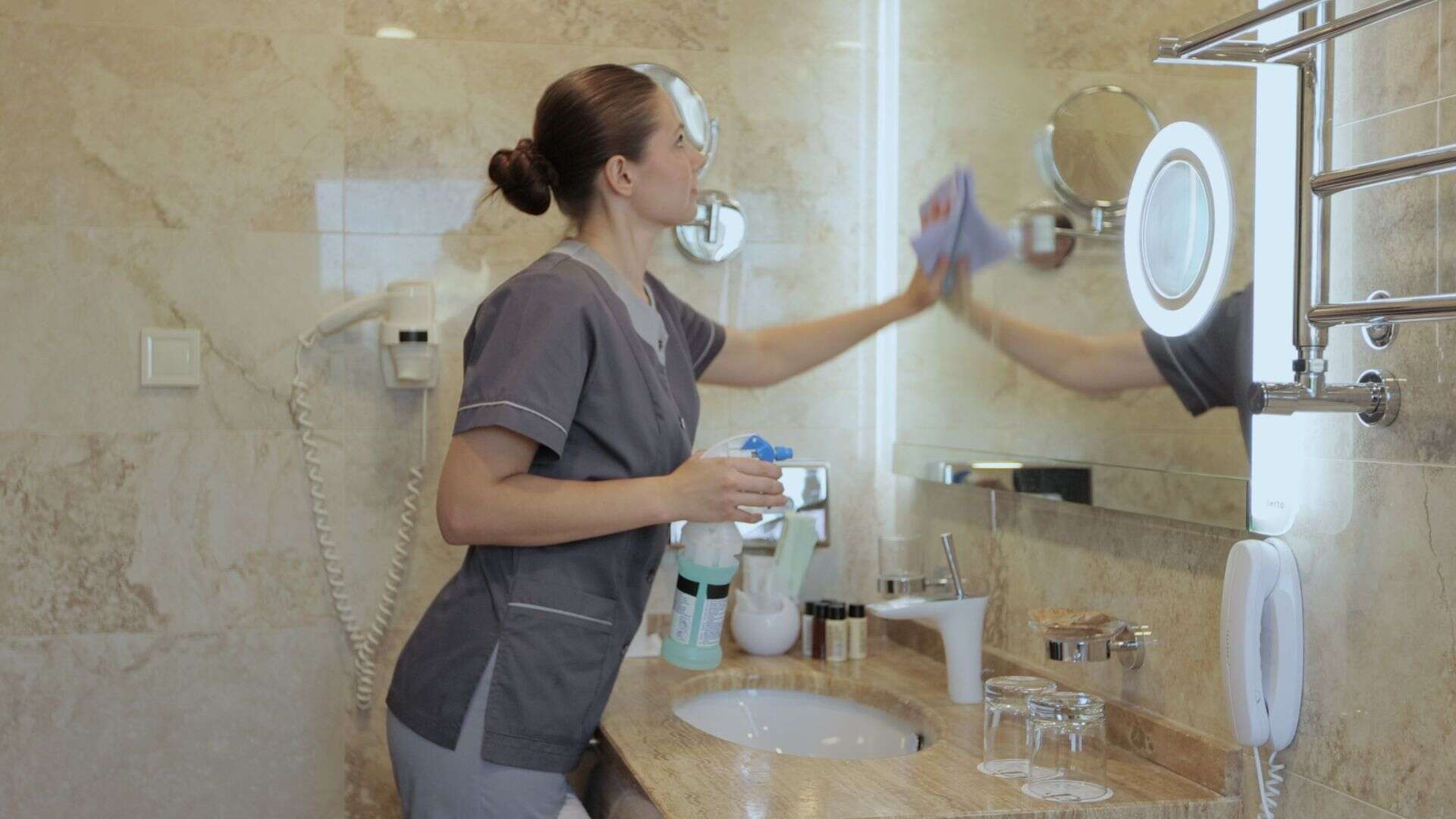
This person gave this piece of advice. "Check the bathrooms."
That is a big clue about where you are eating. If the bathrooms are a disaster, that is an indicator of how chaotic and messy the rest of the place is.
Someone wrote, "When you open the menu for the first time, and it's sticky or dirty already. They couldn't even wipe down a laminated sheet, no chance they are cleaning anything else."
That's the worst. People don't want to show up to a restaurant to immediately feel like what they're ordering from is dirty. It's a gross look and feel.
This person wrote, "Using AI pics in the menu."
That would be an absolute deal breaker to see no real actual food images at all on the menu.
One comment said, "There's nobody there."
That is also a pretty strong indicator, but it's not always a deal-breaker. There can be other reasons for lower traffic, like weird times of day, but if it's a consistent pattern with no one there, it may be a clue to order food elsewhere.

More restaurant red flags
Beyond the usual warning signs, here are a few other instances that can hint the food may not live up to expectations.
Menus that are overly complicated or hard to read can be a red flag. If you have to Google to figure out what’s being offered, it can feel like style is being prioritized over substance.
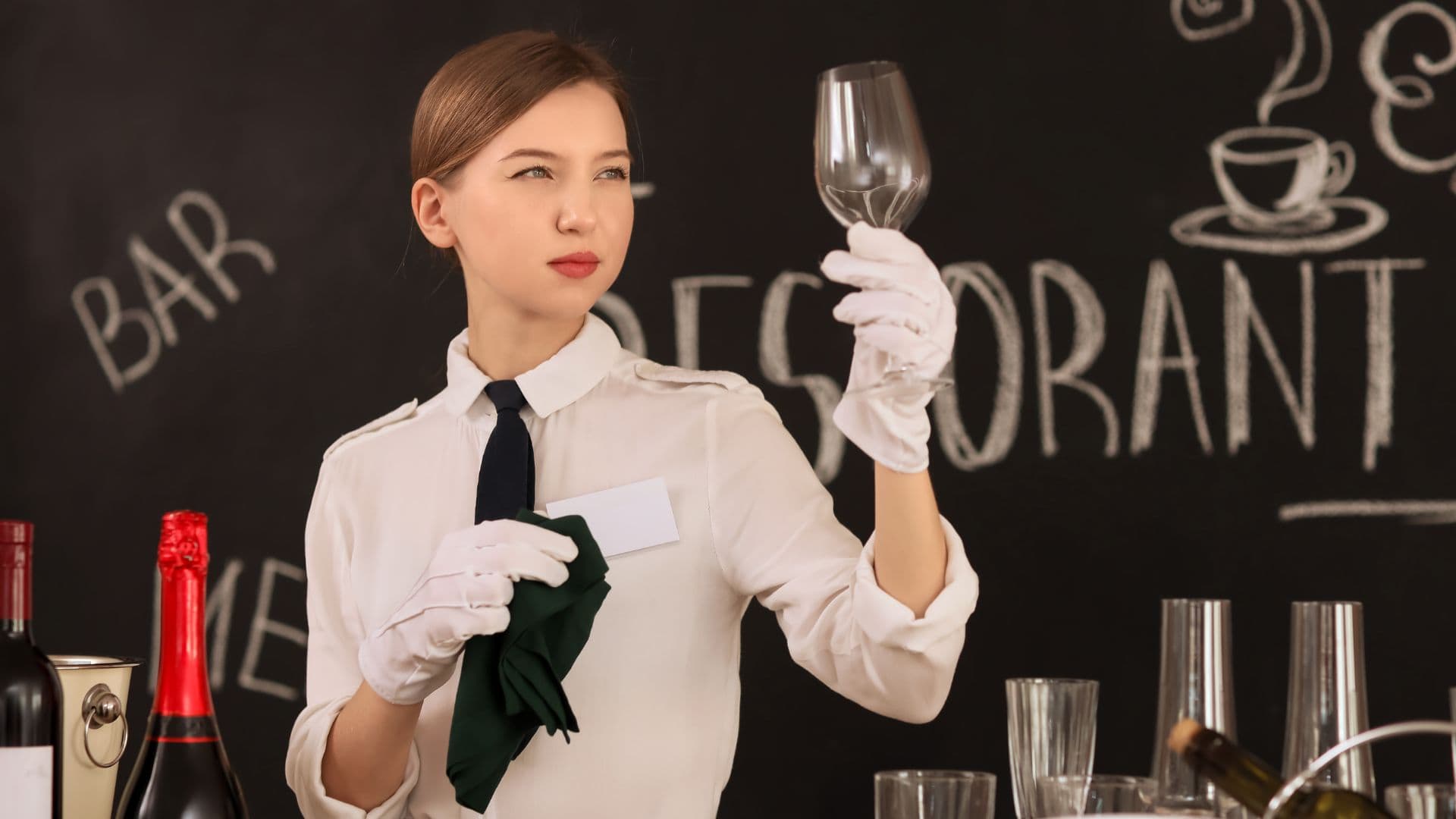
Water glasses, silverware, or plates arriving with visible spots or residue should raise flags. It’s one of the first physical interactions with the table setting, and if it’s not clean, it sets the wrong tone.
Overly long wait times for simple dishes are a big no-go. While some meals take time, basic items that drag on too long can point to disorganization behind the scenes.
Food arriving suspiciously fast can indicate that it's not made from scratch. If a complex dish hits the table within minutes, it can make people wonder how much was actually cooked to order.
An overwhelming smell of grease throughout the dining area can be a real dinner buzzkill. While some food aromas are expected, a heavy, lingering grease smell can be off-putting.
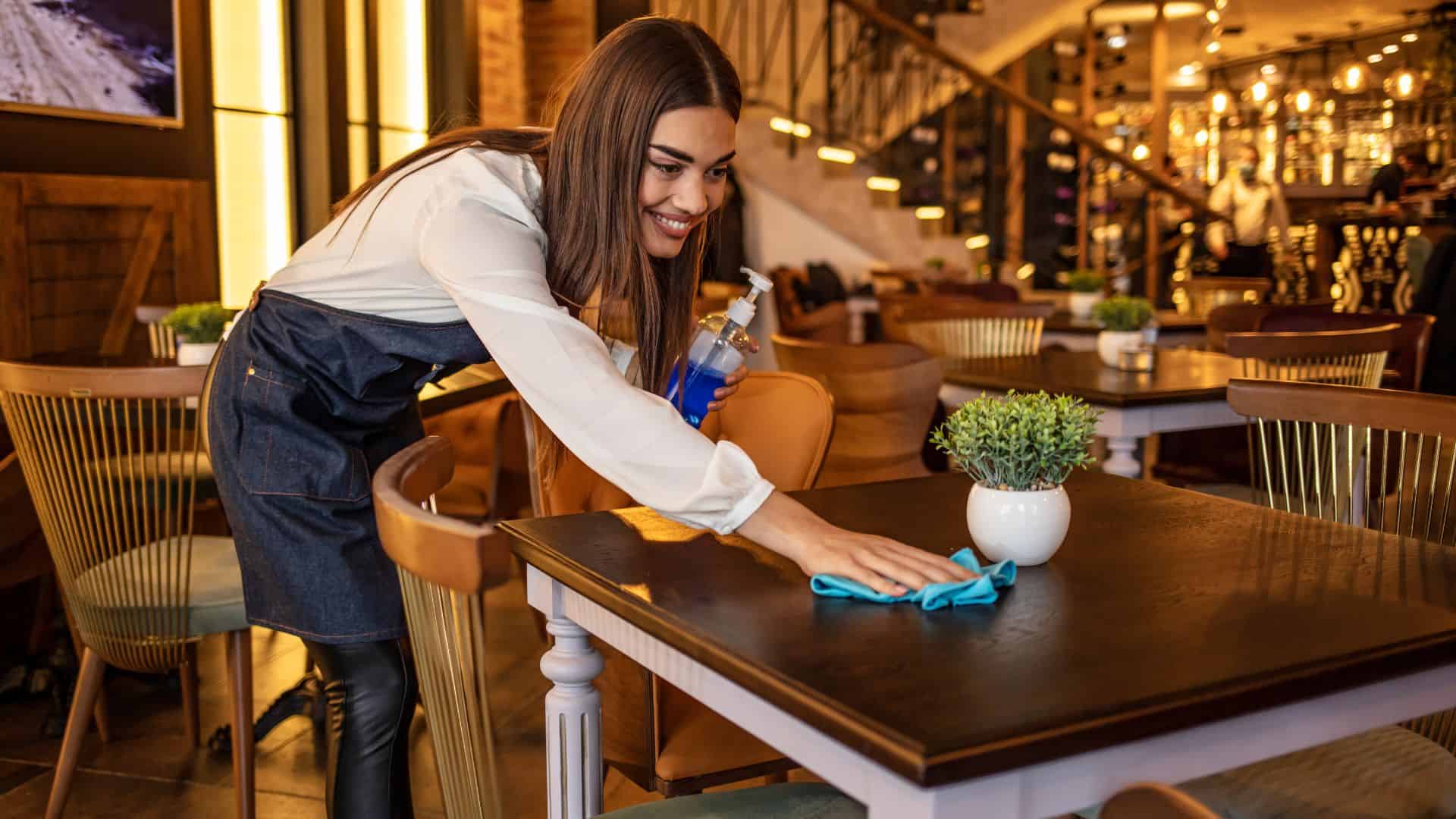
Tables that feel sticky or are not fully wiped down, even if they look clean, can have people walking right back out the door. No one wants to eat at a dirty table, and it shows that the restaurant doesn't care, either.
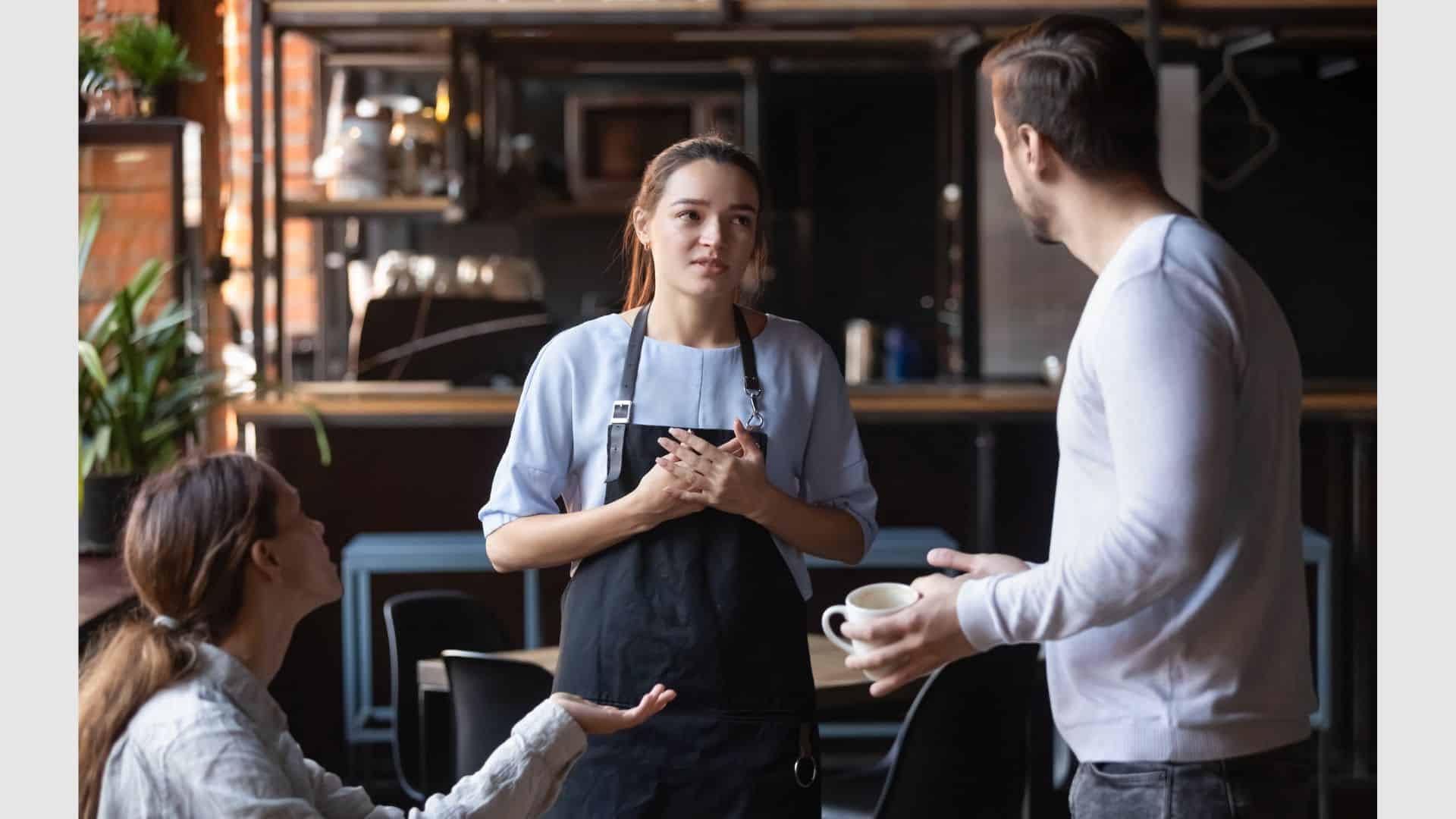
Staff arguing or showing visible tension in front of customers can hurt business. It can signal deeper operational issues that may affect service and food quality.
No visible handwashing stations or staff not following basic hygiene practices are an immediate no-go. That's not only dangerous but also one of the biggest rules people in the restaurant industry have to follow.
None of these on their own guarantees a bad experience, but when several show up together, it’s usually worth paying attention.
Leave a Reply