
Food has a way of bringing people together, but it can also spark unexpected reactions. Sometimes a dish that seems perfectly normal to one person can leave others feeling surprised or unsure how to respond. When different expectations about food collide at the same table, even a simple gathering can turn awkward.
The question
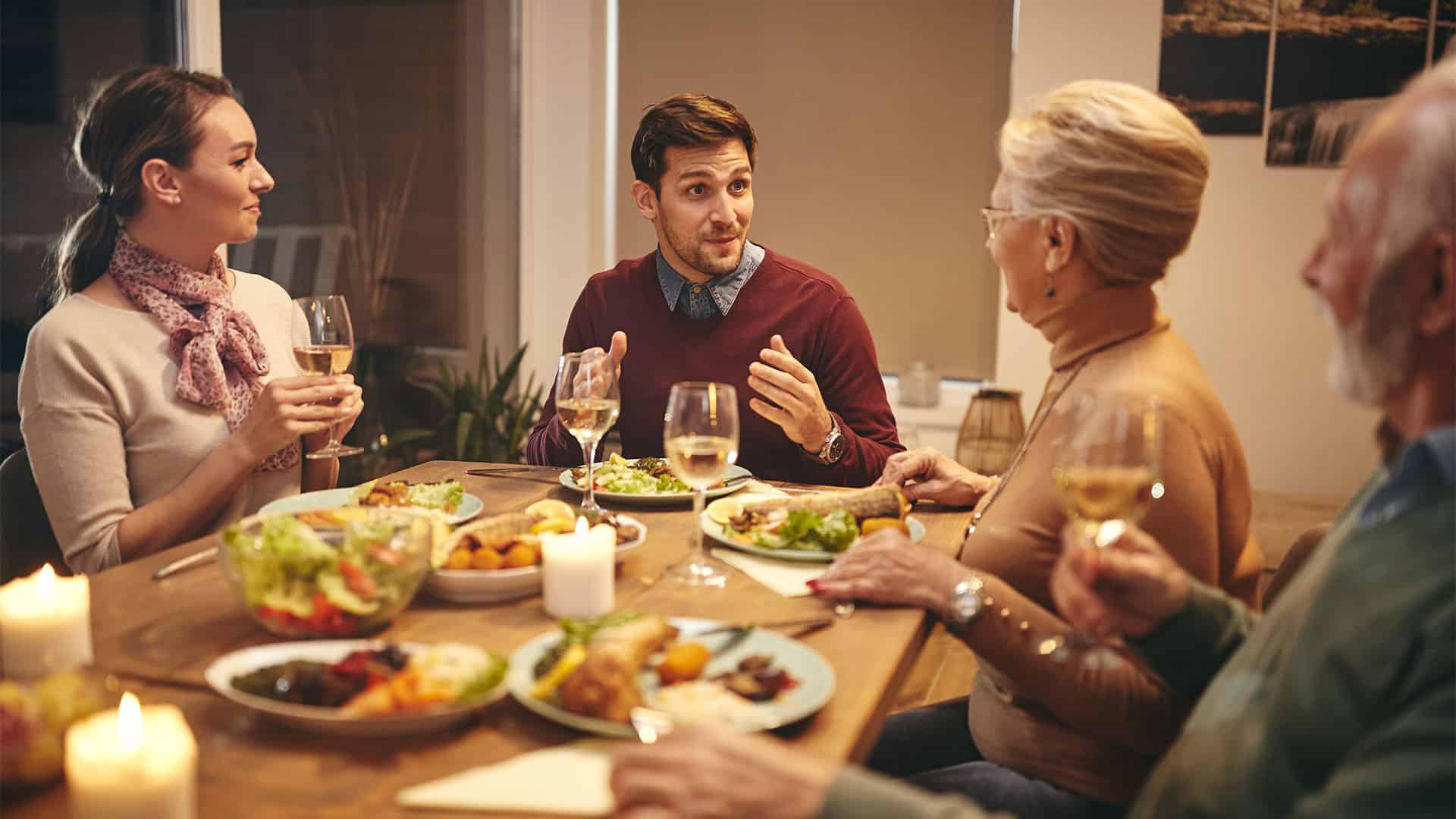
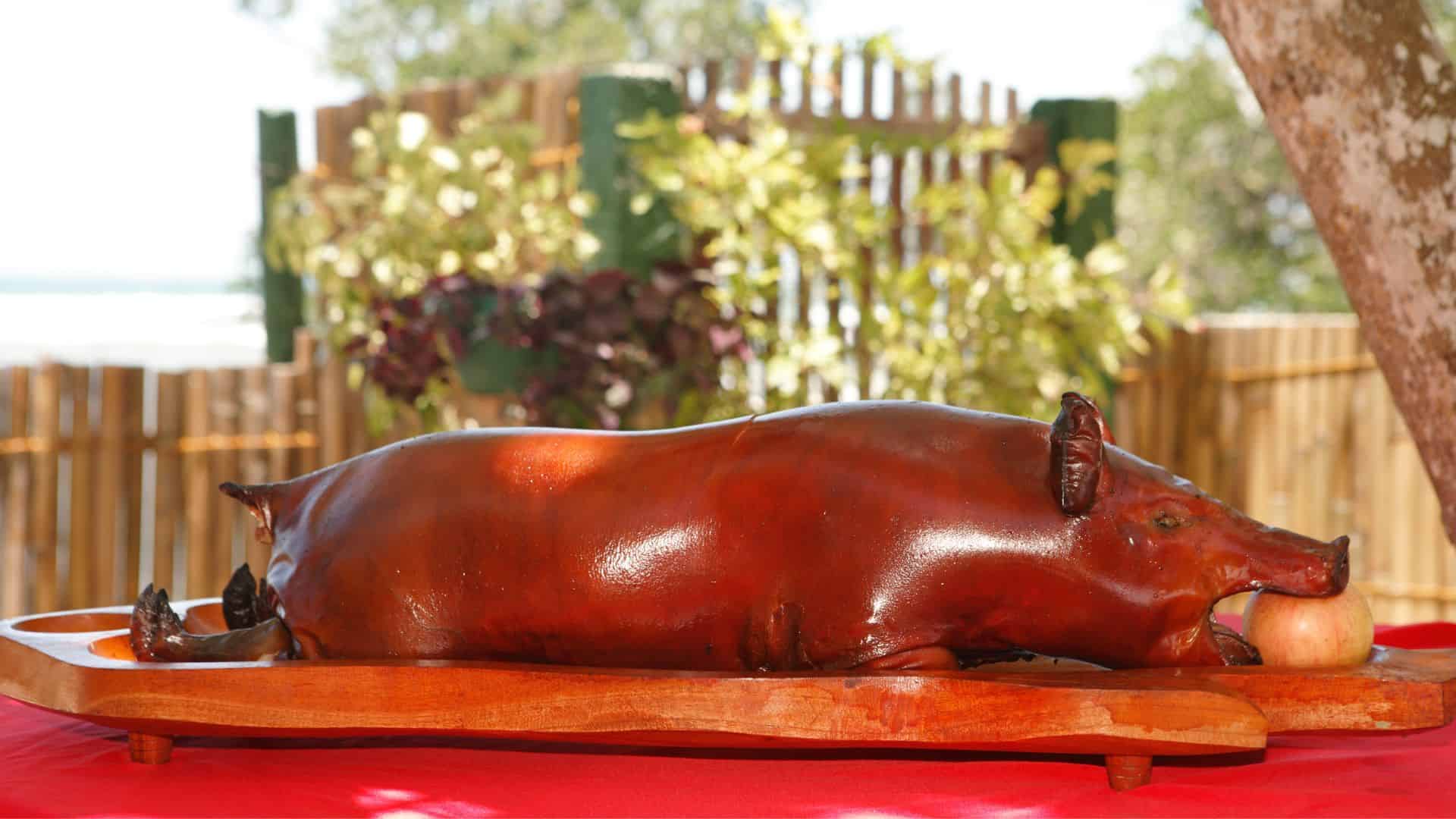
In a recent Reddit thread, it was asked, "Am I in the wrong for roasting a suckling pig for a family gathering?" He went on to say that he roasted a pig for his annual family gathering. He didn't expect the kids to eat it since he left the head on, but thought more adults would try it. No one ate it except him and a few other family members.
His aunt said that he shouldn't have brought that disgusting thing to the gathering. He didn't want to argue, so he removed it from the table and put it in his car.
Now he's wondering if he should have cut the head off the pig, or was he in the right to argue about the hypocrisy of eating other meats but not that one.
The responses
Over a thousand people hopped onto the thread to give their thoughts and opinions.
One person said, "I eat meat, but I prefer not having it look back at me." That's likely how a lot of people felt. People who eat meat likely haven't eaten it with the animal's head still attached. It's a whole vibe.
Someone else wrote, "This is a know your audience type of situation, in some places this would be a well-received special treat, in your family it was a hard pass."
Another great point. If he knew it wouldn't go over well with his family, he should not have brought it up in the first place. Reading the room and knowing your audience are all part of the situation.
This person said, "When I eat a steak, I know what I’m eating. That doesn’t mean I want it staring back at me."
A lot of people feel that way. People know where meat comes from and which animal it comes from. But when the head is on the body, it's a whole other game.
Someone simply said, "The goal of bringing food should be for the people to enjoy it."
If that was the goal for the family dinner, it's safe to assume that he didn't hit that goal. Now that he's aware, maybe he'll pivot a bit better next time.
Food traditions don’t always translate
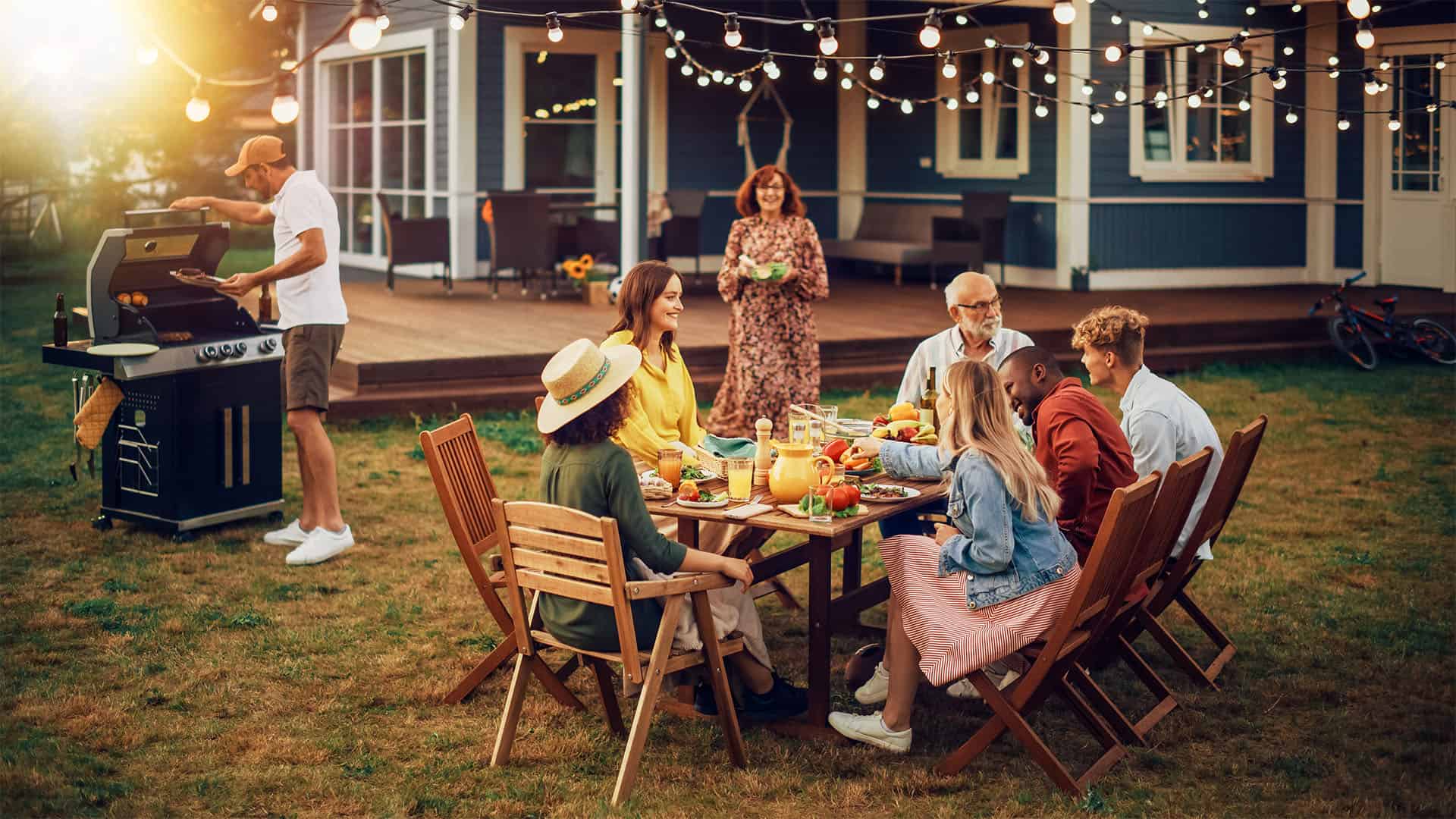
Meals are often about more than just what is on the table. Food carries family traditions and personal comfort levels. What feels completely normal in one setting can feel surprising, or even uncomfortable, in another.
Across many parts of the world, serving whole animals at gatherings is not unusual. A roasted pig or roasted lamb can be the centerpiece of a celebration. In places where these traditions are common, the presentation is often seen as a sign of generosity and effort.
Preparing an entire animal typically requires time and skill, and it is often associated with large gatherings meant to bring people together.

But food presentation matters just as much as the food itself. In many households, especially in the United States, meat is usually served in a more removed form. Chicken arrives as breasts or wings. Pork becomes chops or pulled pork. Fish is often filleted. Over time, this has created a certain distance between the meal and the animal it came from.
When that distance suddenly disappears, it can catch people off guard.
For some, seeing the whole animal creates a stronger emotional connection to what they are eating. Even people who regularly eat meat may feel uncomfortable when the animal is clearly recognizable. It forces a moment of reflection that most people do not normally experience during a meal.
At the same time, others see this reaction as inconsistent. From their perspective, eating meat already involves accepting where food comes from. Presenting the animal whole can feel more honest about that reality rather than hiding it.
Neither viewpoint is necessarily wrong. They simply reflect different relationships with food.
That is why communication and awareness can make such a difference when planning meals for groups. Understanding what people are used to eating and how they expect it to be served can help avoid awkward moments and keep the focus on spending time together.
Leave a Reply