
Weddings are meant to be joyful, generous celebrations, but every so often, a single detail shifts the conversation. One recent ceremony has sparked debate online, not because of the dress or the vows, but because of what guests were asked to contribute.
What happened
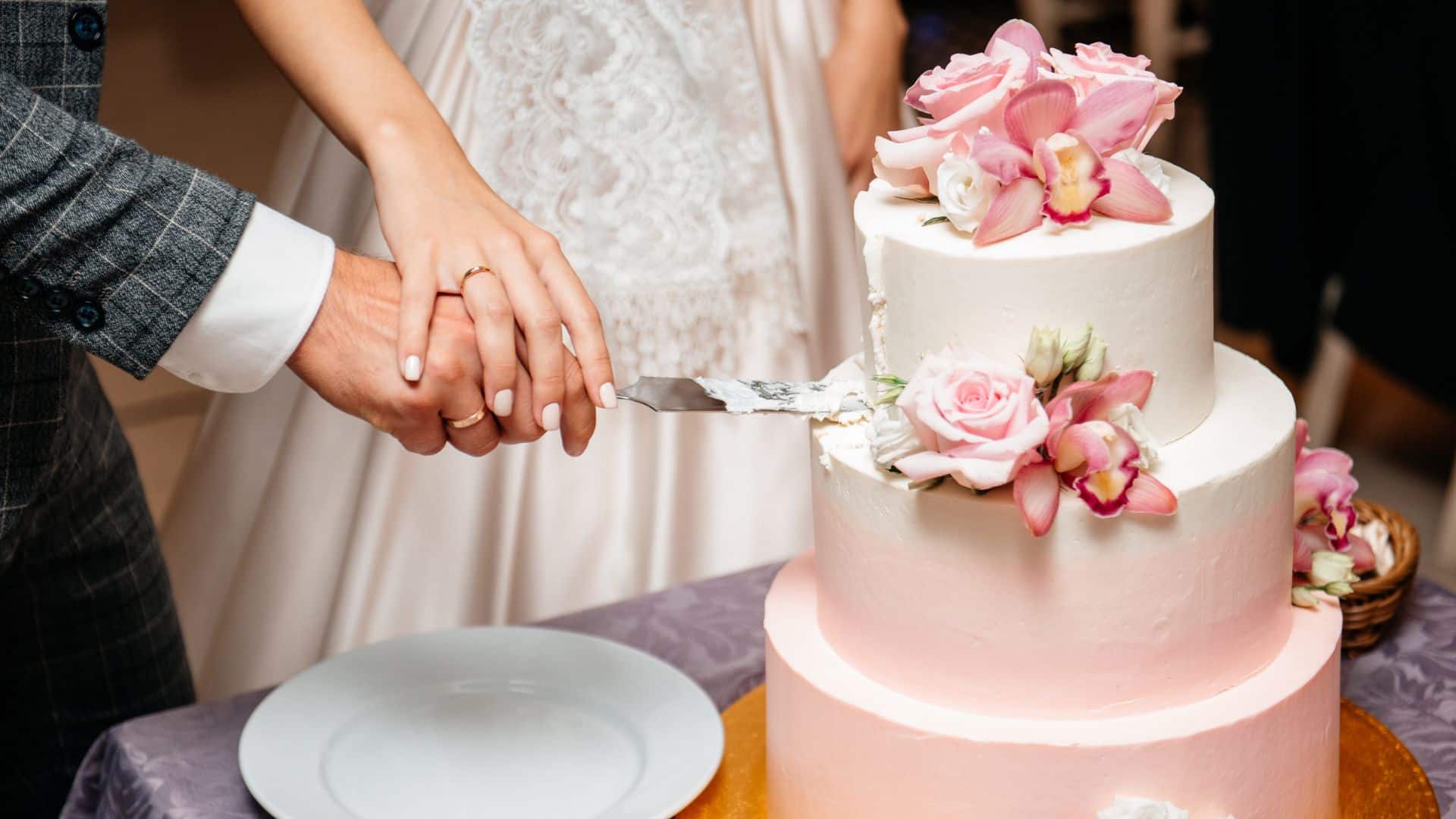
One bride is making headlines for asking her wedding guests to pay $75 for their own plate of food at her reception dinner.
According to Fox5atlanta, the bride included the payment request with the wedding invitations she sent. That way, it was crystal clear what was needed from her guests for them to be part of her big day.
While wedding guests have the right to choose whether to attend, this one request from the bride may alter the RSVP. Is it tacky or part of the new normal? People are weighing in with their thoughts.
Reactions
These kinds of headlines aren't new, but they never stop being surprising. The comment section is always full of people willing to share their thoughts and opinions.
One person wrote, "Don’t have a lavish wedding with a meal if you can’t afford it. Go to the justice of the peace. Get married. Then tell all your closest friends to meet you at a bar to celebrate. That way everybody buys their own drinks case closed." It's not a bad idea. If the bride is worried about costs, then altering her wedding a bit can help everyone.
Another said, "Have a potluck instead. At least then people feel part of the day instead of a paying customer." A potluck can work, but that's pretty casual for a wedding. Most people don't want to worry about making a dish, transporting it to the wedding to share, only to take the dirty dish back home at the end of the night.
Someone else had the suggestion, "Have the spiritual ceremony at your church or courthouse and a potluck reception. It can be in your family’s backyard. Not for everyone but the nostalgia is there." This way isn't for everyone, but it can be a great way to focus on guests and have fun with them, while also not breaking the bank.
One person commented, "If you are asking for people solely to pay for the plates and no gifts by all means , but don’t expect both . Most people usually consider your plate costs and additional as a gift anyway so why even request it?" This is a good point. If the bride considered the dinner their wedding gift, then maybe that would go over a lot better with guests, and they wouldn't hesitate as much.
Others didn'nt agree. "Tacky. If you can’t afford it don’t have it!" This was a common trend throughout the thread. Many people felt it was in poor taste for the bride to ask this of her guests.
One person questioned the amount, "$75 per head? Ain’t no way each plate cost $75 per head. I worked in catering for years, that’s just a money grab." People may be surprised by the cost of catering and food, as well as all the other wedding expenses. According to NCHstats, the average wedding cost in the United States is $35,000.

Why this matters
Weddings have always reflected more than two people getting married. They signal values and social norms around money and community. When a bride asks guests to pay $75 a plate, the reaction is not just about one invoice tucked inside an invitation. It taps into a bigger question about what a wedding is supposed to represent.
Costs are rising across the board. Venues, catering, photography, and travel are all more expensive than they were even a few years ago. At the same time, people who are invited to weddings are also feeling financial pressure. Flights and gifts add up quickly. When the bride and groom shift part of the reception cost onto guests, it blurs the traditional line between “host” and “attendee,” and people have strong feelings about where that line should be.
There is also a cultural expectation at play. In many places, hosting a wedding means feeding and entertaining everyone as a gesture of gratitude for their presence. Charging for a plate challenges that norm. For some, it feels practical and transparent. For others, it feels transactional, as if a celebration is turning into a ticketed event.
That tension is why stories like this go viral. They highlight how weddings are evolving amid inflation and shifting etiquette. People are rethinking what they can afford and what traditions still make sense, while others are rethinking what they are willing to pay for and what feels reasonable.
At its core, the debate is not just about $75. It is about expectations and how we define generosity in a time when everyone is watching their budget.
Leave a Reply