
Spring cleaning can either reset your kitchen for the year ahead or leave you knee-deep in mismatched lids and mystery spices.
Spring is the perfect time to give your space a much-needed reboot. The kitchen is the perfect place to start because it collects clutter quickly. A few extra mugs here. An extra set of measuring spoons is there. A drawer that slowly turns into a holding zone for things you might need someday.
I have done this enough times to know that decluttering a kitchen is less about buying bins and more about making clear decisions. Once you do that, the organizing part becomes simple.
Start with a full reset
If you try to declutter one corner at a time without pulling everything out, it is easy to underestimate how much you have. Empty one cabinet or drawer completely. Wipe it down. Then look at the items on the counter together.
Seeing everything at once changes your perspective. Three vegetable peelers suddenly look excessive. Five half-used bags of flour feel unnecessary. When items are scattered, they seem harmless. When they are piled together, the truth is clear. It just might open your eyes that you're a bit of a spatula hoarder, but sometimes the truth needs to be seen.
Try working in zones. Finish one area before moving on to the next. That momentum helps you make more confident decisions and gives you a rush when the area is complete.
Toss without guilt
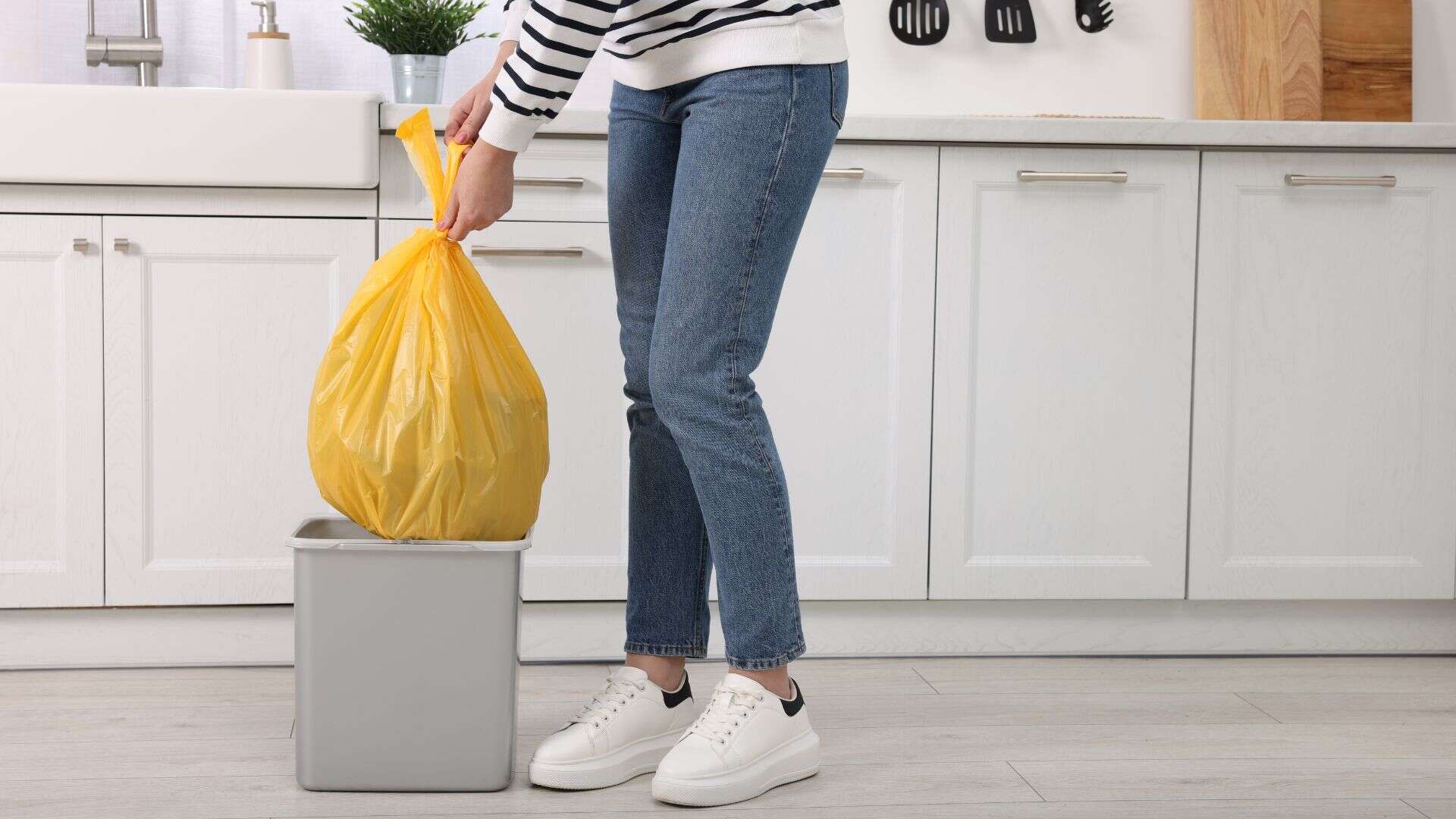
Expired food is the easiest category, but it still surprises people how much is sitting in the back of a pantry. Check dates on everything. Spices have a way of sitting in the cabinets for years, well past their prime date. If you cannot remember the last time you used something and it is past its date, let it go.
Old flour and grains can develop off-flavors, and rancid oil will ruin a dish. Even though it might feel painful, it's better off in the trash than eating it.
Broken tools should also get tossed. If the can opener sticks every time or the spatula has a melted edge, it has already served its purpose. Keeping it does not make it more useful.
You may find that you have some “maybe someday” items. That specialty pan you bought for one recipe, or a novelty gadget still in its box. If it has been sitting untouched for a year or more, it is taking up space that could be used more effectively.

Be real about duplicates
Many kitchens have duplicates hiding in plain sight. Most people have multiple sets of measuring cups, and does anyone really need six wooden spoons or three whisks?
Keep your best versions. The sturdy sheet pan that isn't warped and the sharp knife that feels good in your hand. Let the lower-quality extras go by donating to a friend or a local donation center.
Mugs are another issue. People hold onto them for sentimental reasons, but do yourself a favor and keep the ones you truly enjoy using. If you always reach for the same three, that tells you something. Not all mugs are created equal. Some just feel good, and if you ask people if they have a favorite mug, almost everyone does. Favorite mugs stay; all others can be removed.
You do not need a backup for every item. In most homes, one reliable tool is better than three average ones.
Check the drawer everyone avoids
There is usually one drawer that collects random items: takeout soy sauce and small gadgets. In our neck of the woods, we call this the junk drawer. Need a thumb tack? Check the junk drawer. Looking for the small flashlight? Check the junk drawer.
The best way to tackle it is to dump it out and sort it into clear categories. Keep a small container for frequently used items such as chip clips or measuring spoons. Toss expired condiment packets and recycle old instruction manuals you can easily find online.
When you return items to the drawer, give each category a defined space. A few inexpensive dividers can prevent the drawer from reverting to a catch-all.
@kelseyvenkov shows how to quickly organize a junk drawer.
Rethink the pantry
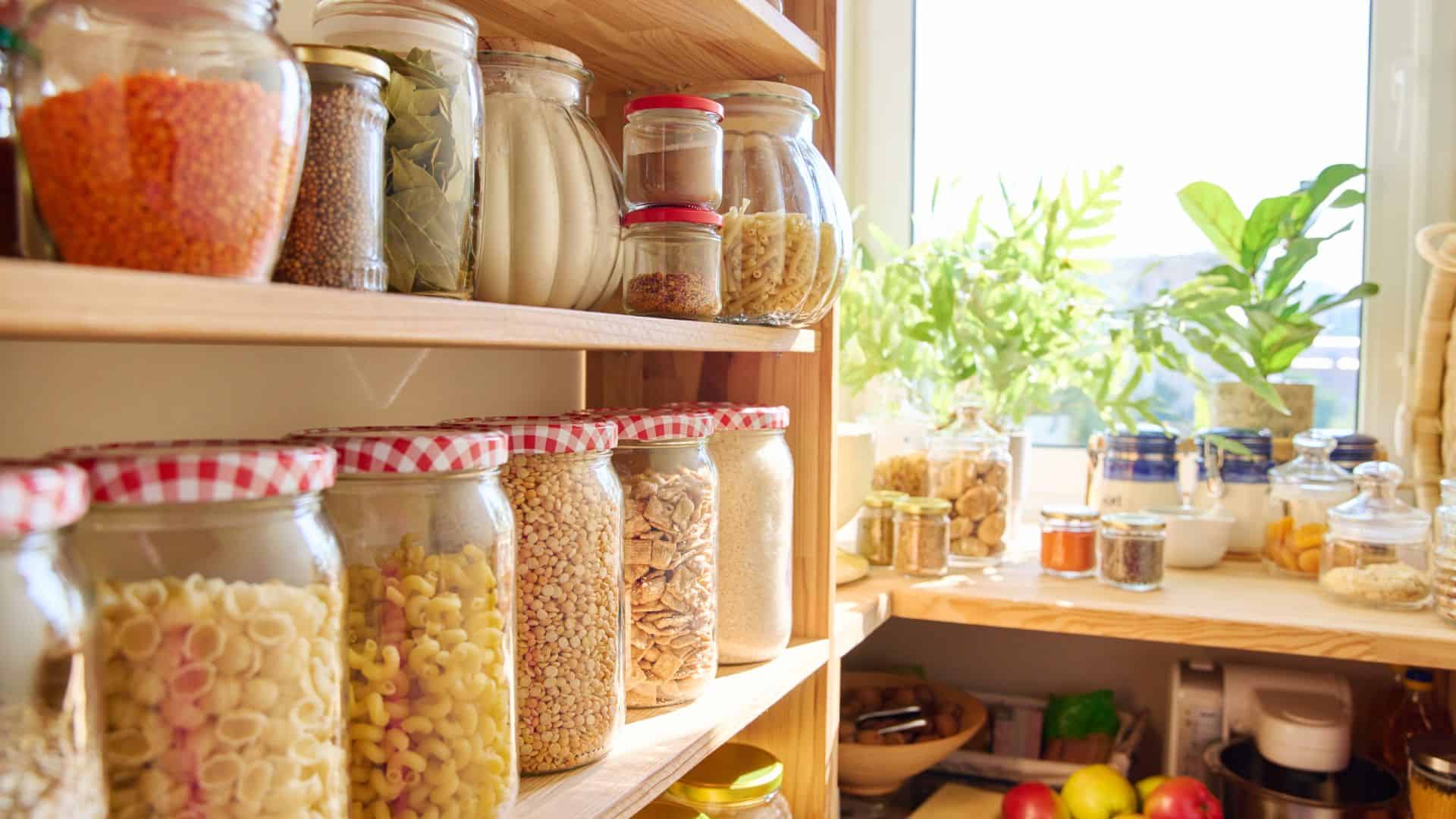
A pantry feels overwhelming for most of us. Start by grouping similar items together on the counter: canned goods, baking supplies, snacks, grains, and so on.
If you have three open boxes of pasta, consolidate them if possible. Put dry goods into clear containers only if you are willing to maintain them. If not, simply line up boxes neatly and label shelves.
Put everyday items at eye level so that they can be grabbed easily. Move specialty baking supplies or holiday items to a higher shelf since they're used less frequently. Snacks that children can grab should be within easy reach, and less-used items can go toward the back.
Do not buy a full set of matching bins unless you know exactly how much space you have and what you need to store. It is easy to create clutter in the name of organizing, and buying bins isn't the first step that you should take.
Tackle food storage containers
Few things create more frustration than a cabinet full of mismatched containers and lids. Pull them all out, then match each lid to its base. Anything without a match should go. Recycle if possible.
Keep a manageable number. Think about how many leftovers you realistically store at one time. You likely do not need twenty containers taking up a ton of space in your cabinets.
Nest similar shapes together and store lids upright in a small bin so they are easy to grab. This one change alone can make your cabinet feel twice as functional.
Clear the counters
Counters collect items that do not truly belong there. They're like a catch-all for anything and everything.
A coffee maker or toaster may deserve a permanent spot, but the slow cooker or stand mixer can move to a cabinet or pantry shelf.
Wipe down surfaces and give yourself visible space. An open counter makes the kitchen feel calmer, even if nothing else changes.
Organize for real life
A kitchen should match how you cook and live. If you bake every weekend, keep the bakery ingredients together in one cabinet. If you pack lunches daily, create a small zone for lunch containers and snacks.
Store pots near the stove, and keep cutting boards near the prep area. Keep dish towels close to the sink to dry hands or dishes easily. Small adjustments like these save time and reduce clutter.
I have found that labeling shelves lightly with a small note on the inside can help everyone in the house return items to the right place. It does not have to be fancy.

The takeaway
A spring kitchen reset does not require a full renovation or a weekend spent labeling everything in sight. It requires honest decisions and a willingness to let go of items that no longer serve you.
When you clear out expired food and give each item a defined place, the kitchen feels lighter. You'll also notice that cooking becomes easier because you can find what you need, and cleaning feels faster because surfaces are clear.
The most important step is finishing one area completely before moving to the next. That sense of completion builds momentum and makes the process manageable.
Leave a Reply