
Tipping is usually treated as automatic, even when service falls short, and questioning that norm can feel socially risky. Most people will vent after tipping and move on rather than challenge the expectation at the table. But one night out pushed that unspoken rule to its breaking point. After a long wait and an uncomfortable confrontation on the way out, a routine dinner turned into a public dispute over whether a tip is earned or owed, no matter what.
The story
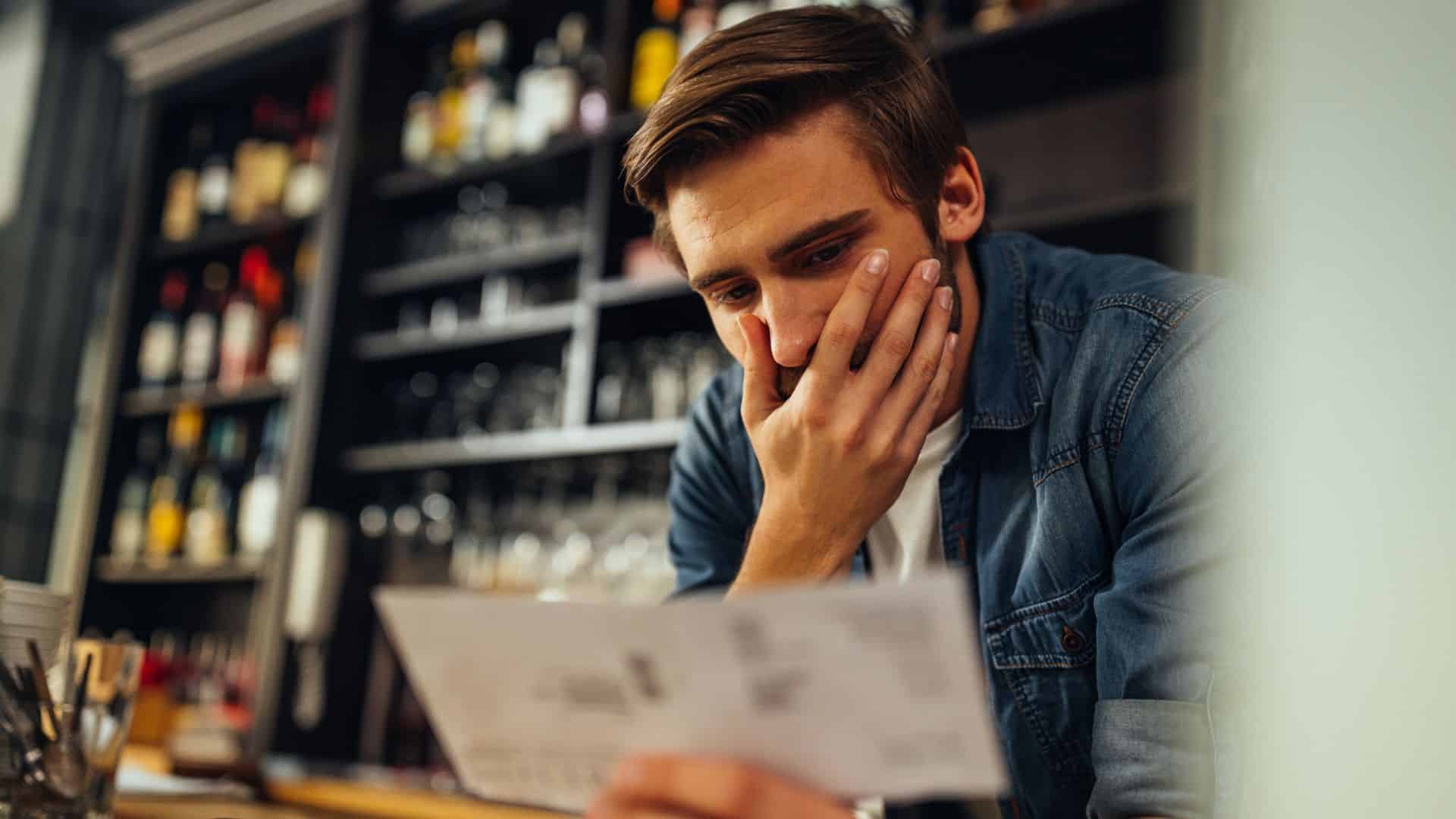
In a recent Reddit thread, it was asked, "Am I in the wrong? No tip after a bad experience." She went on to say that she and three of her friends went out for dinner and had a negative experience. They waited 20 minutes to be acknowledged at the restaurant, and then waited another 20 minutes just for water.
After that, the server literally never followed up or came to the table, and many of the tables that were sat after them were served and left before them. They were there for about two hours during this whole ordeal.
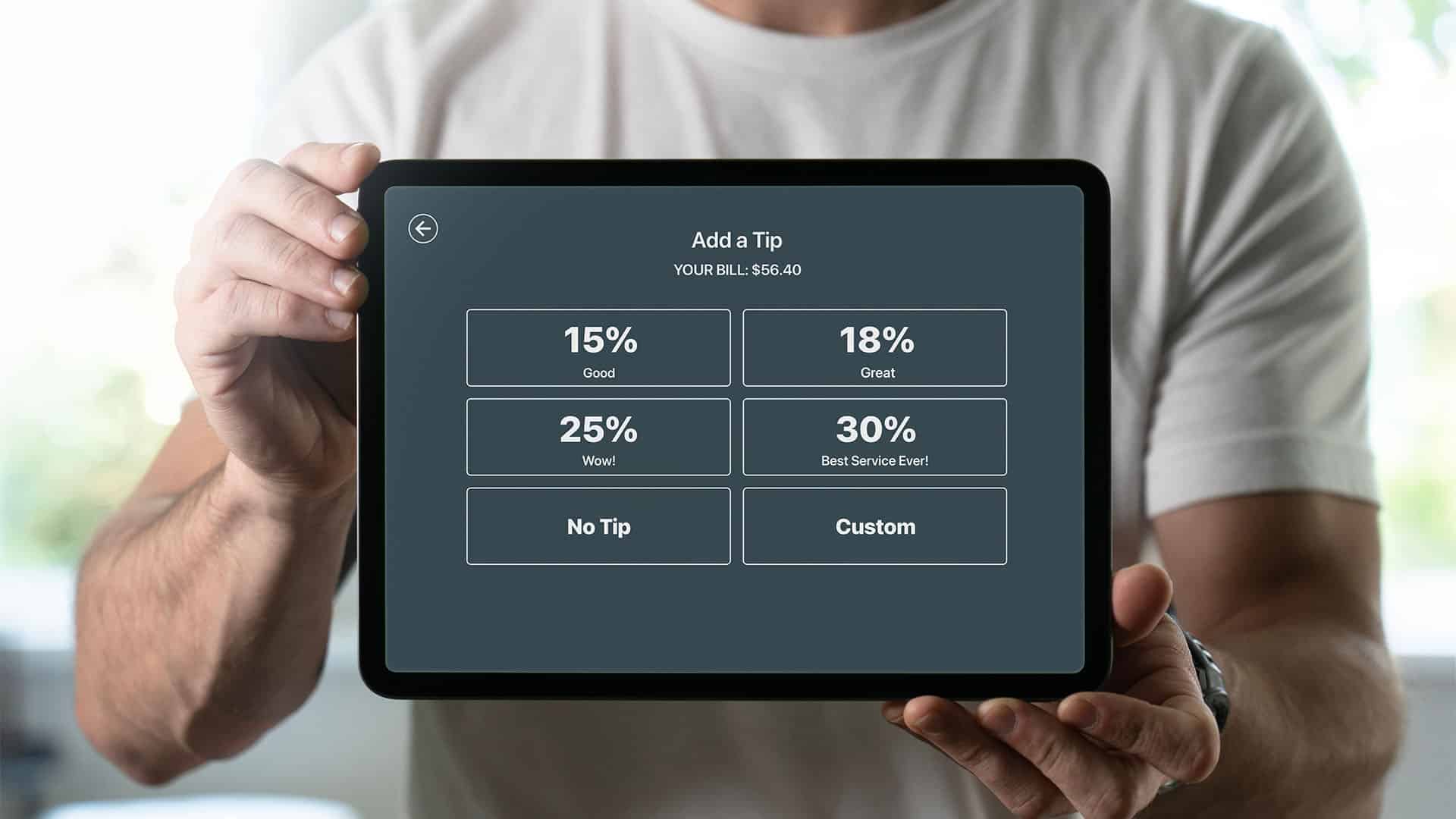
The poster mentioned that she is a good tipper and has never left a bill untipped, but the service was horrible. The bill included a 10% tip automatically, so the waitress wasn't left without anything. The waitress checked the table as they were leaving and saw that no extra tip had been left, so she rolled her eyes and walked away.
The waitress then stopped them on the way out and shamed them for not leaving her a good enough tip.
Now the thread's poster wants to know if she's in the wrong for how she handled the tipping situation.
The responses
Over 100 people commented on the situation. They had lots of thoughts and stories.
One person wrote, "I'm surprised you recognized us leaving, we hardly saw you at our table."
This is a passive-aggressive way to handle the situation once confronted. It would show the waitress the reasoning behind not leaving a bigger tip, and may stop her from badmouthing in the process.
Someone from the industry said, "Server here. Have to tell you that in any restaurant I have worked, servers would get fired for bringing this up to a guest. We may not always be happy with a tip, but it is what it is. Also, we know when we screw up and kinda know when we deserve a bad tip, whether it’s our service, long times for bar drinks, or the kitchen messing up."
This is a great explanation and understanding from someone who actually does this for a job as well. There are many reasons people leave tips, and many reasons they don't.

Another person said, "Was a server, now manager, and yeah, that's a no tip. Tipping is never mandatory."
When people think mandatory tipping is a thing, it makes it really hard to step outside and not agree with it. But the reality is that servers work for tips, and if they're not offering good service, it shows in the tips they receive.
One person pointed out, "I would have left long before the water showed up."
That is the truth. Waiting that long to get seated, and then waiting even longer just to get a waiter, is enough to make anyone get up and walk out.
Tipping expectations and where the line usually sits
In the U.S., tipping has shifted from a reward for service to a default add-on, regardless of how the experience actually goes. People feel pressure to tip even when service is slow or frustrating, largely because tipping is framed as supporting workers rather than evaluating performance. Many people feel that tipping is out of control and has lost its focus on what it's supposed to be for.
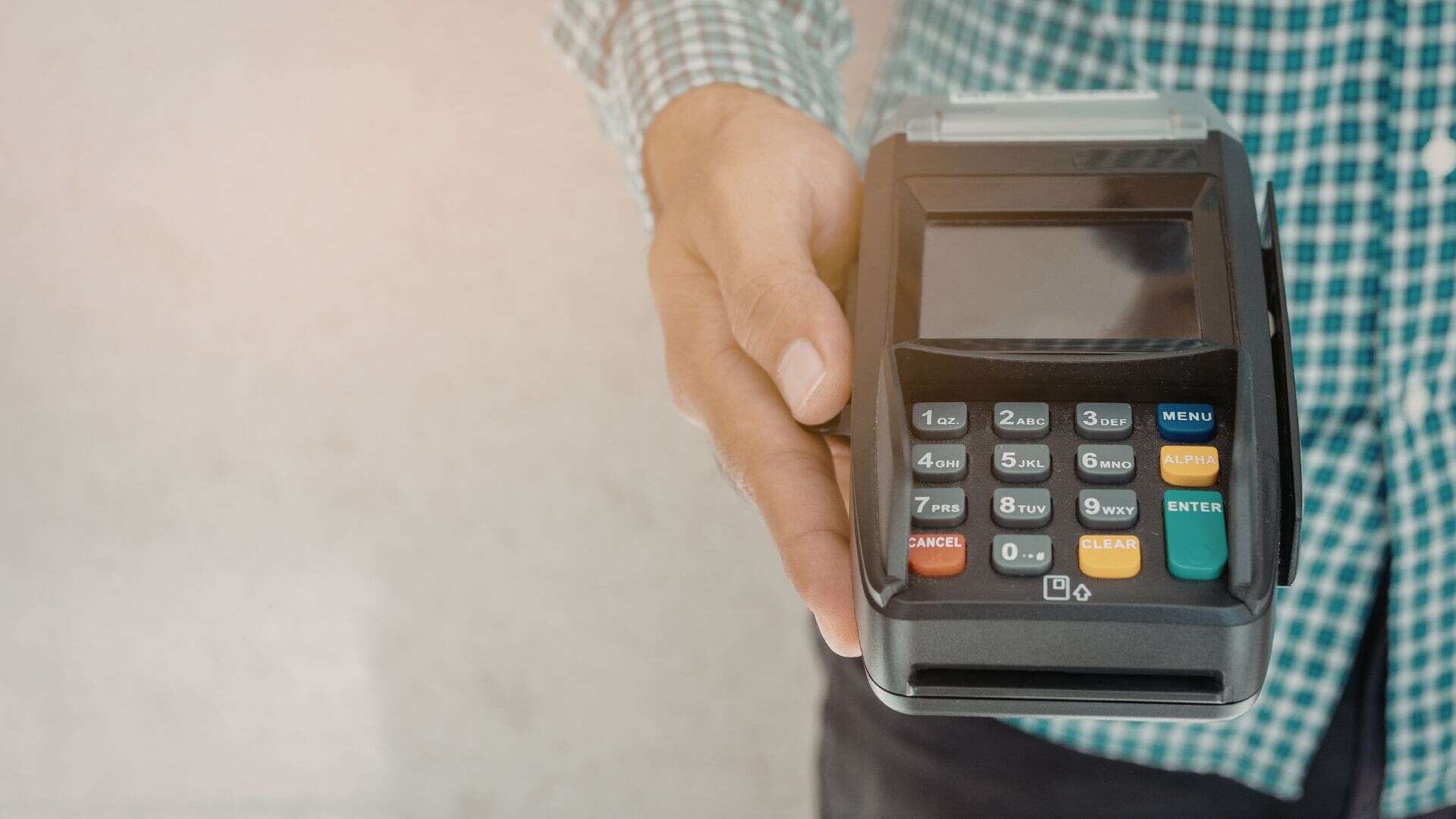
Tipping is still discretionary by design. There is no legal requirement to leave more than an automatic gratuity, although some restaurants do have a tip by force percentage that they automatically add to the bill. Long waits and no follow-up are commonly cited reasons people reduce or withhold a tip, even among those who usually tip generously.
What tends to cross a clearer line is when tipping becomes confrontational. Most industry standards discourage servers from questioning about tips because it puts people on the spot and escalates tension. When a tip dispute moves from the receipt to a public confrontation, many people see that behavior as unprofessional, regardless of how busy or stressful the shift may have been.
This is where expectations collide. People are told tipping is optional, yet often treated as if it is mandatory. Servers rely on tips for income, yet are generally expected to accept them without issue, even when disappointed. When either side breaks those unspoken rules, the situation stops being about money and starts being about boundaries and respect.
Leave a Reply