
Street food can surprise in the best way possible, and the most memorable meals often happen standing up.
Street food often reveals more about a place than its restaurants. It reflects how people actually eat when they are busy and surrounded by others doing the same. Many iconic street foods remain unfamiliar to most Americans, even though they are everyday staples elsewhere.
Here are 12 street foods from around the world that deserve more attention, mixing sweet and savory, and are always meant to be eaten by hand.
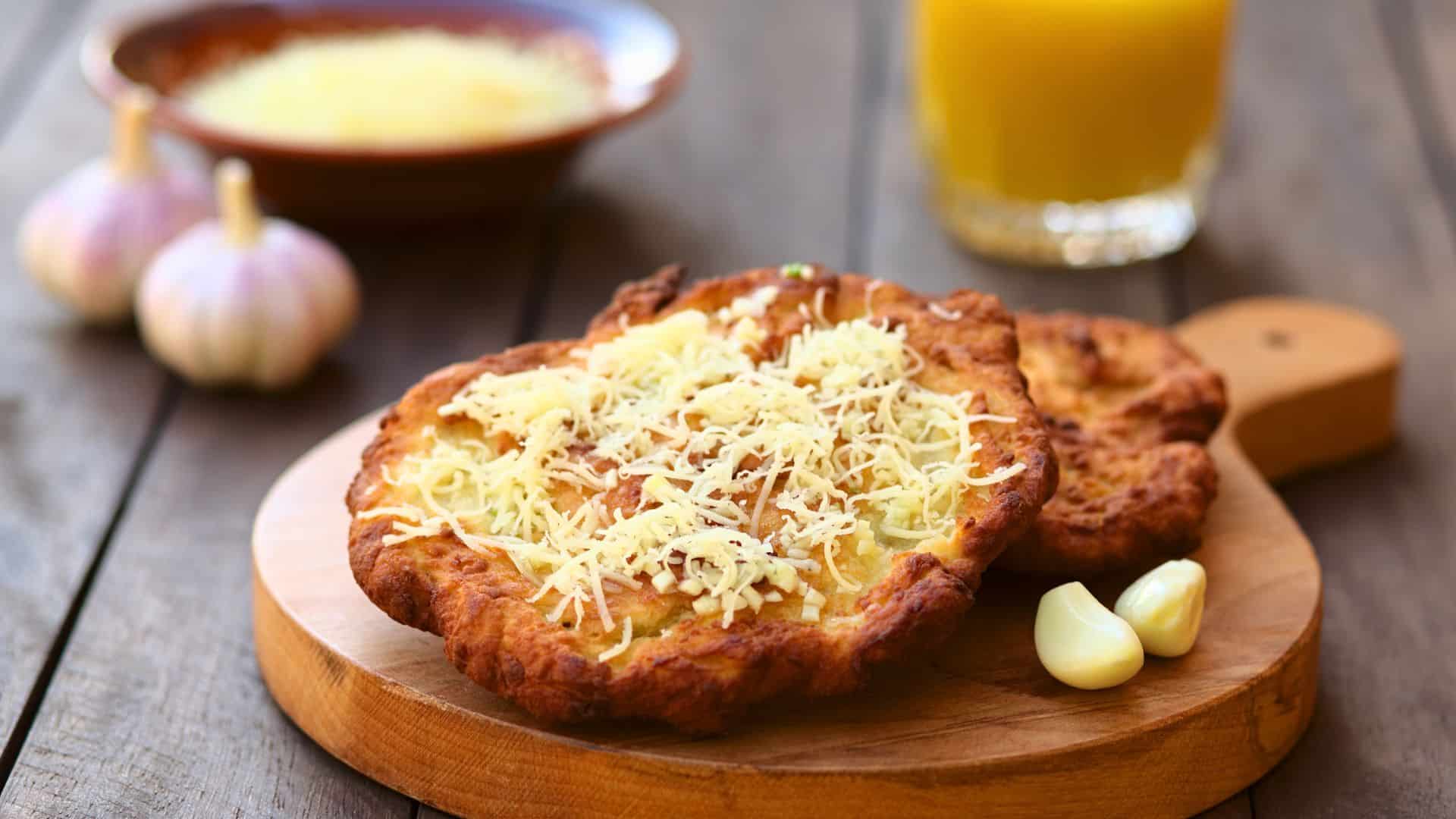
Lángos (Hungary)
Lángos is a deep-fried flatbread that shows up at markets and street stalls across Hungary. The dough puffs slightly as it fries, creating a crisp outside and a soft center. It is usually topped with sour cream and grated cheese, though garlic oil is common, and some vendors sell sweet versions too, with powdered sugar or Nutella. It is filling and best eaten hot.
Arancini (Italy)
These fried rice balls are a common street snack in Sicily, where bakeries and street counters sell them throughout the day. Arancini are made from risotto, breaded and fried until golden. The fillings vary, often including ragù, peas, cheese, or mushrooms. They are heavy enough to replace a meal but portable enough to eat while walking, which explains their popularity.
@seppseats shows how to make them at home.
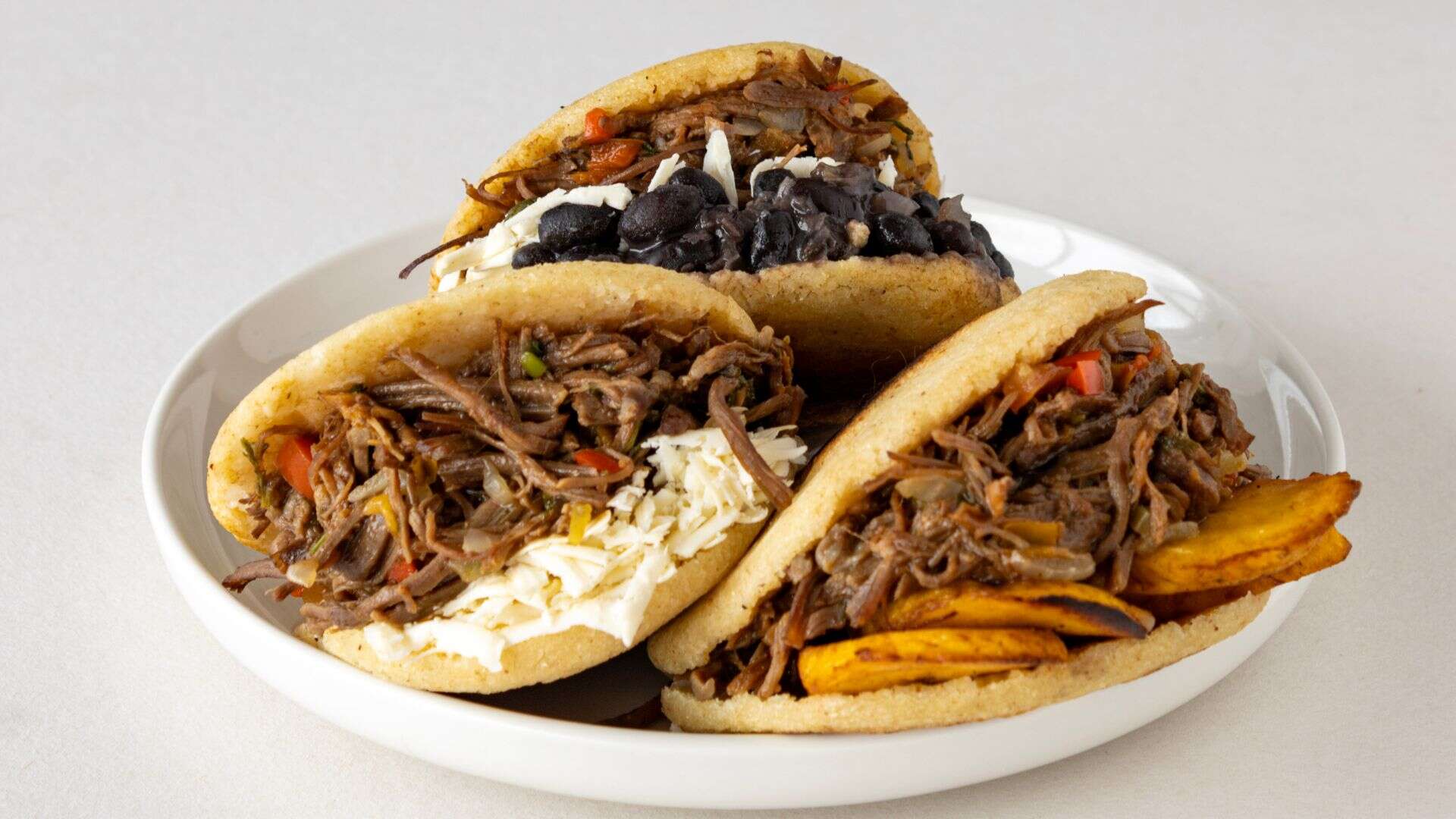
Arepas (Venezuela and Colombia)
Arepas are cornmeal cakes cooked on griddles or flat tops and split open to hold fillings. On the street, they are fast and deeply personal. Some people choose shredded beef and cheese, others avocado-based fillings, or simple butter and salt. The exterior forms a slight crust while the inside stays tender. Though versions exist across regions, the street-style arepa is about speed and customization.
Koshari (Egypt)
Koshari is one of Egypt’s most common street meals. It is a layered bowl of rice, lentils, and pasta. Spicy sauce is often added at the end. It may look chaotic, but it tastes like comfort food with contrast. Cheap and fast, it is the kind of dish designed for crowds.
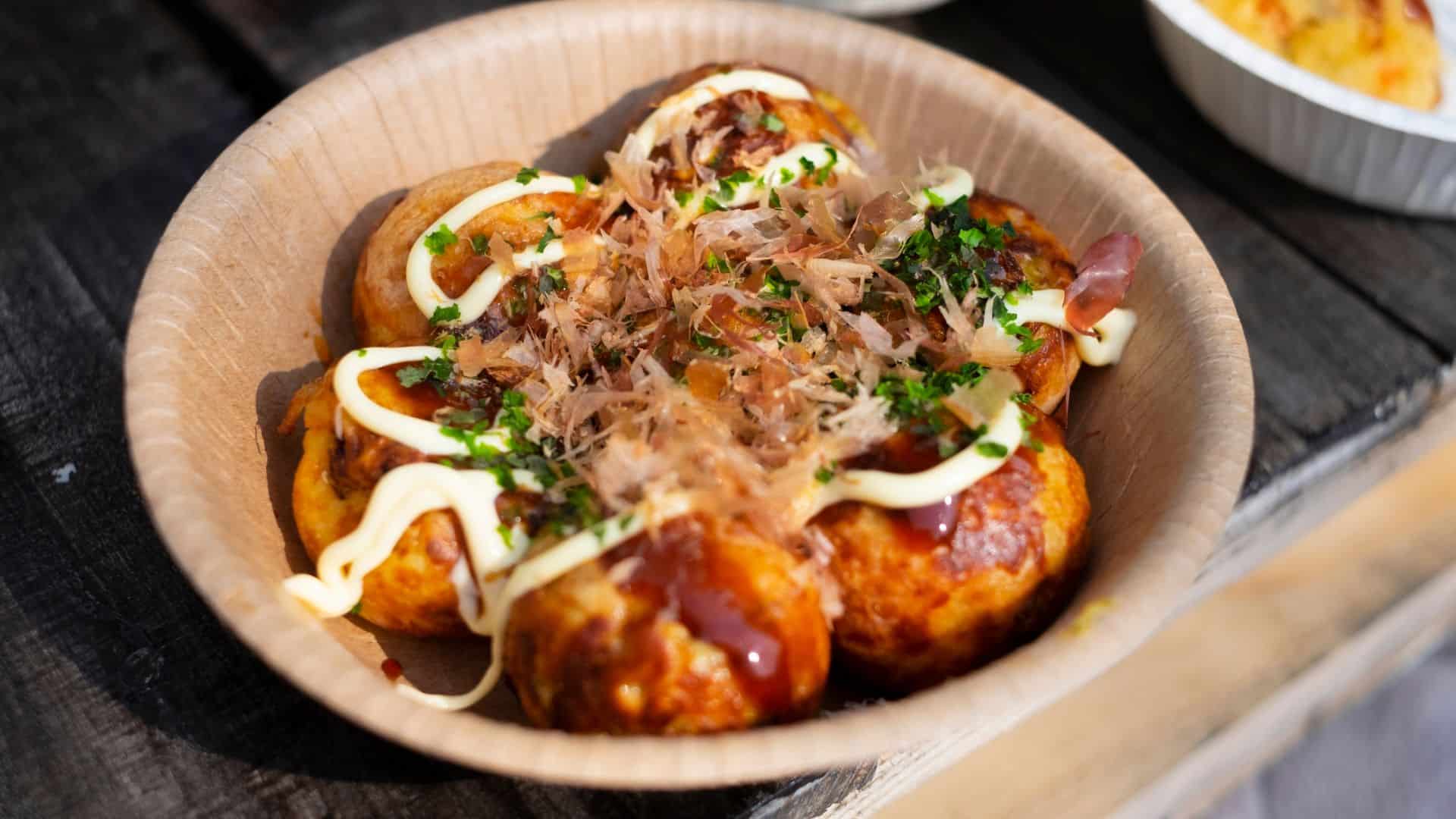
Takoyaki (Japan)
Takoyaki are round balls of batter cooked with octopus. Vendors turn them quickly as they cook, shaping them into spheres with lightly crisp outsides and creamy centers. They are finished with sauce or mayonnaise. Takoyaki are hot and usually shared straight from the tray.
Pani puri (India)
This street snack is as much about the experience as it is about the flavor. Pani puri consists of hollow, crispy shells filled with a mixture of potato and chickpeas. They are assembled, then dunked or filled with flavored water, and eaten in one bite. Timing matters. Once filled, the shell cannot wait. That urgency is part of what keeps people lining up and wanting more.
@msshiandmrhe shows the process for making this popular street food.
Sfiha (Lebanon)
Sfiha are open-faced meat pies, commonly sold from street bakeries and stands. The dough is topped with seasoned minced meat and spices, then baked quickly in hot ovens. They are light enough to eat several at once and often come wrapped in paper for on-the-go eating. In many places, they are everyday snacks rather than special treats.
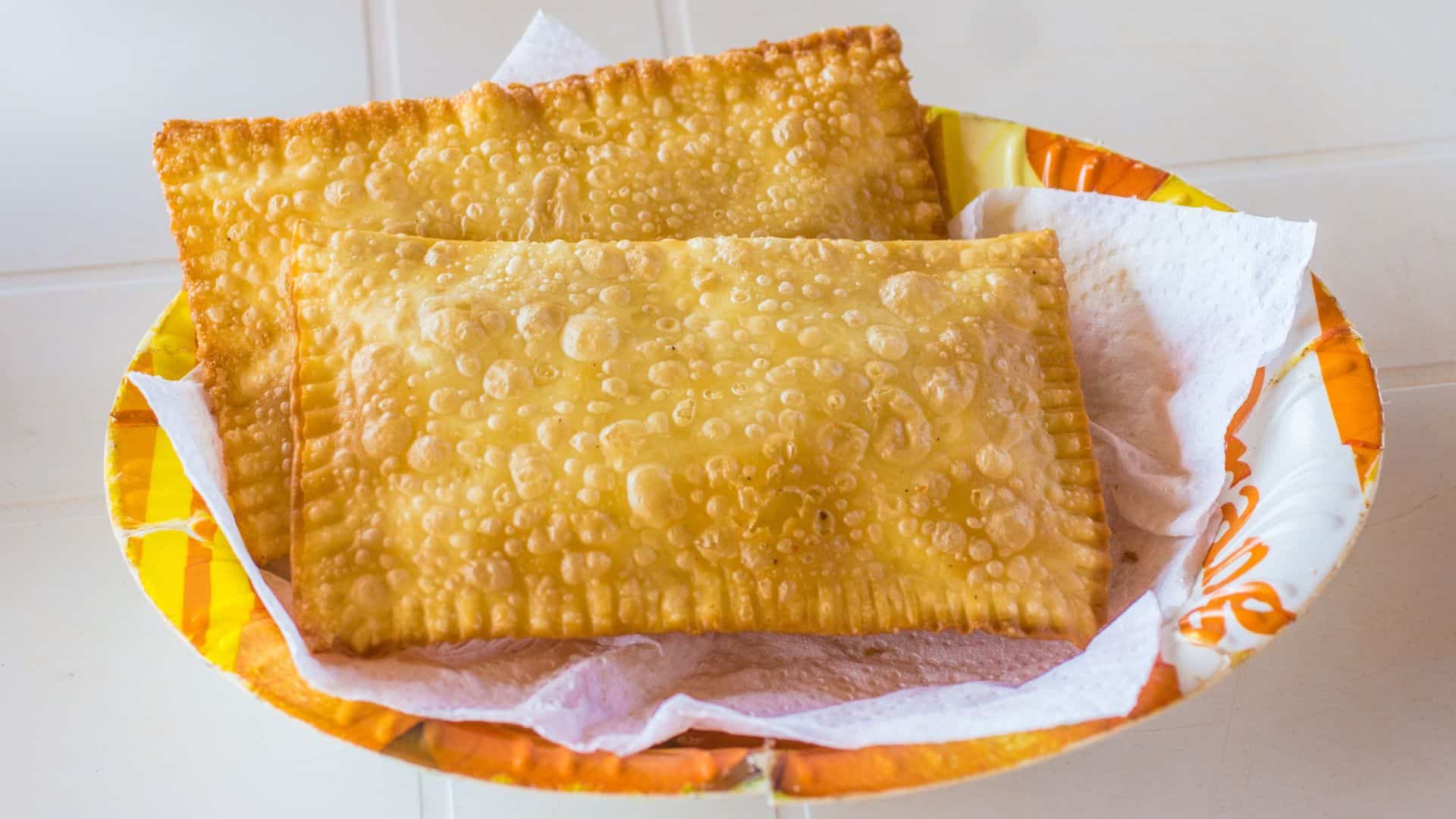
Pastel (Brazil)
Pastel is a thin, crisp fried pastry filled with everything from cheese to seasoned meat to hearts of palm. The dough bubbles as it fries, creating a delicate crunch that shatters with each bite. Pastel has a texture similar to that of an empanada. The fillings are hot and generous, making it a favorite for lunchtime stops.
Murtabak (Indonesia and Malaysia)
Murtabak comes in savory and sweet versions, both cooked on large griddles by street vendors. The savory kind is stuffed with spiced meat and eggs, wrapped in a folded flatbread. The sweet version is thicker and filled with chocolate and other sweet ingredients. Watching it cook is part of the appeal, with vendors stretching dough thin before folding and frying it until crisp.
Strudel (Austria, Germany)
Strudel is a classic Central European pastry best known for its paper-thin, stretched dough wrapped around a lightly sweetened filling. The most iconic version is Apfelstrudel, which originated in Austria and became especially popular in Vienna during the Austro-Hungarian Empire. Traditionally, it is filled with tart apples, sugar, cinnamon, raisins, and toasted breadcrumbs that absorb the fruit’s juices as it bakes.
Beyond apple, variations also included sour cherry, sweet cheese (topfen or quark), poppy seed, and even savory cabbage fillings. What makes strudel distinctive is the technique: the dough is stretched by hand until nearly translucent, creating delicate, flaky layers that crisp beautifully in the oven while keeping the inside soft and aromatic.
Bunny chow (South Africa)
Bunny chow is a street food that doubles as a full meal. A hollowed-out loaf of bread is filled with curry, often lamb, chicken, or beans. It started as an affordable option and remains popular for that reason, as well as for its deliciousness. The bread soaks up the sauce as it is eaten, turning the container into part of the dish rather than waste.
Bánh tráng nướng (Vietnam)
Sometimes called Vietnamese pizza, Bánh tráng nướng is made by grilling rice paper and topping it with egg, scallions, meat, and sauces. It cooks fast and is eaten folded or torn by hand. Crisp and savory, it reflects how street food turns simple ingredients into craveable dishes with very little equipment.
Street food rarely aims to impress in typical ways. It succeeds by being flavorful and rooted in daily life. Many of these dishes thrive not because they are trendy, but because they fit how people actually eat. That may be why they have stayed local for so long, feeding crowds while the rest of the world catches up.
Leave a Reply