
You probably serve all these foods without noticing the risks.
Kid-approved snacks and food often get a free pass if they look wholesome or have been around forever, but the truth isn't always that simple. Some everyday foods are trickier than they seem, not because they are forbidden, but because they need more thought than most people realize.
Here are 12 foods that show up on kids’ plates all the time, along with why they deserve a closer look.
Breakfast cereal
Cereal is one of the most common breakfasts to start the day, even though most of these are ultra-processed foods. Many varieties marketed to kids are closer to dessert than breakfast, with added sugars stacked on refined grains.
Even whole-grain cereals can spike blood sugar and leave kids hungry again quickly. They deliver a high glycemic load with minimal fiber and protein. Portion size adds to the issue. Bowls tend to get refilled, turning a sugary snack into a routine meal that leaves them craving more.

Fruit juice
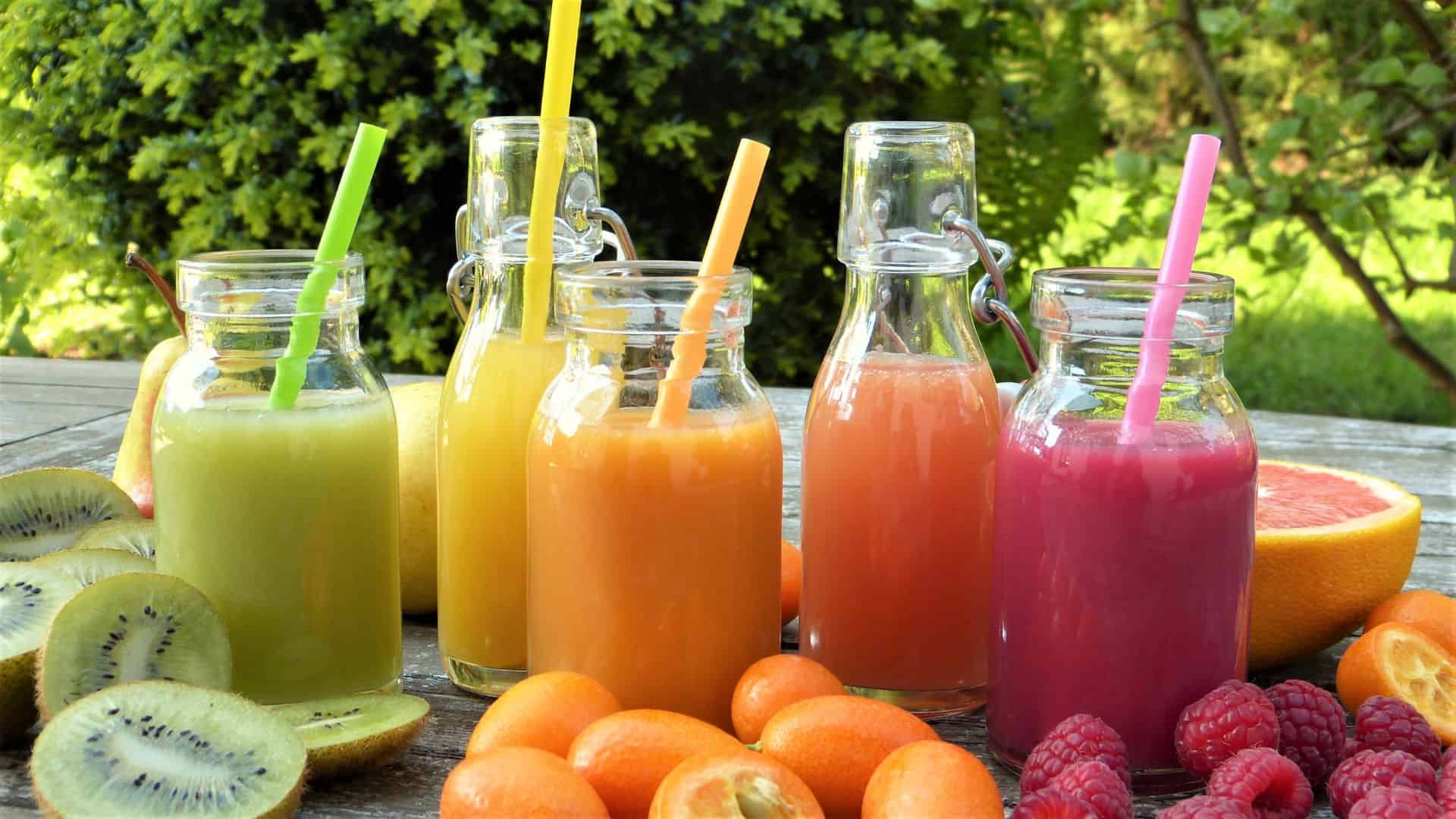
Juice carries a health halo because it comes from fruit or is labeled as fruit juice. Many are filtered, and once the fiber is gone, what remains is mostly sugar and liquid calories. Kids can drink far more juice than they would ever eat in whole fruit form. It can lead to high-calorie and sugar intake with minimal fiber and protein. Eating the actual fruit gives all the nutrients without adding any of that other filler.
Granola bars
Granola bars look like a sensible lunchbox staple, but many are loaded with syrups, sweeteners, and fats that are similar to those in candy bars. The oats and nuts sound great, but the balance often leans heavily toward sugar. If you read the labels, you'll be shocked at how many processed ingredients and additives there are in one bar. For younger kids, a harder texture can also make it hard for them to chew properly.

Grapes
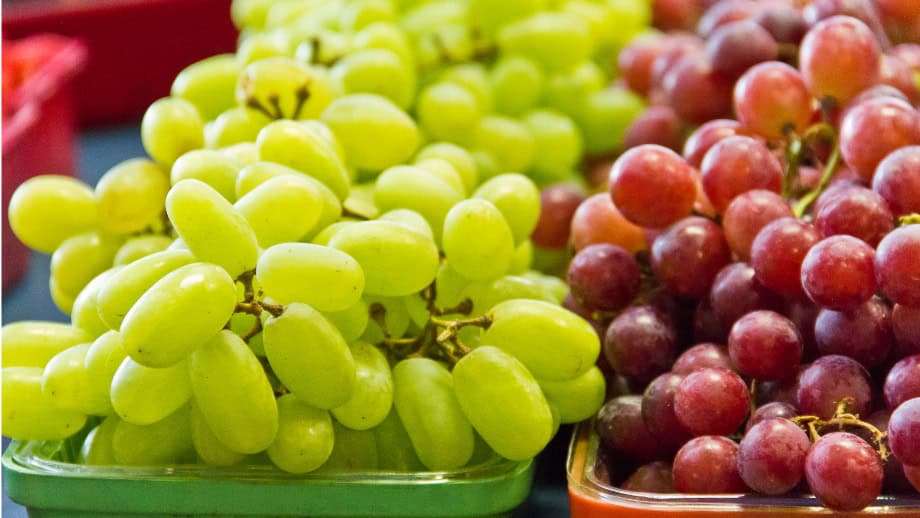
Grapes are nutritious, but they are one of the most common choking hazards for young children. Their size and slippery skin make them dangerous when served whole. This risk often surprises people because grapes are seen as a safe snack. One tip is to cut them lengthwise so that, if they do swallow, it's not a whole grape that is going to cut off their airflow.
Hot dogs
Hot dogs raise two concerns at once. They are a choking risk due to their shape, and they are heavily processed. Sodium levels are high, and the texture makes them easy to swallow without enough chewing. Slicing them lengthwise reduces risk, but moderation still matters.
Kids are usually big fans of hot dogs, but do your research and try to find options made from all-beef or turkey, and that are minimally processed.

Yogurt with mix-ins
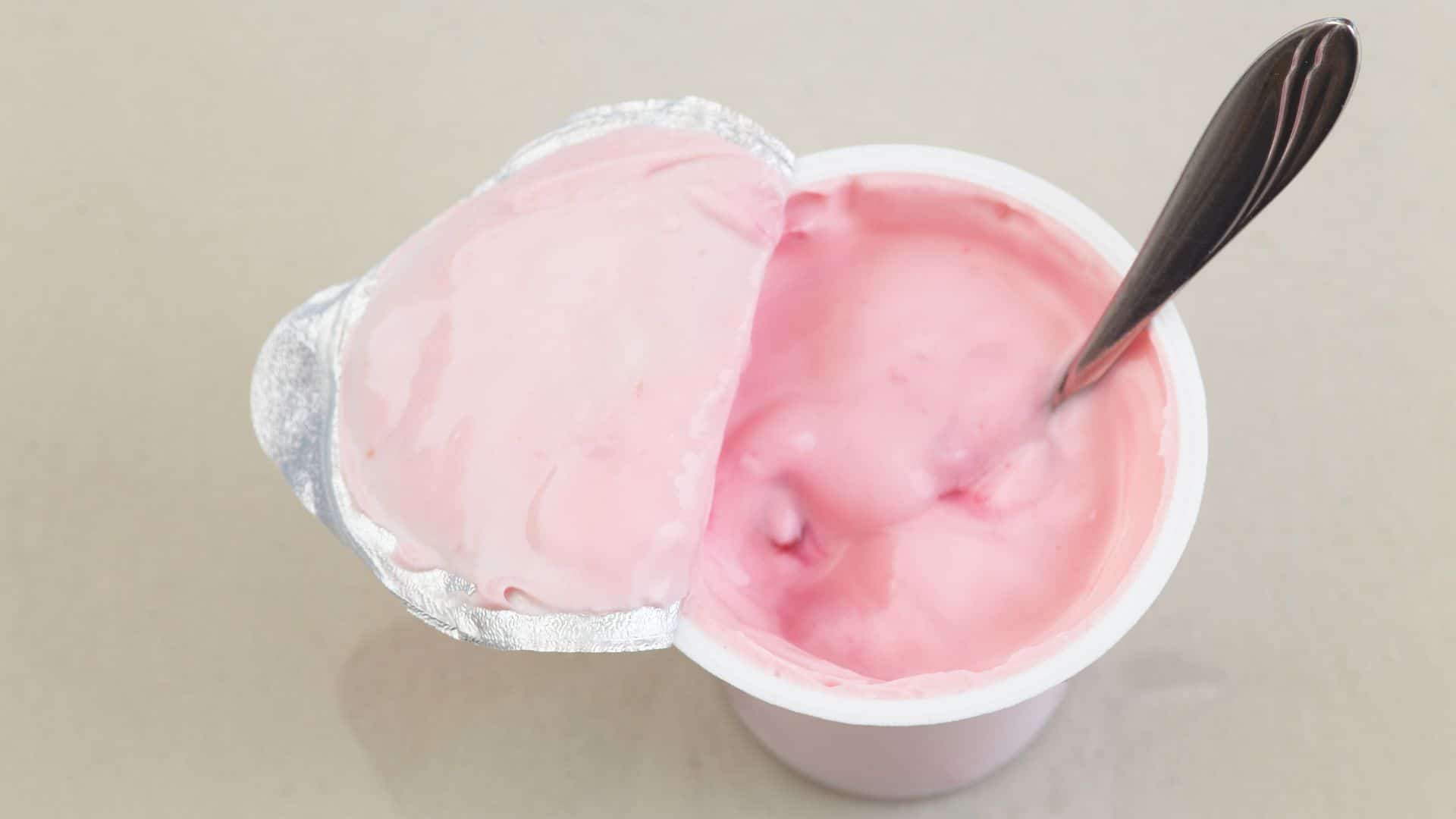
Yogurt is often praised as a kid-friendly food, but flavored varieties with candy or crunchy add-ins can be high in sugar. Some mix-ins are so hard that they pose a choking hazard for toddlers.
Reading the label helps, as there are some good options out there at the store. One way to add benefits is to purchase Greek yogurt and then top it with fresh berries. That way, they're getting fresh fruit and protein in one.
Peanut butter
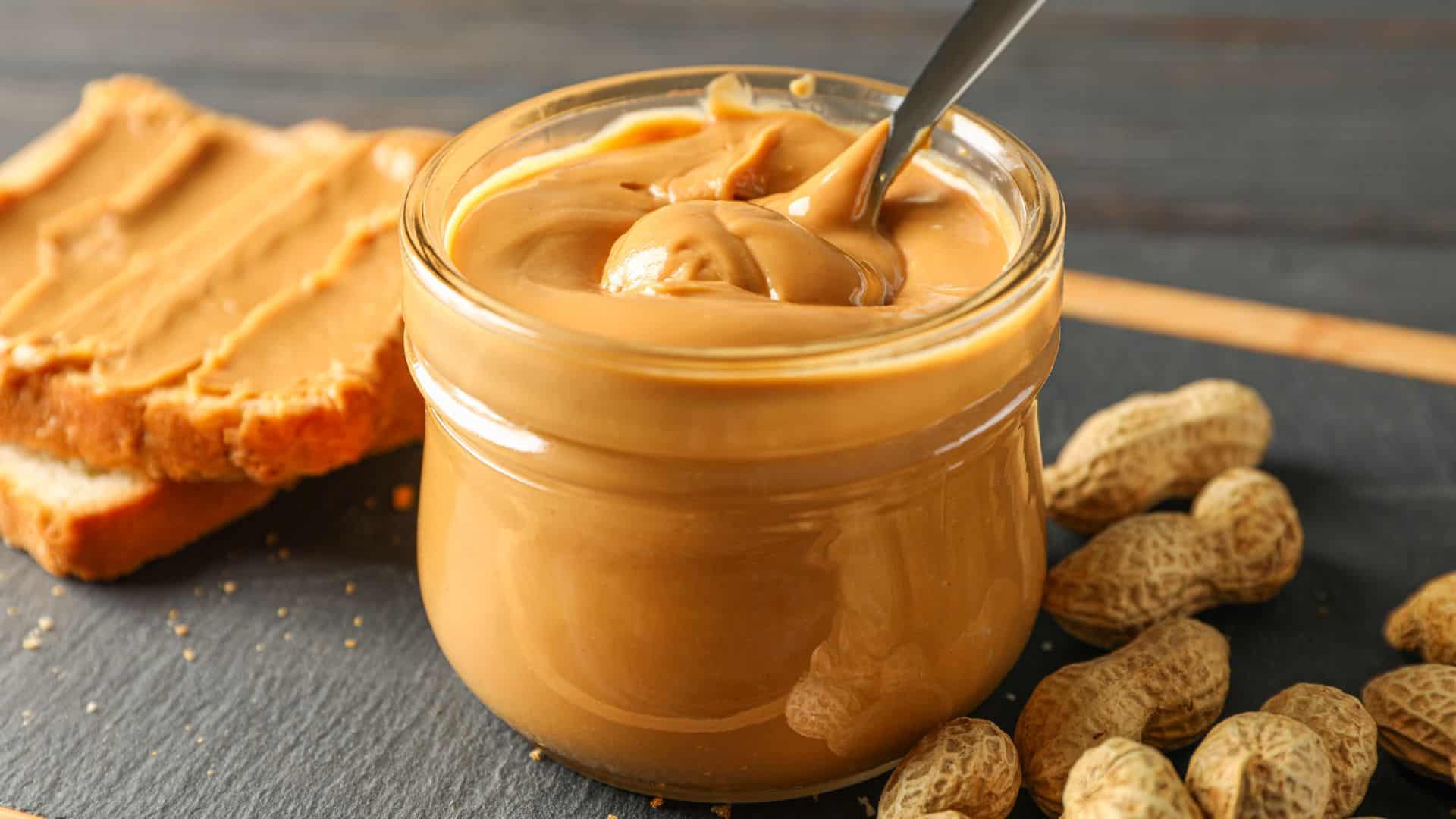
Peanut butter is filling and familiar, yet its thick, sticky texture can be tough for younger kids. Large spoonfuls can get stuck in the mouth or throat. Spreading it thinly or pairing it with softer foods lowers the risk, but it is not as foolproof as it looks.
Also, be sure to check the labels. Not all peanut butters are created equal. Some add random oils and sugar when it's really not needed. Stick to peanut butter made with only peanuts for the best option. Even with those, always check the recommended serving size, as calories can very quickly add up.
Popcorn
Popcorn feels light and harmless, which is why it shows up at family movie nights. Without toppings, they are low in calories and generally healthier than chips. It is worth checking the ingredients list on the box because some brands still add unnecessary ingredients.
For small kids, popcorn can be a serious choking hazard. Unpopped kernels and irregular shapes are also hard to manage.

Apples
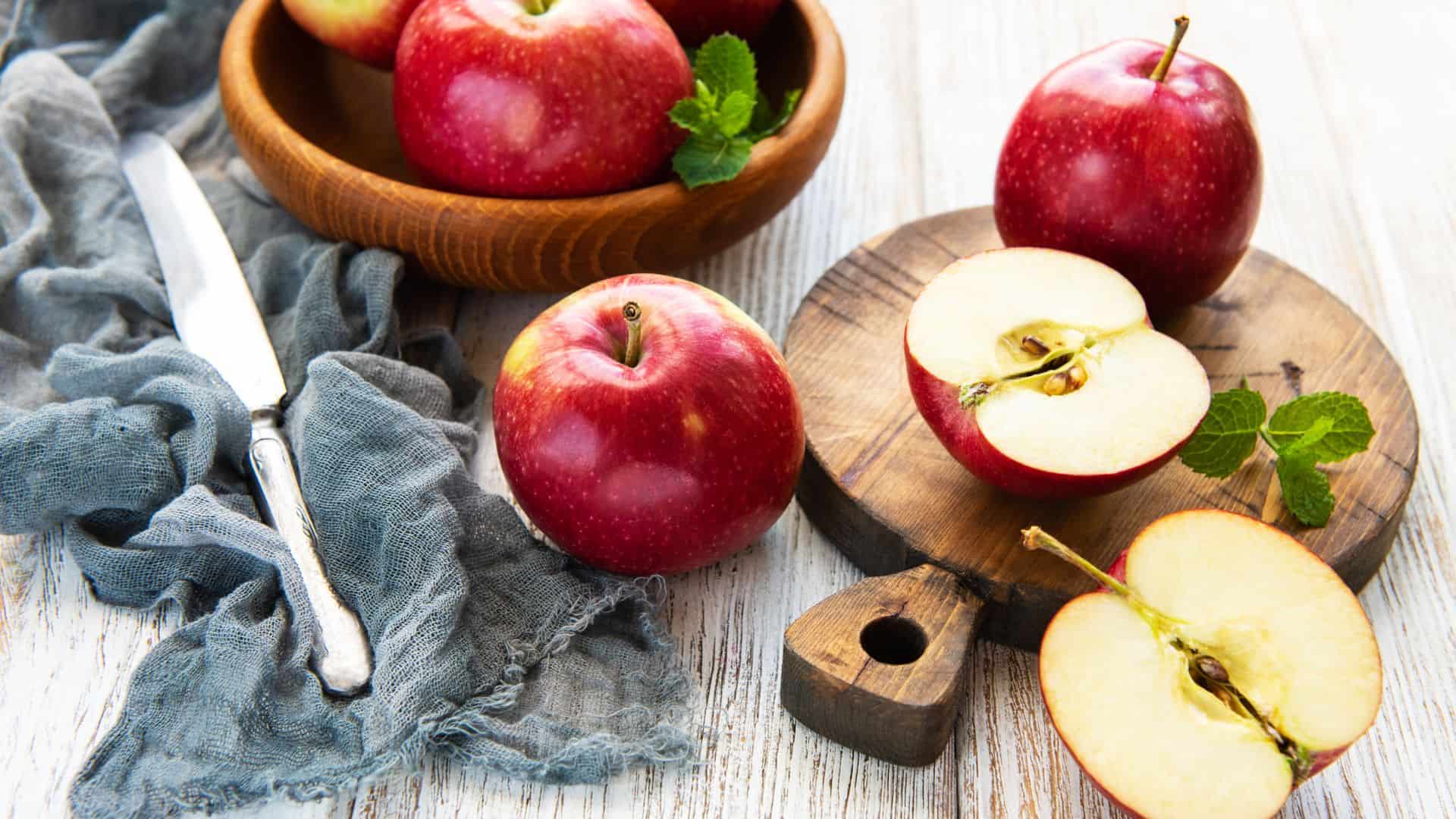
Apples earn a healthy reputation, but raw apple slices can be hard and slippery. For toddlers, this combination increases the risk of choking. Cooking apples until soft or cutting them very thin makes them safer. The issue is not the fruit itself, but how it is served. You can also peel the outer skin to make it easier to bite and chew.
Dried fruit
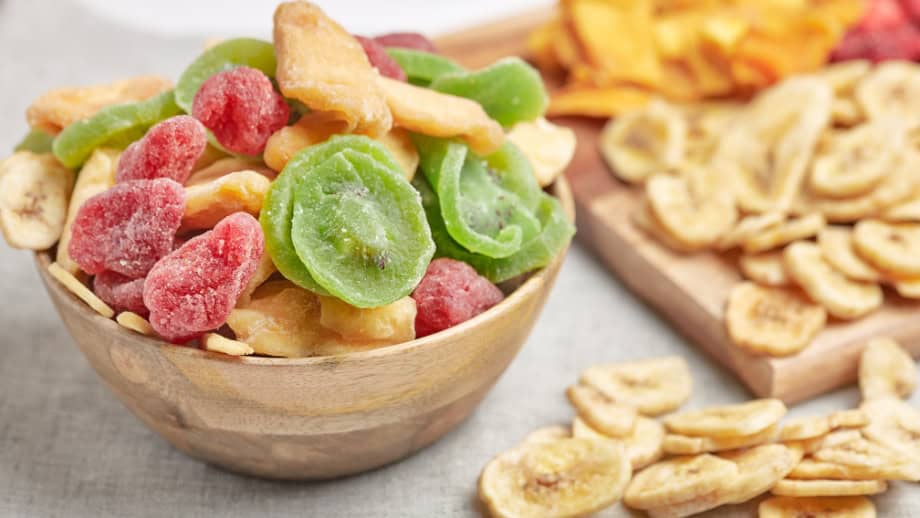
Dried fruit seems like a clean alternative to candy. In reality, it is concentrated sugar with a chewy texture that sticks to teeth and can be hard to swallow. Kids often eat more than they intend because portions look small and they think it's okay to indulge since fruit is part of the equation. Sticky pieces can also be tricky for younger mouths. Your best bet is to stick to fresh fruit to avoid added sugars.
Crackers
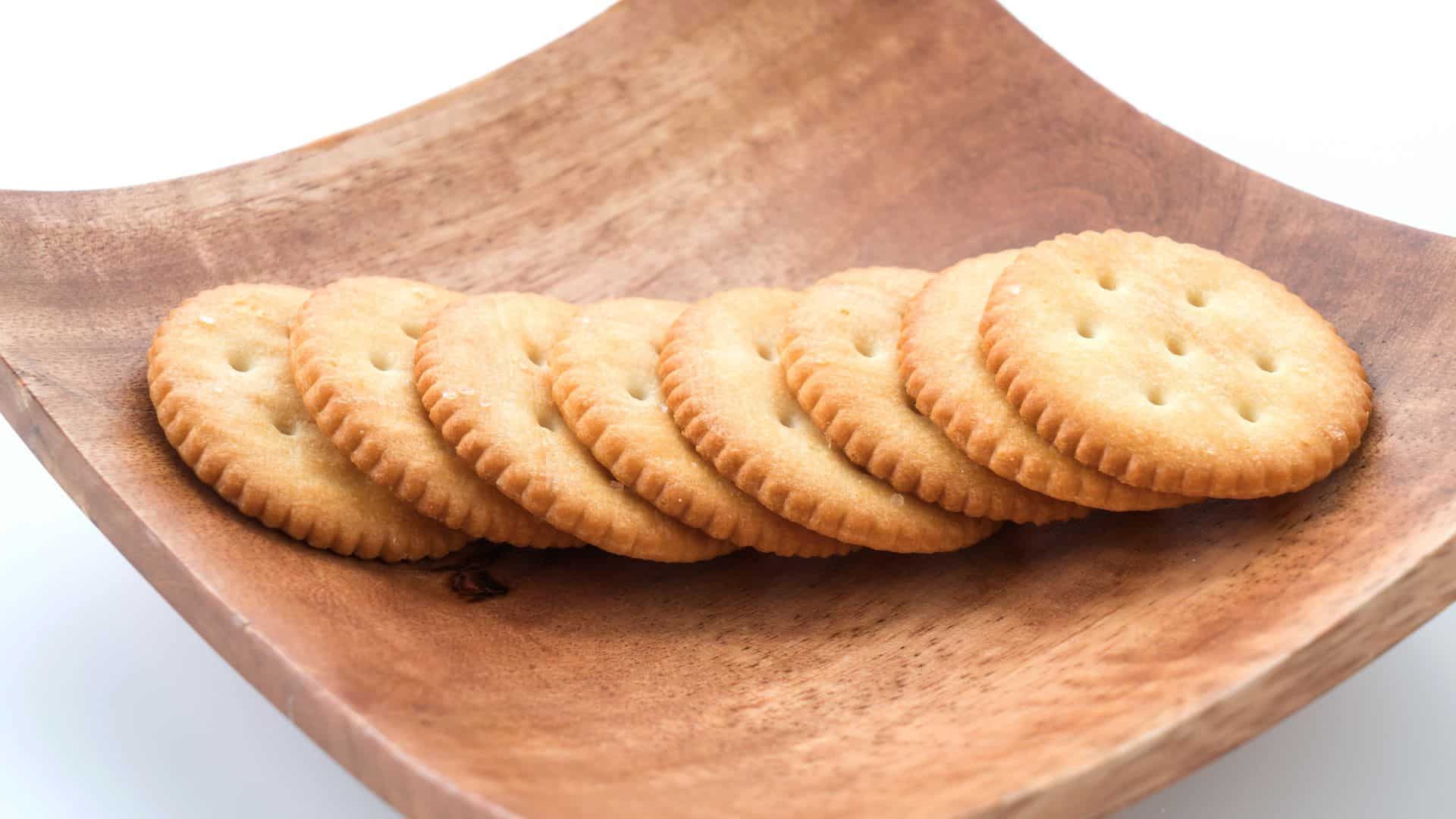
Crackers are a go-to for car rides and after-school snacks. Most varieties have refined starches with extra added salt. Dry crumbs can also cause coughing fits for younger kids who are still learning to chew and swallow smoothly. And let's not overlook the mess. Crumbs everywhere and stickiness that then turns to mush.
Smoothies
Smoothies get credit for packing fruits and vegetables into one cup. The downside is how quickly calories and sugar add up. Kids can drink far more fruit in smoothie form than they would eat whole.
Thick blends can also mask ingredients kids might otherwise reject, making it harder to teach them to recognize flavors and textures. Most smoothies contain a ton of added sugar and are well beyond the typical serving-size recommendation.

The takeaway
None of these foods needs to be banned or removed completely from your house. The problem is how easily they get labeled as automatic kid food without much thought. Added sugar and choking risks all matter, especially for younger children.
Feeding kids well is less about cutting out entire categories and more about noticing what is actually on the plate. Small changes in preparation and frequency can make a bigger difference than most people think.
Leave a Reply