
Ingredients that many kids avoided growing up, but choose intentionally as adults.
As children, our opinions about food tend to be strong and immediate. If something smells unusual or has a texture we do not like, we quickly decide it is not for us. Over time, that often changes. Adult taste buds become more balanced, and experience plays a role. We learn to appreciate different flavors, textures, and cooking methods. Foods that once seemed unappealing can start to feel familiar, even enjoyable.
Brussels sprouts
For many kids, Brussels sprouts were boiled into submission and served without mercy. The smell alone was enough to ruin dinner. As adults, preparation makes all the difference. Roasting brings out a nutty flavor. A little salt, oil, and heat turn them crisp and rich. They show up on restaurant menus and holiday tables for a reason.

Spinach
Cooked spinach earned a bad reputation early. It shrinks, and it looks like it should be avoided. Fresh spinach changes the story. In salads or quickly wilted into warm dishes, it tastes clean and mild. Once secret: garlic! Do not skip cooking spinach with garlic.

Dark chocolate
Sweetness rules childhood desserts, and anything bitter feels like a mistake. Dark chocolate grows on people slowly. It’s richer and less sugary, which appeals to adult tastes. It feels indulgent without being overwhelming.

Pimento cheese
As kids, pimento cheese often felt confusing. It looked like egg salad and sat somewhere between a spread and a dip. Adulthood brings context. Pimento cheese starts to register as comfort food with purpose. It works warm or cold, simple or dressed up. On a sandwich with vegetables, or melted into something crisp, it feels intentional rather than strange. Many people who once pushed it aside now see it as hard to resist.

Blue cheese
Strong smells and sharp flavors rarely win over kids. Blue cheese felt smelly and confusing. As adults, many come to enjoy its bite. It works with salads and even fruit or dried fruit. A little goes a long way, which is part of the appeal.

Grapefruit
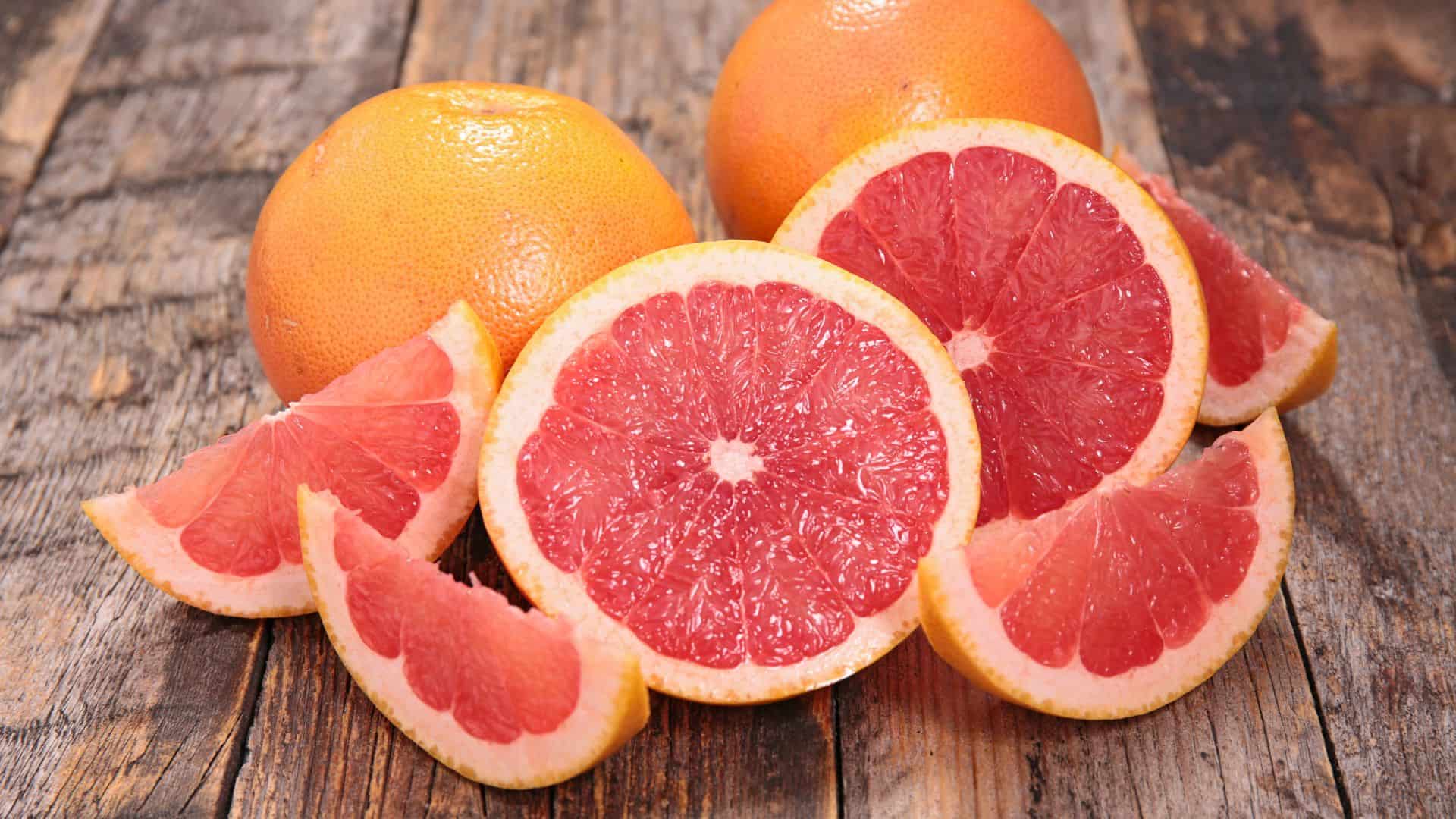
Grapefruit rarely stood a chance as kids. It was sour and was often served plain at breakfast, even when sweeter options were available. Even with sugar sprinkled on top, the sharp bite lingered. As adults, that bitterness becomes the appeal. It fits into breakfasts that feel intentional and desserts that don’t rely on heavy sweetness. Many people come to enjoy it slowly, realizing that not every fruit needs to be sugary to be satisfying.
Dinner salad
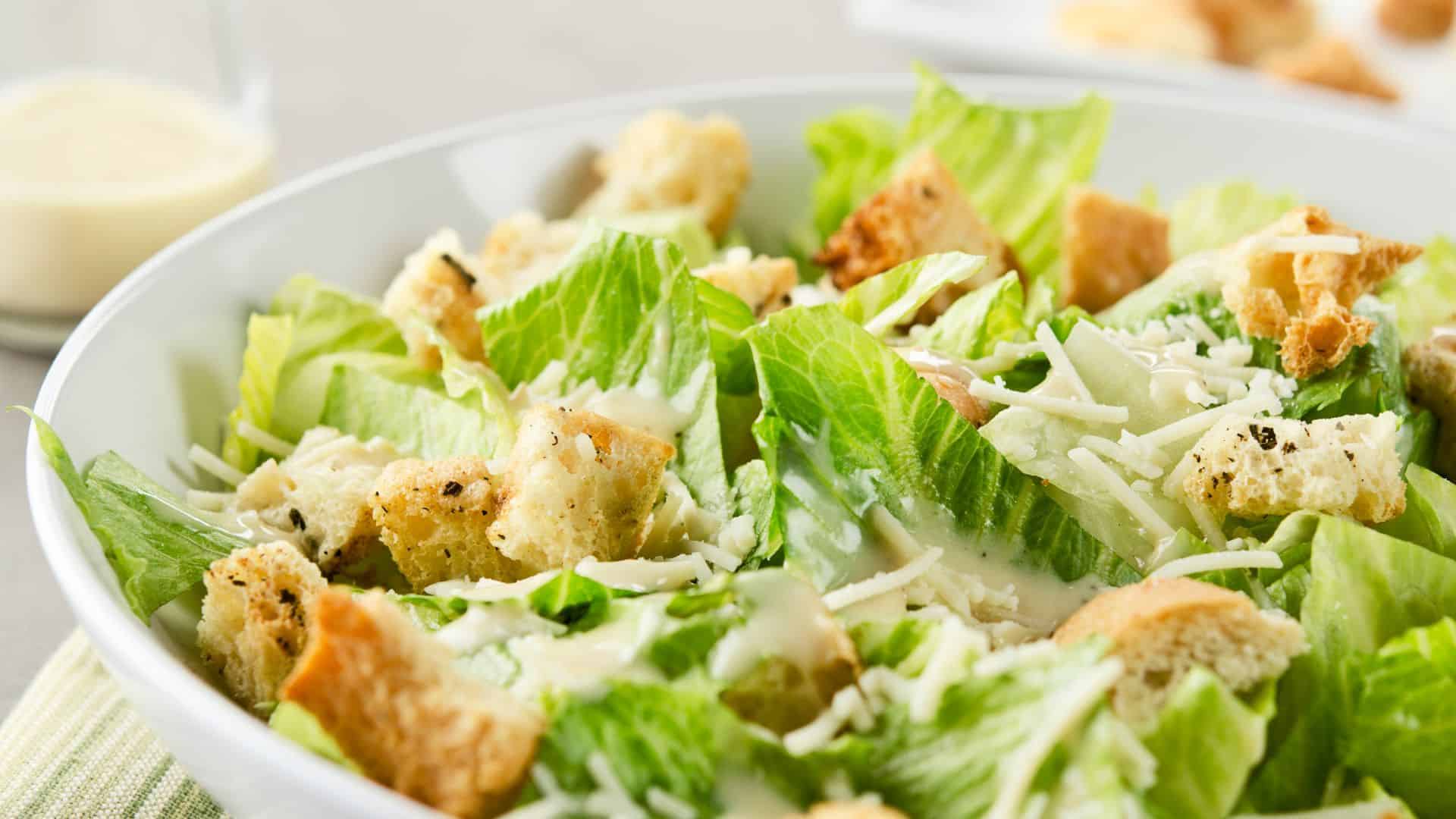
For many kids, a dinner salad felt like punishment. It showed up before the real food or, worse, replaced it entirely. That view shifts with age. A dinner salad feels complete when it’s built with care. The right balance turns it into a full meal instead of a side. As adults, many people appreciate how a good salad can feel filling without being heavy, and how it fits easily into busy evenings.
Beets
Beets often lost kids just because of the color. Earthy and soft, they tasted nothing like the vegetables most children recognized. As adults, people start to notice their depth. Roasted or pickled, beets pair well with sharper flavors that balance their sweetness.

Cottage cheese
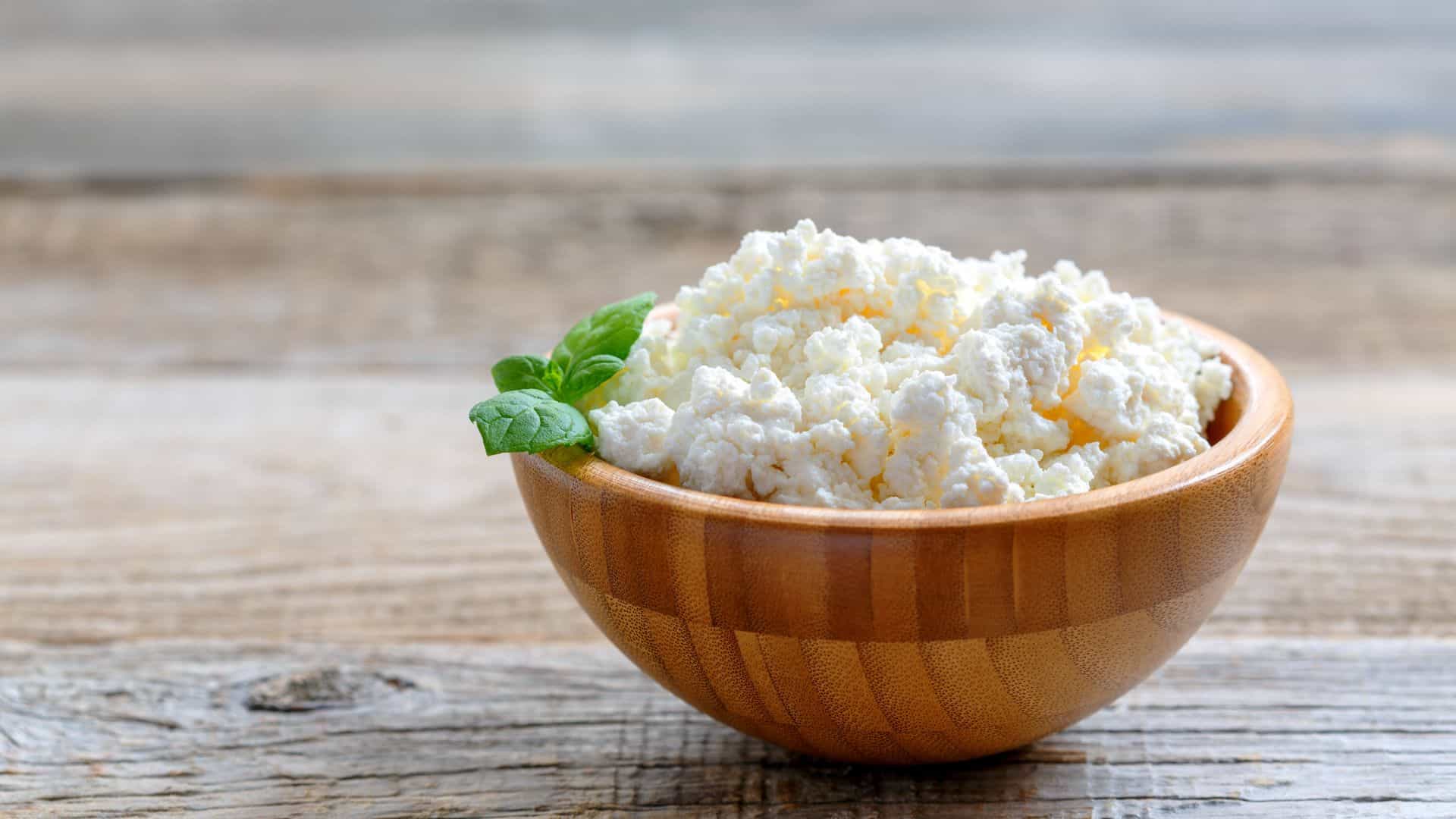
The curds were the problem. A lumpy texture is a quick deal-breaker for kids. As adults, cottage cheese becomes practical and comforting. It’s filling and adaptable, pairing well with both savory and sweet dishes with little effort.
Tuna salad
Tuna salad often failed kids before it even reached the table. The smell was strong, and the texture sat somewhere between flaky and mushy. With age comes tolerance for nuance. It’s quick and dependable, which explains why so many adults keep coming back to it even if they once avoided it.

Fig cookies
Fig cookies were often misunderstood by kids. They looked like dessert but didn’t taste like one. The filling was dark and mildly sweet in a way that felt suspicious compared to chocolate or frosting. As adults, fig cookies finally make sense. They pair well with coffee and feel satisfying without being heavy.

Onions
Kids often tolerate onions only when they’re invisible. Anything crunchy or sharp stands out fast. Cooking changes that. Caramelized onions turn soft and sweet. They form the base of soups and countless comfort foods. Once appreciated, it’s hard to imagine cooking without them.

The takeaway
Taste doesn’t change overnight. It shifts as people age. Many of the foods that were initially rejected weren’t actually bad. Childhood food memories are often tied to pressure and routine rather than choice, which makes dislike easy and lasting.
Adulthood removes some of that tension. People learn how food works together, not just how it tastes on its own. A food doesn’t have to impress immediately to be appreciated.
These shifts explain why so many childhood “no” foods turn into adult staples.
Leave a Reply