
Dinner with friends can either feel easy and equal or uncomfortable, and the moment money gets fuzzy is usually when the mood shifts. A simple night out can linger longer than expected when repayment never comes, leaving one person wondering whether to speak up or swallow the frustration.

The question
In a recent Reddit thread, it was asked, "Am I in the wrong for being upset that my friend didn't pay me back for dinner?" She went on to say she had dinner with a close friend. In general, they split the cost of purchases when they hang out.
Her friend suggested a nicer-than-normal restaurant for dinner, then said she'd left her wallet at home when the check arrived. She asked the poster of the Reddit question to pay and said she'd send her the money later. The poster was annoyed, but paid the entire dinner bill.
A few days passed, and there was no repayment. After a week, she texted her friend about the money, and her friend replied that she'd send it soon. Two weeks passed, and still no payment. Her friend's been going out and posting pictures of herself having fun, so she knows she's not broke, but she also doesn't want to bring it up again because she feels petty. Another friend told her to let it go and that money ruins friendships. Now she wants to know if she's in the wrong for asking her friend to pay her back.

The responses
People were quick to share their thoughts and opinions.
One person said, "Money ruins friendships when you don't pay back money you borrowed after saying you will."
Exactly. If you tell someone you're going to pay them back, and then tell them again after they text you asking for the money, that's on you for not paying them back. That is why the friendship is strained.
Another comment said, "Seems to me what she did was very deliberate. She suggests a higher-end place, then she 'forgot her wallet' at home? Sure. That's the oldest excuse in the book when someone wants to mooch off others."
It does seem like something that we've seen on a sitcom a time or two. The forgetting of the wallet, the patting around on the chest, acting like they're looking for it, only to remember that they left it at home.
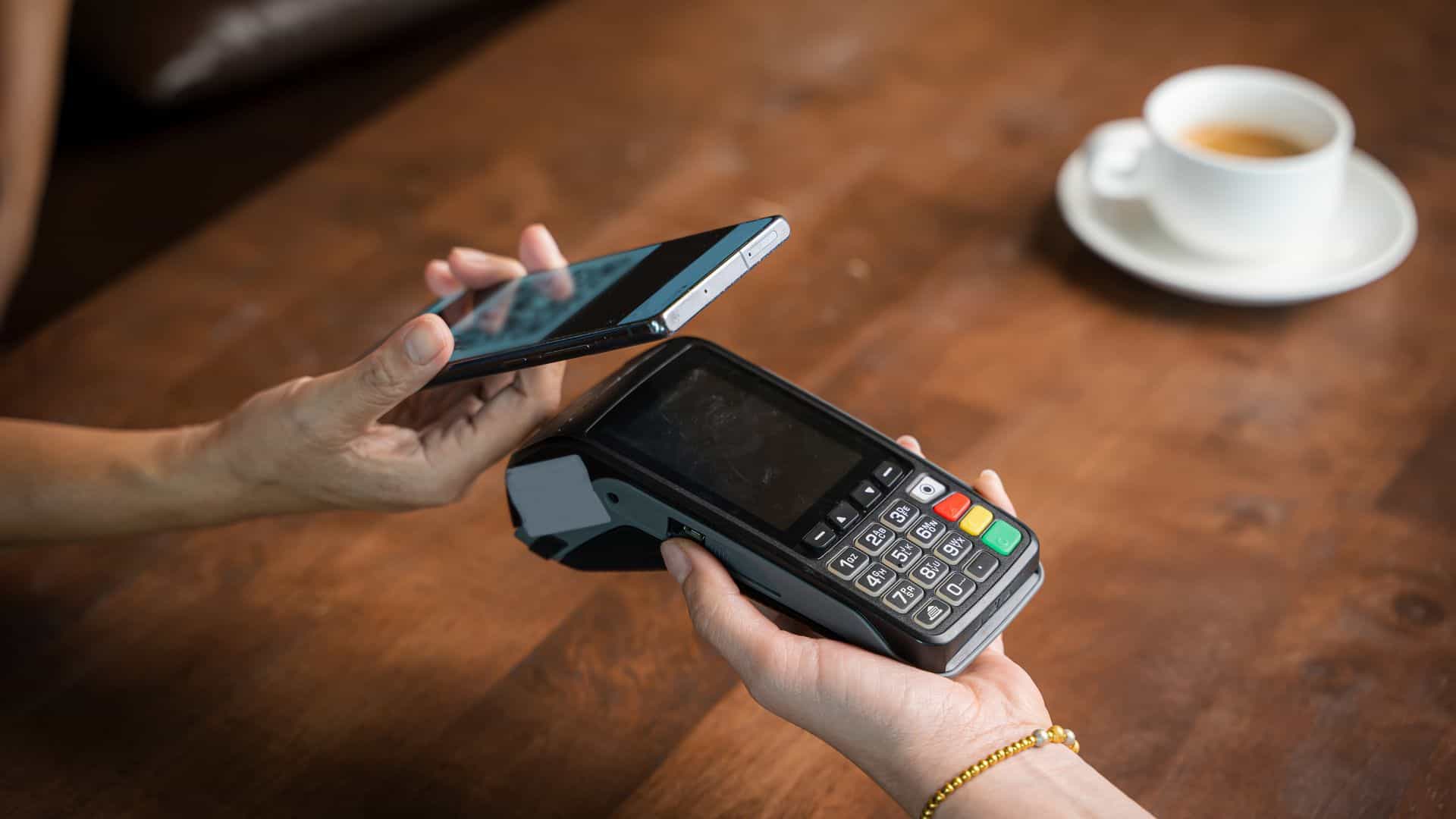
Another wrote, "Send her a venmo request for her portion. While you may not get the money, this is an important lesson on how she views you. How good is a friend that can't be bothered to repay what they've said they will?"
Sending a Venmo request is a great way to keep it top of mind and active. This shows her it hasn't been forgotten, and the ball is in her court.
Fool me once. "I wouldn’t go out with that person again. She knew what she was doing."
It would be really hard to want to hang out with this person again after this. Who knows if it's just a one-time thing or something that she would try to do all the time? While it's hard not to let situations like this strain friendships, they do. The best way to find peace with the situation is to come to a conclusion about what works best for you.

Balancing friends and money
Money only becomes a problem in friendships when expectations are unclear or ignored. Covering a bill once is a favor. Repeated delays after a promise to repay shift it into a trust issue. Being upfront about money is not rude, and it is not the same as being transactional.
Clear communication helps prevent resentment. If someone asks you to cover a check, it is reasonable to confirm how and when you will be paid back before agreeing. A quick “Can you Venmo me tonight or tomorrow?” sets a timeline without turning the moment awkward. When repayment does not happen, following up once or twice is not harassment. It is simply holding someone to their word.
Healthy friendships can handle these conversations. A friend who respects you will not put you in the position of having to chase them for money or feel guilty for asking. When someone dismisses your discomfort by saying “money ruins friendships,” it often deflects from the real issue: ignoring an agreement does the damage, not enforcing it.
Setting boundaries also protects future interactions. If a friend has shown they are unreliable with money, that does not require a confrontation, but it does justify changing how you handle shared expenses. Separate checks or declining pricier outings are reasonable adjustments, not punishments.
In the end, balancing friends and money comes down to mutual respect. If one person consistently benefits while the other absorbs the cost, the imbalance is already there. Addressing it does not create the problem. It simply makes it visible.
Leave a Reply