
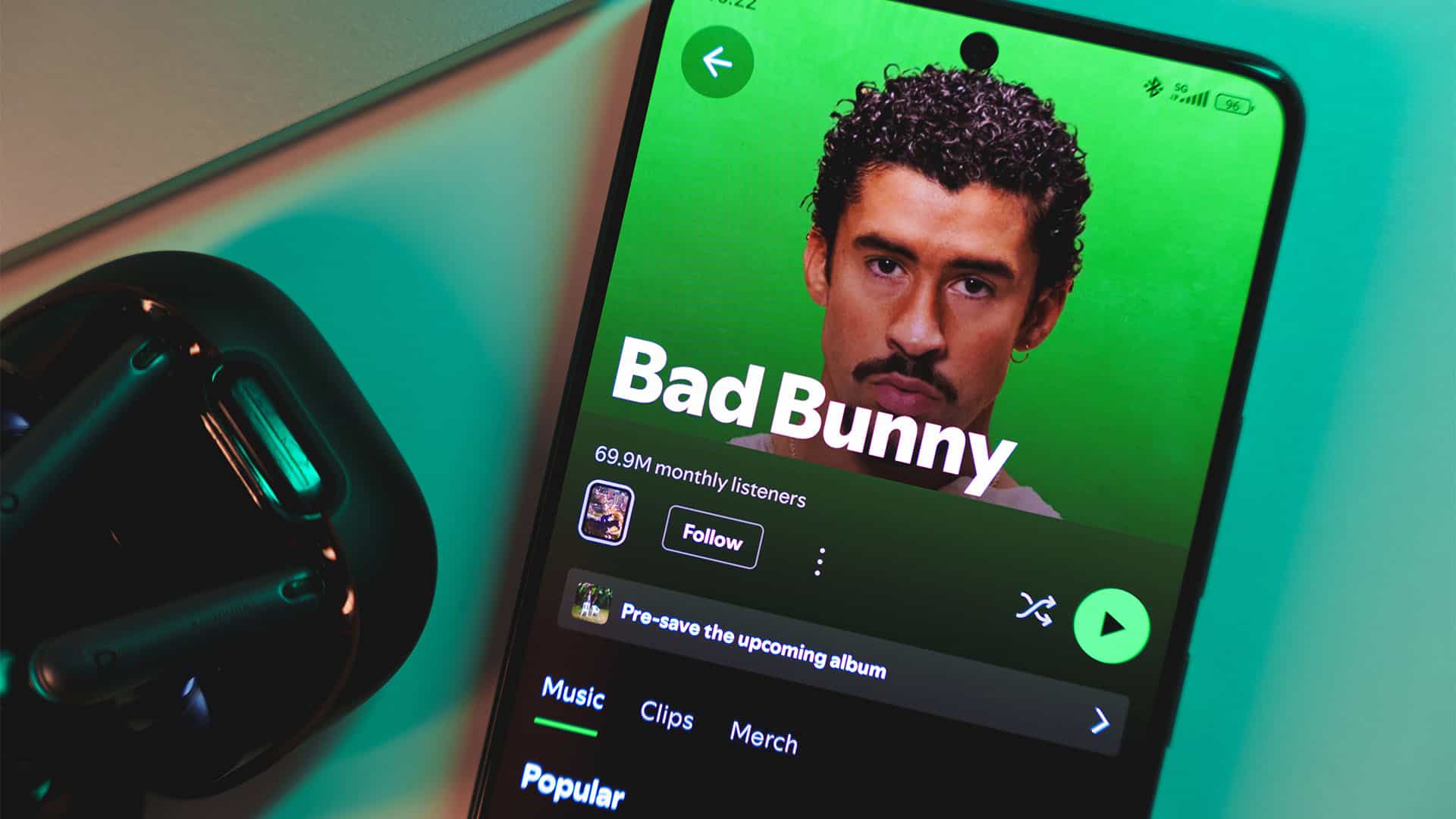
Benito Antonio Martínez Ocasio, better known as Bad Bunny, has spent the past few years transitioning from breakout artist to one of the most visible figures in global music.
His career has blended music and cultural commentary, and his personality shone at its fullest when he took the stage for the Super Bowl halftime show, performing in front of one of the largest television audiences in the world. It’s against that backdrop that a simple question carries more weight than it might seem at first glance.
Super Bowl performance
Bad Bunny’s Super Bowl halftime performance marked a milestone in his career. Appearing on a stage traditionally dominated by pop and rock bands, he brought his sound and style to an audience far broader than his usual fan base, most of whom may not regularly engage with Latin music.
Rather than reshaping his music to fit the moment, he presented it as it exists, showing confidence that it could carry a global broadcast without translation or adjustment. That choice signaled how far his music has already traveled into the mainstream.
Culturally, the set stood out for its unapologetically rooted nature. Spanish-language lyrics and visual cues tied to heritage were front and center, without explanation or framing for viewers unfamiliar with them.
The halftime show proved that Bad Bunny is already part of global pop culture through his identity.
The interview
In a recent interview on The Late Show with Stephen Colbert, Bad Bunny was asked to describe the rest of his life in five words, either in English or Spanish. Bad Bunny responded by saying, "Happy. Retired. Eating tripletas. Living in Puerto Rico."
A handshake was given, as the two men understood just how wonderful and calm that response was.
What are tripletas?
Tripletas are a classic Puerto Rican sandwich made with grilled steak, pork, and ham, all layered on soft pan sobao bread, topped with melted Swiss cheese, lettuce, tomato, and mayo. It's then pressed on a flat top so everything melds together. They’re a popular street food sold at food trucks and late-night spots, and are known for being hearty and filling.
@chefchrisj shows how simple it is to make this indulgent sandwich at home.
Why this matters
Bad Bunny’s answer stood out because it was ordinary and intentional. While many artists frame the future around legacy or dominance, his response centered on rest and food memories tied directly to home.
Mentioning tripletas was not a throwaway detail. It pointed back to Puerto Rico and a version of success that is measured less by visibility and more by personal ease.
He shows how cultural identity and simple comforts ground people operating at the highest level of fame. Food, in this case, becomes shorthand for familiarity, and a life imagined beyond constant performance.
Sometimes the clearest picture of what someone values comes not from a long explanation, but from a taste and memories they miss enough to name.
Leave a Reply