
A pantry can look tidy yet still work against you. Items get pushed to the back, and ingredients linger long past their useful life. Unlike the fridge, where spoilage is obvious, pantry food tends to fall through the cracks. Flavor dulls. Texture changes. Oils go stale. At a certain point, keeping these items does not save money or time. It just adds clutter and risk.
Here are ten pantry items that are commonly kept far too long, and why it is usually better to let them go.

Expired spices and dried herbs
Spices do not spoil in a dramatic way, but they do lose their purpose. Ground spices in particular fade fast. Paprika and chili powder can lose most of their flavor within a year. Dried herbs turn dusty and flat, even if the jar still smells faintly herbal.
If you need to use twice as much to taste anything, the spice is no longer doing its job. Old spices can also develop musty notes that carry over into finished dishes. If the color has dulled or the aroma is weak, it is time to toss them.
Cooking oils
Oils are among the most overlooked pantry items. Many people assume oils last forever because they look fine. In reality, oils go rancid long before they turn cloudy or change color.
A sharp, crayon-like odor indicates that the oil has broken down. This is common with vegetable oil, canola oil, walnut oil, and even olive oil stored near heat or light. Rancid oil not only tastes bad, but it is also harmful. It will ruin an entire dish. If the bottle has been open for months and smells even slightly off, it is safer to discard it.
@fitfatherproject shows how to test oils to see if they're still good.
Open nut flours and ground nuts
Almond flour and other nut-based products are popular, but they spoil faster than regular flour. Nuts contain natural oils that oxidize quickly once ground.
If these items are kept at room temperature for long periods, they can turn bitter or stale without obvious signs. A quick smell test helps, but when in doubt, discard them. Fresh nut flours should smell lightly sweet and clean, not heavy or sharp.
Old baking powder and baking soda
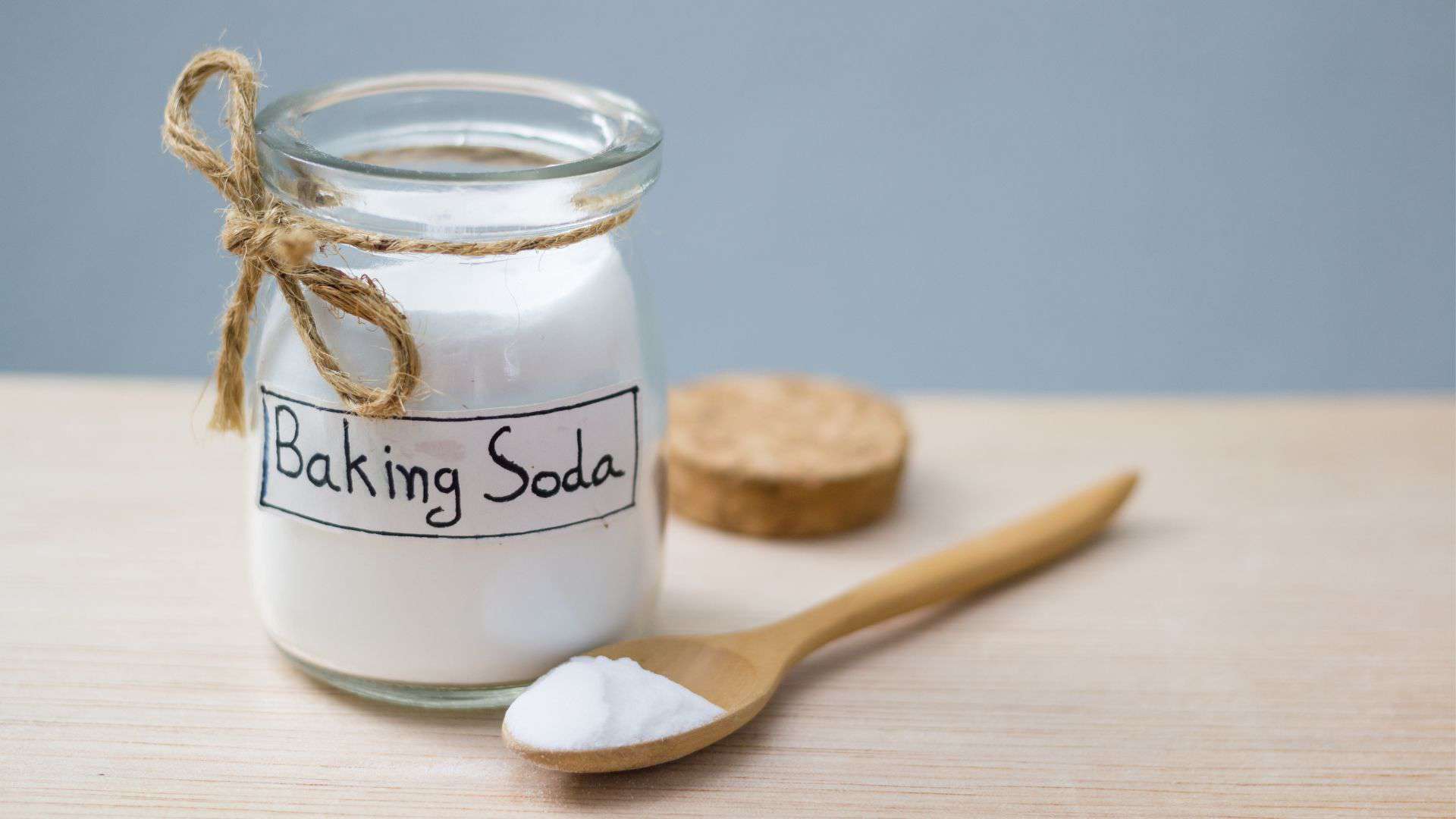
These items do not rot, but they do stop working. Baking powder loses strength once opened, especially if exposed to moisture. Baking soda can absorb odors and humidity from the air.
Using inactive leavening results in flat cakes and disappointing results that seem mysterious until you check the box. If baking powder has been open for more than a year, or baking soda smells like the pantry instead of neutral, replacing them is the right call.
Half-used boxes pasta
Pantries often collect pasta boxes bought for one specific recipe. A half box of orzo or lentil spirals can sit untouched for months.
While dry pasta technically lasts a long time, specialty versions made from legumes or whole grains can go stale or pick up off-flavors more quickly. If the texture looks chalky or the smell seems dusty or odd, it is not worth keeping.
Old rice and whole grains
White rice lasts a lot longer than brown rice, but even white rice has its limits. Brown rice and other whole grains contain oils that go rancid over time.
If these grains smell slightly oily or bitter when dry, that flavor will only get stronger when cooked. Pantry pests are also more likely to target old grains. If a bag of white rice has been open for years and it smells off, throwing it away can prevent bigger problems later.

Sauces and condiments you opened once
That jar of stir-fry sauce or specialty marinade may have seemed like a good idea at the time. Months later, it is still taking up space.
Once opened, many shelf-stable sauces slowly degrade. Flavors flatten, and separation becomes permanent. If you cannot remember the last time you used it, or if the smell no longer matches what it claims to be, it is past its prime.
Canned goods with rust, dents, or leaks
Canned food lasts a long time, but not forever. Rust or deep dents are signs that the seal may be compromised.
Even if the expiration date is still months away, damaged cans are not worth the risk. Discard any can that looks compromised. When it comes to canned goods, appearance matters as much as dates.

Sugar and flour contaminated by pests
According to the University of Minnesota, pantry pests are more common than many people realize. Keep your eyes peeled for any signs of an infestation. Fine webbing or clumps that do not break apart easily can signal contamination.
Once pests appear, the affected item should be thrown out immediately. Keeping it invites spread to other foods. You might need to check sealed packages nearby as well. Clearing out contaminated items quickly is the best way to stop a larger pantry problem.
Old boxed mixes you keep for emergencies
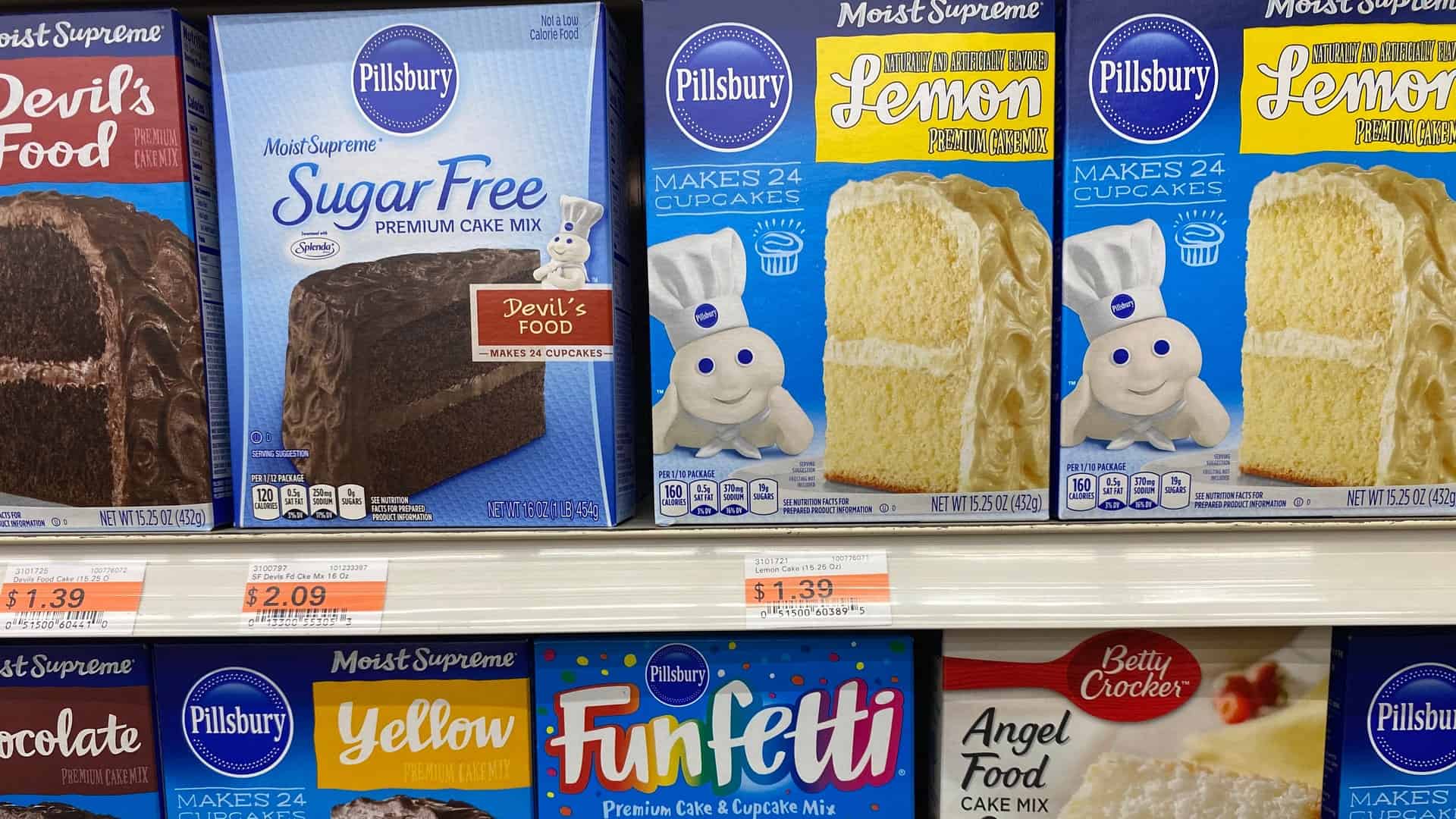
Cake mixes and boxed bread kits often live in pantries as backup options. Over time, the fats in the mix go stale, and the leavening weakens.
The result is often a bland or oddly textured product that falls short of expectations. These should be thrown out by their expiration date.
A pantry clean-out does not need to happen all at once, nor does it need to be extreme. The goal is not perfection. Food that no longer tastes right or is considered not safe is not doing you any favors.
Clearing out these items creates space for ingredients you actually use and trust. It also makes cooking easier, since you are not second-guessing every scoop or pour. A pantry should support daily meals, not quietly sabotage them.
Leave a Reply