
A cutting board seems like a simple kitchen tool, but the material you choose can affect food safety and the board's lifespan. Some boards are marketed as more hygienic or more durable, yet each option comes with trade-offs. Plastic, bamboo, wood, and steel all perform differently, and the right choice depends on how you cook and how much maintenance you want to handle.
Rather than declaring one board the universal winner, it helps to look at how each material actually behaves in real kitchens.

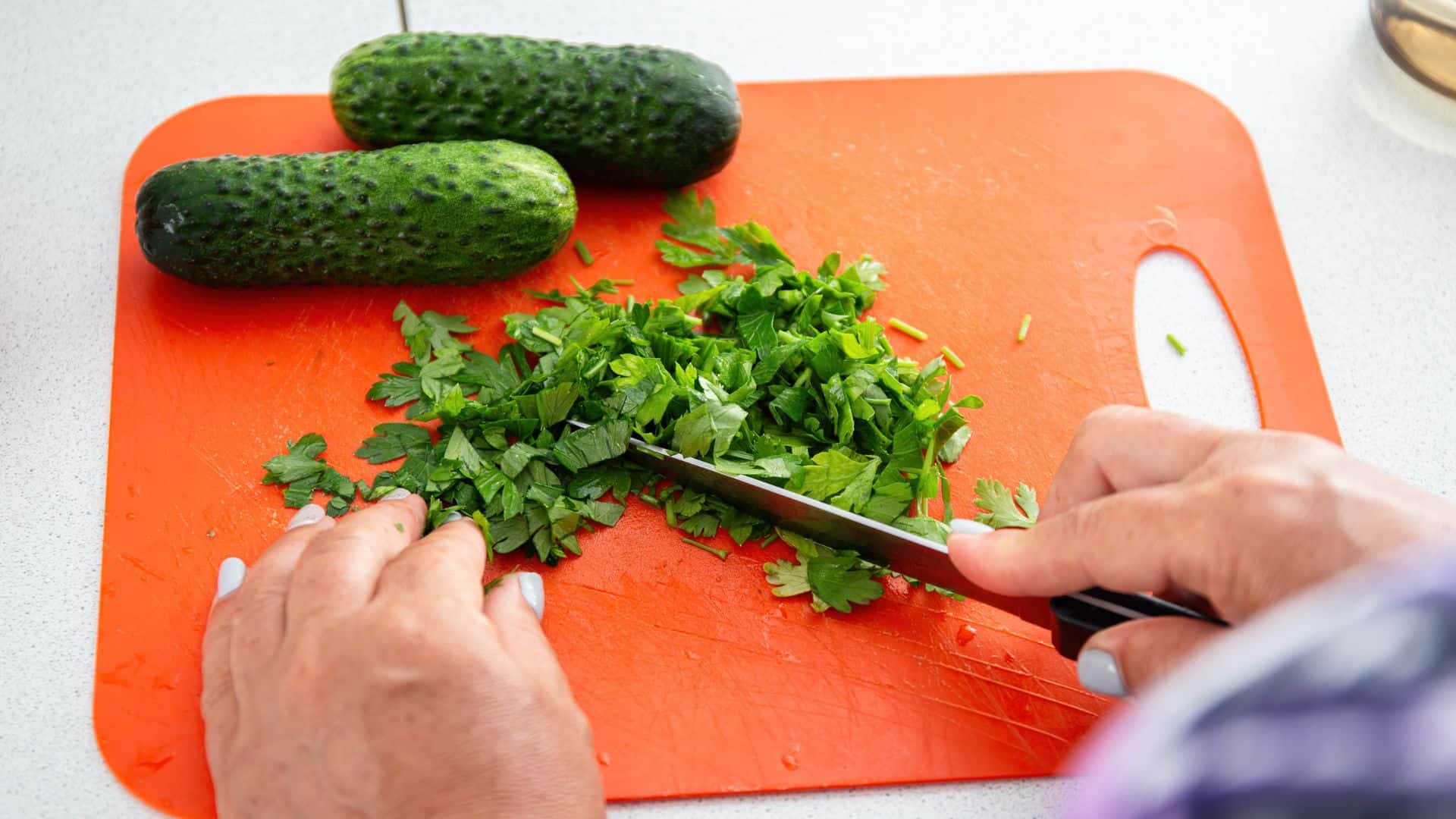
Plastic cutting boards
Plastic boards are used in home kitchens because they are affordable and easy to sanitize. They are typically made from polyethylene or polypropylene, materials designed to resist moisture and staining.
One of their biggest advantages is convenience. Plastic boards can go in the dishwasher and dry quickly. Many people use color-coded plastic boards to separate raw meat from produce, which can help reduce cross-contamination.
The downside is durability. Plastic boards develop knife grooves over time, and those grooves can trap bacteria if the board is not cleaned thoroughly. As the surface wears down, the board can become harder to sanitize. Some plastic boards also warp when exposed to heat, and cheaper versions may become brittle or slippery with age.
Another concern is environmental impact. Plastic boards eventually wear out and contribute to waste. Plastic boards are convenient, but they tend to be more disposable than other options.
Bamboo cutting boards
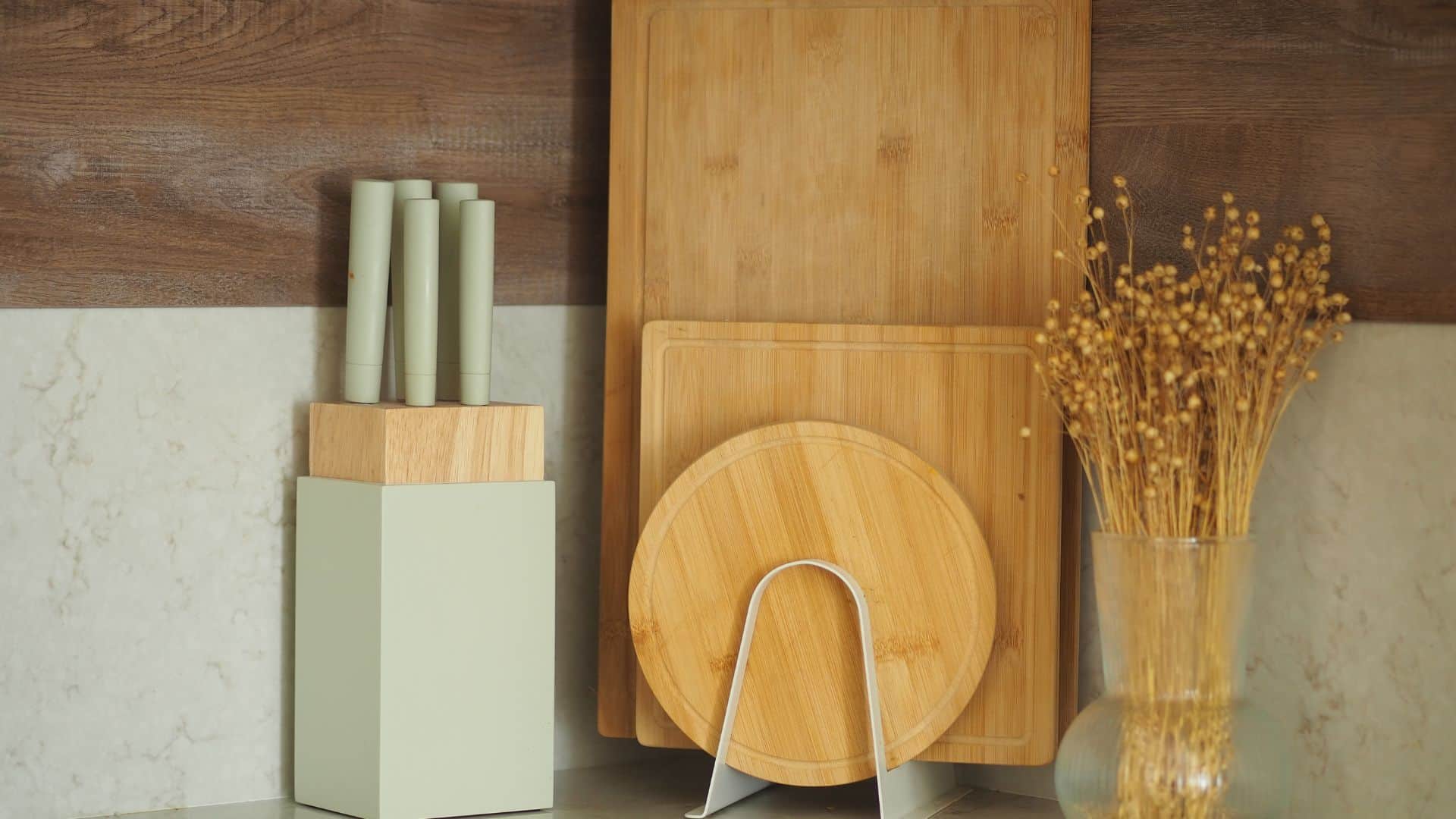
Bamboo boards are often marketed as eco-friendly because bamboo grows quickly and regenerates without replanting. They are lighter than many hardwood boards and typically less expensive than premium wood options.
Bamboo is technically a grass, and boards are made by gluing together thin strips. This creates a surface that is relatively hard and moisture-resistant. Bamboo boards also tend to look clean and modern, which appeals to people who want something visually neutral.
However, bamboo’s hardness can be tough on knives. The dense surface may dull blades faster than traditional wood. The glue used to bond strips together can also degrade over time, especially if the board is soaked or washed aggressively.
Bamboo boards can crack if they dry out or warp if they absorb uneven moisture. While they require less maintenance than some hardwood boards, they still benefit from occasional oiling to prevent splitting.
Wooden cutting boards
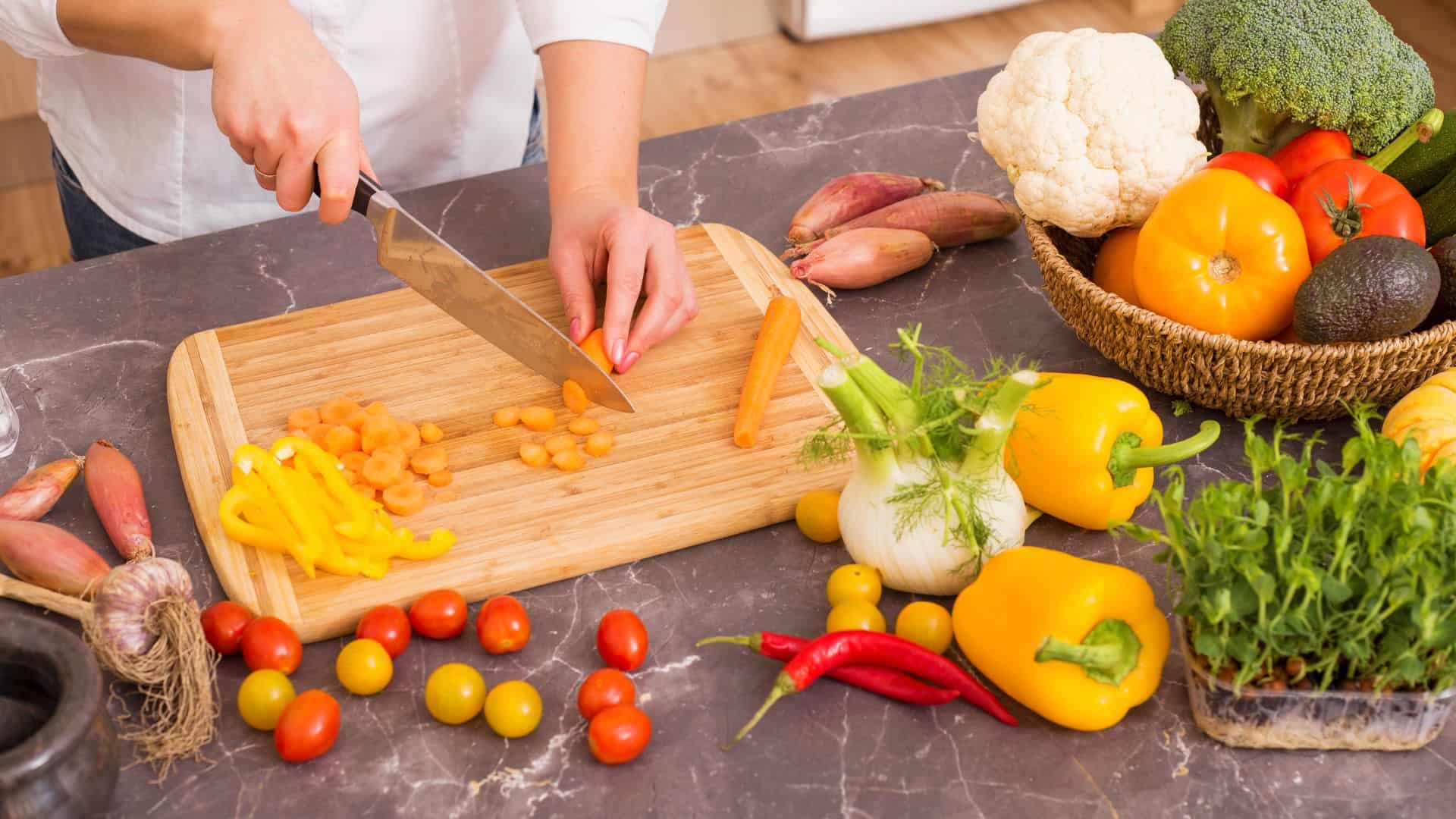
Wood remains one of the most popular and trusted cutting board materials, especially among frequent cooks. Common choices include maple, walnut, cherry, and beech. These woods have a balance between firmness and flexibility.
Wood has natural antimicrobial properties, and studies have shown that certain bacteria die off faster on wood than on plastic.
A well-made wooden board can last for years or even decades if cared for properly. It also tends to age beautifully, developing character rather than looking worn out.
Maintenance is the trade-off. Wooden boards should not go in the dishwasher, cannot be soaked, and require oiling to prevent drying and cracking. They can stain if strongly pigmented foods like beets are cut on them regularly.
Wood is a good choice for people who value durability and aesthetics, but it requires ongoing maintenance.
@chefzealand shows his process for cleaning wooden cutting boards.
Stainless steel cutting boards
Steel cutting boards are less common in home kitchens but are used in commercial environments where sanitation and durability are priorities. Stainless steel does not absorb moisture and is highly resistant to bacteria when cleaned properly.
Cleaning is one of steel’s biggest advantages. The surface can be scrubbed aggressively, sanitized easily, and will not warp or crack. Steel boards are also heat-resistant and nearly indestructible when used normally.
The drawbacks are practical. Steel is extremely hard on knives, quickly dulling blades. It is also noisy, as metal knives striking metal can create a harsh sound.
Steel boards are best suited for people who prioritize sanitation and durability over knife preservation and cutting comfort.
How material affects knives
Knife wear is an important but often overlooked factor. Harder surfaces, such as bamboo and steel, dull knives faster, requiring more frequent sharpening. Wood tends to be the most forgiving material for blade edges, while plastic sits somewhere in the middle, depending on quality and wear.
People who invest in good knives often choose wood to extend blade life. Those using inexpensive knives may not notice or prioritize the difference.
Microplastics and cutting boards
Microplastics have become a growing topic in food and health discussions, and cutting boards are part of that conversation. When knives cut into plastic boards, they create small shavings and fine particles.
According to ACS Publications, plastic chopping boards are a substantial source of microplastics in human food, which requires careful attention. "We further estimated that a person could be exposed to 14.5 to 71.9 million polyethylene microplastics annually, compared to 79.4 million polypropylene microplastics from chopping boards."
For people who want to reduce potential microplastic exposure during food prep, using wood or bamboo boards is a simple step. Gentle knife technique and avoiding excessive scraping with the blade edge can also reduce surface shedding.
The bigger health picture still points to cleaning habits and cross-contamination control as more important factors than board material alone, but microplastic exposure is now part of the buying decision for many kitchens.
Environmental impact and longevity
Sustainability depends on how long a board lasts and how it is produced. Plastic boards are inexpensive but tend to be replaced more often. Bamboo grows quickly but relies on adhesives. Hardwood boards come from slower-growing trees but can last many years. Steel boards have a high production footprint but rarely need to be replaced.
Which board makes sense for different kitchens
There is no one best option, but patterns emerge based on cooking habits. People who cook frequently and care about knives often prefer wood. Those who prioritize convenience and dishwasher safety lean toward plastic. Bamboo appeals to people who want a lighter material with moderate upkeep. Steel works best in high-sanitation environments or minimalist kitchens where durability matters most.
Many kitchens benefit from having more than one board.
Cleaning and care tips that actually matter
Wash boards promptly after use. Avoid soaking boards in water for long periods. Dry boards thoroughly before storing to prevent moisture buildup. and replace boards that develop grooves or cracks that cannot be cleaned effectively.
Wood and bamboo boards benefit from regular oiling with food-safe mineral oil to keep the surface conditioned. Plastic boards should be replaced once grooves become deep or staining persists, and steel boards should be wiped dry to avoid water spots and maintain grip.
Choosing a cutting board is less about finding the perfect material and more about matching it to how you cook and clean. The best board is the one that fits into your routine and lasts long enough to justify its footprint in your kitchen.
Leave a Reply