
A simple moment during a vacation dinner sparked an unexpected conflict between two partners. The situation raised questions about choice, shared expenses, and whether a small decision can justify a bigger reaction. Now, one person is left wondering if they acted inconsiderately or if the response was out of proportion.

The story
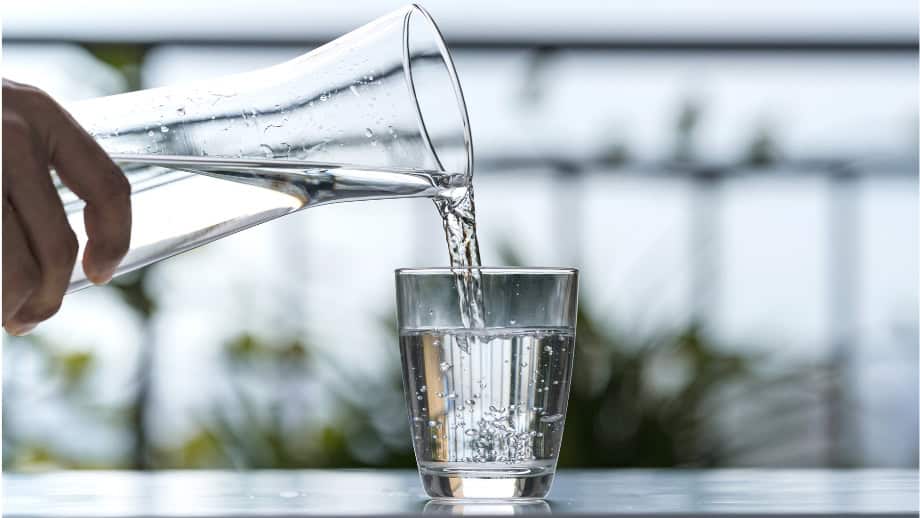
In a recent Reddit thread, it was asked, "Am I in the wrong for ordering water at a restaurant?" She went on to say that she and her husband had recently stayed at an expensive hotel that included breakfast and dinner but not drinks. The hotel charges 4 euros for a bottle of water, and after being up in the mountains at the resort all day, she's usually extra thirsty.
Her husband made a remark about her drinking "as much water at dinner as it costs to fill the pool at home." They ordered a bottle of wine and water when they sat down to dinner, and during the meal, she ordered another glass of water.
Her husband went to the restroom, came back looking upset. At the end of the meal, a glass of water was left on the table, and her husband asked if she would finish it. She said no, and he got mad at her for even ordering it, saying she should have asked before ordering an excess of water.
Now she wants to know if she was in the wrong for leaving some water and not finishing it all.
The responses
Over two hundred people commented on her version of the story.
One person said, "This whole thing sounds exhausting. It's water. Drink it or don't, but don't fight over it."
Agreed. Sometimes there's food or drink left over after meals. That just happens. To make someone feel about it seems a bit odd in the context of the moment. He seemed really upset that she ordered without asking first, and that is likely the underlying issue.
Another wrote, "Please, spill the tea on how he's super miserly about other things. This kind of behavior doesn't happen in isolation."
This may not be a one-time thing. He may have a pattern in which certain things bother him, and he doesn't know how to express them.

This comment read, "He’s being petty over a glass of water, out of a whole pitcher worth."
Most people were thinking this. "I suspect this isn’t about water."
It's a valid point. For him to leave and go to the bathroom, and then come back and be upset about the water. It just feels like something else happened to shift his mood, and it should likely be looked into or discussed.
One person pointed out, "If he’s stressed over finances, why did he agree to book an expensive vacation? Is this a pattern with him? Is he always this controlling?"
These are all great questions. If a bottle of water is going to stretch your budget to the point of ruining the entire trip, not booking such an expensive hotel next time needs to be on the radar. Vacations are meant to be relaxing, not have someone watch over every detail and feel stressed the entire time.

How to handle a spouse who seems disappointed over small things
When a person reacts strongly to something minor, it can feel confusing or unfair. In moments like that, it can help to step back from the specific detail and focus on the bigger picture. Strong reactions are often less about the object or event and more about underlying control or unspoken expectations.
Calm communication matters more than proving a point. Instead of arguing over who was right, it can be more productive to ask what actually bothered them and why it felt important. That opens the door to understanding whether the frustration is about finances or something unrelated that spilled into the moment.
It is also reasonable to set boundaries. People should not feel policed over harmless choices, especially when no real harm was done. A healthy relationship leaves room for autonomy and the assumption of good intent.
At the same time, patterns matter. If disappointment or criticism shows up frequently over minor issues, it may signal a larger dynamic that needs attention. Talking about expectations and shared values can prevent small disagreements from turning into recurring conflicts.
Leave a Reply