
The kitchen is often considered the heart of the home. It's full of family routines and comfort, but it is also one of the most bacteria-prone spaces in the house. Many people focus on wiping counters and washing dishes, but some of the germiest spots are those handled often but cleaned rarely. These are not hidden problem areas. They are everyday objects that quietly collect food residue and bacteria.
Jar lids
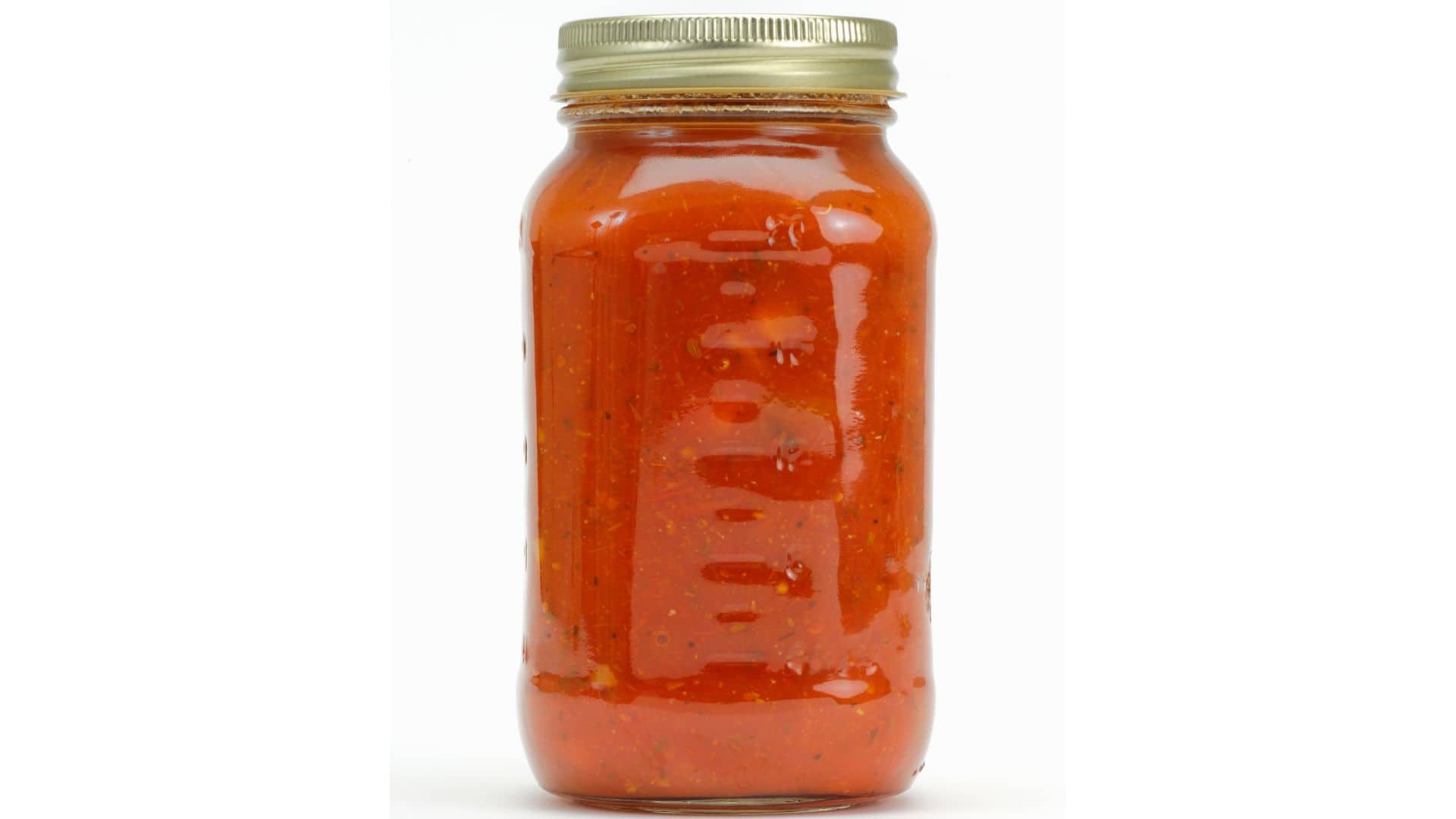
Jar lids are one of the most overlooked spots. Jam and spices in jars are handled frequently, often with sticky or greasy fingers. Residue builds up around ridges and rims, creating an ideal environment for bacteria. Even if the jar itself is stored in the refrigerator, the lid can become a breeding ground for germs.
Cleaning jar lids thoroughly means removing them from containers and washing them with hot, soapy water. Get a small brush for scrubbing grooves, and let them dry completely before putting them back in place.
Cutting boards
Cutting boards are another common source of contamination. Knife grooves trap raw meat and other food particles that can linger long after a quick rinse. Plastic boards can harbor bacteria in scratches, while wooden boards can absorb moisture.
Cutting boards should be washed with hot water and dish soap after each use, then disinfected regularly with diluted vinegar or a mild bleach/water solution. Allowing boards to dry upright helps prevent trapped moisture.

Sponges and dishcloths
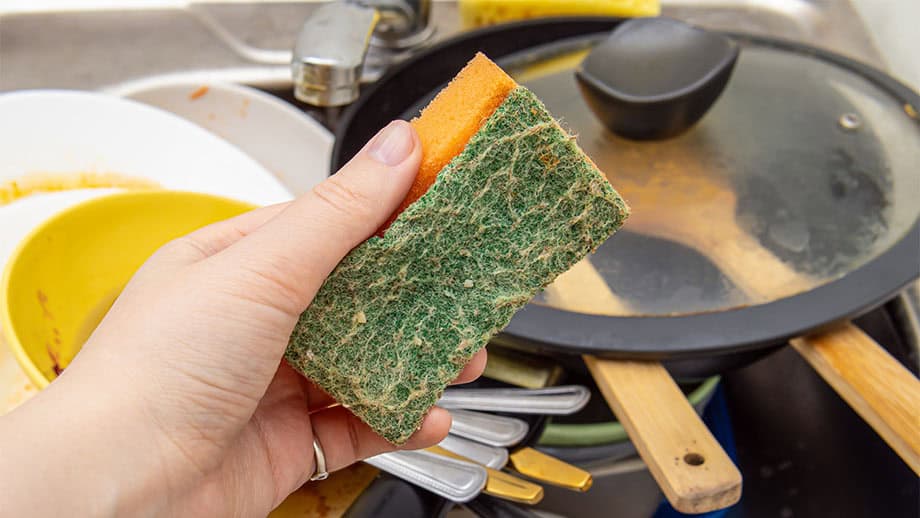
Sponges and dishcloths are well known to harbor bacteria, yet they are often used far longer than they should. Sponges can hold millions of bacteria if not cleaned or replaced frequently. Dishcloths can spread germs from one surface to another if reused without washing. These items should be rinsed thoroughly after each use and replaced or washed every few days.
Microwaving a damp sponge for a short burst or running dishcloths through a hot laundry cycle can help reduce bacteria.
Sink drains and garbage disposals
Sink drains and garbage disposals are easy to forget, but tend to hold onto food residue and moisture. Grease and soap buildup create an environment where bacteria and odors thrive. Running hot water alone is not enough.
Periodic flushing with boiling water and dish soap, followed by baking soda and vinegar or another gentle cleaning solution, can help break down buildup and keep drains fresher.
Refridgerator handle
The refrigerator handle is another high-touch surface that often goes unnoticed. Germs transfer easily from hands to handles and then back again.
Wiping refrigerator handles with disinfecting wipes or warm soapy water a few times a week can significantly reduce the spread of bacteria.
Coffee makers and small appliances
Coffee makers and other small appliances may look clean on the outside, but can have residue internally. Coffee machines can build up mold or bacteria in water reservoirs and drip trays if not cleaned regularly.
Running a vinegar-and-water cycle through the machine and wiping down exterior surfaces helps prevent buildup and keeps flavors from turning stale. Be sure to also visually check the inside for mold.

Reusable grocery bags
Reusable grocery bags are used to carry packaged meats and pantry items, then get stored in cars or closets without being cleaned. Bacteria from spills or leaks can stay on fabric or surfaces.
Washing reusable bags in warm, soapy water or running cloth bags through the laundry regularly helps reduce contamination risk.
Salt and pepper shakers
Salt and pepper shakers, along with other tabletop condiments, are handled frequently during meals but are rarely cleaned. Fingers touching these containers can easily transfer bacteria.
Wiping down condiment bottles and shaker tops with warm soapy water or disinfecting wipes helps prevent germs from spreading across the table and other surfaces.
Oven knobs and stove controls
Oven knobs and stove controls also collect grease and bacteria. These surfaces are touched while cooking, but they may not get the same cleaning attention as stovetops or counters.
Regularly wiping knobs with warm, soapy water or a mild cleaning solution helps remove buildup and keeps hands from picking up residue.

Microwave buttons and handles
Microwave buttons and handles fall into a similar category. Food splatters inside the microwave are usually cleaned, but the buttons and handle on the outside are often forgotten. Since they are frequently touched, they can carry germs from raw food handling or from eating.
Cleaning these surfaces with a disinfecting wipe or warm, soapy cloth a few times a week can reduce contamination.
Pantry shelves and snack drawers
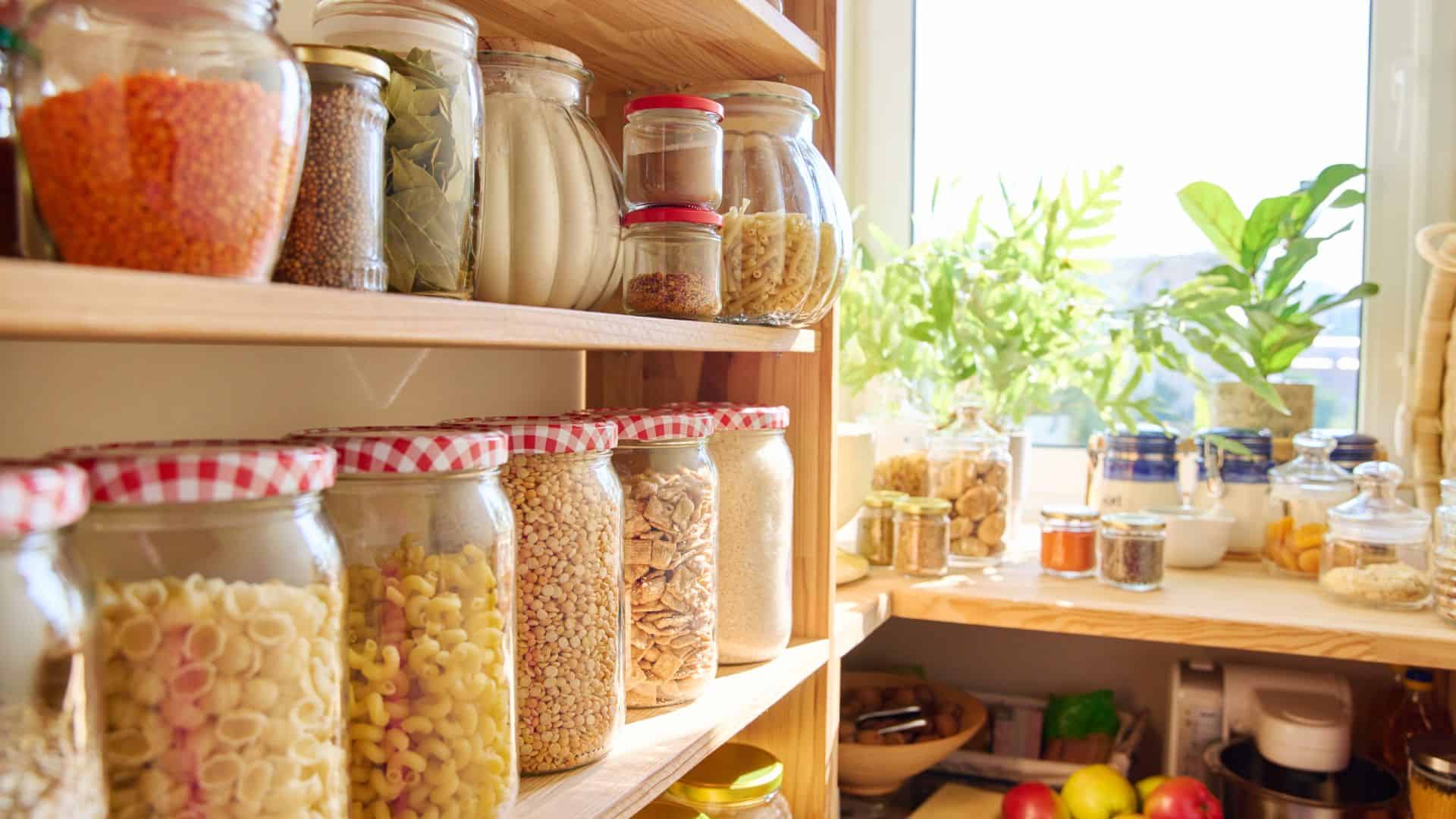
Pantry shelves and snack drawers can collect crumbs and packaging residue. This attracts bacteria and pests while creating odors. Emptying shelves and wiping them with warm, soapy water helps. Also, discarding expired items keeps storage areas cleaner and more sanitary.
Ice cube trays and freezer bins
Ice cube trays and freezer bins may seem low-risk, but they can accumulate dust or freezer odors. Trays handled with sticky hands or placed on unclean surfaces can transfer bacteria to ice.
Regularly washing trays and wiping down freezer bins helps keep frozen items cleaner.
Trash can lids and handles
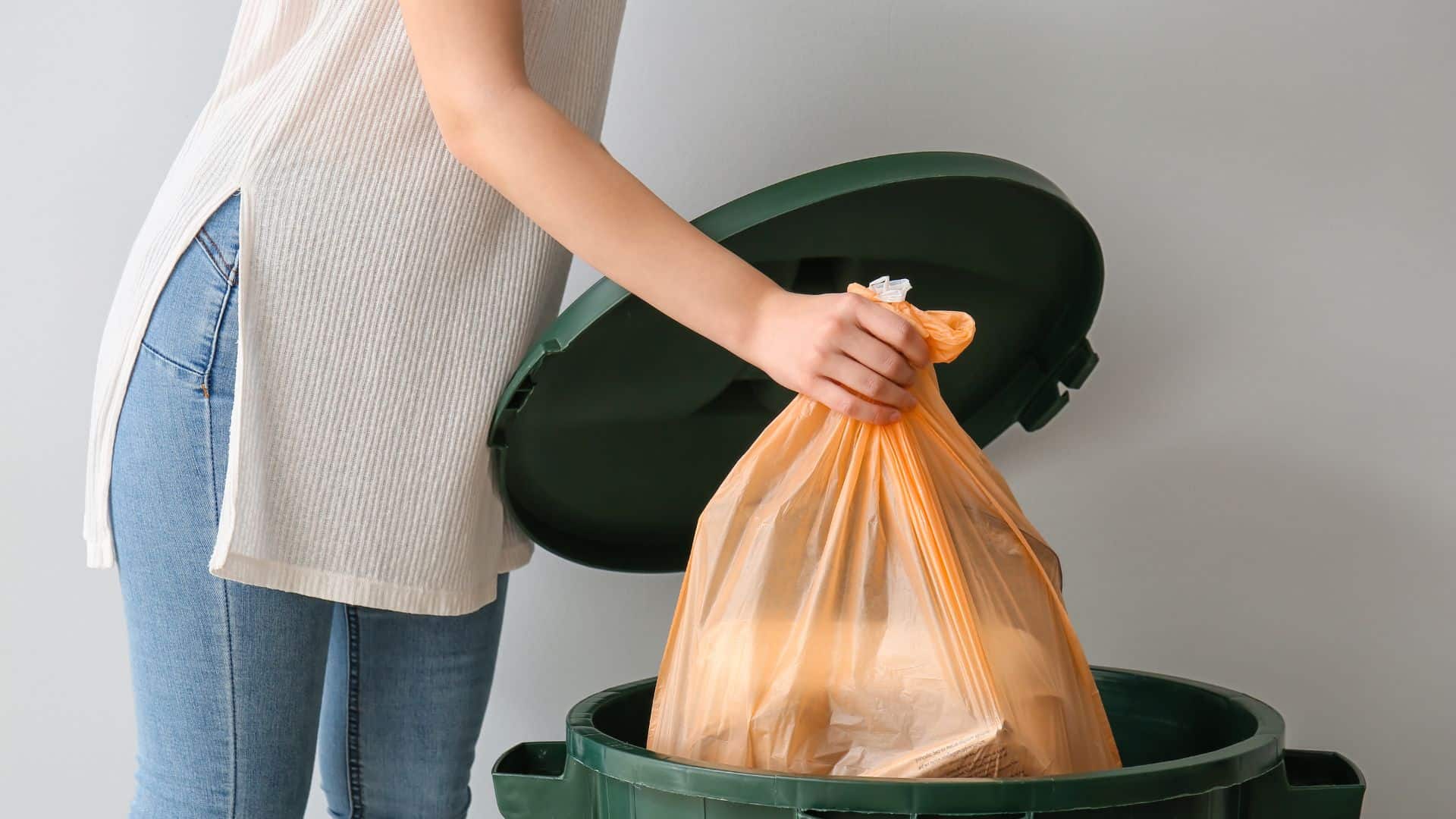
Even when trash bags are changed regularly, the lids can collect bacteria from contact with food waste. Cleaning trash can surfaces with disinfecting wipes or a mild cleaning solution reduces odor and limits the spread of germs.
The takeaway
Kitchens are inherently unsafe or unsanitary, but some of the most germ-prone spots are the ones people interact with most often. High-touch objects and food-contact surfaces deserve regular attention, even if they do not look dirty.
Cleaning these areas does not require specialized products or complicated routines. Hot water and soap with occasional disinfecting, and consistent habits go a long way toward keeping a kitchen healthier. The goal is not perfection, but awareness. Paying attention to the small, everyday items that are easy to overlook can make a big difference in reducing bacteria and keeping food-preparation areas cleaner.
Leave a Reply