
Cooking for a partner is often seen as a small, everyday act of care. But when that effort is met with constant criticism, it can quietly turn into a source of tension. A recent Reddit post about one woman’s decision to stop cooking for her partner sparked a wider conversation about what fairness looks like at home.
The story
A recent Reddit post asked, "Am I in the wrong for refusing to cook for my partner anymore?" She went on to say that she's been doing most of the cooking in her household for the past few years. Her partner rarely cooks, and while she's enjoyed cooking for him, he makes negative comments about everything that she makes.
He has also started seasoning everything without tasting it. She recently worked over an hour on a dinner for him, only to have him criticize it, so she snapped and said she was done cooking for him.
He's now upset and acting like she's the problem, and she wants to know if she was in the wrong for her reaction.
Hundreds of people commented, giving their two cents.

The reactions
The comment section was full of people telling her to hold her ground and stop making food for him.
One comment stated, "Man doesn’t like the food someone is going to the trouble of fixing, he can fix his own food. I’m curious, though: is this the only bad behavior he displays?"
It's a good question. His constantly pointing out everything that she is doing wrong is just wrong. If he's like this in other areas, it might be time to reassess the whole relationship and see if it's still a good fit.

This person said this. "The cooking is not the real problem. He is simply unkind and ungrateful."
It sure seems like it. The fact that he overlooks how hard she works to prepare dinner every day means he's taking her for granted.
Couldn't agree more. "There's polite, constructive criticism, then there's that."
Offering polite advice next time is one thing, but taking the time to criticize every single dish and say what could have been done differently is just extremely rude.
Words of advice. "Now stick to it. Do not cook for him. Make 1 portion for yourself. Don't even make extra for the next day, or he'll eat it and complain. Do not let this be an idle threat."
Three words: stick to it. No leftovers, no giving in. She has to stand her ground so that he understands that he crossed a line.

This comment stated facts. "You're the wife, not a maid."
She cooks for him because she likes cooking and she loves him, but that doesn't mean that it's her "job".
One person wrote, "There's that old golden rule: if you can't say something nice, don't say anything."
Everyone needs to be reminded of the golden rule from time to time. The problem is that reminding a person doesn't change their attitude or reactions to hard work and effort.

A healthier way to handle cooking as a couple
Cooking as a couple begins with understanding that meals are a shared part of daily life, not one person’s unpaid responsibility. Even if one person enjoys cooking more or has more experience, that doesn’t mean the effort should be taken for granted. Appreciation matters, and so does balance. A simple “thank you,” or a willingness to help, goes a long way toward keeping cooking from feeling like a burden.
Clear communication is also key. If something isn’t to someone’s taste, it should be expressed respectfully, not as a running critique. Constant negative comments can drain the joy out of cooking and damage trust. Constructive feedback should focus on preferences, not faults, and it should never outweigh acknowledgment of the time and effort involved.
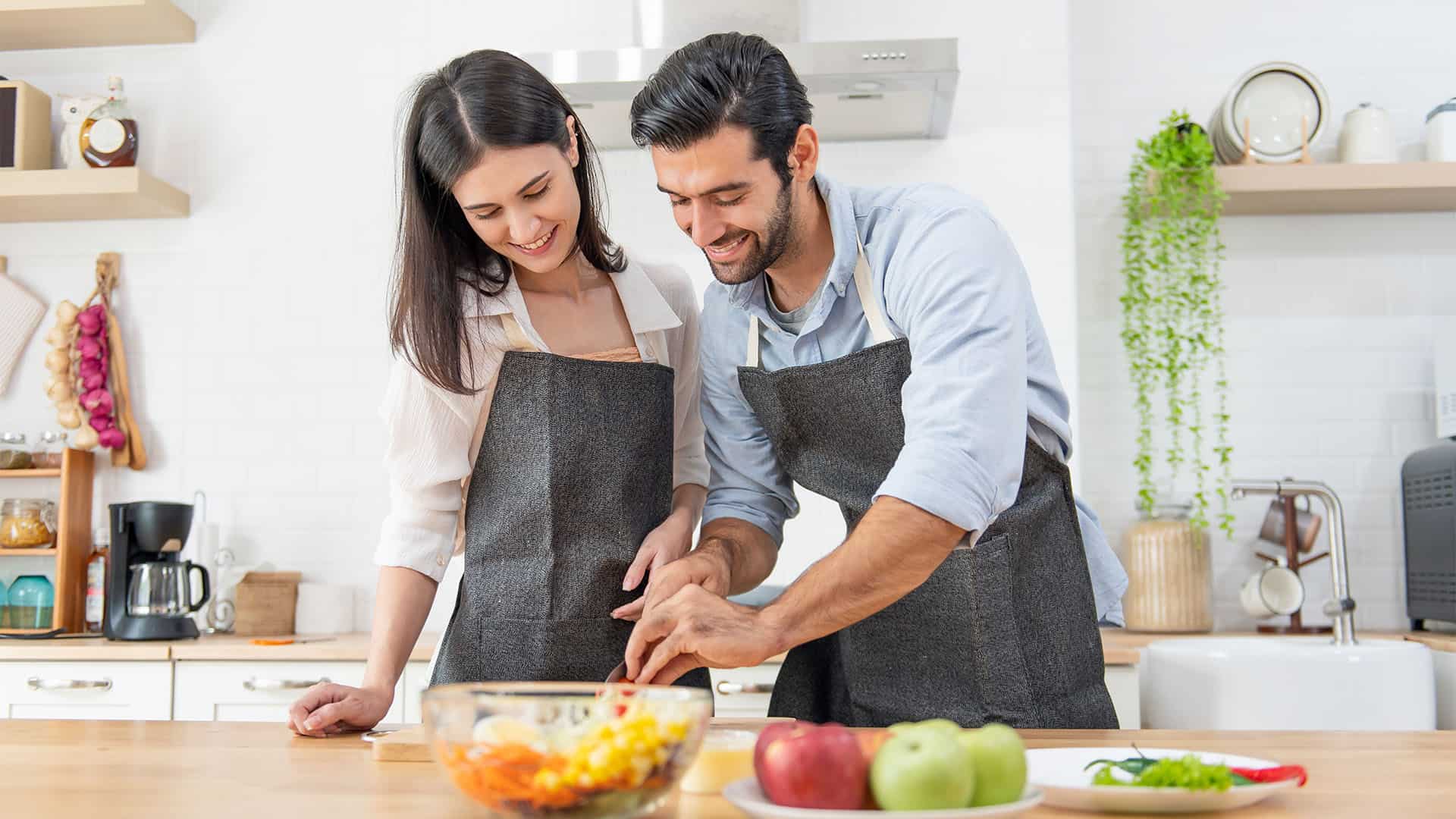
Sharing the workload can help reset expectations. This might mean alternating cooking days or agreeing that each person is responsible for their own meals when preferences don’t align.
Cooking should support the relationship, not strain it. When both people contribute and treat each other with kindness, meals become what they’re meant to be: a small, everyday way to care for one another.
Leave a Reply