
A family lunch became awkward when one parent ordered adult meals for her children after another family member had already told the waiter that all the kids would be getting kids’ meals. The moment sparked a disagreement over who should make decisions for someone else’s children and quickly led to a wider online discussion about parenting boundaries and respect.
The story
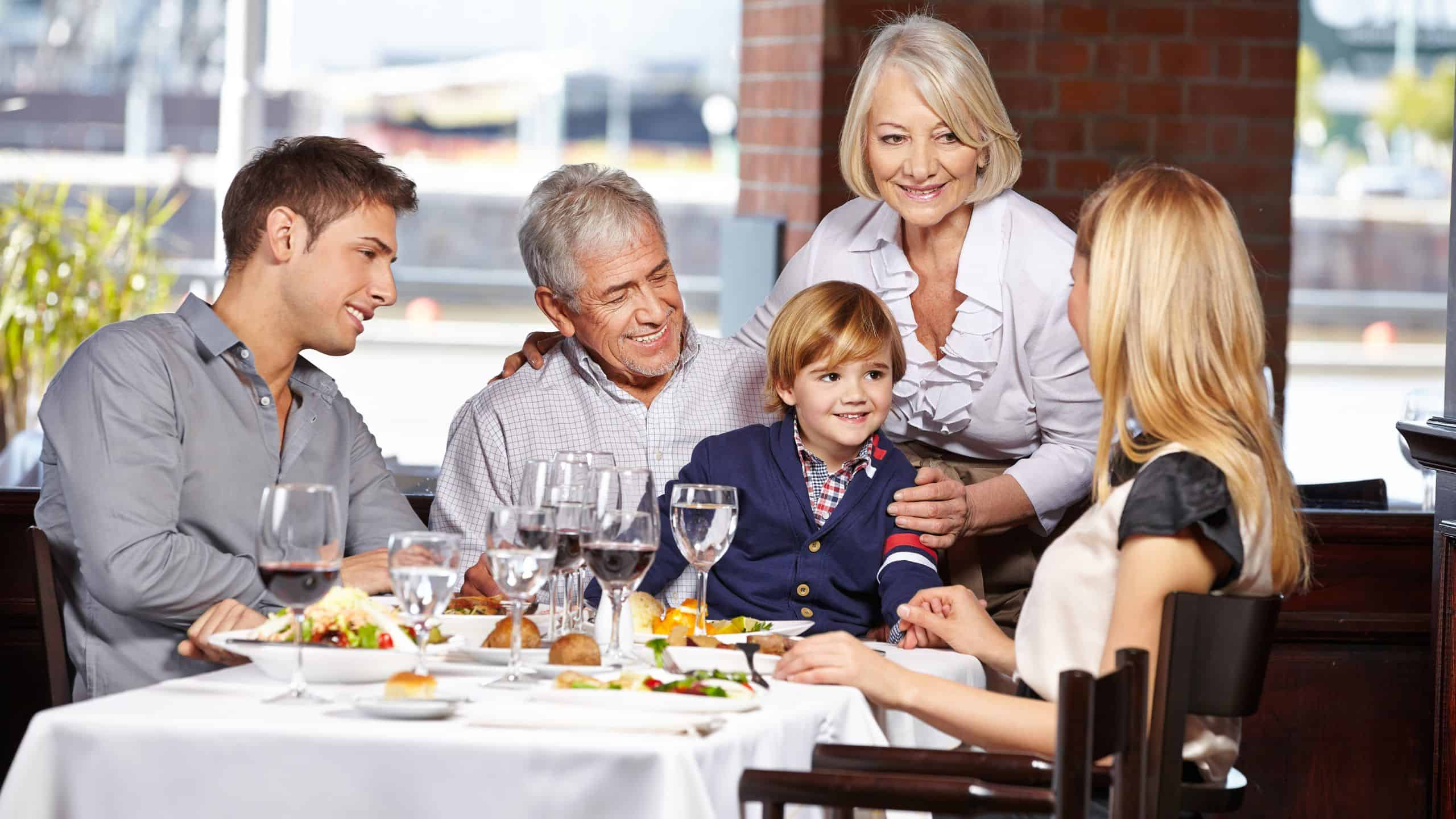
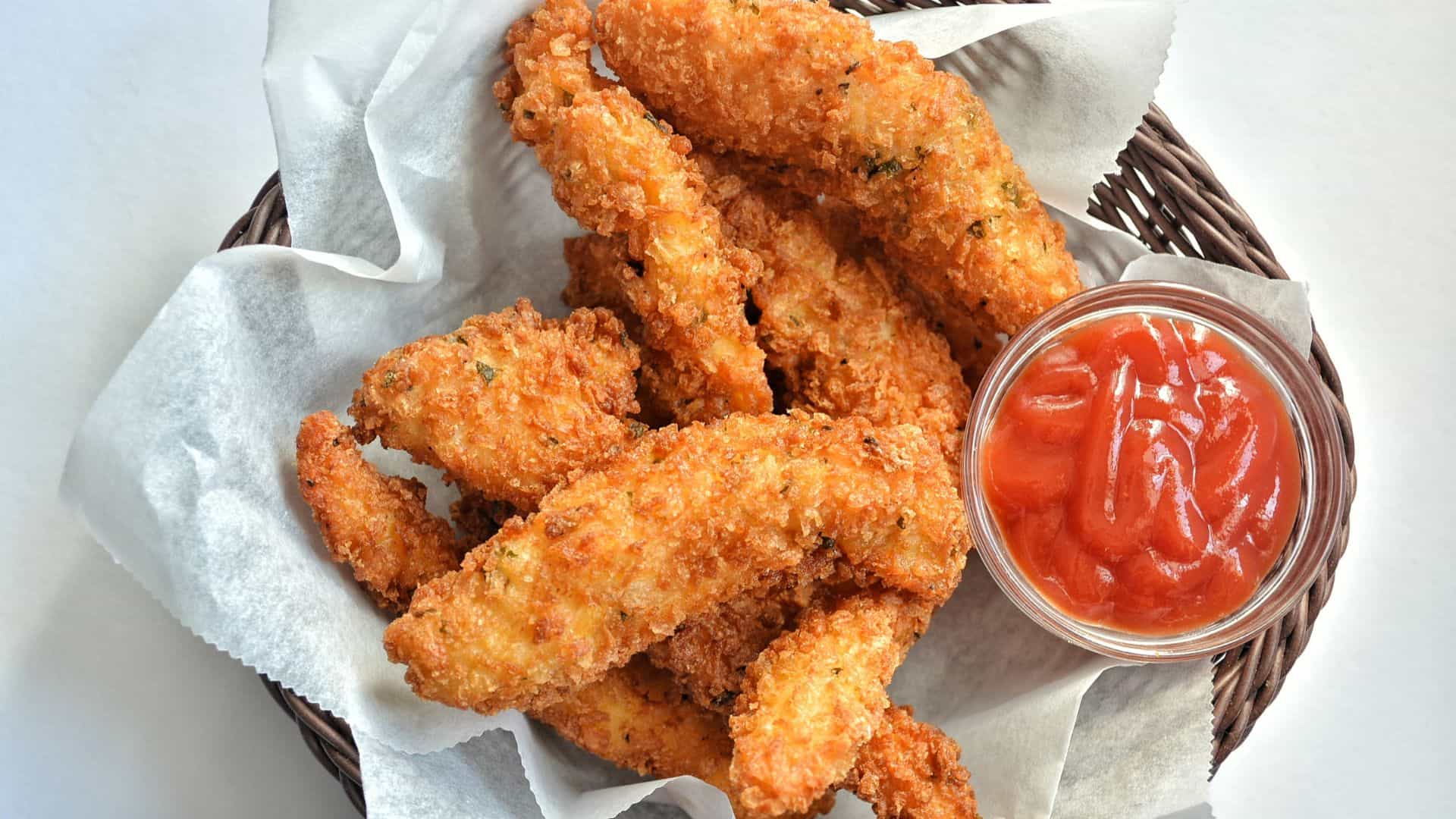
In a recent Reddit thread, it was asked, "Am I in the wrong for letting my children order full meals instead of kids?" She went on to say that they had lunch at a restaurant in honor of their mother-in-law's birthday. As orders were being given, the sister-in-law said that all the kids would be getting the kids' meal with chicken tenders and fries.
She was thrown off because her kids eat adult meals when they go out, as kids' meals don't fill them up. She told the waiter that her kids would be eating adult meals since she's paying, and her sister-in-law got mad and told her that she was embarrassed, and caused her kids to question her since she was the one who had said all the kids were getting kids' meals, and then that didn't happen. The poster is wondering if she was actually in the wrong and asked for thoughts.
The responses
For the most part, people were on the poster's side, agreeing that she wasn't the one at fault.
One person said, "Why would she select your children’s meals anyway? Maybe they wanted a burger or pizza. That’s bizarre."
It is odd. Making that assumption and announcement for all the kids is pretty bold, considering that some kids are super picky about the foods that they eat.
This person wrote, "Your sister should not have made an unagreed to pronouncement that applied to your kids as well as her."
Exactly. She can do whatever she wants with her own kids when it comes to food, but she can't force that on everyone at the table. She shouldn't have told her kids that everyone would be eating the same meals. That's on her.
This person said it point-blank. "You’re their parent, you’re paying, and you know your kids’ appetites."
Some kids eat more, some kids eat less, and some kids don't like chicken tenders. Plain and simple. The parent should decide what to order, since they're the ones actually paying.
This person had this thought. "I think that children’s meals are terrible. They indoctrinate children to eat nothing but simple carbohydrates that are deep fried."
Kids' meals are super limited at restaurants, typically burgers, chicken tenders, fries, and macaroni. They keep it so that the food is cheap to make and quick.
A lot of people agreed with this. "It's rude to order food for other people."
Unless a person is asking you to order for them or someone else, just don't. People like to order their own food and see all the menu options to do so.
Another person said, "My kid never ordered off a kids menu. He just wasn’t a fried chicken/fries kinda kid. And, it’s pretty presumptuous for your sister to decide and announce what your kids would be having."
Many families let their kids order anything they want off the menu. It's their family rules, and people should respect that.

Respecting boundaries starts with letting people decide for themselves
Group settings often blur personal boundaries. It can feel efficient or even helpful for one person to take charge and make decisions for everyone, but that impulse often overlooks an important truth: autonomy matters. Allowing others to make choices for themselves and their children is a basic form of respect, and when that space is taken away, tension is inevitable.
Some may believe they are simplifying things or keeping the peace by making a blanket decision, but when that decision applies to people outside their direct responsibility, it crosses a line. Adults are generally capable of speaking for themselves, and parents are best positioned to know what works for their own children. When those roles are overridden, it can feel dismissive, even if no harm was meant.

Decisions that affect a group should be discussed, not declared, and a quick conversation can prevent misunderstandings.
Parenting styles vary widely, and food is one of the most visible areas where those differences show up. Some people prioritize flexibility, others structure. Neither approach is inherently right or wrong. Problems arise when one approach is treated as the default that everyone else must follow. Respecting diversity in parenting choices helps maintain healthier family dynamics and reduces unnecessary friction.
Leave a Reply