
When disaster strikes, having food that lasts and keeps you nourished matters. Snowstorms or other out-of-the-blue emergencies shouldn't catch you off guard. The best preparation is to stock non-perishable foods that provide calories, protein, and nutrients without requiring refrigeration or complex cooking.
Why stock emergency food?
Emergencies can disrupt access to grocery stores and essential services for days or even weeks. In such situations, reliable food sources reduce stress and support basic health needs. Emergency food should be shelf-stable and familiar enough to be eaten when needed.
Foodsafety.gov recommends maintaining a three-day supply of food and water for each person in your household. For longer disruptions, expanding that supply to one week or more provides greater resilience.
Emergency food planning is not about stockpiling novelty survival products. It centers on shelf-stable foods that provide nutrition and energy. The most effective emergency foods can sustain people for days or even weeks of disruption.
Why emergency food matters
Food problems during emergencies are rarely about extreme hunger. They are more often about fatigue and keeping energy up when normal routines break down. Foods that need refrigeration or complicated cooking quickly become impractical.
Having the right emergency foods reduces reliance on stores and services. It helps maintain basic nutrition and makes even short disruptions easier to handle.
Water comes first
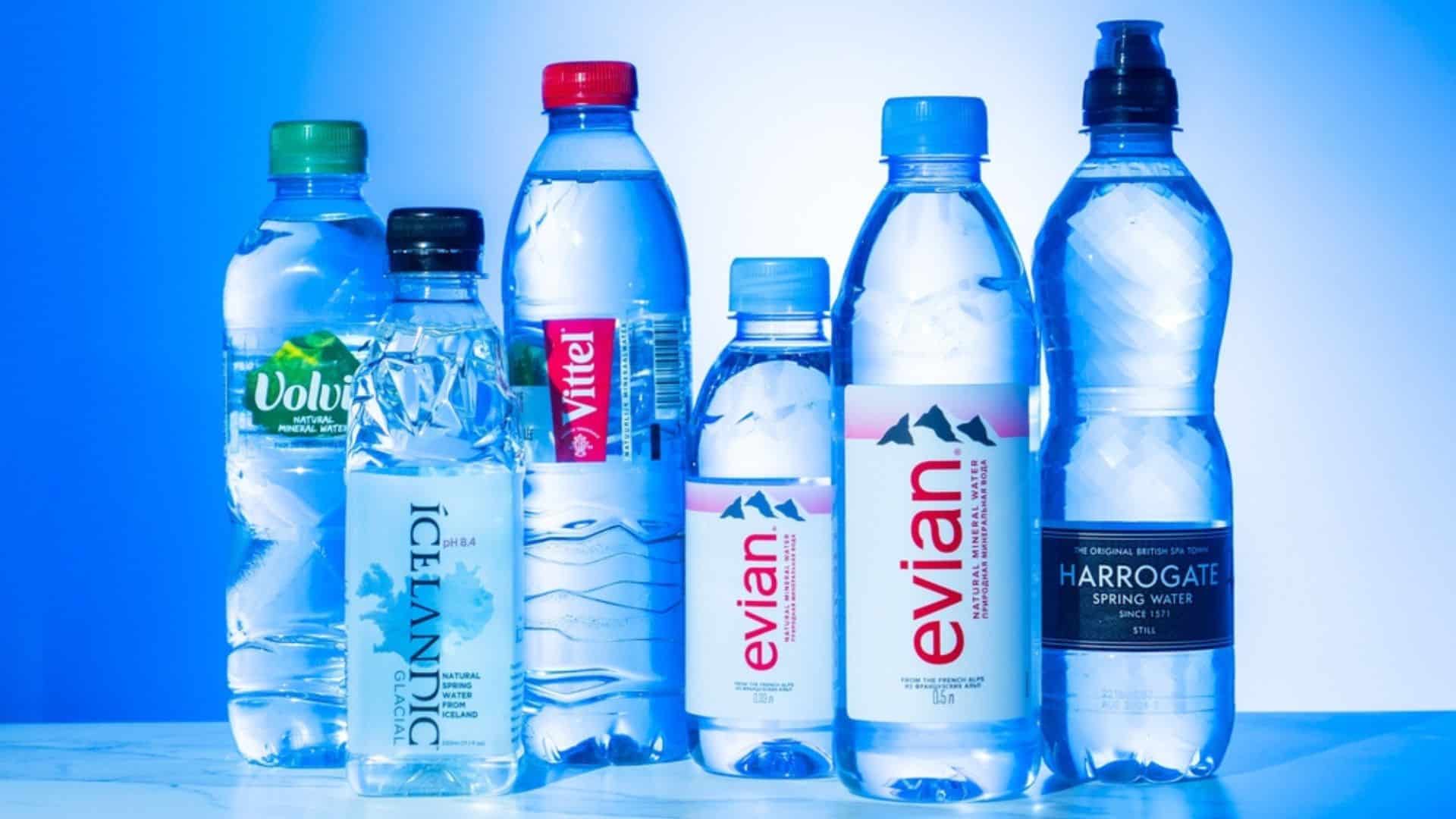
No food plan works without water. Clean drinking water is the most critical emergency supply. The CDC states that one gallon per person per day is needed for drinking and basic sanitation. Without adequate water, even shelf-stable foods become difficult to consume safely.
Water should be stored in sealed containers and replaced periodically.
Canned proteins that require no cooking
Protein supports muscle function and sustained energy. In emergencies, it helps prevent fatigue and weakness.
Canned tuna and salmon provide high-quality protein and healthy fats. They can be eaten straight from the can and pair easily with grains or crackers.
Canned chicken and beef offer familiar meal options that do not require refrigeration. These products add substance to soups, rice, or pasta and require no preparation beyond opening the container.
Jerky is another reliable protein source. Its low moisture content allows for long shelf life, and it can be eaten in small portions throughout the day to maintain energy.

Nut butters and nuts for calories
Nut butters are ideal emergency foods. They provide calories and protein, need no preparation, and offer steady energy in small amounts. They also pair easily with crackers, oats, or dried fruit.
Whole nuts and seeds add texture and variety. When stored in airtight containers, they can last for months while supplying essential fats and minerals.

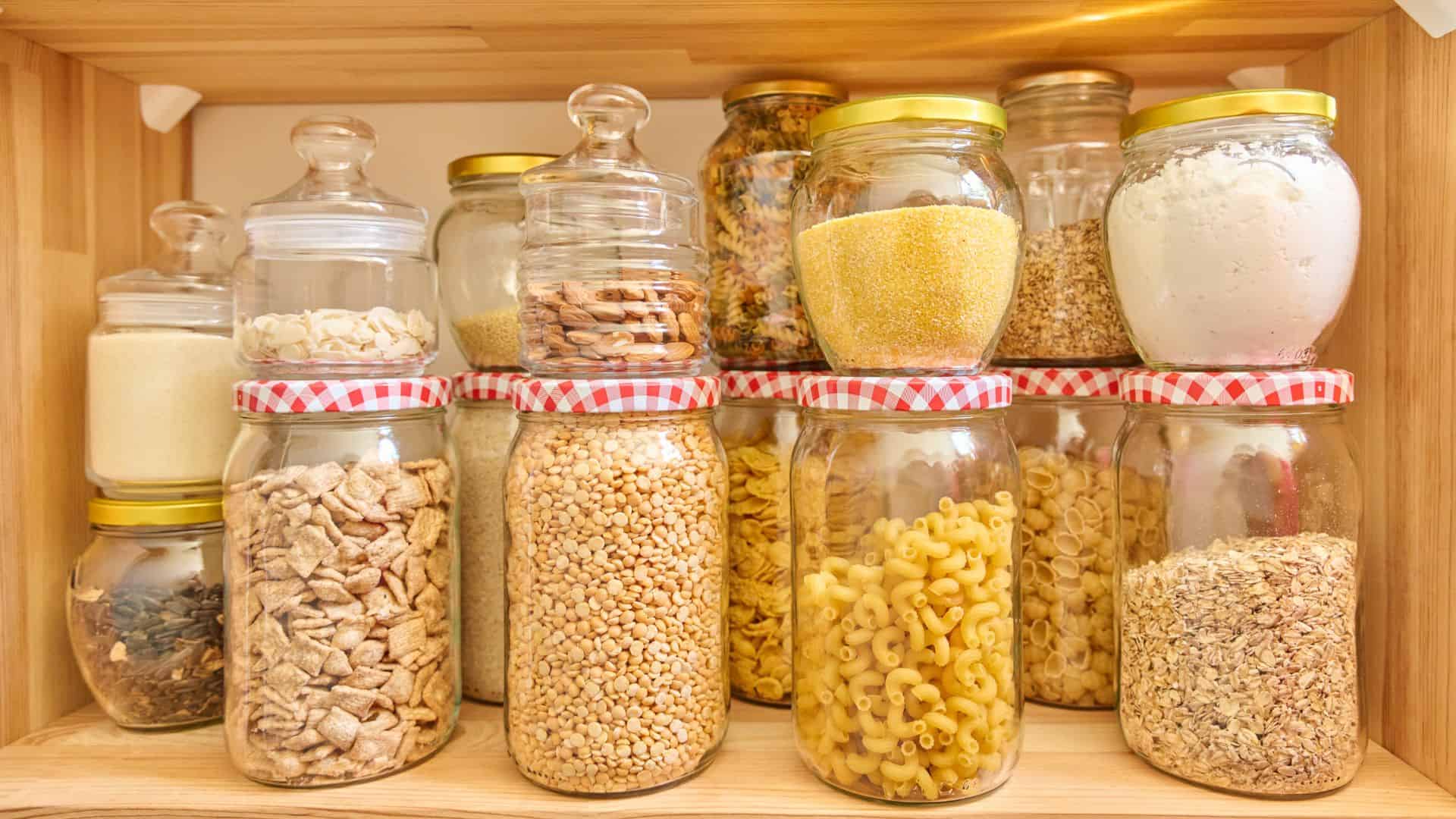
Grains that form the backbone of meals
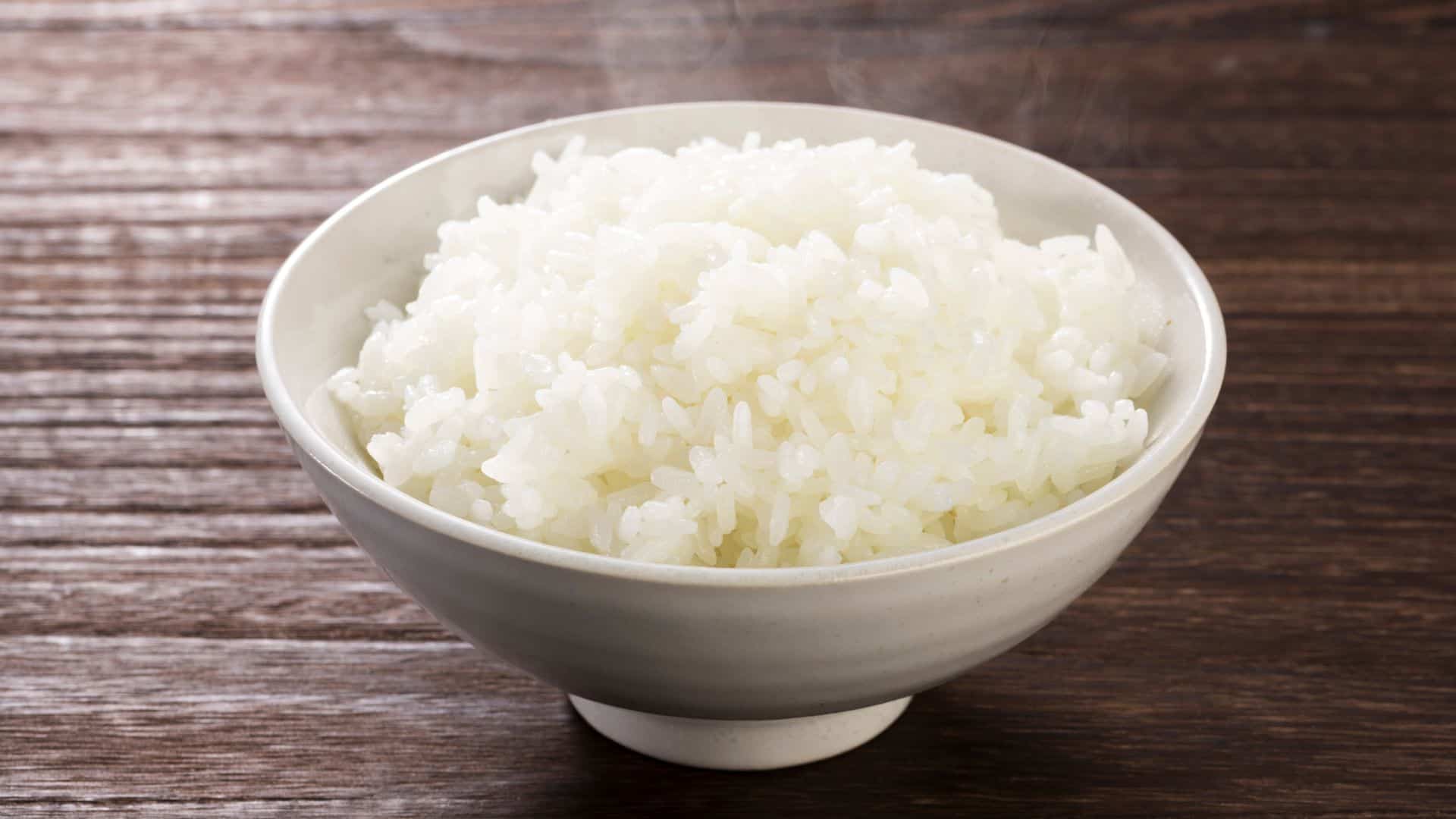
Grains are key emergency foods because they provide energy and flexibility. Dried pasta stores well and works with canned proteins, vegetables, or sauces. Rice and quinoa are filling and versatile, with white rice storing longer and needing little seasoning to stay satisfying.
Oats and shelf-stable cereals offer easy meals that can be eaten with water or shelf-stable milk.
Canned soups, beans, and vegetables
Canned soups and stews provide complete meals in one container. They include liquid, protein, and vegetables, which makes them useful when cooking is limited. Lower-sodium options are better if canned foods are used often.
Canned beans provide protein and fiber. They can be eaten cold if needed and work well with rice or canned meats. Canned vegetables help keep meals balanced. Using a variety adds vitamins and helps prevent meals from becoming repetitive during longer disruptions.

Shelf-stable dairy options
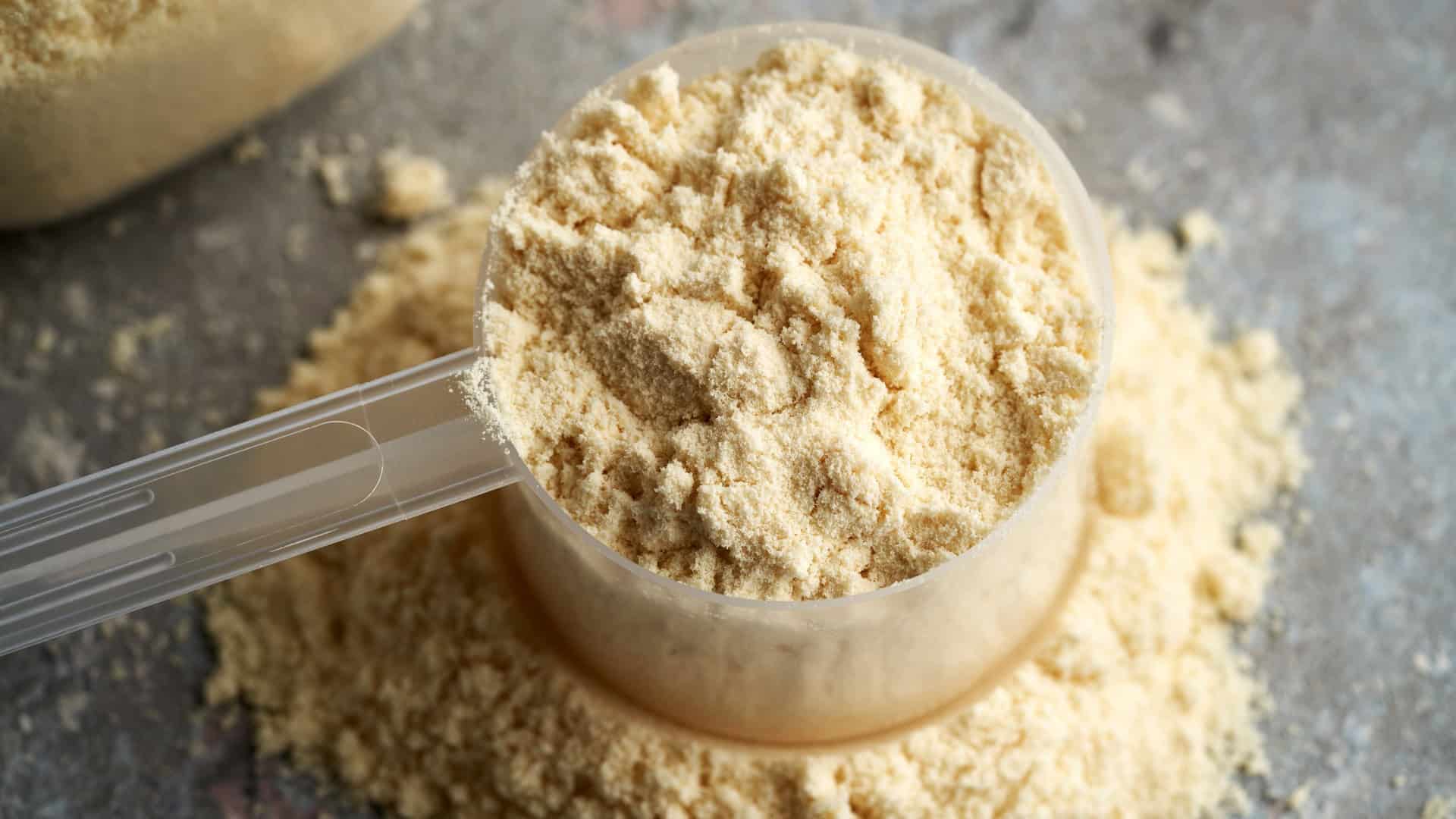
Powdered milk provides calcium and protein and can be mixed with water when needed. It also works well in cereal and baking when fresh milk is not available.
Shelf-stable boxed milk expands meal variety and provides familiar comfort foods. These items help maintain normal eating patterns, which can be essential during emergencies.
Calorie-dense staples and flavor builders
Honey is one of the most stable foods available. When stored properly, it does not spoil and provides quick energy and sweetness.
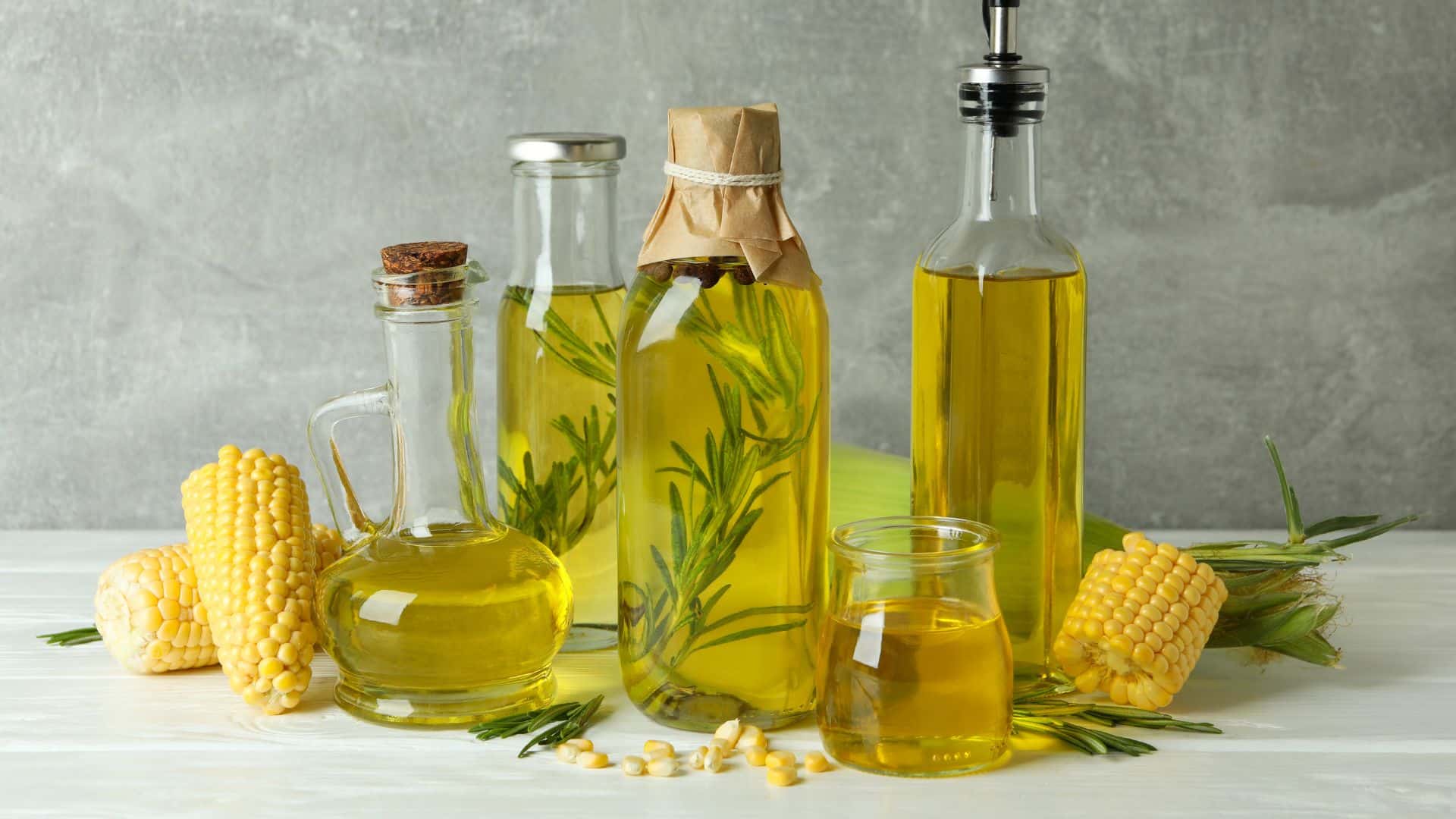
Cooking oil is essential for both nutrition and meal preparation. Fats are necessary for calorie intake and help make basic foods more satisfying. Salt and basic spices serve more than flavor. Salt supports electrolyte balance, and spices help keep meals from becoming boring when options are limited.
How long do emergency foods last?
Shelf life depends on storage conditions and the type of food. Canned goods often remain safe well beyond their printed dates when stored in cool, dry environments. Dried grains and pasta can last many years when sealed properly. Nut butters and oils have shorter lifespans but remain usable for months.
Regular rotation ensures freshness. Using older items in everyday meals and replacing them maintains readiness without waste.
How much food is enough in an emergency?
A three-day supply per person is a minimum starting point. Many people aim for one to two weeks to provide flexibility during longer disruptions.
Portion planning should account for household size and caloric requirements. Emergency food should be sufficient not just to survive, but to function.
What foods work best without electricity?
Foods that require no cooking or refrigeration are the most reliable. Canned meats, nut butters, ready-to-eat soups, and shelf-stable protein snacks perform well when power is unavailable.
Takeaway
Most people assume emergencies are rare or short-lived, something that happens elsewhere or to someone else. But power outages, severe weather, supply disruptions, and unexpected emergencies have a way of turning ordinary days upside down with little warning. When that happens, having the right food on hand matters.
This is not about panic buying or filling your home with supplies you will never use, but choosing a few practical, long-lasting foods that can help you stay fed, calm, and functional when access to fresh groceries is limited.
Leave a Reply