
Breaking down a whole chicken for the first time can feel intimidating, but it’s one of the simplest ways to stretch a food budget without sacrificing good meals. Instead of paying extra for pre-cut pieces, one chicken can turn into several dinners and real savings along the way.

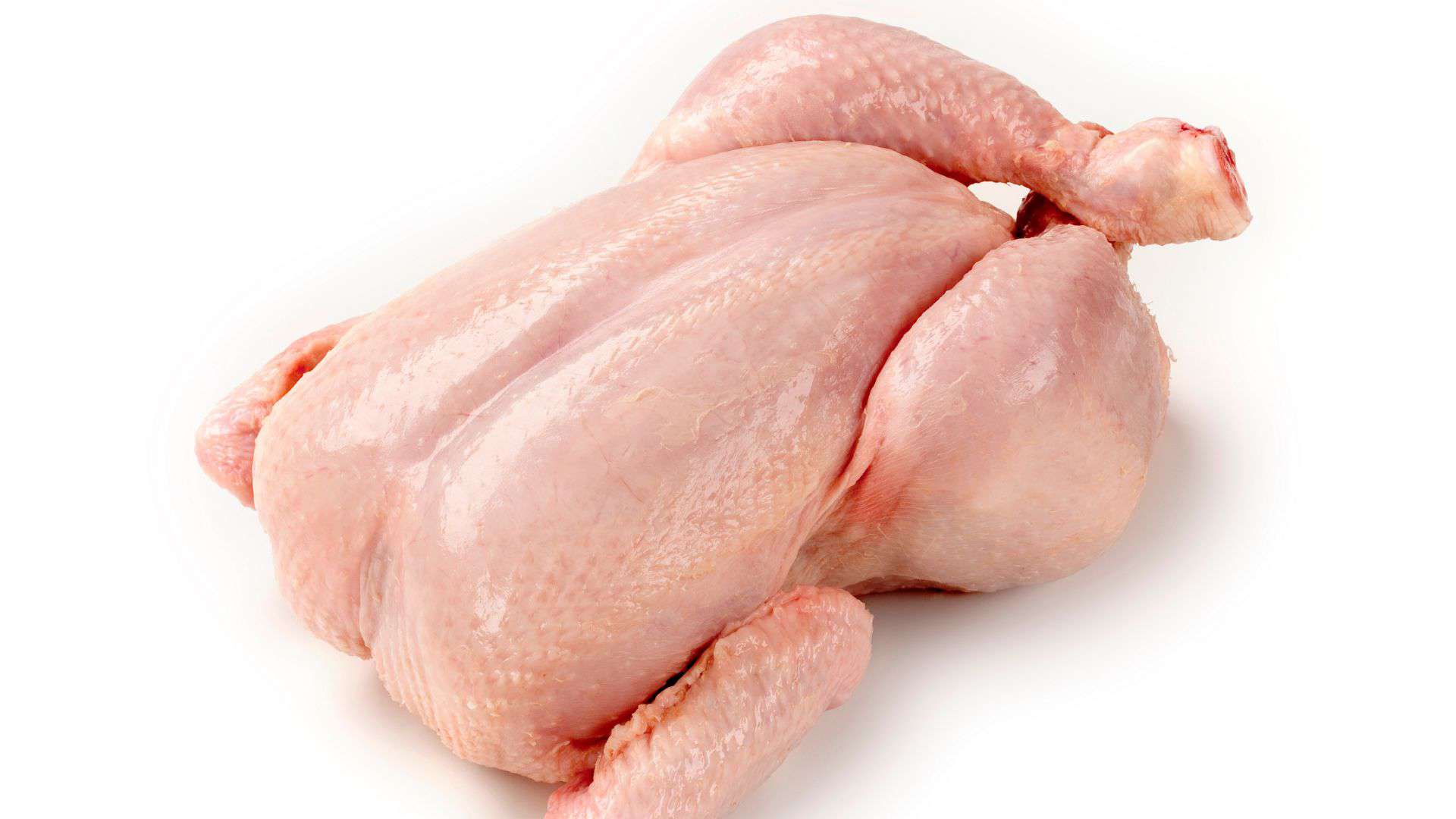
In a recent Reddit post, the poster stated that they paid about $6 for two pounds of raw chicken, which will yield six servings, and that they can make soup from the bones. "First time portioning up a raw chicken. So much more economical than buying breasts, or even roasting the chicken whole."
Others chimed in with their agreement and tips on how to stretch chicken and the budget even further.
The reactions
People generally respond positively to learning new things and cost-cutting methods.
One person said, "This is such a good skill to pick up. Once you do it a couple times it stops feeling intimidating and the savings really add up."
It's true. It's only difficult the first couple of times. It also gets easier once you see how much money you're saving.
This person stated, "If you're buying a whole chicken, it's cheaper to just get it at Sams or Costco as a rotisserie as well."
Rotisserie chickens are great, too. Prices vary by location, but Sam's Club sells whole rotisserie chickens for $5. You can buy it cooked and have enough for leftover meals throughout the week.

More meals from one purchase
Portioning a whole chicken changes how meals are planned. Instead of thinking of one package as a single recipe, it encourages a broader view of how protein can be distributed throughout the week.
Roasting or braising the legs and thighs works well for hearty meals, while chicken breasts can be reserved for dishes where lean meat is preferred.
This approach also allows flexibility. Meals do not need to be cooked all at once. Parts can be frozen or refrigerated, depending on timing, reducing waste and avoiding the pressure to use everything immediately. For many people, this structure aligns better with schedules than preparing an entire chicken in one sitting.
The savings behind buying the whole bird
The price gap between a raw whole chicken and packaged cuts is often wider than it appears at first glance. Boneless, skinless breasts and tenderloins are among the most expensive chicken options at most grocery stores because the labor is already built into the price. A whole chicken is sold at a lower per-pound cost and includes parts that would otherwise be purchased separately, if at all.
A whole raw chicken ranges from $1.50 to $3.00 per pound, depending on where it's purchased. By comparison, a fresh raw chicken tenderloin at Gerbes costs $4.49 per pound. As you can see, the price is more than double if you buy tenderloins only.
Learning the technique
One of the most common issues with portioning a whole chicken is uncertainty about how to do it safely and efficiently. While cookbooks and guides exist, many people find visual instruction more helpful.
The goal is not speed or perfection. Professional butchery techniques are not required to make this worthwhile. Once you learn the basics, your confidence will improve, and the process will feel routine rather than intimidating.
@inghamschicken shows the steps to portion a whole chicken.
Reducing waste without sacrificing quality
Using the entire chicken also addresses another issue: waste. Bones, skin, and less popular cuts are often thrown away when pre-packaged meat is used. When working with a whole bird, those same components become assets rather than leftovers. Stock made from a carcass adds depth to soups, sauces, and grains, reducing reliance on store-bought alternatives.
@lucymakes_ shows how to make gelatinous chicken bone broth from leftover chicken bones.
Quality is not compromised in this process. In many cases, whole chickens are fresher than cuts, simply because they undergo fewer steps before reaching the shelf. Portioning at home allows control over trimming and sizing, which can be adjusted based on how a recipe will be used.
@creative_explained shows how simple it is to use leftover chicken bones to make bone meal.
Time investment versus long-term benefit
Breaking down a chicken does require a bit of a time commitment, particularly the first few attempts. For most people, the process takes longer initially as they become familiar with the anatomy and workflow. However, that time decreases quickly with repetition. What may take twenty minutes at first often drops to ten or less after a few tries.
A shift in how food is viewed
Choosing to portion a whole chicken is less about changing tastes and more about adjusting perspective. It reframes meat as a resource that can be allocated thoughtfully rather than a single-use ingredient. For people balancing budgets and nutrition, this shift offers a rare combination of flexibility and value.
In a time when food costs remain unpredictable, decisions made at the point of purchase can have outsized effects. Portioning a whole chicken is a practical example of how a traditional skill still meets modern needs, delivering savings without requiring people to compromise on what they eat or how they cook.
Leave a Reply