
Disagreements over food can happen in any relationship, but they rarely raise safety concerns. For one married couple, routine meals have become a recurring source of tension, escalating from quiet frustration to a blunt confrontation that left both sides questioning how to handle the situation.
The story raises a familiar question for many couples: when does speaking up become necessary, and when does the way it is said matter just as much as the concern itself?

The story
A recent Reddit post asked, "Am I in the wrong for telling my wife she can’t cook?" He went on to say that he's literally worried that she's going to kill someone one day with her cooking.
He says that the cooking is split 50/50 in their house, but when it's her turn, she undercooks everything. She says he's been "picky," but he always has to swallow his pride and eat what she serves.
He stated it wouldn't be a huge deal if it were just him, but she wants to cook for their friends and make everything herself. He trails behind her, making sure it's all good, but there are a few dishes that always get through. Now that she's cooking for friends, they're coming over less and less.
Everything came to a heated fight when she served him undercooked chicken. He snapped and told her that she's going to kill someone someday. She said it wasn't her fault, and that she had never been taught to cook. Now she is pretty upset, and he says that he probably could have been nicer.
He is asking if he's in the wrong, after eating her cooking like this for the past 8 years. The internet didn't disappoint, with over 1,000 comments.
The reactions
The comment section was split on this one, with both sides getting plenty of support.
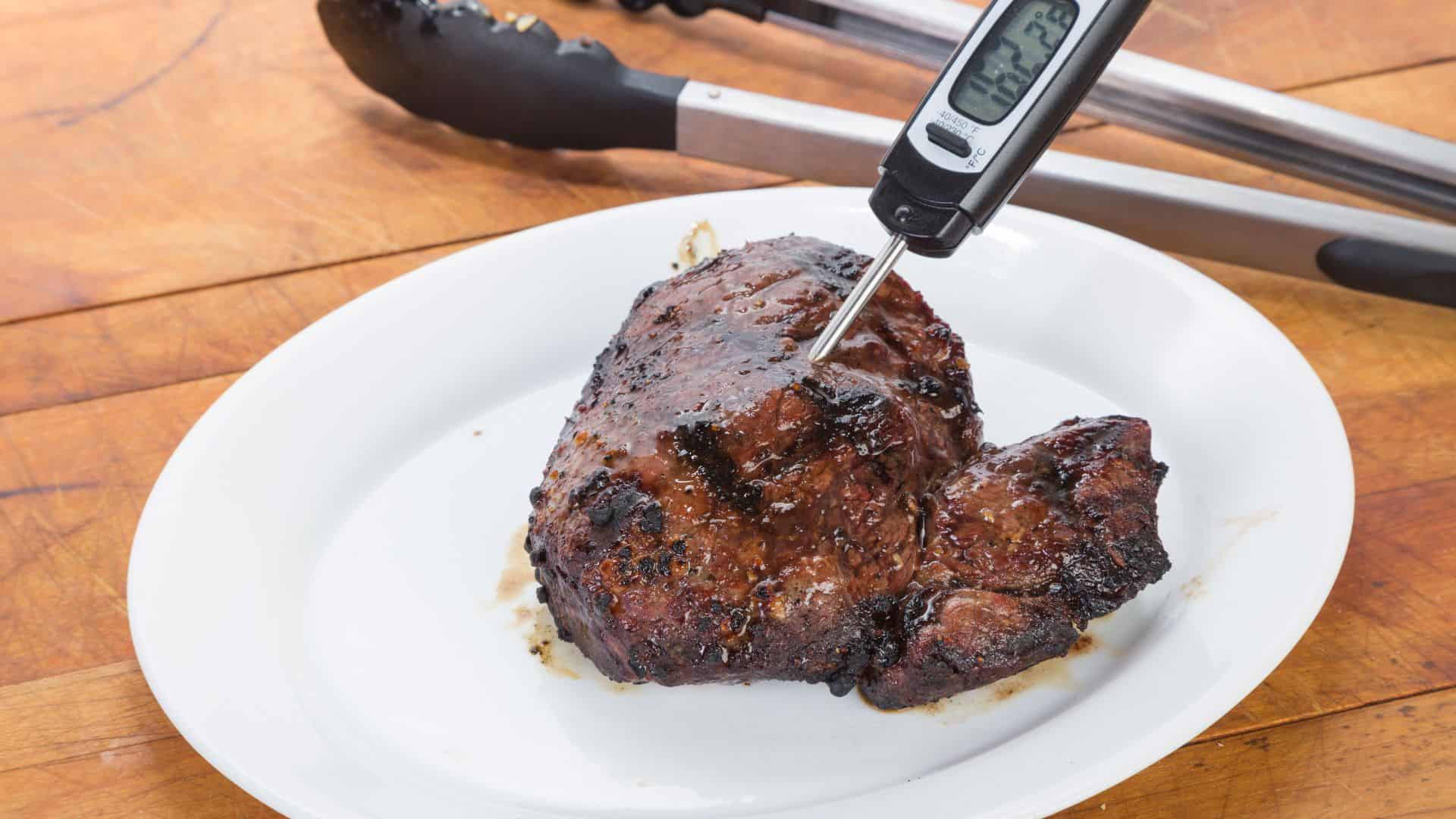
One person said, "Buy a meat thermometer & post a chart with temp for all meat to be properly cooked. No more arguing about when it is done."
This is a good factual response. That way, she can take the challenge into her own hands and make sure she's educating herself on the proper temperatures for cooking meat. Eating undercooked chicken is dangerous.
Another person said, "You’ve been patient for eight years—that’s a long time to be chewing on crunchy rice and dodging food poisoning."
A valid point. He has been eating her food for many years, and it sounds like he hasn't really complained about it. That is a very long time to take bites and put a smile on your face.
This person disagreed with his process. "While intending to be kind, you've allowed her to go several years thinking her food is edible when it's not."
Being kind without hurting someone's feelings is a thin line to walk. Maybe he didn't realize that she would start cooking for people, or perhaps he thought that she would get better over time. Regardless, his kindness has caused an issue now that will take a lot of patience and communication to work through.
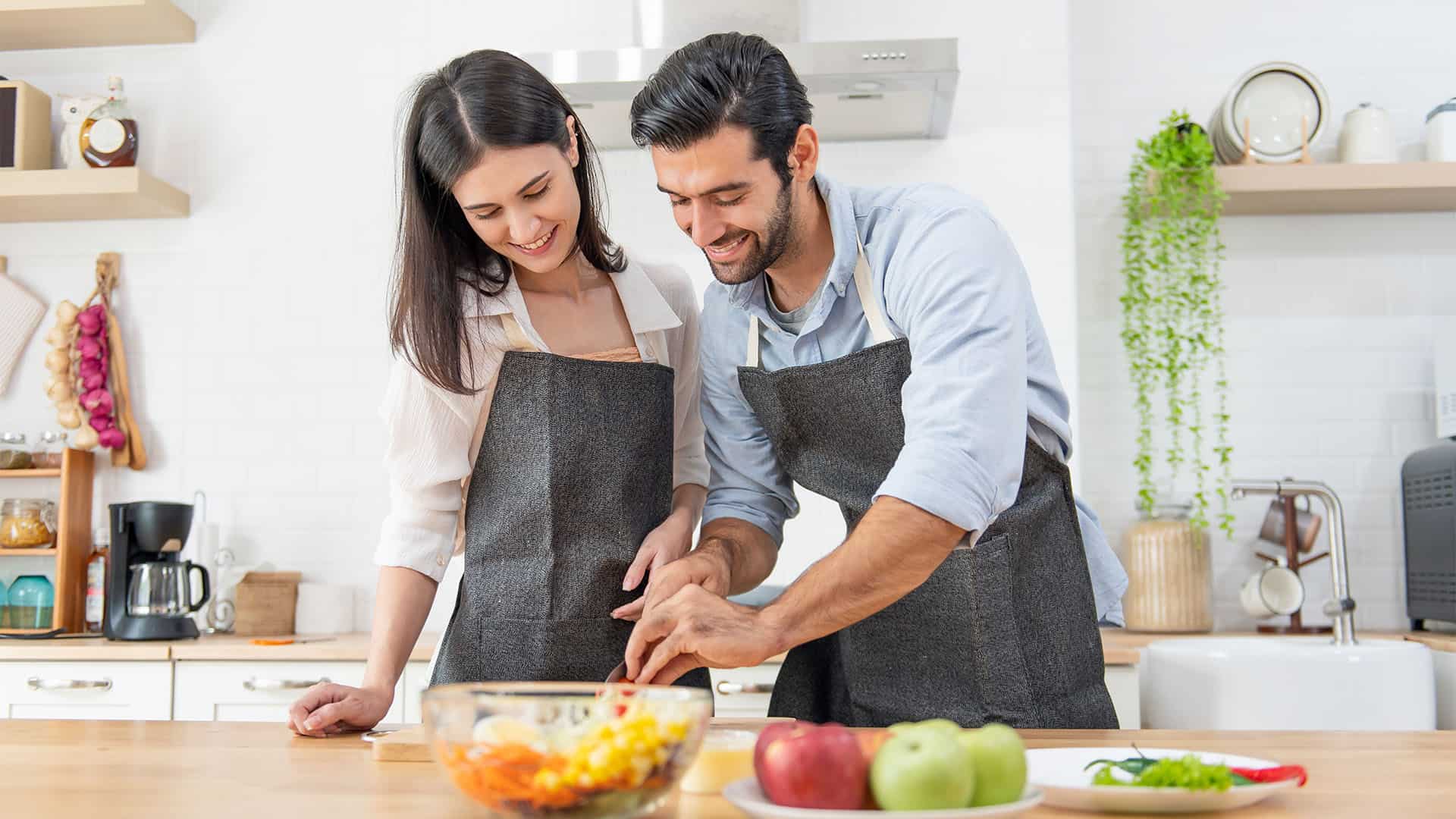
This answer gave a simple solution. "Buy her a cookbook, watch the Food Network or take a fun cooking class together."
Working and learning together is always fun. A cookbook gives her the steps to learn on her own, but a cooking class together is a fun time in the kitchen, where they work together to create a delicious dish.
This person emphasized safety. "This is serious, and she needs to understand that she’s endangering herself and others with her negligence, and she should take a basic cooking course or allow you to teach her the basics if she’s going to continue to insist on making food."
It does become a matter when she is making food that could harm or even kill someone. People need to be fed food that is cooked through, and they should be able to trust the person feeding them to do so.
When cooking becomes a relationship issue
Food carries emotional weight. For many, cooking is tied to pride and identity, and criticism can feel personal rather than practical. In a situation like this, the best is to address the concern from day one and talk about the problem openly but politely.
It is essential to differentiate between preference and risk. Crunchy rice or overseasoned vegetables may be frustrating but harmless. Undercooked meat is not. When food safety enters the conversation, the issue shifts from taste to responsibility, and that shift needs to be clearly communicated without humiliation or exaggeration.
Living with someone who struggles in the kitchen is not the end of the world. In 2026, food preparation is no longer a task for one person, and there are countless options to improve knowledge or find other solutions.
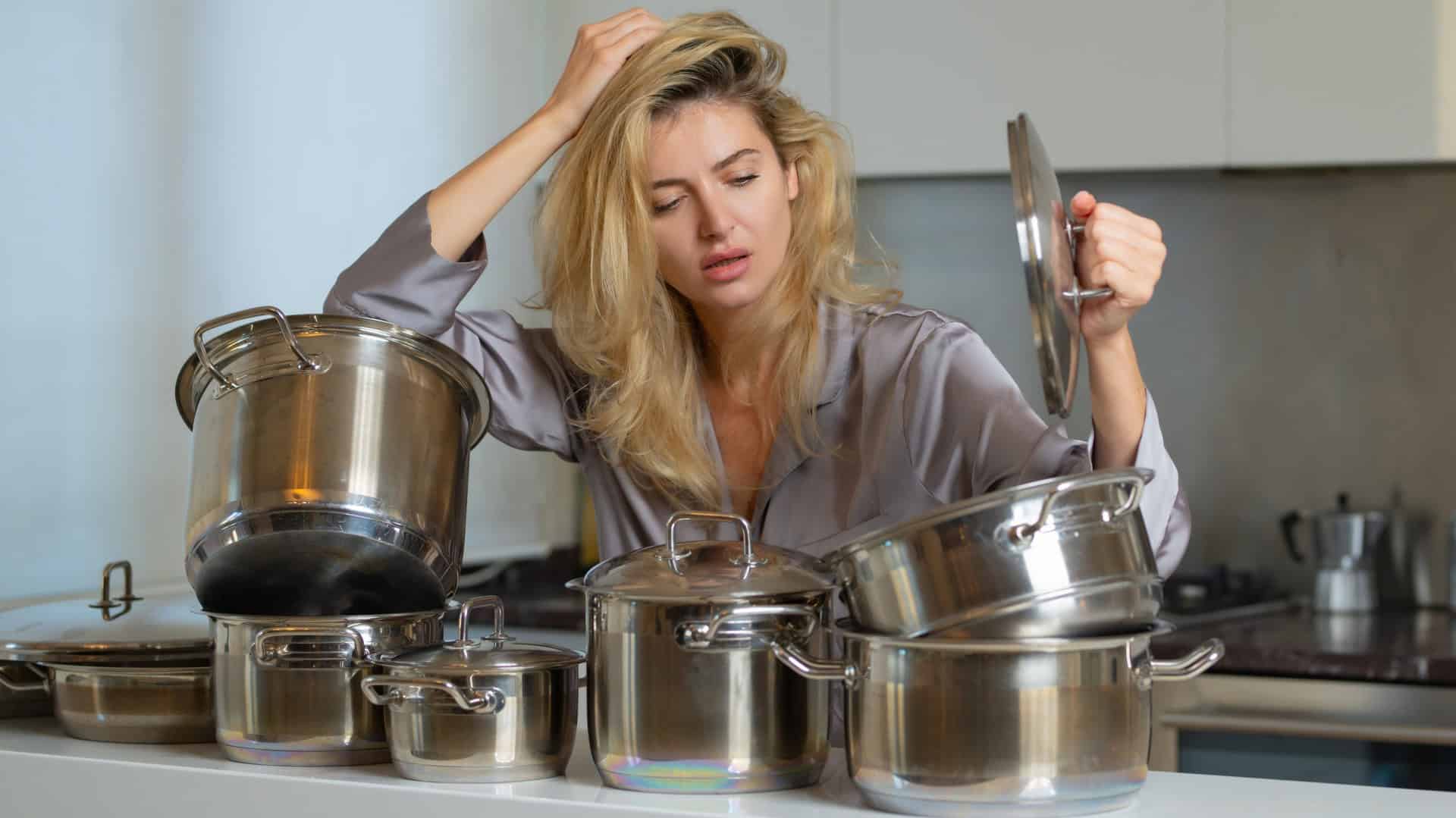
Couples can split the kitchen work and learn cooking methods from countless sources. The key is communication and patience. No one is born to be a chef, and just like any other skill in life, it needs to be learned and practiced over and over. Spending time together and learning new things is one of the best ways to deepen your knowledge and enjoy your time.
Leave a Reply