
The rising cost of eating out has become harder to ignore, especially when ordering something as familiar as a burger. What once felt like an affordable meal now regularly comes with a price tag that rivals a sit-down dinner.
A recent video shared by Finance Dystopia breaks down why burgers at burger joints are often more expensive than those sold at fast-food chains, and the explanation comes down to how those restaurants are built to operate.
In the video, he walks viewers through the comparison using his own restaurant as an example. While burgers from a drive-through and a burger joint may appear similar on the surface, he explains that they are produced under very different conditions.
Those differences affect ingredient quality, portion size, labor, and overhead. Taken together, they explain why the final price on the menu can look steep before customers understand what they are getting.
One of the first points he highlights is portion size. Using chicken as an example, he explains that the chicken breasts used at his restaurant are five ounces before breading. Once coated and cooked, they nearly double in size. That alone changes the value equation. Customers may compare the price to a fast-food sandwich without realizing they are receiving significantly more food.
Drinks are another example he uses to illustrate the difference. Instead of serving soda in disposable cups or aluminum cans, his restaurant offers drinks in glass bottles. It is a choice that costs more per unit, but one he says contributes to the overall experience.
Glass bottles feel nostalgic and intentional, and they signal to customers that the restaurant is aiming for something different than fast food. While that detail may seem small, it adds to the cost structure and the perception of value.
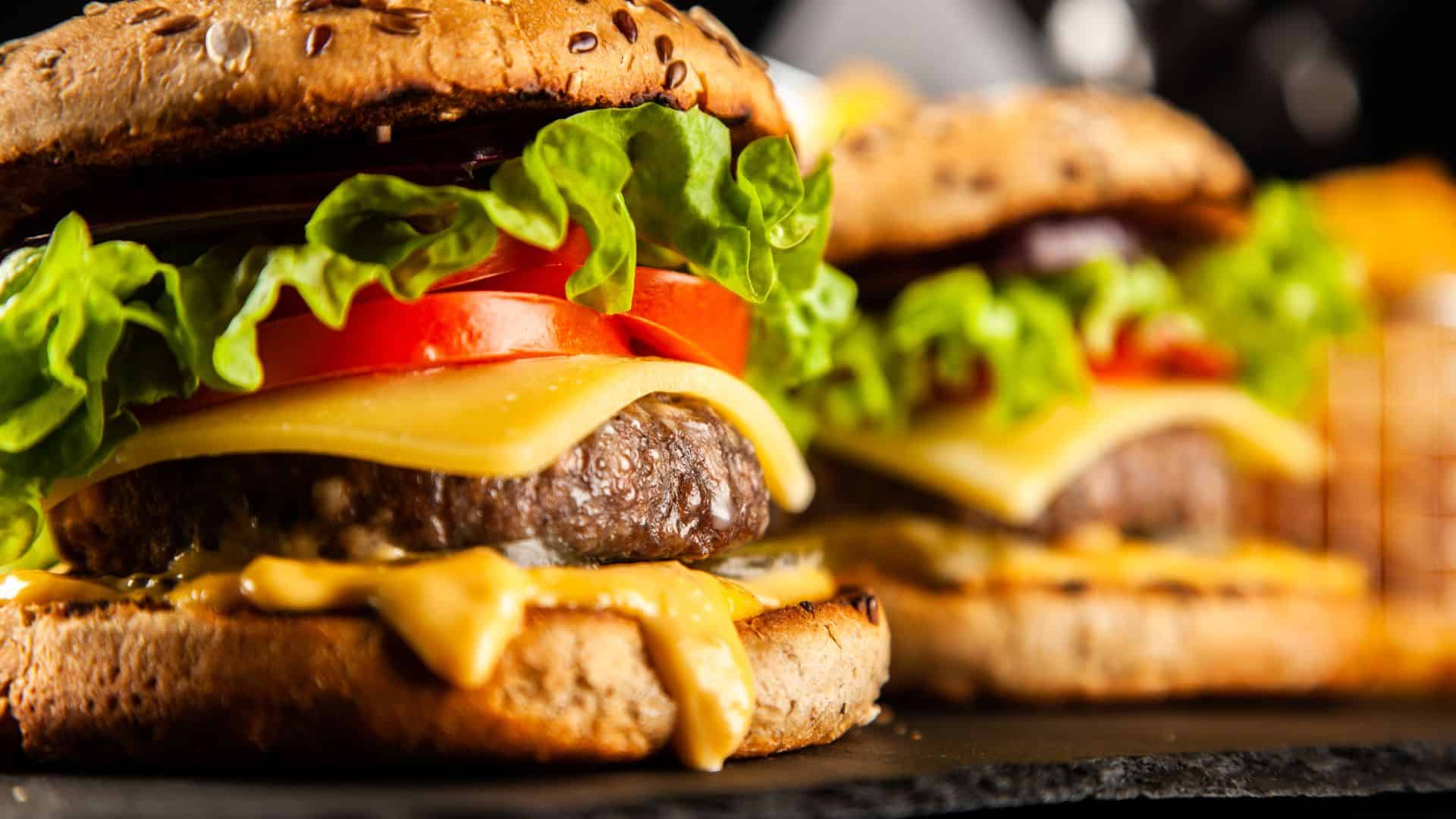
The most significant difference comes with the burgers themselves. He claims that his restaurant uses grass-fed Angus prime rib beef that is never frozen. The meat is delivered directly by a farmer rather than coming from a large distributor.
That sourcing choice increases costs immediately. Fresh, high-quality beef is more expensive to purchase, requires careful storage, and has a shorter shelf life than frozen patties used in fast-food kitchens.
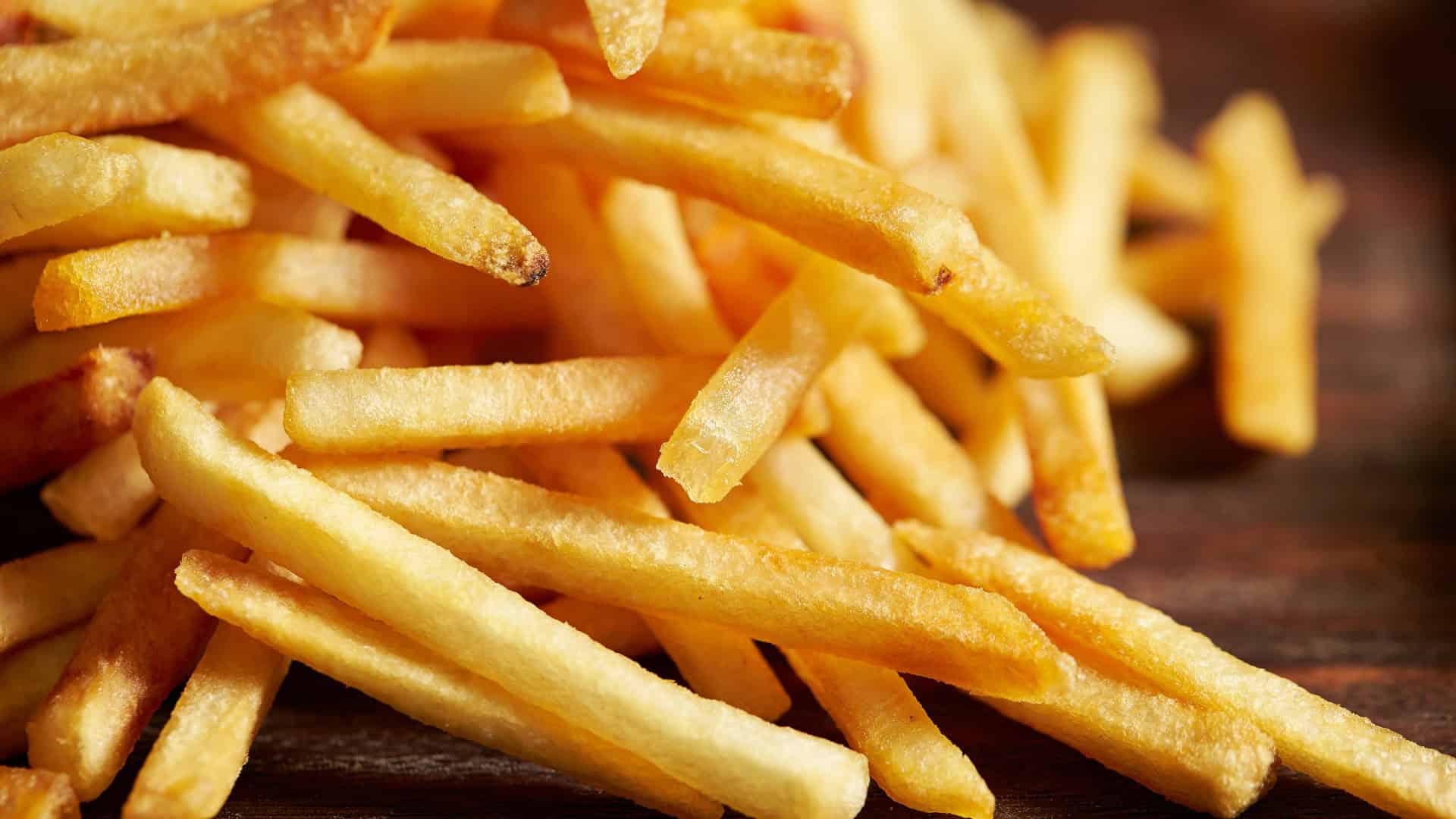
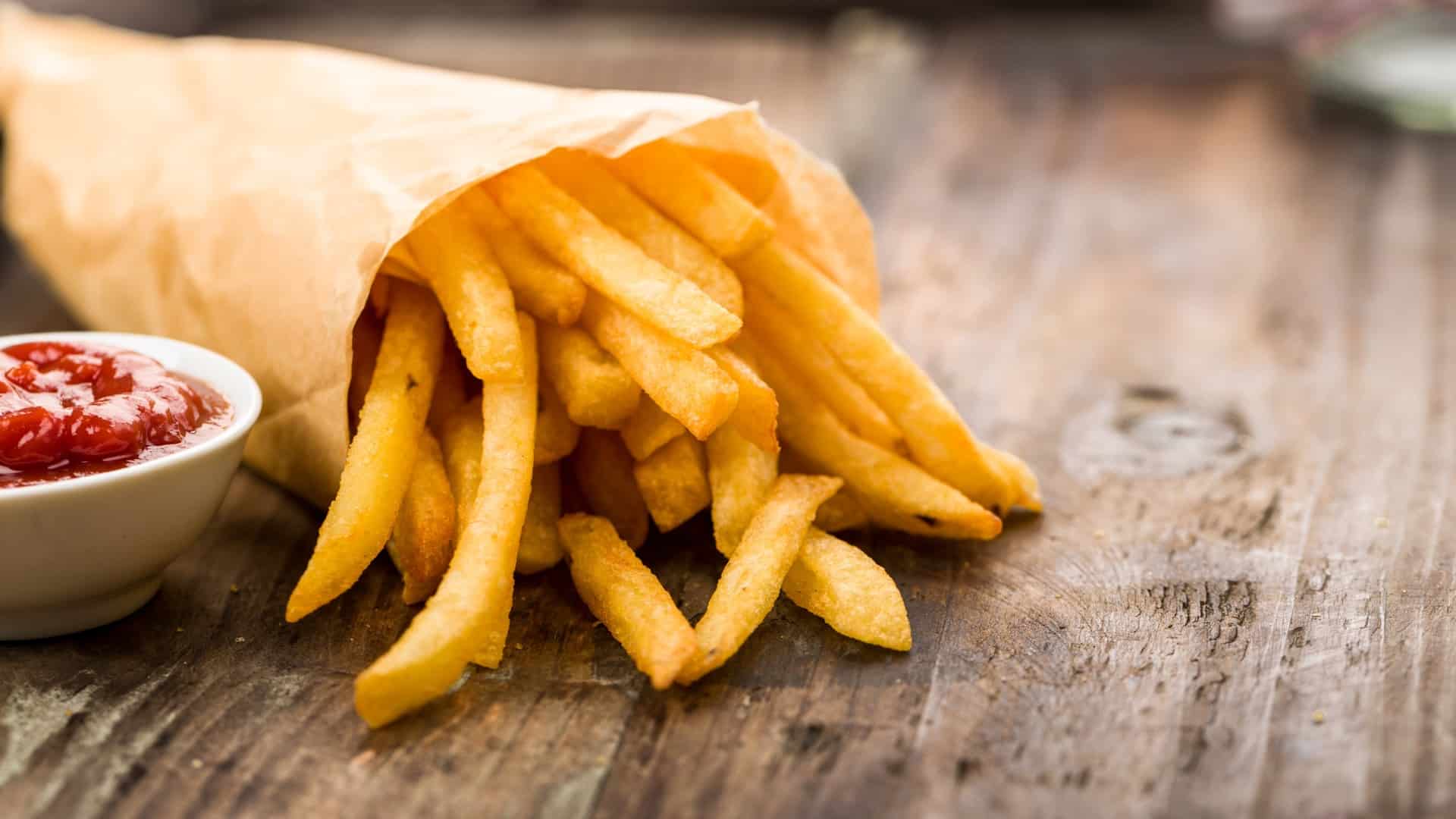
Fries are another comparison the expert makes. At his restaurant, a standard order of fries weighs ten ounces, roughly double the size of a large order at McDonald’s. He notes that customers will taste the difference once they eat the fries, but acknowledges that the value is not always obvious at first glance.
A customer who walks in, sees the menu prices, and mentally compares them to fast-food prices may assume the restaurant is overpriced without realizing how much food is actually being served.
He emphasizes that if customers look at the menu without context, the pricing can seem unreasonable, but once the food arrives, the price makes more sense.
The burgers are larger, fresher, and made from higher-quality ingredients. The fries are more generous. The drinks are served in glass bottles rather than disposable containers. Those details reflect intentional choices that differentiate the restaurant from fast food.
Many people reacted to the video, and the comments were mixed, with some agreeing while others called his bluff.
One comment said, "Imagine paying $22 for a burger combo just because it's "fresh" and "delivered by a farmer." Meanwhile, McDonald's keeps it real with affordable, consistent quality." Another said, "Help me understand why there is so much hate with frozen beef. I just don’t understand it."
This comment summed up a lot of thoughts. "Entrepreneurs are allowed to charge what they want. Customers are allowed to decide what they want to pay. It all works out in the end."
One person said, "You do get what you pay for." Some people questioned the portions. "Why do I need double the amount of fries of a McDonald's large?"
How restaurant costs differ from fast food
The video’s explanation centers on a simple idea: restaurants and fast-food chains may sell similar food, but they are built to operate in very different ways. Those differences show up most clearly in how costs stack up behind the scenes.
Fast-food restaurants are designed for speed and efficiency. Their kitchens are optimized to produce the same items repeatedly. Ingredients arrive pre-portioned, frozen, or processed. This way, the food lasts longer and maximizes the speed. This efficiency reduces waste and labor. A big chain sells thousands of burgers each day, and even with a small margin, can generate significant profit.
Restaurants and burger joints operate under a different set of constraints. Most cook burgers to order, which slows down production and increases labor. Fresh beef and specialty toppings require more prep work and closer inventory management. When ingredients spoil or go unused, the restaurant pays the loss. That risk barely exists in fast food, where everything is frozen.
Labor costs also diverge sharply. Fast-food kitchens are built around simplified roles and standardized tasks. Restaurants rely on cooks with broader responsibilities, along with front-of-house staff to manage orders and service. Even without higher hourly wages, the number of labor hours tied to each burger is significantly higher outside the fast-food model.

Overhead plays a larger role as well. Restaurants usually operate in larger spaces. Rent, utilities, cleaning, and maintenance all scale with size. Those costs remain fixed regardless of how busy the restaurant is on a given day. Fast-food locations often operate with smaller footprints and higher customer turnover.
Scale is also a defining factor. Large fast-food chains negotiate national contracts for ingredients and equipment. Independent restaurants and small chains lack that leverage. They pay more per item and feel price increases faster when suppliers raise rates.
These factors explain why similar burgers carry very different price tags. The difference is not just the food itself, but the systems required to produce and serve it. Restaurants absorb higher costs at nearly every step, and those costs ultimately shape what customers see on the menu.
Leave a Reply