
The practice of tipping for takeout has sparked significant discussion in recent years. Tipping is so embedded in American dining that many people seldom question it. Yet, the system grew out of practices that kept wages low and workers dependent on customer generosity. The model continues to shape the industry today, leaving employees with unpredictable earnings and diners facing constant pressure to tip across more settings.
However, tipping for takeaway has reached a new level, and opinions vary on whether it's necessary or expected.
The story
In a recent Reddit post, a person explains that they rarely eat out, but when they do, they choose takeout to save money and avoid tipping, something they have always associated with sit-down service.
Recently, they’ve noticed tipping prompts appearing in places they never expected. While ordering takeout online from a vegan fast-food restaurant, they were surprised to see a “pickup tip” option, and after checking other well-known chains, realized this wasn’t an exception but a growing norm.
Although they know they can select “no tip,” the poster worries that tipping has quietly become expected, and skipping it could lead to resentment from workers or even affect their food. He's concerned that not tipping could lead to sabotage of this food.
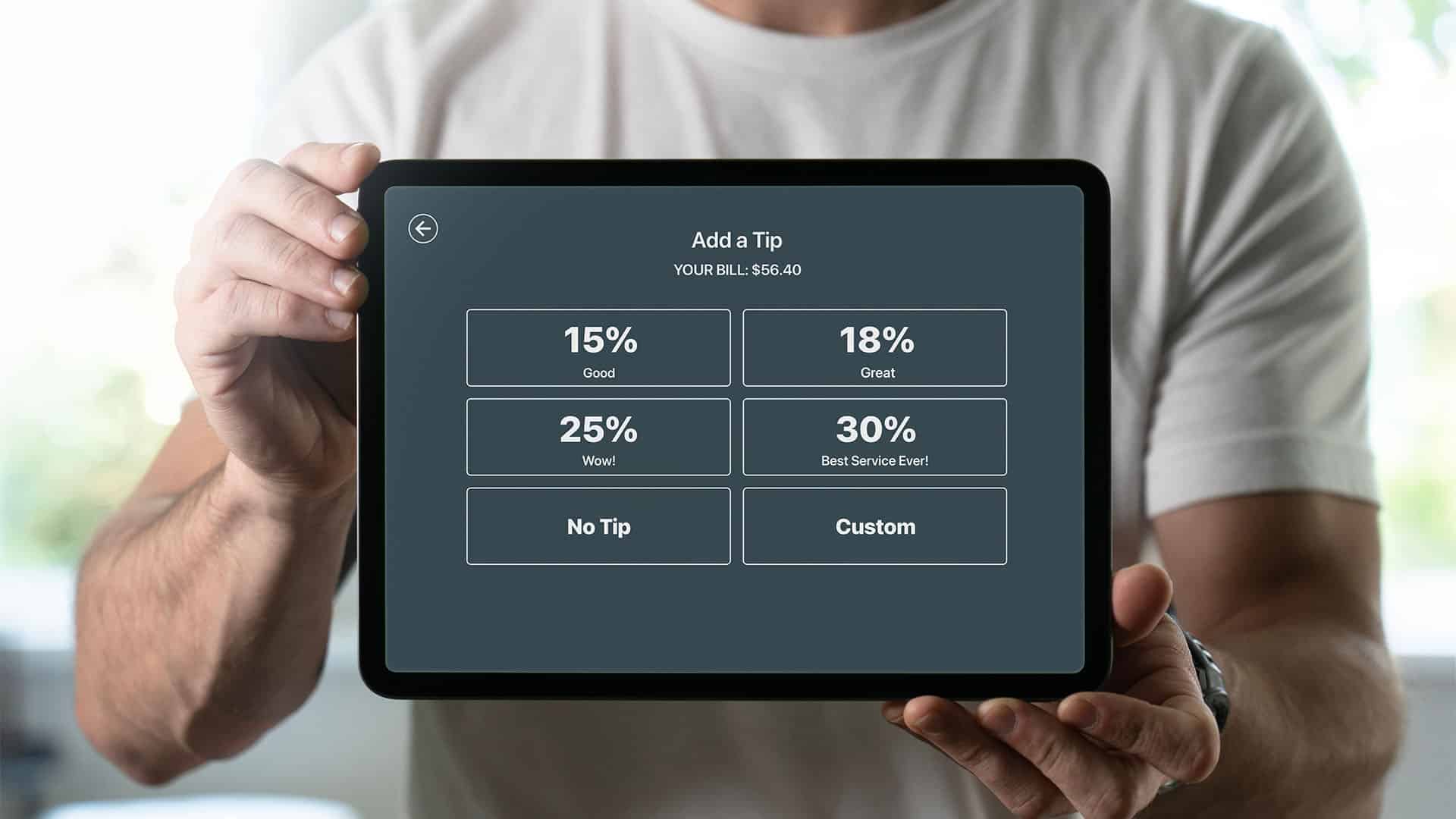
Even in-store ordering now includes iPad screens prompting for tips, leaving customers unsure whether they’ve unknowingly broken a social rule. They conclude by asking others the question of, "When did tipping become expected for take-out and what happens if you don’t?" Hundreds of people shared their thoughts.
The reactions
One comment was actually stated quite a bit. "I never tip for takeout. I placed the order, I drove there, and I didn’t eat in their establishment. No one served me, they provided the item I bought, end of story."
This was a common theme in the thread, as many people said that if they stand, they don't tip. People feel this way because nothing extra is being done to earn a tip. They did all the work by ordering the food and picking it up, so what would the extra tip even be for?
Another person posted, "When a tip is asked for before the service is even started, it's a bribe, not a tip."
It is puzzling that people expect a tip before receiving their food or service. It almost feels like a loan you won't get back at that point. If a tip is requested, it should be after the food or service has been delivered.
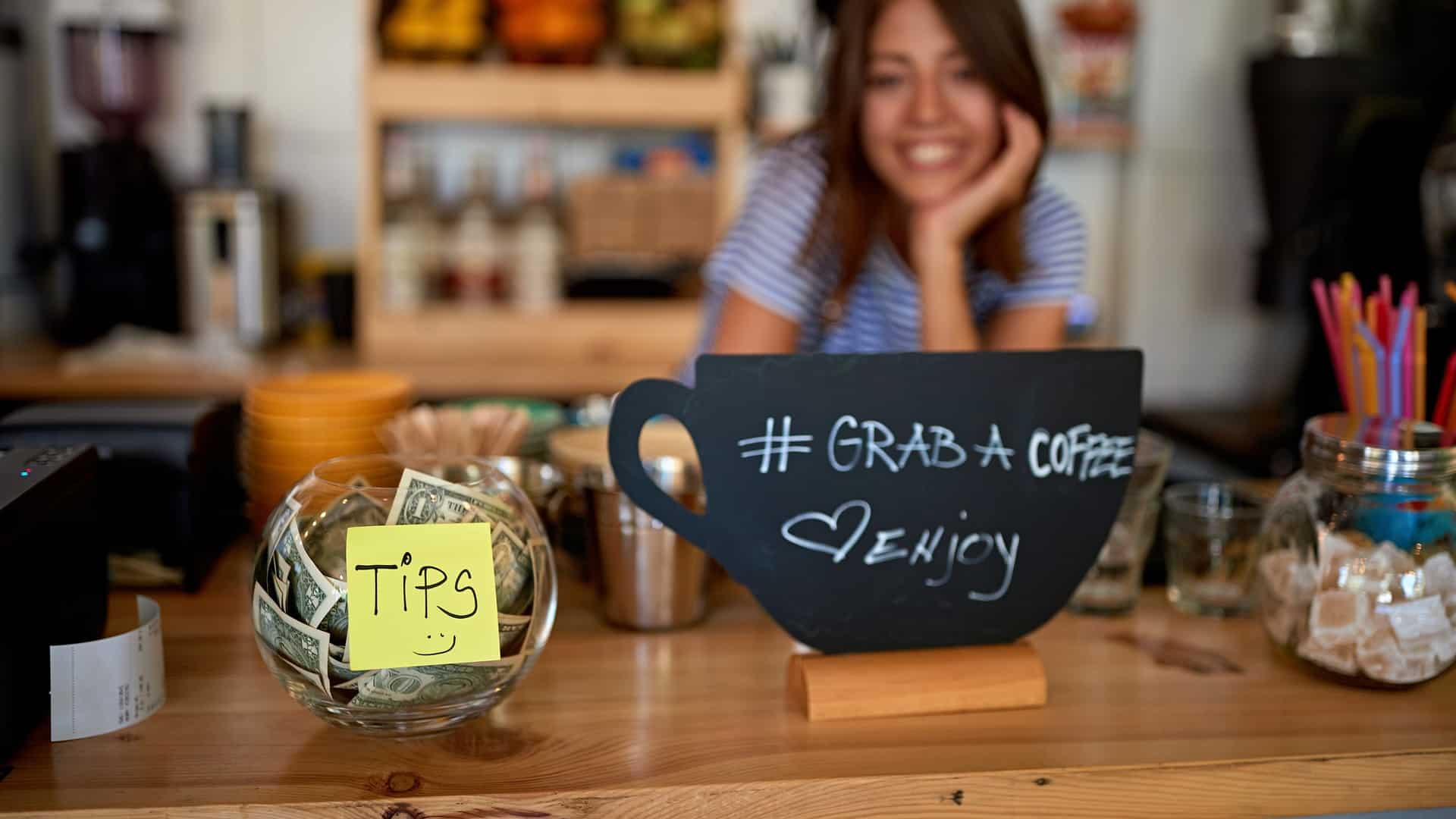
"I changed my tipping. I will ONLY tip if it’s a sit down restaurant and wait staff is doing their job of making sure I’m okay, drinks filled, etc."
You have the right to set your own tipping policy. Force tipping isn't common, thankfully, and even if it were, you have the right to refuse.
A comment came from someone in the industry. "As someone who owns multiple fast-casual restaurants, tipping is truly optional. Your food is not treated differently based on whether you tip or not—our kitchen doesn’t even see that. We pay our staff, and tips usually average out to around $2–$3 extra per hour. Regulars tend to tip more because they know the team, but plenty of people don’t. No judgment either way."
How refreshing to hear. While most people know that nothing will happen to their food or that they won't be retaliated against, it's still reassuring to hear. Knowing that tipping is optional is a breath of fresh air and, for some people, will actually make them want to tip more because it's their choice now.
Several comments said this. "It changed during Covid. It was a way for us to all support those employees during lockdowns. But then it’s suddenly expected all the time now."
There was a significant shift during that timeframe, and it has persisted. The frustrating part of being expected to tip all the time is that it takes away people's control to balance their budgets.
Another person said, "My husband is an over-tipper, and when he tips well at the local Chinese takeout place, they sometimes throw in a 'free' dessert with a big smiley 'thank you' written on the box. That tells me that tipping is probably not super common for their pick-up business, even though they prompt for it."
Many people love tipping, and that's completely fine. Tipping a favorite restaurant because they're your local go-to is a great way to show support. The fact that the restaurant gives him freebies here and there shows they appreciate the little extra and give back as they can.
However, the general consensus seemed to be that if you are going to tip, it should be after the food is served and eaten. That way, you know if it's good enough to earn a tip.
When it's appropriate not to give a tip
Not every restaurant interaction requires a tip, and tipping is generally meant to reward personal service rather than to cover the server's salary. It is appropriate not to tip in counter-service settings, where you order at a register, pay up front, and pick up your own food. This includes fast-casual restaurants, fast food, and coffee shops for basic orders.
Takeout and pickup orders also do not require a tip when staff are only handing over a prepared bag and processing payment. Even if a screen prompts you to tip, you can say no.
Self-service channels such as kiosks or apps do not create a tipping obligation either. In sit-down restaurants, tipping less or not at all can be reasonable when service is genuinely poor. It is also acceptable not to tip extra when a service charge or automatic gratuity is already included on the bill. Tipping should reflect the level of service provided, not the presence of a payment screen asking for one.
Ultimately, tipping should be a thoughtful response to service, not a reflex driven by pressure or awkwardness. Choosing not to tip in appropriate situations does not make someone rude or unkind. It simply reflects the original purpose of tipping: to recognize care and effort.
Leave a Reply