
Christmas dinner is everyone's favorite meal of the year, built around tradition and time spent together. Families gather to share dishes that feel familiar and are often passed down through generations. While some tables feature roast turkey or ham, others look very different, with meals shaped by local culture and history. Across countries and regions, the menus may change, but the purpose stays the same: bringing loved ones together to celebrate.
Here’s a closer look at how Christmas dinner comes together in different countries and why those dishes matter.

United Kingdom
In the United Kingdom, Christmas dinner is centered on roasted turkey. Alongside the turkey are roast potatoes, Yorkshire pudding, parsnips, carrots, Brussels sprouts, gravy, and cranberry sauce.
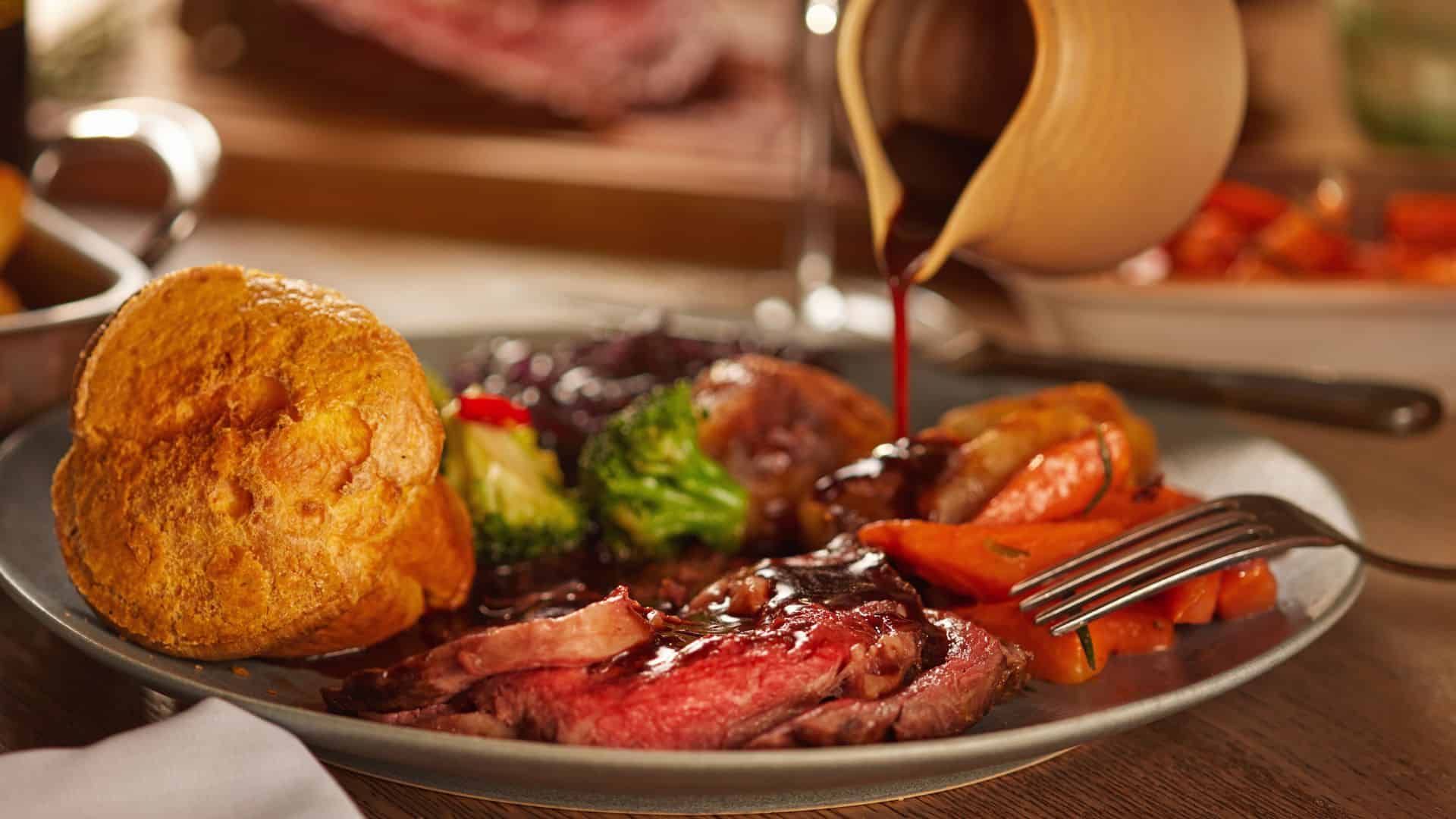
One side dish that surprises most people outside of the UK is pigs in blankets. They are small sausages wrapped in streaky bacon. They are considered essential rather than optional for the holiday meal.
This meal reflects Britain’s agricultural roots and colder climate. Hearty roasted foods that make sense for winter gatherings.
Here is @dicedanddished showing how to make Yorkshire pudding.
United States
Christmas dinner in the United States resembles the UK version, but with a bit more regional influence. Turkey and ham are common, but what else is served can vary dramatically by location and family background.
Southern households could serve baked ham with macaroni and cheese. Italian-American families might include pasta dishes or seafood. In the Midwest, casseroles are typical. Desserts range from homemade pies to cookies.
Most Christmas dinners are served on Christmas Day, but because of the proximity to relatives and friends, it's not uncommon for people to have multiple Christmas dinners over a week or two.
Because of the diversity of cultures and histories in the United States, the Christmas meal shows a lot of variety.

Japan
To be clear, Japan is not a Christian nation. There’s not much significance to the holiday beyond its aesthetics and the joy of gathering with your loved ones.
Still, Japan celebrates Christmas with its most famous Christmas dinner, KFC. This tradition began in the 1970s after a KFC marketing campaign. It was so successful that it's still going strong today.
Families will pre-order fried chicken weeks in advance. Christmas cake (a light sponge cake with strawberries and whipped cream) is usually served with it.
Japan's Christmas dinner is a modern celebration, unlike in the United States, where it is more about the tradition passed down over generations.
Spain
In Spain, Christmas is celebrated as a long, social season rather than a single day. Festivities begin in early December and build toward Christmas Eve, known as Nochebuena, when families gather for a late, multi-course dinner that often lasts well past midnight.

Dinner typically includes an abundant spread of seafood such as prawns, clams, and lobster, followed by roasted meats like lamb, suckling pig, or turkey, depending on the region. Meals are accompanied by bread, wine, and often cava, Spain’s sparkling wine.
Desserts are just as important, with classics like turrón (almond nougat), polvorones and mantecados (crumbly shortbread-style cookies), and marzipan appearing on nearly every table. Rather than a single formal course, the meal unfolds slowly over hours.
@yellowpankitchen shows how to create a lamb dish for the holiday.
Sweden
Sweden’s Christmas dinner is not a single main dish but a julboard (Christmas buffet).
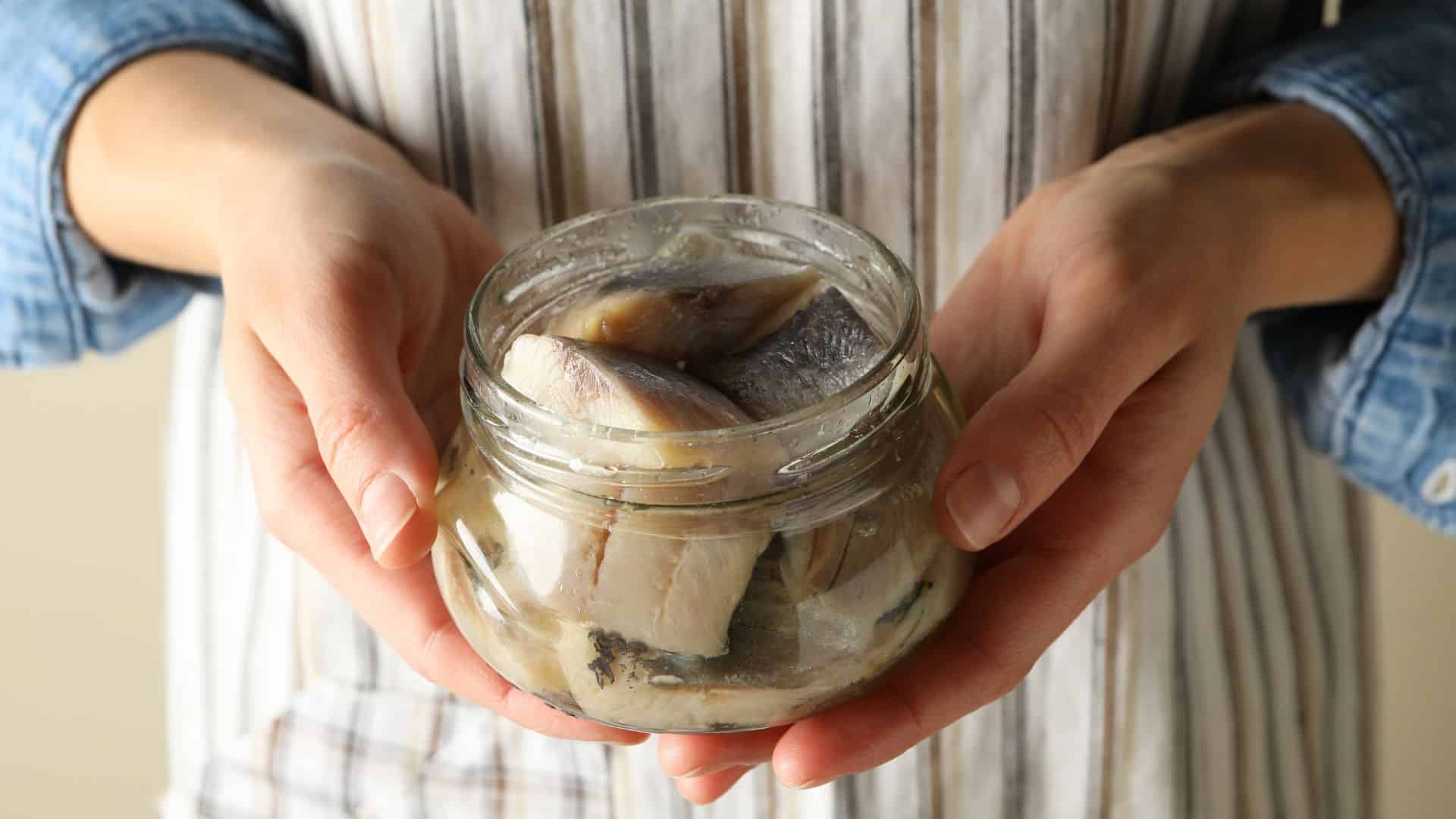
The meal is typically served on Christmas Eve, the main celebration day, and begins with cold dishes such as pickled herring in various sauces, gravlax, cold cuts, cheeses, and bread. This is followed by warm dishes including meatballs, sausages, ribs, and the centerpiece, Christmas ham, often served with mustard. Side dishes like potatoes, red cabbage, and Janssons frestels, a creamy potato anchovy casserole, are common.
Desserts and sweets come last, featuring rice porridge (risgrynsgröt), saffron buns (lussekatter), gingerbread cookies, and mulled wine (glögg).
The meal reflects Scandinavian traditions of preserving food and sharing meals during long winters.
Italy
Italy does not have a single Christmas dinner. Instead, meals vary by region. Dishes might include eel, shellfish, pasta with seafood, or baked fish. Christmas Day often features meats like capon or lamb. Desserts such as panettone and pandoro are shared nationwide.
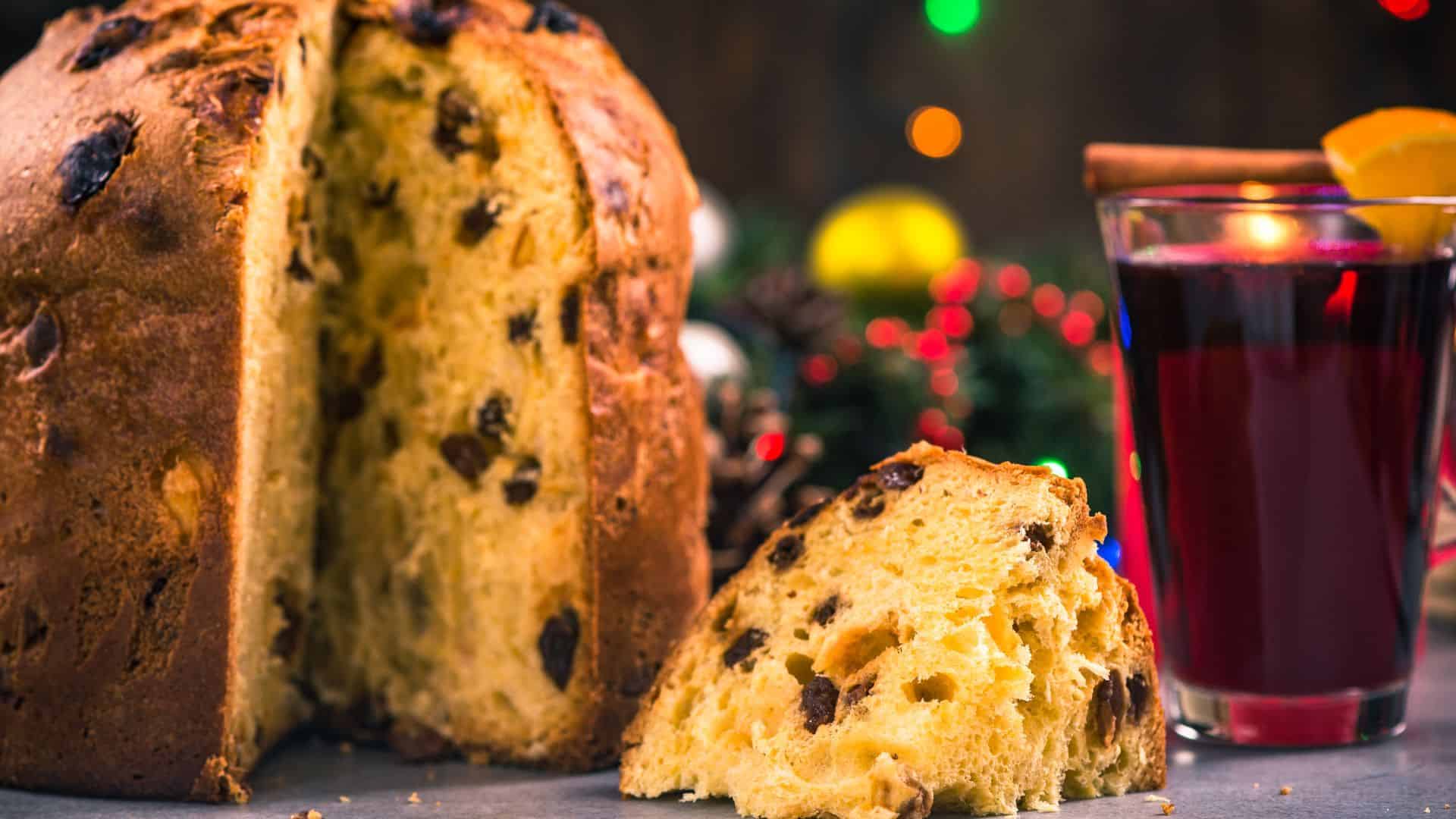
Italian Christmas food reflects regional pride and religious tradition rather than a standardized menu. Rather than rushing through courses, Italian Christmas meals are meant to be enjoyed slowly.
Mexico
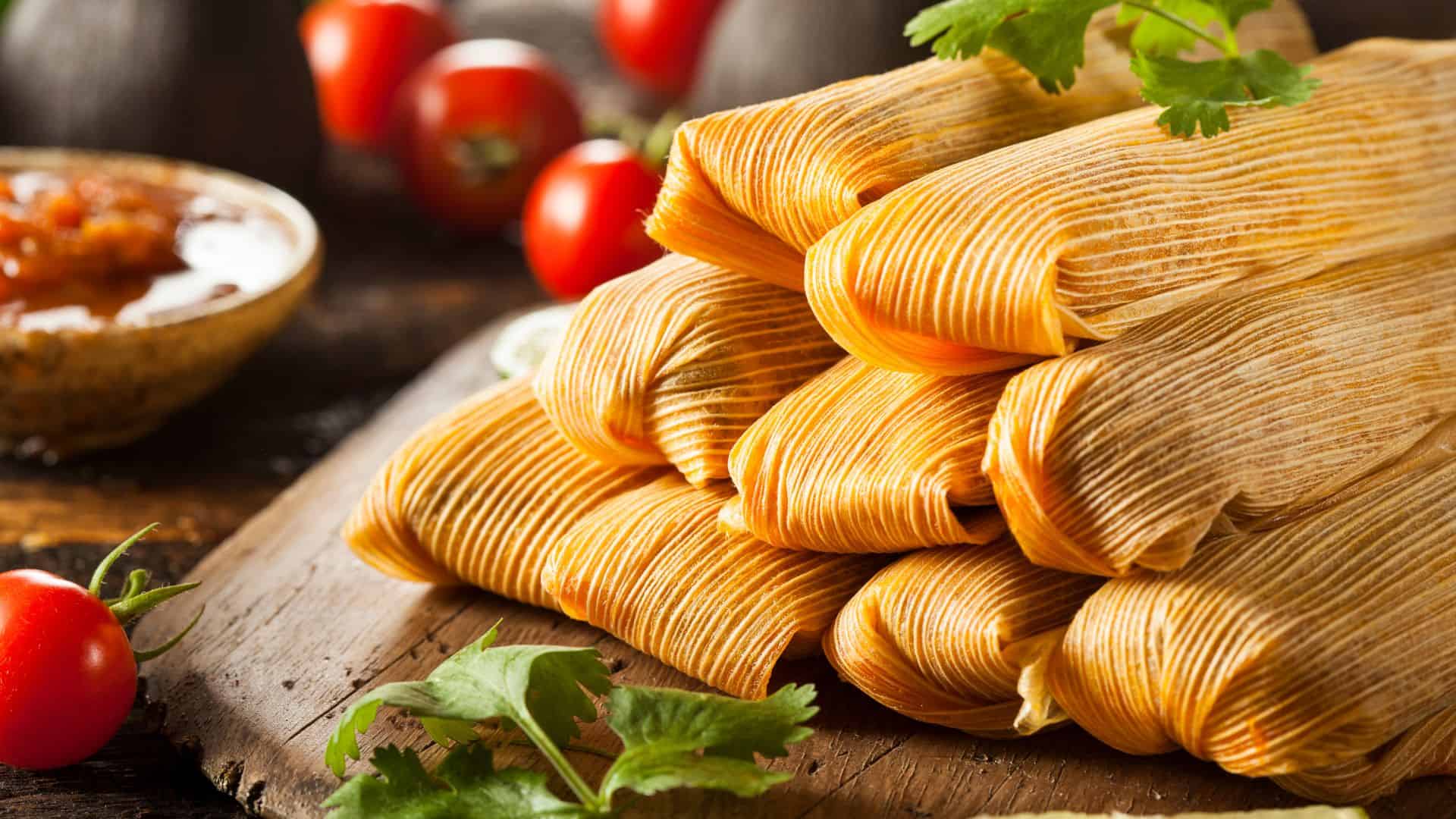
In Mexico, Christmas food is deeply tied to community and preparation. Tamales are a traditional dish made of masa, a dough made from nixtamalized corn, that is steamed in corn husks or banana leaves. They are made in large batches with the family helping assemble them. It's literally an all-day event. Other everyday holiday dishes are Pozole, a hearty soup made with hominy and pork.
For the beverage option, a fruit punch called ponche navideño is served at night during gatherings. This can be served with alcohol for adults and as is for kids. Desserts typically include buñuelos, flan, and other milk-based sweets.
The focus is less on one formal dinner and more on food that feeds many people across multiple celebrations.
Philippines
Christmas dinner in the Philippines is traditionally served late at night on Christmas Eve. Families gather after attending midnight Mass and share a table filled with celebratory dishes rather than a single main course.
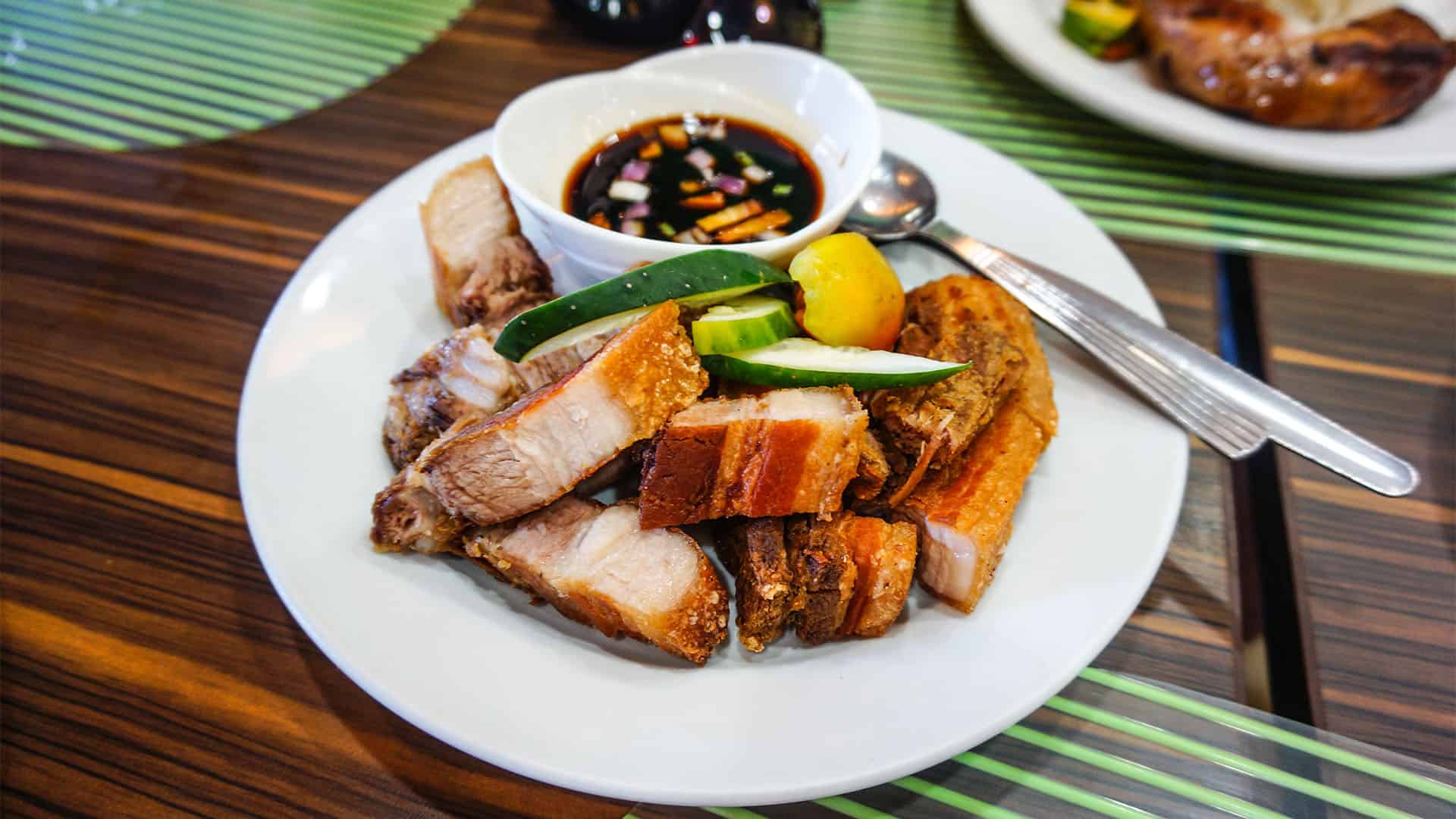
One of the main foods served is lechon, a whole roasted pig with crisp skin. Other dishes include hamón (sweet-cured ham), queso de bola (a firm, Edam-style cheese), rice dishes, and noodles, meant to symbolize long life.
The Filipino Christmas table emphasizes abundance, hospitality, and togetherness. Meals are designed to be shared over several hours.
How traditions help create memories
What people eat is shaped by culture and familiarity, not by a single global tradition. Some regions emphasize communal eating and shared preparation, while others highlight how modern culture and marketing can create new customs.
These meals also reflect practical realities. No single version of Christmas dinner is more “authentic” than another. Each reflects the people and places that created it.
What ties these meals together is not the food itself, but the act of gathering. No matter what families have on their tables, the purpose remains the same. Christmas dinner is a moment built around sharing time as much as sharing food. It's a time to be with loved ones, creating memories over good food.
Leave a Reply