
You may feel confident about your spending habits until the internet points out the quiet money leaks hiding in plain sight. Everyday routines like grocery runs, subscription renewals, and impulse add-ons can drain more than most people realize. What feels small in the moment often becomes a pattern that quietly chips away at a budget.

The story
The original poster shared on Reddit that they thought being frugal meant cutting obvious expenses, such as eating out, but realized that changing one tiny habit made the most significant difference of all. The change? Before heading to the grocery store, they would pull out every item in their pantry, take note of what they had, and how they could use it, and plan meals around it. They stopped buying duplicates and stopped wasting food.
They also stated that this helped calm them somewhat because they no longer had to be reactive to the kitchen chaos. They even mentioned that this habit has turned into a bit of a ritual involving cleaning supplies and other items in their house.
They ended by asking fellow Redditors if anyone had a tiny routine that turned into a big frugal win.
The reactions
Many comments aligned with the poster's frugal approach. There were literally dozens of comments from others who said they also cleared out their pantries and fridges to see what food they had left.
One reader stated, "What I do is plan a week's worth of meals, snacks and drinks. From that I make a grocery list and stick to it. And yes, I do a quick glance to see if I need cleaning supplies. But I keep an index card on my computer table and if I run out of something during the week, I jot it down on the card so there's that. I use a "hot pink" index card for this so it never gets "lost" on my table!"
Love the hot pink color coding. It's easy to remember, eye-catching, and a simple way to stay organized. If you're an old-school paper type of person, index cards are great to use because they're thicker than regular paper, and easy to stick in your purse or pocket when heading out the door.
Another person chimed in with this. "I started doing online grocery pickup orders instead, for this exact reason. I found that I was better at planning out actual meals (vs just panic buying stuff that looked good lol), and I can plan around what's already in the house better. If something pops into my head while I'm doing the order, then I can just get up and check the fridge or pantry. I also don't impulse buy this way. I make sure to just pre-plan snack foods, because I know we'll end up wanting them in the end regardless, so I won't leave it up to the chance of impulse buys while going into a store just for snacks a couple days later."
Doing online grocery store pickup is a good way to save money because you can look at your pantry to avoid duplicates.
This comment said, "Sometimes I tell myself I can't buy something until my whole house is clean. Then it takes forever and I realize I can't even handle the amount of stuff I already have so I end up decluttering and using up products instead of buying more."
Genius. Sometimes we have to play mind tricks on ourselves for motivation, which gives our brain time to calm down without feeling like we have to buy something else.

This user stated, "Any time I see something new and shiny and am tempted to buy it, I ask myself if it's a need or a want. Most of the time i have to admit i can live without it. I've saved so much by buying only what I need."
Everyone can learn from this when trying to cut back or save money. Is it a need or a want? They're two very different things, and one can drain your savings and bank account a lot more quickly than the other.
This person chimed in and said, "I live in a big house where, if I’m not careful, I’ll completely forget about all the duplicates stashed around under different bathroom sinks. To solve this, I put a row of wire shelves in a hallway and put every single cleaning and toiletry item on the shelves where I can see them. I only keep “immediate use” items around the house and then restock from the central shelves."
We love this idea. It keeps specific areas decluttered and lets you easily see what items you already have. This reduces duplicate purchases.
This is a good idea. "If I have veggies about to go bad I dehydrate them." Dehydrating vegetables keeps them usable in soups or makes them into a nice crunchy snack for salads. You don't have to throw away spoiled food and can just use it another way, which is a major money-saver.

This reader stated, "We finally adapted to using a white board. Anytime we run out of peanut butter or whatever, I immediately jot it down on the board. When we go to put in our grocery order every week we will have the majority of what we need already spelled out."
This is great for families. Everyone can easily write on the whiteboard for everyone to see. It involves everyone in the process, and once the item is bought, you wipe it off the whiteboard and start over.
Another poster wrote, "I've always worn secondhand clothes, but a couple of years ago I pretty much eliminated impulse buying by deciding to only wear natural fibres and leather. Now I'm curating instead of chasing dopamine and buying comfortable things instead of cute things that I don't wear."
More people should think about doing this. Instead of spending money on mediocre clothing, spend money on the clothing that you're going to wear.
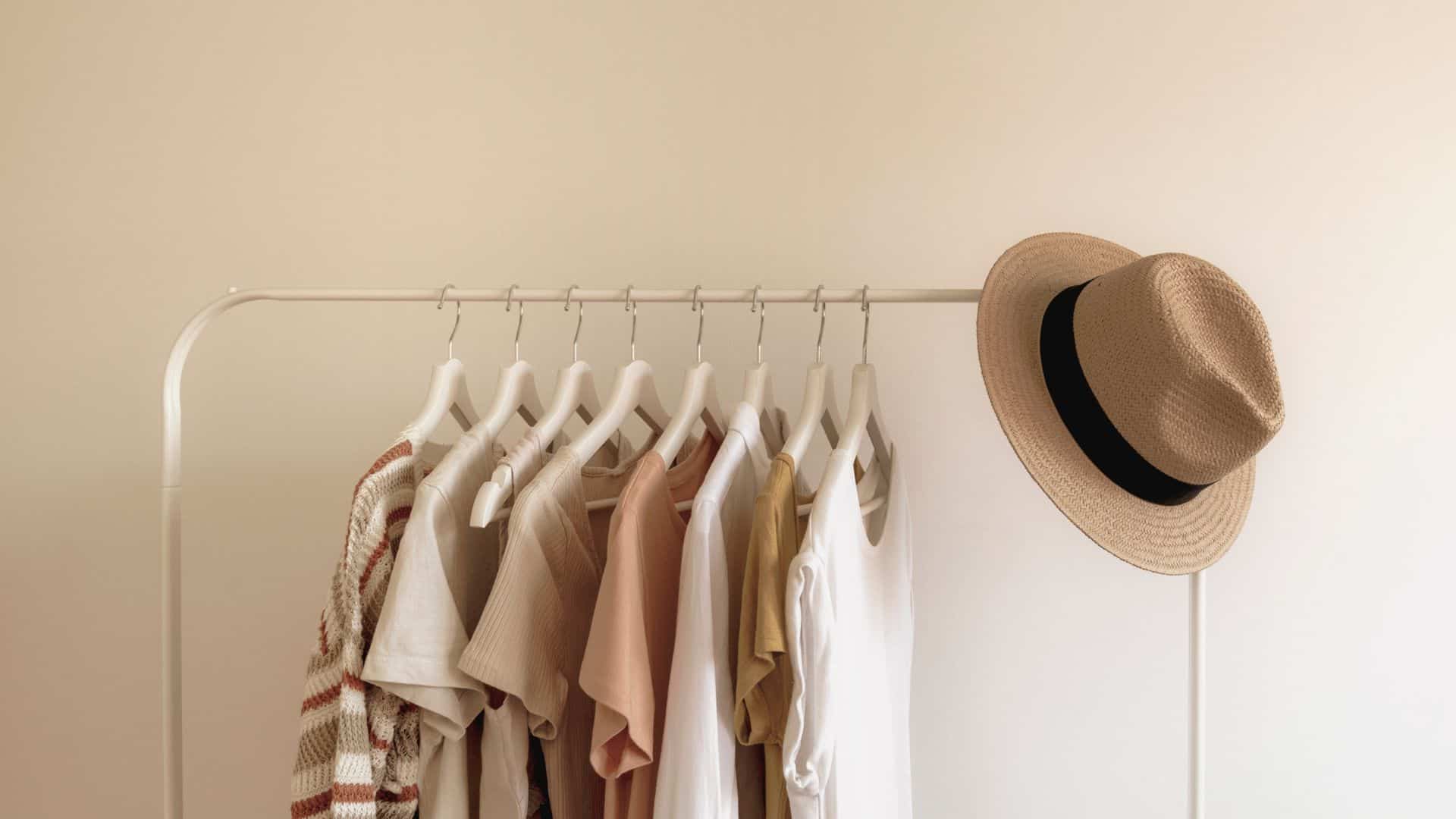
Readers like this comment. "When hanging stuff in the closet, pull them all out and put the hangars on backwards, when you take one down to use, put the hangars right way in and in 6 months you’ll know what you don’t use and can either spruce it up, or give it away. I do this every 6 months with my whole family."
What an organized way to declutter. This is a foolproof way to know which clothes you do and don't wear over the course of 6 months. It's proof that shows how often you do or don't wear an item of clothing.
Smarter spending habits
Smarter spending habits are important to remember year-round. Creating a clear budget is one of the most effective ways to stay grounded. It sets boundaries on what you can realistically afford, helps prioritize needs over wants, and reduces the stress of last-minute decisions. A budget also gives you the clarity to compare prices, track spending, and avoid impulse purchases that ultimately keep people poor.
One strategy that has gained traction for reducing unnecessary spending is the “48-hour hold” rule. The idea is simple: when you find something you want to buy that isn't essential, wait two full days before completing the purchase. This pause stops the emotional rush that drives impulsive decisions and gives you time to consider whether the item fits your budget, needs, and long-term priorities. Many people find that once the initial excitement fades, the urge to buy does too.
Seeing how others cut costs in ways you hadn’t considered can shift your perspective and reveal patterns that quietly drain your budget. It’s a reminder that there’s always room to fine-tune your spending and keep looking for adjustments that make a meaningful difference.
Leave a Reply