
Winter storms can disrupt daily routines with little warning, cutting power, limiting travel, and reducing access to fresh food and groceries. Households that prepare in advance are better equipped to manage these interruptions without unnecessary stress or added expense. Emergency food planning focuses on shelf-stable items that require minimal preparation and remain affordable.

Grains and carbohydrates that keep well
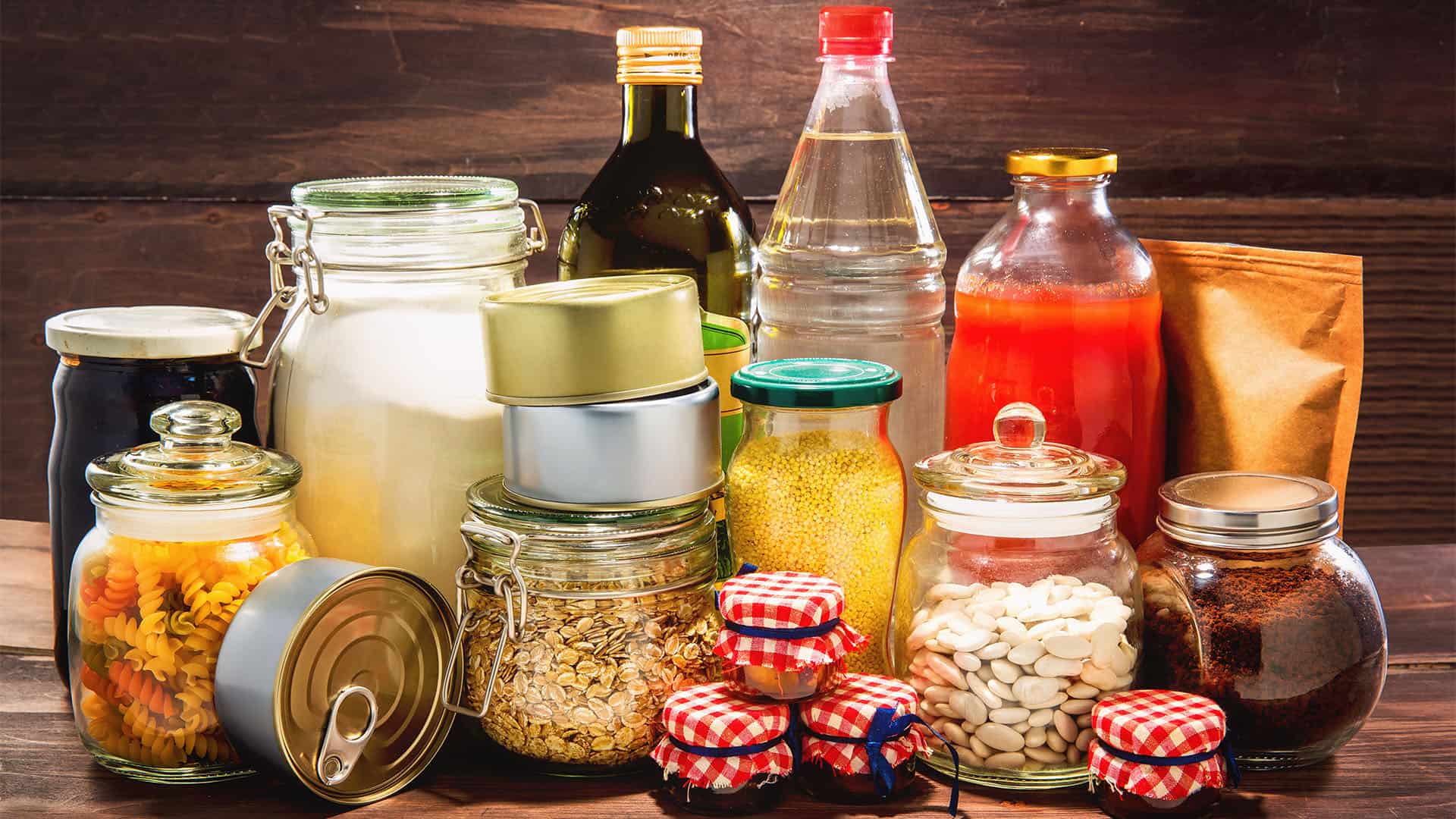
Dried grains form the backbone of emergency pantries because they store easily and provide a steady source of calories. Rice, oats, and pasta can last for months when kept in airtight containers. Instant oats and quick-cooking rice provide faster preparation in low-fuel situations. Tortillas and flatbreads are great to keep on hand in case ovens or stovetops are unavailable. Crackers are also a good option when fresh bread is not available.
Protein sources that do not require refrigeration
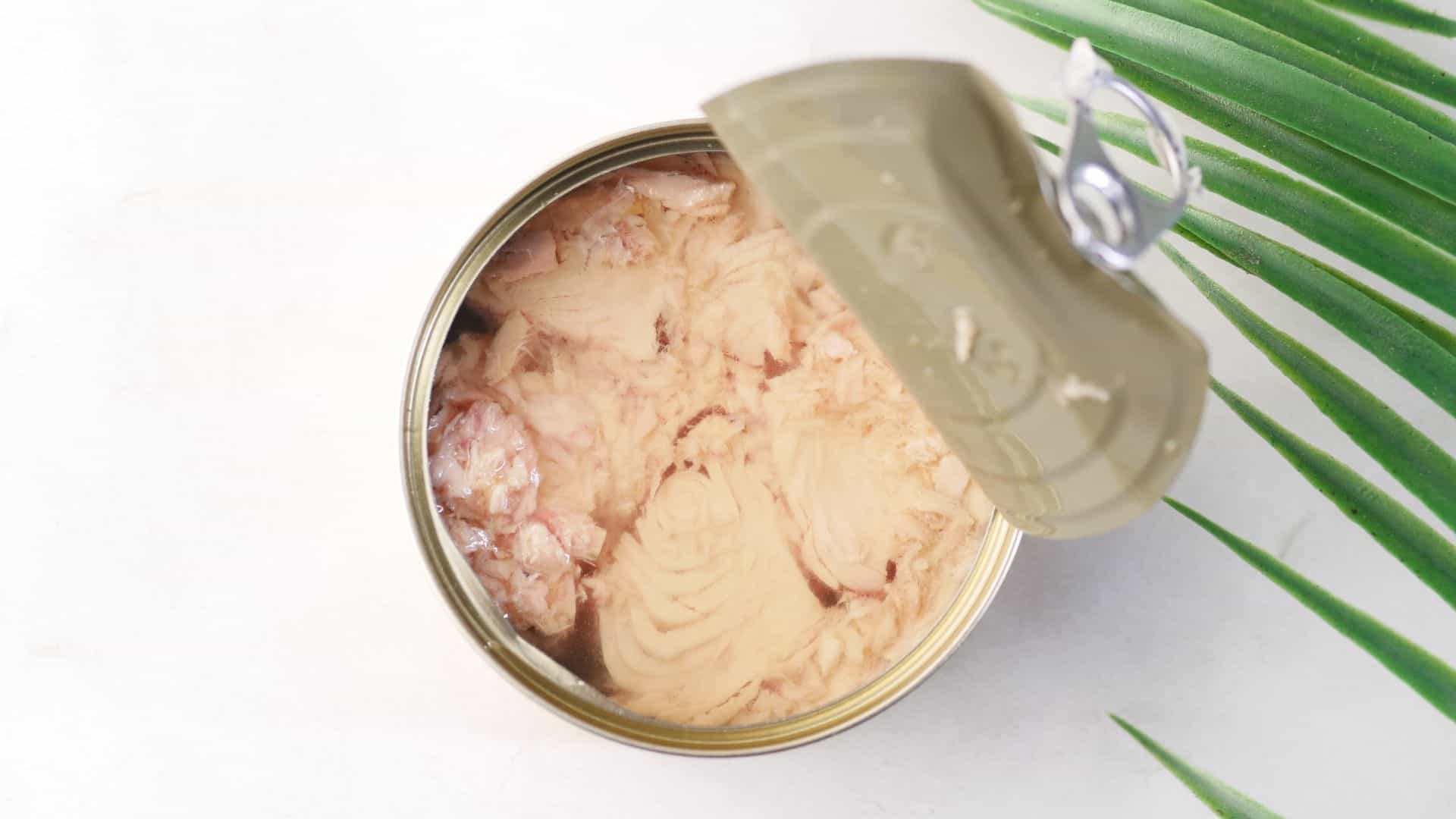
Canned proteins are perfect for winter readiness. Tuna, salmon, and chicken provide lean protein and can be eaten straight from the container if necessary. Canned beans offer protein and fiber and can be used in soups, stews, or cold salads. Peanut butter and other nut butters supply calories and remain stable in pantry conditions for extended periods.
Shelf-stable plant-based proteins, such as lentils and chickpeas, cook quickly and store well. Jerky and dried meat sticks can supplement meals and provide energy during outages.
Fruits and vegetables that hold their quality
Restocking fresh produce may be challenging during extended storms. Canned fruits packed in juice offer vitamins without requiring refrigeration. Applesauce cups and shelf-stable fruit cups store well and serve as quick snacks. Dried fruits such as raisins, apricots, and cranberries are light, long-lasting, and naturally sweet.
Canned vegetables are good for keeping on hand for balanced meals. Corn, green beans, carrots, and peas can be added to many dishes or eaten as they are. Tomato products, including diced tomatoes, paste, and sauces, can be used in soups and pasta dishes. Shelf-stable juices provide hydration and vitamin C.

Soups, broths, and ready-to-heat meals
Canned soups and stews need minimal preparation and store well. Varieties rich in vegetables, proteins, and grains can be served as complete meals during extended outages. Broths and bouillon cubes help households to prepare quick soups using limited ingredients.
Dairy alternatives and pantry staples
Shelf-stable milk, including dairy and non-dairy varieties, can be used for cereals, baking, and drinking. Powdered milk offers greater flexibility and a longer shelf life. Hard cheeses that do not require refrigeration for short periods can be used early in a power outage. Puddings and protein shakes can provide energy when needed.
Essential pantry staples such as sugar, salt, flour, and baking mixes help with basic cooking during longer winter storms. Oils with long shelf lives, such as canola and vegetable oils, can help prepare simple meals even when resources are limited.
Hydration and beverage needs
Water is the most critical supply during a winter emergency. The CDC recommends storing at least one gallon per person per day for drinking for emergencies. Be sure to store extra water for pets. Electrolyte drink mixes and shelf-stable sports drinks can help maintain hydration if illnesses arise during severe weather.
Tea and instant coffee can help provide comfort and can be prepared with limited heat sources.

Snacks that provide sustained energy
Energy bars, granola bars, and trail mixes help provide calories to keep energy levels up. Nuts and seeds add protein and healthy fats. These items are handy during extended outages when making full meals is hard or not an option. Popcorn and pretzels provide additional snack options at a low cost.
How to stock up without overspending
Preparedness does not require large one-time purchases. Gradually building an emergency supply reduces financial strain. Adding one or two extra shelf-stable items to weekly grocery trips will create a complete pantry over time. Focusing on store brands and sale items keeps costs manageable.
Rotation is also an important part of emergency food management. Storing foods that your household regularly eats allows ongoing use and reduces waste. As items near their best-by dates, use them in regular meals and replace them during routine grocery trips.
Prepping strategies for winter readiness
Getting organized and preparing for winter is key to staying ahead. Households can easily keep track of their food supply by storing emergency food in the pantry, in one central location. This helps see supply gaps before storm warnings appear. Have a list nearby where you can add supplies needed so you know what to grab the next time you head to the store.
Be sure to store a manual can opener in the emergency pantry. Portable camping stoves or safe-to-use indoor burners can help with basic cooking when electricity is unavailable. Stocking additional fuel sources within safety guidelines can help with a backup, just in case the storm lasts longer than expected.
Pre-made meal kits for each family member can be helpful during stressful conditions. These kits could include a protein source, a carbohydrate, a fruit option, a bottle of water, and a snack. They keep meal decisions simple when power is lost or temperatures drop.
The importance of planning ahead
Winter weather can arrive quickly. Road closures, icy conditions, and power outages can turn routine errands into huge challenges. Households with well-stocked supplies avoid last-minute rushes to grocery stores and reduce dependence on deliveries.
Preparedness also helps with community resilience. When households already have emergency food stocks, local resources remain readily available for those facing immediate hardship. A little bit of planning limits strain on stores, emergency services, and supply chains during major weather events.
Winter storms are unpredictable, but your preparation doesn’t have to be. Stocking smart, budget-friendly emergency foods now means you can ride out any cold snap with comfort, confidence, and one less worry on your mind.
Leave a Reply