
Costco has filed a lawsuit against the Trump administration seeking a full refund for the tariffs it has paid, while also asking the Supreme Court to rule the duties invalid moving forward. The monetary amount Costco is seeking has not been disclosed, but filings show the requested refund covers several months.
Costco’s legal challenge is centered on whether the administration exceeded its authority under the International Emergency Economic Powers Act, the statute often invoked to justify rapid tariff actions. If the Supreme Court rules that these duties were imposed outside the bounds of federal law, the tariffs could be declared invalid, and companies that paid them may be eligible for refunds.

How tariffs are assessed and why the costs add up
Tariffs are taxes on imported goods and are usually a percentage of the product's value. Large retailers can be significantly affected when tariffs apply to high-volume imports, since they often import goods in bulk from different countries.
For a large importer, even a slight increase in tariff rates translates into significant expenses. If a shipment valued at $10 million is subject to a 25% tariff, the importer owes $2.5 million upon arrival at port. While that figure is an illustration, it shows how quickly import duties accumulate across thousands of shipments per year.
When tariffs apply, retailers can face millions, or even hundreds of millions, in additional annual expenses. These increases often ripple through the supply chain, which is why economists say tariffs can raise consumer prices twice. The first increase occurs at the point of import, and the second occurs as manufacturers, wholesalers, and distributors raise prices to cover higher costs.
How tariffs influence consumer prices
It's hard to pinpoint precisely how tariffs affect pricing, since it can vary by category and item. If you've been to the grocery store recently, you've likely noticed an increase in the price of grocery items like cooking oils, nuts, and coffee. This is partly due to those items being imported and having the import duties applied at the port.
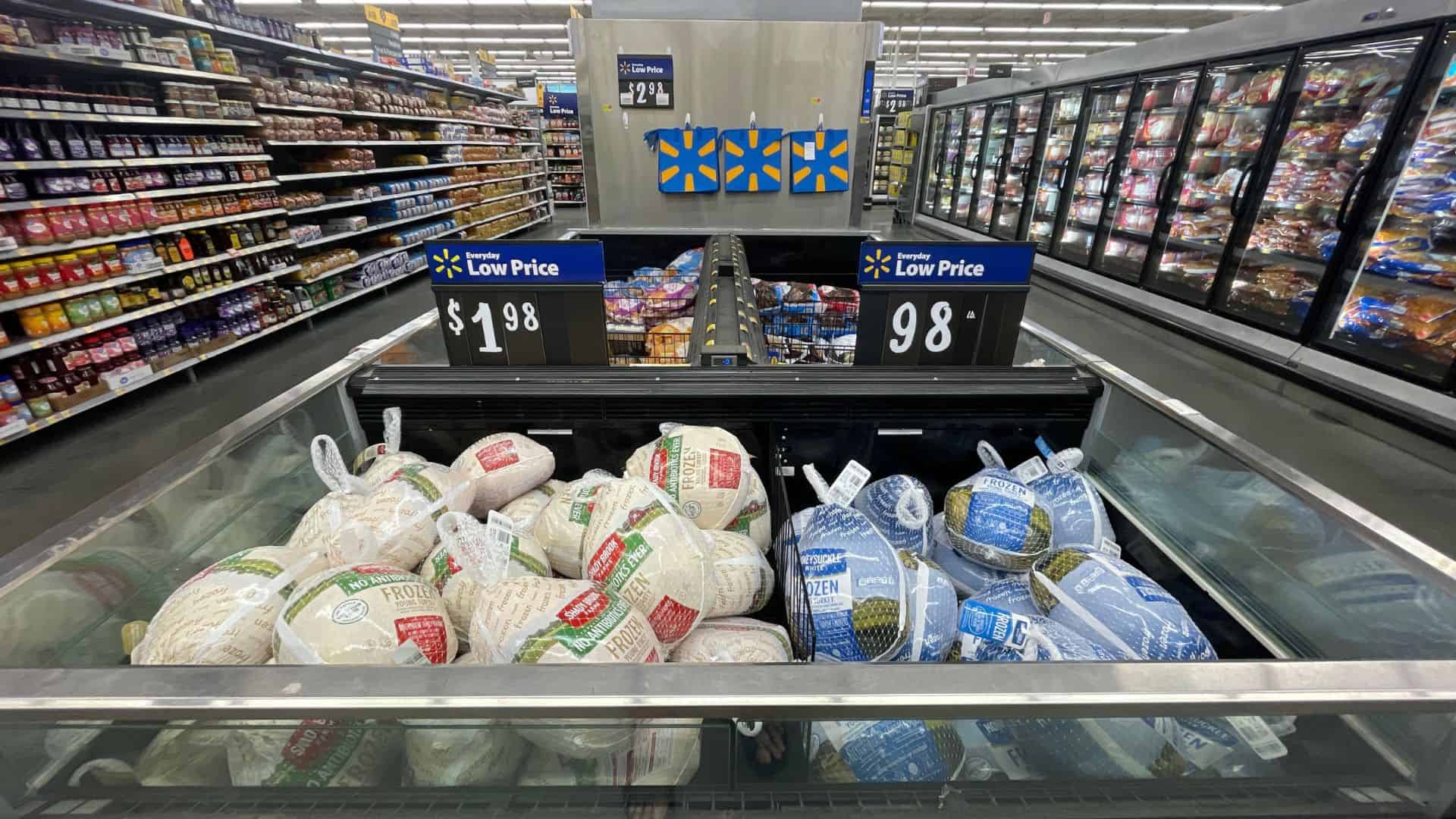
Holiday foods and goods are also being affected by tariffs. Items such as cranberries, turkey, spices, and baking ingredients may all be affected by tariffs at some point in the supply chain.
In general, when tariffs are imposed on widely used ingredients or materials, retailers have limited room to absorb the costs. This is why some tariff-driven increases start small and grow over time. This is especially true in categories where demand is consistent year-round.
How the Costco lawsuit could affect shoppers
If the Supreme Court rules the tariffs unconstitutional, Costco and other retailers could see their import costs lowered.
Any savings will give companies the flexibility to slow down future price increases or maintain prices in areas where costs have risen due to tariffs. When major retailers face lower import costs, market competition can help them pass a portion of those savings forward to shoppers. This can help lower the household's grocery bill. Theoretically.
A ruling in Costco’s favor would not immediately lower prices, since the court process can take years. Tariff litigation can take years to have an outcome, and any refunds granted afterward may take months or longer to process. However, a decision invalidating the duties could set a precedent. This could encourage other retailers to file similar lawsuits, multiplying the effect across the industry. If refunds are ordered, the amounts would be substantial.
What consumers should know
Before any ruling is issued, households will likely continue to see price fluctuations in tariff-sensitive categories. Staying educated about current prices is key to knowing how to pivot and plan. While a Supreme Court ruling could eventually help price stability, the timing remains uncertain.
When prices are steady, stocking up on long shelf-life pantry staples is a simple way to control costs and avoid paying extra. Monitor price trends, compare unit prices across brands, and identify which product categories respond most quickly to changes in import costs.
It's important to note that, in November 2025, some food items and tariffs changed. President Trump rolled back tariffs on over 200 foods to help ease the pain of the high grocery prices Americans were paying at the store. Some of the foods whose prices were rolled back included coffee, beef, and bananas.

The bigger picture
The Costco lawsuit shows how trade policy can affect both corporate financial planning and household budgets. As retailers balance uncertain tariff conditions, companies are preparing for several possible outcomes. This could be partial or full refunds, revised tariff structures, or broader restructuring of how emergency powers can be used to impose import duties.
In the end, Costco isn’t just buying in bulk; it’s challenging in bulk too. Now it’s up to the Supreme Court to decide whether those tariffs stay on the shelf or get returned for a full refund.
Leave a Reply