
Grocery prices have risen significantly from last year, and many households are feeling the strain. However, frugal living doesn’t always mean significant sacrifices; sometimes it’s the small, everyday habits that quietly save the most money. In an online discussion, people shared the simple food routines, smart kitchen tricks, and budget-friendly habits that help them keep grocery costs under control. Many of these ideas are easy to adopt, practical for any household, and surprisingly effective once you put them into practice.

The story
The original poster on Reddit shared that their second-largest expense is food, despite trying to cut costs through meal prep, buying off-brands, and shopping at low-cost stores like Aldi. Still, they want to reduce food expenses even further and have turned to the community for help.
The post clearly resonated with hundreds of people, with countless offering their two cents. Some discussed similar concerns, and a few shared practical tips that helped in their own routines.
The reactions
One of the comments on the post was, “Drink water. I added up what we spent on drinks, and it was stupid”. While it might sound like satire, substitutions like this make perfect sense when people are trying to cut down costs. Since many restaurants and eateries surcharge for sodas and soft drinks, it makes sense to reduce costs by cutting down on them altogether.
Plain water might not be as enjoyable with some dishes, or it can get monotonous after a while; a flavored drink can offer a unique taste without much effort. Something as simple as a lemon or cucumber slice in water is a perfectly adequate drink, if you ask me.

Then, another Redditor shared, “Just buy stuff that has one ingredient. Then put those ingredients together in a ‘recipe’. You can find them on Google.” Buying single-ingredient items like veggies, rice, beans, eggs, or chicken is usually cheaper than grabbing ready-made meals. When you have those basics at home, you can pull up any quick recipe online and make a decent meal.
Some people recommend freezing food to cut down on food expenses. One said, “Freeze your leftovers. Freeze your leftover fruit for smoothies. Freeze your bread; it takes a few minutes to defrost what you need. Also, not a frugal tip, but freeze your smelly garbage (cooking scraps), freeze your cooking grease. And yes, a vacuum sealer is a great investment for all your freezing needs. Happy Freezing!”
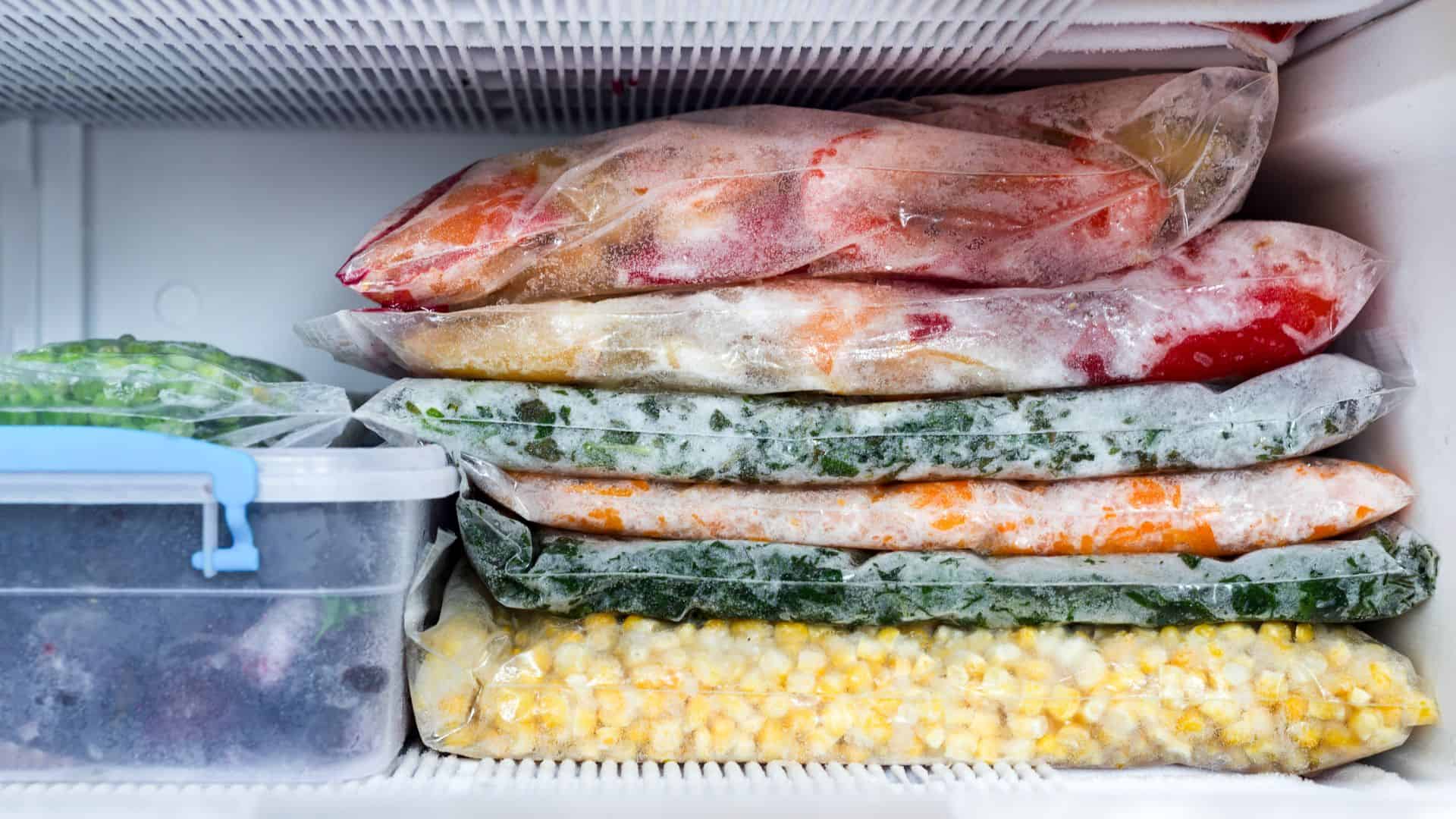
Usually, people don’t think about freezing anything beyond the scraps, but this person’s idea to freeze scraps and even cooking grease really highlights how frugality can inspire unique strategies.
Then, a smart Redditor shared a tip most people truly haven’t heard before: “I work at Walmart, so every day before I leave, I check for marked-down food. I get a lot of marked-down meat that way.”
Typically, customers leave marked-down food because they assume it’s bad, but it’s usually just leftovers that can be bought at half or even lower prices.
There were a few who recommended an alternative diet: “I know for some going vegetarian is tough, but one suggestion I have for this also to be more frugal is by substituting half the recipe meat with beans or lentils. So a pasta with one pound of ground meat is now half ground meat and half lentils. A good way to eat healthier and save money.”

Meat is one of the most expensive parts of a meal; replacing half of it with beans or lentils reduces the overall cost while still keeping the dish filling. Many people find this approach easier than shifting to a fully vegetarian diet, and it offers a practical way to stretch recipes while maintaining similar flavors and portions.
One Redditor even shared, “Never shop while hungry”. Our hunger affects our appetite, so we feel attracted to foods and dishes we don’t necessarily need. Shopping on a full stomach makes it easier to choose between essentials and non-essentials, so people don’t keep adding unnecessary items to the grocery list.

A few people recommended cutting waste, since spoiled food is essentially money down the drain. One person said, “Almost any leftover stuff is great to make an omelet from. Eliminate all waste possible, and you will save SO much money!”
Using leftovers this way is basically a simple way to reduce waste and avoid buying extra ingredients. Anything sitting in the fridge, vegetables, bits of meat, herbs, even last night’s sides, can be turned into a quick meal instead of being thrown out.
Someone said, “Make Mexican food. Cook the meat in an Instant Pot, then save the juice to cook beans in the same pot. So yummy and dirt cheap. Make like 10 burritos at once, and freeze them. Super quick and easy food for lunches and for on the go. Always pack a lunch, don’t order takeout.”
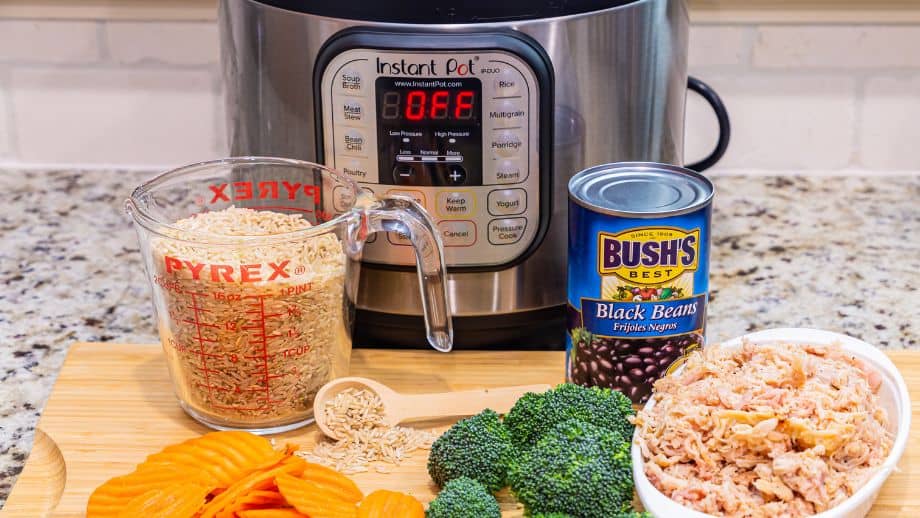
Making a big pot of protein and beans at the same time gives you enough to make quick lunches for days, which cuts down on mid-week spending. Freezing burritos or portions also helps because you always have something ready when you’re rushed, so you’re less likely to grab takeout. It’s a low-effort routine that keeps costs down and makes weekday eating easier.
My practical habits that keep food costs down
I grew up in a family where nothing was wasted, and shopping happened only when it was truly necessary. The single most effective tip I can offer is rooted in that mindset: always use what you already have. It doesn’t even feel frugal; it’s just common sense to check the freezer, fridge, and pantry before buying more, and to follow a FIFO (first in, first out) approach, using the oldest items first.
A lot of people save money not by changing what they eat, but by changing the small habits around how they shop, store, and plan food. These ideas can also help cut down your weekly food expenses:
- Plan meals around what you already have
Checking your pantry or fridge first helps you use ingredients before they expire, so you’re not rebuying things you forgot about. - Compare prices across a few stores online before shopping
A quick price check can show which place has cheaper produce or pantry staples that week. - Buy staples in bulk only if you will use them often
Bulk shopping saves money, but only if the food won’t go to waste or get forgotten in the back of a cabinet. - Keep a small list of “cheap meals” you can rely on
Having 3 to 4 budget meals makes it easier to avoid impulse buys or expensive last-minute takeout. - Store food in clear containers so you can see what needs to be used
When leftovers and ingredients are visible, you’re less likely to let them spoil, which cuts down on waste and unnecessary spending.
There’s no single “right” way to save on food. Everyone has their own approach, and most people do whatever works for their budget and their schedule. Some rely on strict routines, others make small adjustments here and there, and a few take frugality much further than most people would.
Leave a Reply