
Managing the perfect family dinner is a challenging task. Navigating familial tensions, fluctuating emotions, and occasional differences in lifestyle make many family dinners either awkward, boring, or ultimately, disruptive. Creating a comfortable atmosphere takes a bit of effort and patience, but it’s completely doable. Here are some practical ways to have calm, enjoyable family dinners.
Keep your expectations realistic

People need to understand that families are inherently different across households. Failing to recognize that every individual has their own personality and lifestyle is a major reason many family dinners fall apart. Realistic expectations are the key to minimizing disagreements.
Instead of believing that the dinner must go perfectly, it is important to create space for differences and focus on a dinner that revolves around love, support, and spending time together.
Prepare yourself ahead of dinner
Navigating familial differences and moods can be difficult, but it’s important to keep a clear head. People who focus on planning an escape rather than on ways to keep a gathering harmonious often face more conflict, simply because they use up their energy imagining problems that may never occur.
It’s much more beneficial to shift one’s energy toward a calmer mindset by relaxing and taking steps to feel more comfortable before heading to a family dinner.
Make the space comfortable
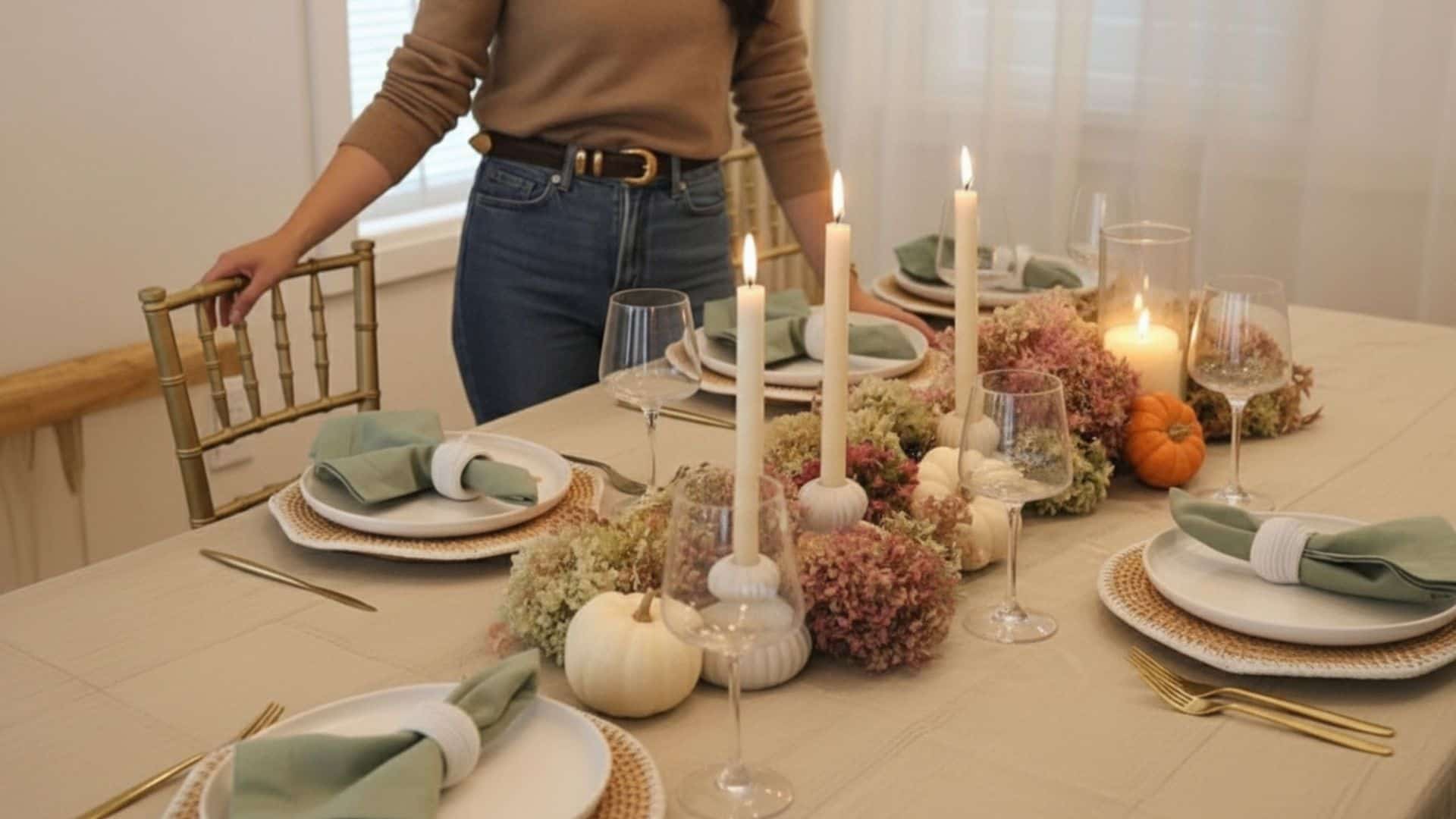
Hosts are responsible for maintaining a comfortable, friendly atmosphere. An ideal family dinner has a steady flow of conversation, so it’s important to set up a tangible space with food and serveware within easy reach. Guests feel more comfortable in cozy, homey spaces. Dinners with soft-core accent lighting and calm background music are often more memorable and enjoyable.
Keep conversations easy and light
Unpleasant dinner conversations make for an awkward meal. Disagreements over lifestyle, political differences, discussing milestones, and sharing embarrassing stories can often lead to an unpleasant dinner experience. People hosting and attending dinners must keep the conversation casual and neutral. Inclusive topics like movies, travel, hobbies, and funny/memorable stories are usually the best way to keep a dinner flowing.
Make the food low-stress

Food can also interfere with the flow of a smooth dinner. Repeated servings, monotonous menus, and complex dishes that require too much attention can take a toll on a dinner host. People looking to host should create a light, versatile, and stress-free menu to make things easier. One can also consider more comfortable dinner options, such as platters, buffets, or potlucks, to make the evening more enjoyable.
Take small breaks when you need them
Navigating a busy kitchen is as tough as managing a family dinner. People who spend most of their time in the kitchen and prioritize the constant flow of food over spending time with family might experience some bitterness. Taking time to relax and breathe while cooking, through personal breaks, allows for a more memorable and calmer experience not only in the kitchen, but also at the table.
Sit near someone who helps you feel at ease

People tend to sit with those who provide them warmth and comfort. Being seated with a trusted family member can elevate a dinner experience, or at least make it easier for guests to interact. Sitting next to a closed one can also help control fluctuating emotions and handle sensitive topics with ease. Additionally, people feel calmer with their loved ones, so handling dinner conversations and making small talk might feel easier.
Handle personal questions calmly
Sometimes family members get curious and ask things you’d rather not get into. Instead of feeling pressured to answer, you can gently steer the conversation elsewhere. Light deflection, like shifting the focus back to the person asking or giving a simple, general response, helps keep the mood comfortable without creating tension. It’s an easy way to maintain boundaries while still keeping the dinner pleasant.
Look for the good moments

A whirlwind of emotions shows up at every family dinner. Most family dinner experiences go awry because of conflicting emotions and unpleasant memories, but focusing on the positive is a great way to keep things moving forward. Focusing on good, pleasurable shared moments rather than on the unpleasantries is a great way to have a peaceful, entertaining family meal.
Keep goodbyes simple
Complicating goodbyes complicates dinner. Hanging around in the kitchen for too long, staying over beyond the host’s comfort, and ending things on a bitter note impact the experience of a good family dinner. A quick, warm goodbye, along with a small offer to help before you leave, keeps the mood light and the overall dinner experience pleasant.
Take a short reset afterward

Even a great family dinner can leave you feeling tired by the end of the night. Taking a few minutes afterward to unwind, whether that’s changing into comfortable clothes, listening to something relaxing, or making a cup of tea, helps you settle down. Ending the day this way keeps the experience positive and makes future gatherings feel less draining.
Leave a Reply