
Dining solo can feel awkward in its own right, but what if the place that you want to eat alone at refuses to seat you with the rest of the restaurant, just because you're without a party of people? Someone online recently asked if he'd overreacted by walking out of an eatery that refused to seat him at a table instead of the bar. The responses came quickly, and people had thoughts.
The situation
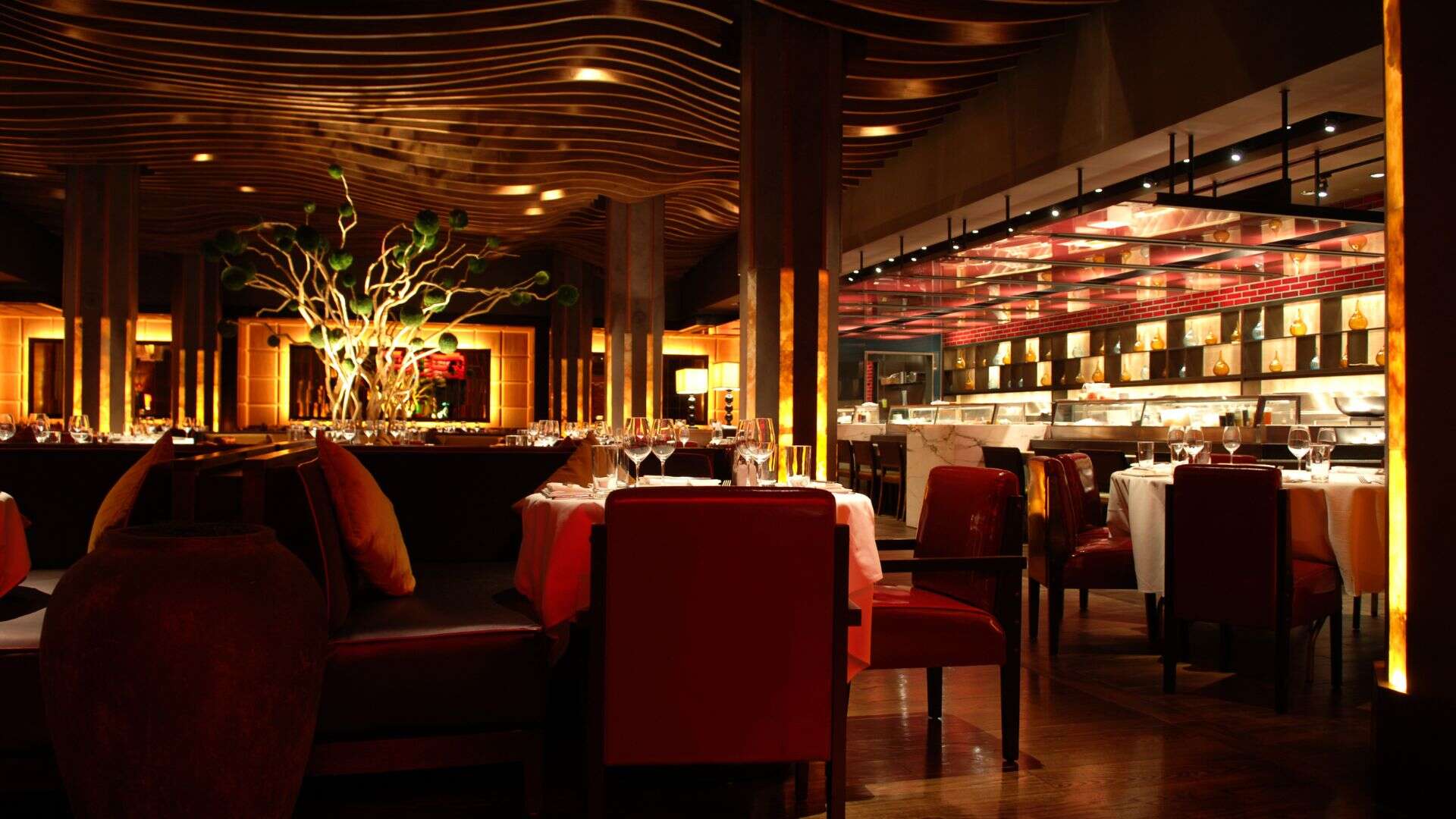
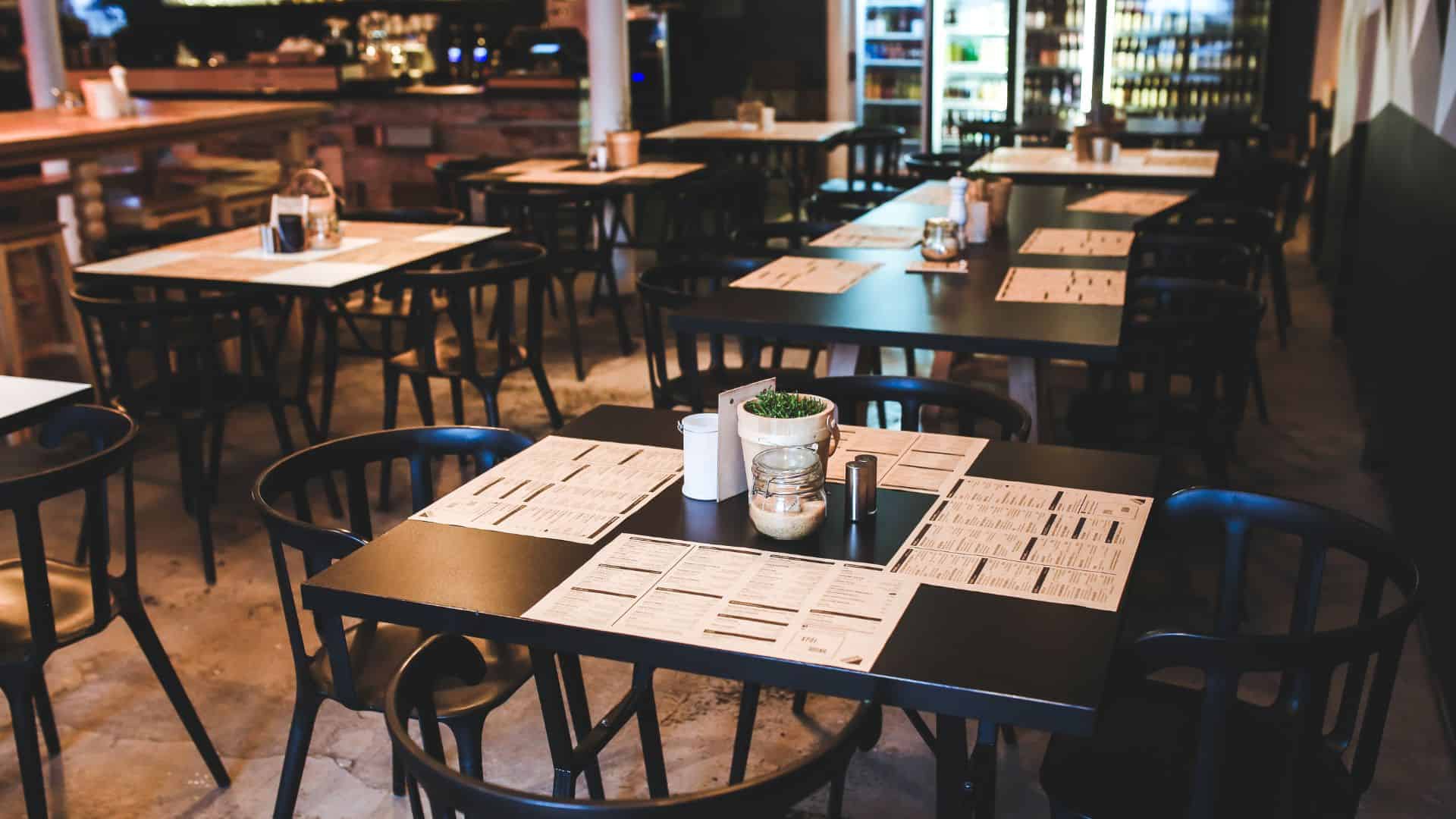
A Reddit user recently asked, "Am I overreacting for walking out of a restaurant that refused to seat me at a table?" He said he was dining solo at a place he'd been before, but had never been there alone. It was 4 p.m., not busy at all. "As someone who doesn't drink and has no interest in TV, I don't want to sit at a bar.", he explained. He asked for a table with a view, but the host told him those tables were reserved for larger parties and suggested seating at the bar.
He declined and said that even a smaller table with a view was fine. The host repeated that those seats were not available to solo diners and again said he could sit at the bar. He decided to leave rather than accept the seating location that he wasn't interested in. He told his close friend what had happened, and she told him that he was the one who was childish and overreacted, not the host. Hundreds of people chimed in with their opinions.
The reactions
Many commenters said they understood his frustration. "Overreacting? You asked, they didn't accommodate, so you left. You didn't even walk out of a restaurant, in the classic sense. You changed your mind about eating there based on their unwillingness to sit you at a table."
Another added, "You have an absolute right to sit where you wish when you are dining out. Dining alone makes no difference. I would have walked too."
Some who worked in the restaurant industry joined in the discussion. "Absolutely not! As someone who had worked in the service industry for a decade, this is insane behavior. I would call and speak to a manager, and I’m not one to complain. This is not acceptable behavior. If this is their policy, fine. But if not, the owner will not be happy with the treatment of potential customers and will suffer a loss of business. To force someone to sit at a bar when they have seating is absolutely absurd."
Restaurants have policies for where to seat customers based on the time of day, occupancy, and crowd forecasts. Asking to speak to a manager can provide clarification and help alleviate stressful situations. There can be many reasons for this, such as a lack of staff on that day, company policy, or larger parties expected during the dinner rush.
One person pointed out that seating occupancy can change quickly. "It sounds like you went in during a possible shift change. So if the place opens up for breakfast/lunch between 2-4, it is a shift change, and a lot of servers are handling end-of-shift/beginning-of-shift duties. So while the restaurant may look empty, it doesn't mean people aren't in the back doing stuff to get ready for the dinner rush or the rush that happened midday."
Planning and preparing for the dinner rush is part of a restaurant's job. Dining establishments typically keep larger tables open for larger parties that arrive for early meals. The ebb and flow of customers can be hard to track.
Several agreed with his choice to leave. "You didn’t want to sit at a bar, you wanted a table, and you wanted a view. You have every right as a consumer to spend your money where you are getting what you want."
Paying customers do have the right to decide where they want to spend their money. Entering an establishment isn't a guarantee or contract. It's a choice, and that choice can change depending on the circumstances.
One reader suggested reaching out to upper management. "I’d send an email to management, though, asking for an explanation of their policy & expressing how disappointed you were that you were unable to be seated that day. Definitely explain that you’re a repeat customer. Hopefully you’ll get a gift certificate."
Communicating with management is a good way to get a factual explanation of their exact policies. You can ask to speak to one in person or request their contact information to reach out later.
People had thoughts about the friend's statement that he was the one being childish. " I don’t know how your friend came to that conclusion. You asked for a table; they declined to let you sit at one. You said thank you and walked out. It doesn’t sound like you made any scene."
Another user echoed that sentiment. "It sounds like you were very reasonable and polite about it. And the fact that it was so early and the restaurant was empty. Your friend is overreacting to you!"
It can be hard to communicate with friends about an experience without high emotions getting in the way. His decision to decline bar seating and leave the restaurant is a mature response.
The takeaway
It's hard to say who is right or wrong in this scenario. The diner felt he should have been given a nicer table with a view, while the host felt obligated to follow the restaurant's rules.
A compromise may have been an option, but neither seemed to know how to proceed. Rather than make a scene, leaving the restaurant and going elsewhere seemed like a valid response in the moment.
Leave a Reply