
Most people don’t think twice about how their favorite foods are made — until they do, and some foods are better enjoyed when you don’t know too much about them. An online thread instantly became a hot topic with users sharing the moments and dishes that permanently changed their eating habits.
The story
Someone posted the question "What's the food you don't eat anymore after finding out how they make it?" on Reddit, and the commenters were ready. With over 700 responses, people were eager to educate and inform about which foods are no longer part of their dinner plans.
The reactions
Several agreed that Foie gras was at the top of their list. “Foie gras. Disgusting how this is still accepted.” Foie gras (French for “fatty liver”) is produced by over-fattening the livers of ducks or geese using a feeding tube, forcing them to overeat several times a day. This enlarges their liver, and it becomes high in fat. “The traditional force-fed foie gras process is sickening torture for sure.”

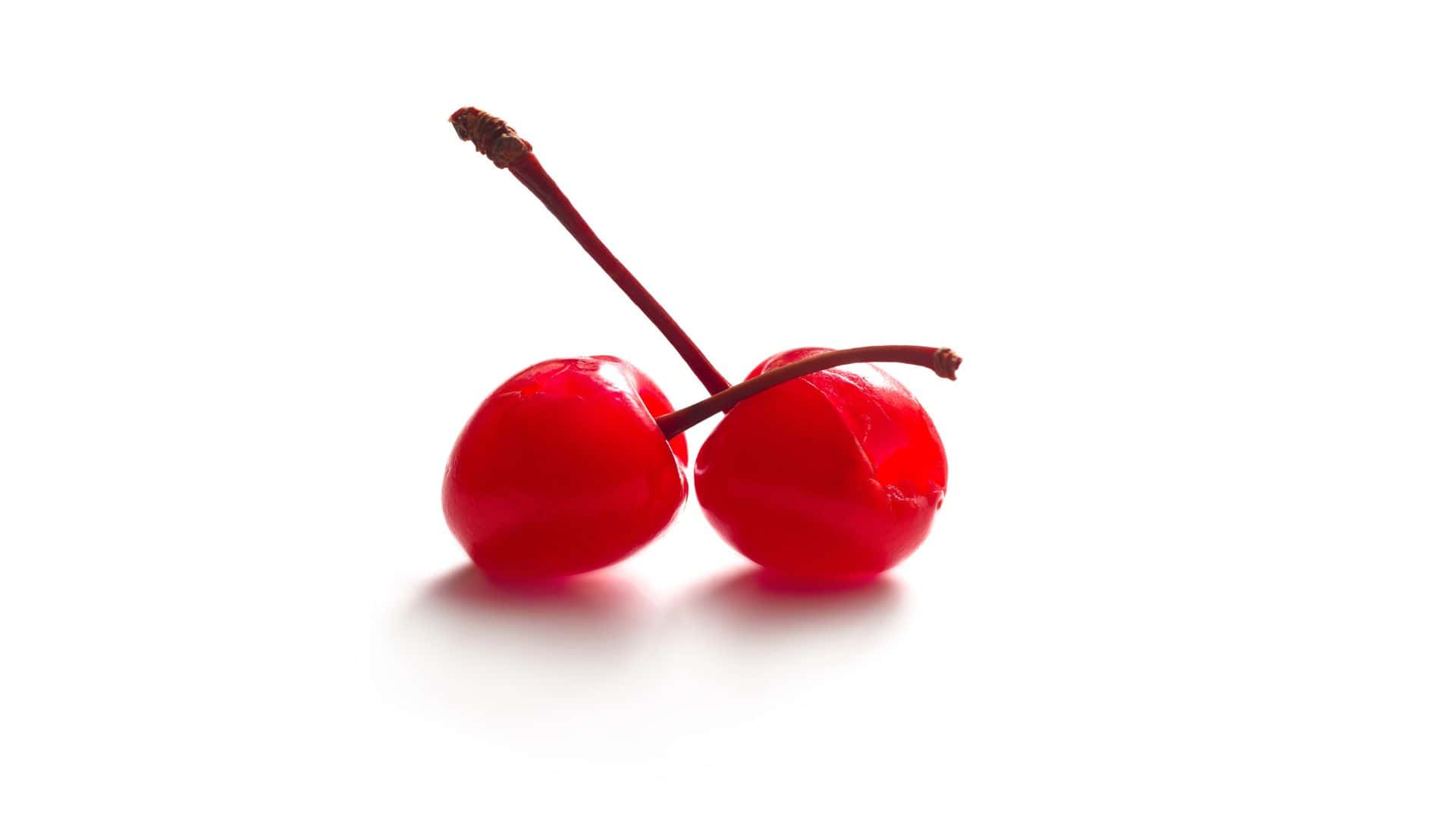
Another top food listed was maraschino cherries. “I absolutely adored cherry cordials as a kid until I learned how maraschino cherries were made.”
Maraschino cherries are sweet cherries that are bleached, then soaked in a brining solution, and then re-soaked in flavored, dyed syrup to achieve that classic bright red appearance and preserved shelf life. The transformation of real cherries into a highly processed garnish left many readers uneasy about repurchasing them.
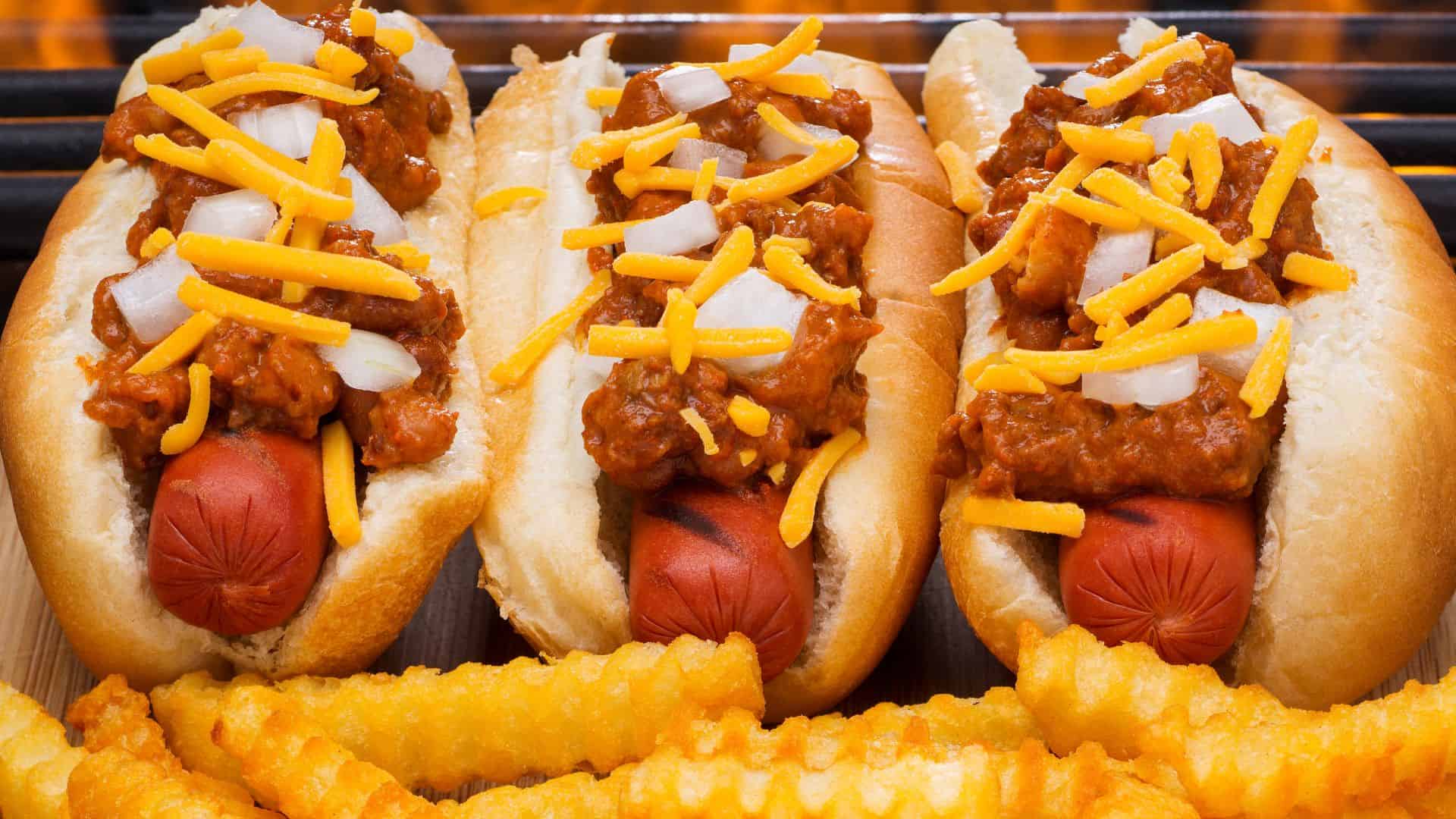
One of the most popular responses was hot dogs. “Hot dogs are the answer here. I would love to unsee how they make it. There's the meat that goes to the fancy restaurants, then the meat that goes to the butcher, then the meat that goes to animal food, and ONLY THEN, the rest that goes into the hot dogs.”
Many people who have observed the production of processed meat describe a process that involves extensive grinding, mixing leftover cuts with fillers, and stuffing the resulting mixtures into casings. For some, the uncertainty about which specific parts are used in these products is enough to persuade them to stop eating them.
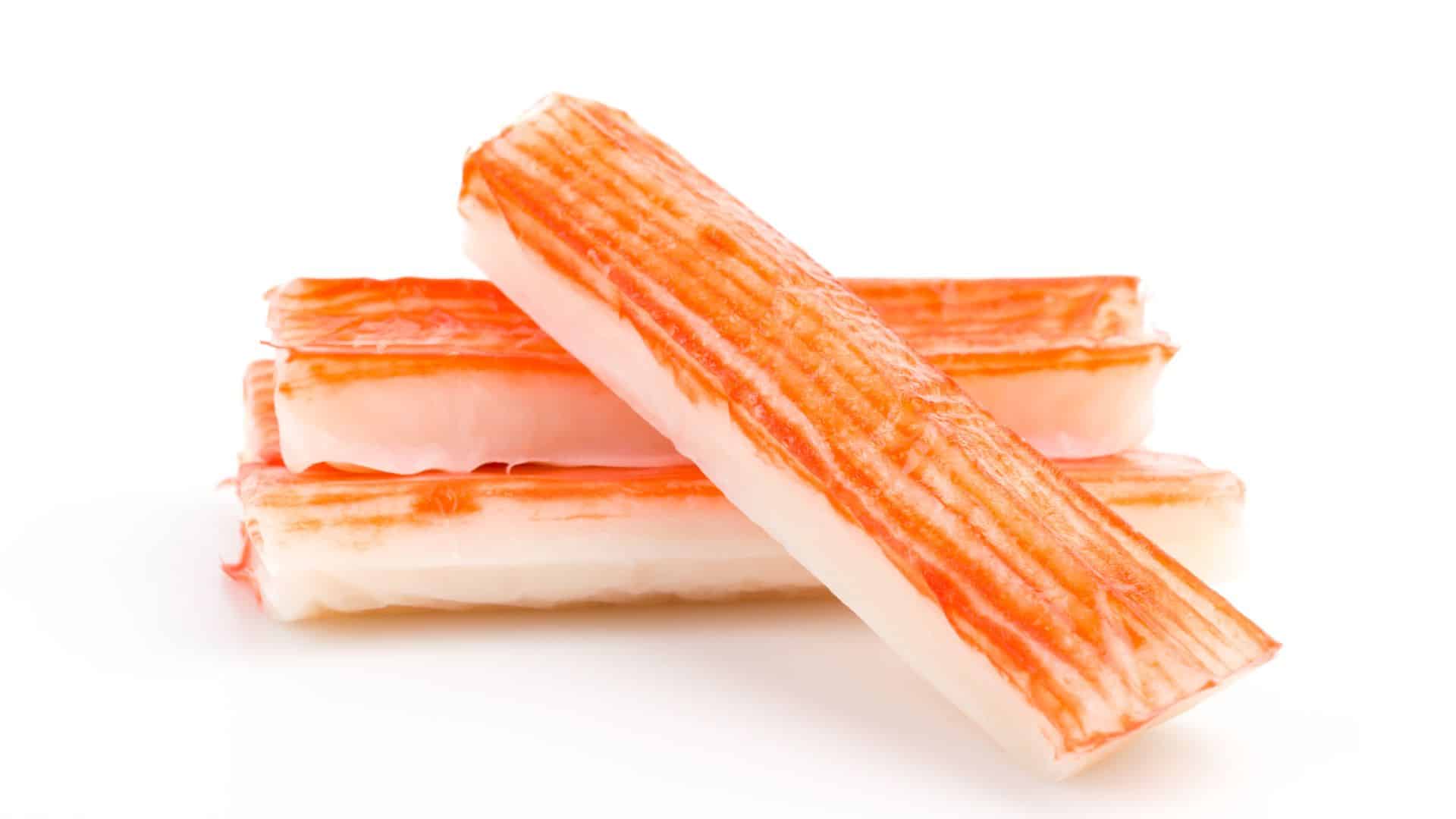
Several agreed that they stopped eating imitation crab meat once they learned more about it. “Imitation crab. There is an app named Yuka … When I scanned the barcode … dropped it and walked away.” Imitation crab might look like the real thing, but it’s mostly made from surimi, a paste of finely shredded or ground fish. The fish is minced, heated, and molded into shapes that mimic crab leg meat in texture and color.
To hold it all together, producers add binding agents such as egg whites, starch, vegetable oil, and sugar. Sometimes MSG is added for flavor, along with orange or red coloring to imitate the look of shellfish.
A few comments stated that veal is no longer part of their dinner. “Veal. Never that big of a thing … and it’s especially cruel.” Veal comes from young calves raised in restrictive conditions, which keeps the meat tender. The calves will have limited mobility, a controlled diet, and a young slaughter age.
Processed foods were a constant on the thread, but processed cheese slices were discussed more than others. “For me, it was certain processed cheeses once I learned how they were made, I just couldn’t eat them the same way.” Processed cheese slices are made by melting natural cheeses, blending them with emulsifiers, stabilisers, added colors and flavoring, and then solidifying again into slices.
Here is a short video by @howitsmade showing how processed cheese slices are made.
Seeds oil was another popular mention. “Seed oils … Canola oil is refined using hexane solvent. It’s then bleached to deodorize it. No, thank you.” Seed oils, such as canola and soybean oil, undergo industrial processing that includes degumming, bleaching, and deodorizing. Because of the chemical processes involved, many look for healthier alternatives to oils.
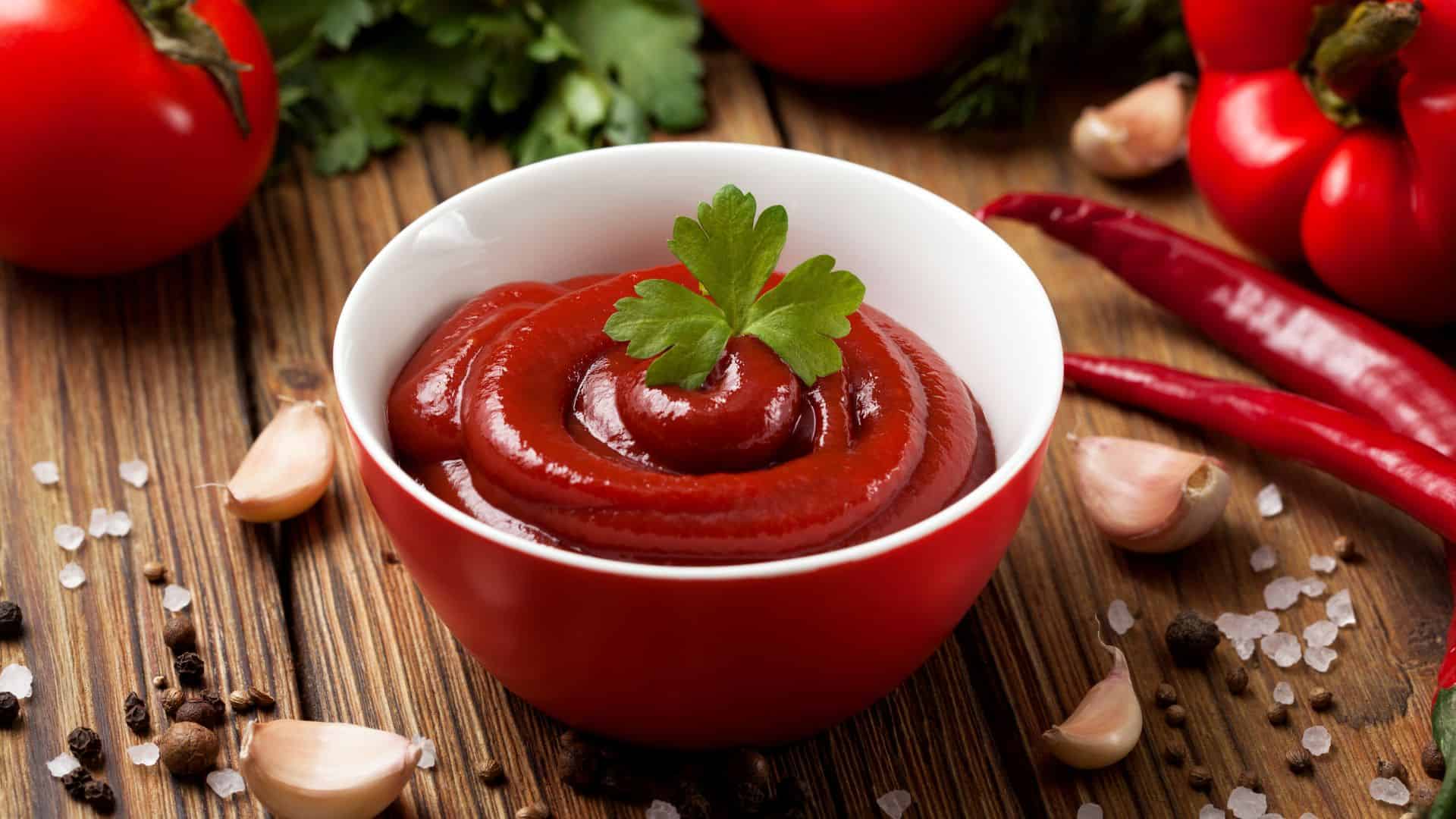
A maybe surprising answer was ketchup. “Ketchup. Had a friend who worked at the Heinz plant in Pittsburgh. After his stories, I never touched it again.” Ketchup appears basic, but stories about giant vats, high sugar volumes, and blending machines can change people's minds.
Microwave popcorn also made the list of foods that are now avoided. "The bags are lined with terrible stuff." Popcorn in a bag is more than just kernels. Glance at the box, and you'll see a long list of ingredients and chemicals added to enhance flavor and color. As one user stated, "Can't believe I used to pretty much suck on the paper for the flavor when I was young, any time I eat the popcorn even, I feel so gross the next day, so I don't anymore."

One reader spoke for his wife and her avoidance of seafood. "My wife doesn't eat any seafood because it "might be someone she knows". (Lifetime scuba diver and marine animal fan.)" She isn't alone in this line of thinking. 23% of Americans reduced their meat consumption due to ethical concerns about animal cruelty. This statistic is why many companies have adopted meat-free products.
Just eating any food that other people have cooked also made the list. "Food in cafes and restaurants in general. The things I’ve seen working in kitchens." Cooking your own food at home, in your own space, with your own sanitary conditions and cleanliness standards, appeals to people more than going out and hoping for the best.
The takeaway
When consumers learn the story behind food, it can trigger strong reactions.
Many said that after learning how certain foods are made, they couldn’t eat them again. Foie gras, hot dogs, imitation crab, and even ketchup came up repeatedly as foods people now avoid. The comments show how a bit of knowledge can change the way people think about what ends up on their plate.
Leave a Reply